
Last updated November 15, 2026
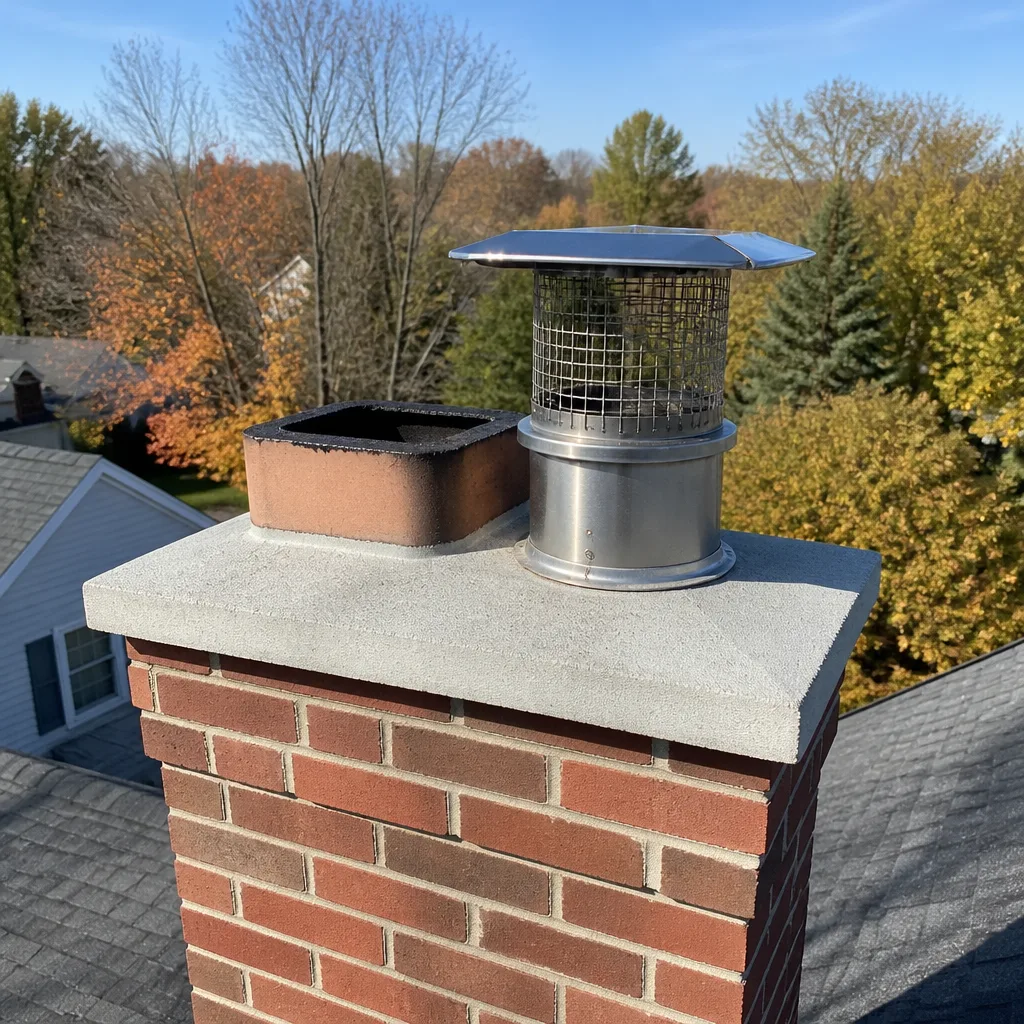 Sweep & inspection
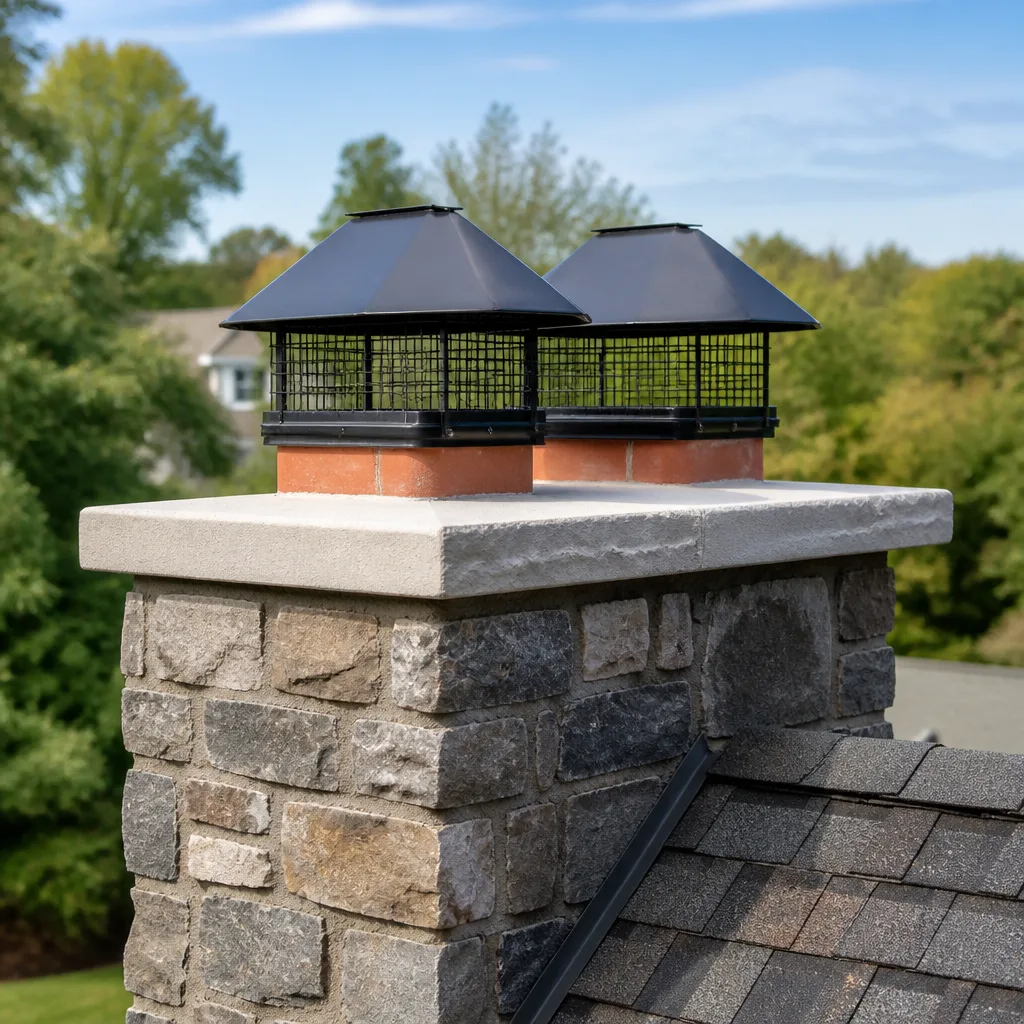 Caps & crowns
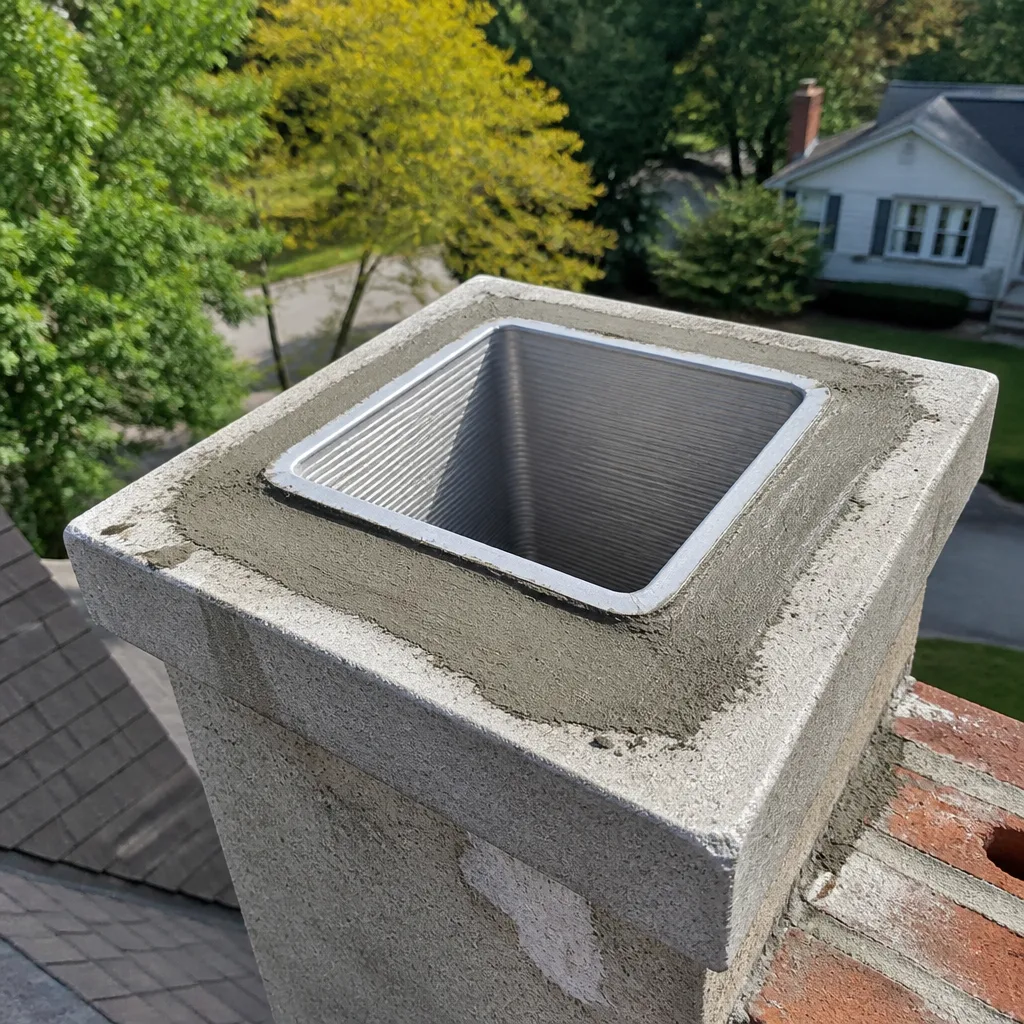 Flue relining
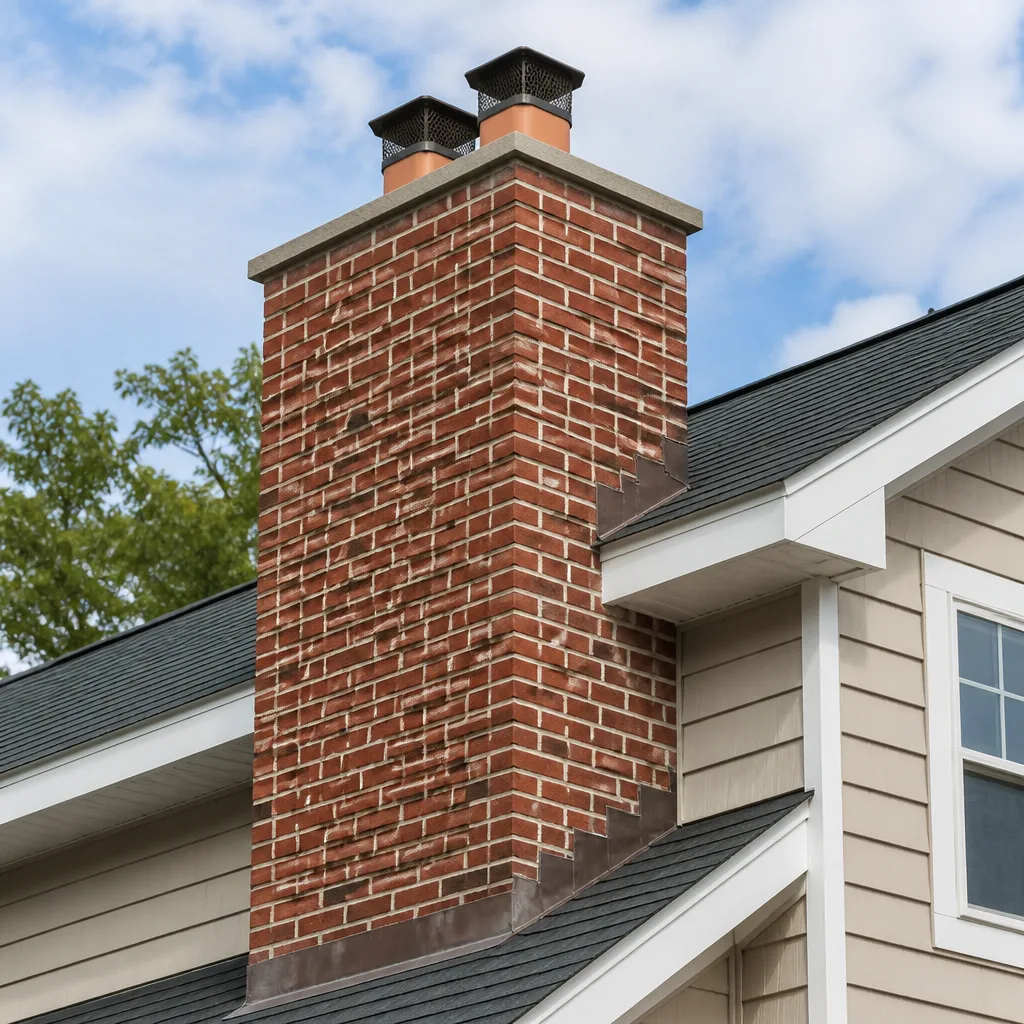 Masonry repair
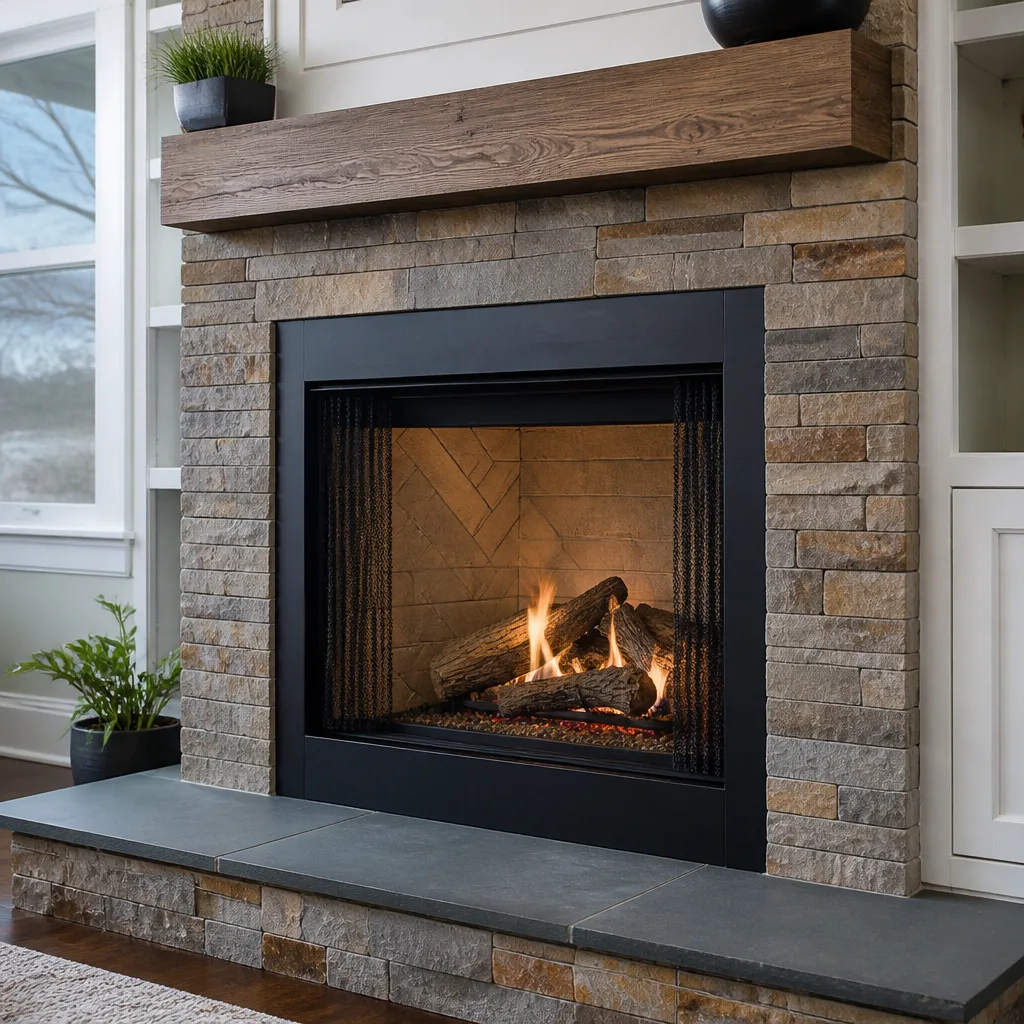 Gas fireplace service
Level 1 sweep and inspection to the NFPA 211 annual standard - flue, crown, cap, and flashing checked and photographed
Chimney sweep logs do not sweep chimneys. They loosen some creosote - which then falls where a brush and vacuum still have to collect it.
How to Hire a Chimney Cleaning Contractor in Lakewood: A Step-by-Step Guide
Two sweeps can hand you the same invoice that says “chimney cleaning” and deliver two very different services. One ran a brush through the flue and left. The other scoped the flue with a camera, checked the appliance connections, read the liner condition, and wrote down what they found. The price on the invoice tells you nothing about which one you hired. What separates them is what you ask before they arrive, what their quote includes, and whether they put findings in writing. This guide walks through the certifications to check, the questions that reveal real material knowledge, and how to read a quote in Lakewood so you know whether you’re buying a cleaning pass or an actual diagnosis.
Quick Answer
Hiring a chimney sweep in Lakewood means verifying credentials (CSIA certification and NFI appliance credentials, not just a Colorado contractor license), confirming the visit includes a Level 1 or Level 2 inspection rather than a cleaning only, and asking what liner system they’d recommend for your specific appliance. A sweep who can answer materials questions and show you camera footage is a diagnostician; one who can’t is a cleaner with a brush.
Styles & brands we work with
- Sweep & inspection
- Caps & crowns
- Flue relining
- Masonry repair
- Gas fireplace service
Table of Contents
- Why “Chimney Cleaning” Means Two Different Services
- What Credentials to Verify Before You Book
- Questions That Reveal Real Material Knowledge
- How to Read a Chimney Sweep’s Quote
- Warning Signs in Contractor Behavior
- How to Compare Two Credentialed Sweeps
- Lakewood-Specific Factors That Affect Your Chimney
- The Full Step-by-Step Hiring Process
Why “Chimney Cleaning” Means Two Different Services
The phrase covers both a mechanical cleaning and a diagnostic inspection, and the industry doesn’t always distinguish between them on paper. When you search for a chimney sweep in Lakewood, you’ll get quotes for both, sometimes at nearly identical prices. The difference shows up in what’s included, not in what’s charged.
A cleaning pass removes creosote, soot, and blockages from the flue. It’s necessary maintenance. But it doesn’t tell you whether your flue liner has cracks, whether the appliance is venting correctly, or whether the crown and flashing are intact. A Level 1 inspection covers the readily accessible portions of the chimney and venting system. A Level 2 inspection goes further: it includes a video scan of the flue interior, and it’s the standard required when a chimney changes ownership, changes appliance, or after a chimney fire or seismic event.
Here’s the practical distinction. A sweep who cleans without inspecting is doing half the job and charging you for the whole visit. A sweep who inspects with a camera and documents findings is giving you information you can act on. Both take roughly the same appointment window. Only one tells you what’s actually happening inside your flue.
In our experience, most homeowners assume the cleaning includes a real look at the liner and connections. It often doesn’t unless you ask. That’s why the first question in this guide isn’t about price. It’s about scope.
What Credentials to Verify Before You Book
Colorado doesn’t license chimney sweeps as a distinct trade. A general contractor license doesn’t confirm competency in flue work, and a business license doesn’t either. The credentials that matter come from the industry itself, and they’re verifiable.
The two you should check:
- CSIA certification. The Chimney Safety Institute of America certifies sweeps through an exam and requires ongoing education. A CSIA-certified sweep has demonstrated knowledge of venting, codes, and safety. You can verify certification status independently rather than taking a contractor’s word for it.
- NFI credentials. The National Fireplace Institute certifies technicians by appliance type: wood, gas, and pellet. If your fireplace burns gas or your stove burns pellets, NFI certification specific to that fuel type tells you the technician understands that appliance’s venting requirements, which differ meaningfully from wood.
Ask for the certification numbers and verify them. A sweep who carries real credentials will give them without hesitation. One who deflects or says “we’re fully licensed” without specifics is telling you something.
Insurance is the other non-negotiable. General liability coverage protects your home if something goes wrong during the work. Ask for a certificate of insurance before the appointment. This isn’t suspicion; it’s standard practice for any trade working inside your house.
When we work in Lakewood, we’re working inside homes across the metro where appliance types vary widely, from older wood-burning fireplaces to newer gas inserts. The credential that matters depends on what you’re burning.
Questions That Reveal Real Material Knowledge
Any sweep can say they’ll “take care of your chimney.” The questions below separate the ones who understand materials from the ones who repeat a script. You don’t need technical expertise to ask them. You just need to listen to whether the answer is specific or vague.
- “What liner system would you recommend for my appliance type and BTU output?” This is the single most revealing question. A sweep who works with professional-grade product lines will name them and explain why one suits your situation: a flexible stainless system for an older flue with offsets, or a ceramic resurfacing approach for a liner that’s sound but has surface spalling. A sweep who says “whatever fits” or “we use standard liner” hasn’t thought about your appliance. We specify DuraFlex for relining work where the flue shape is irregular, because a flexible system accommodates the existing geometry rather than forcing a one-size answer.
- “Which brands do you work with, and why those?” A materials-knowledgeable contractor names specific product lines and can tell you why. We work with Olympia Chimney and Copperfield, among others, because those are the systems professional chimney contractors nationwide rely on. If the answer is “we use whatever’s available,” that’s a signal about the rest of the work.
- “What’s the difference between a Level 1 and Level 2 inspection, and which does my house need?” A qualified sweep answers this cleanly. If they can’t distinguish the two, they’re not inspecting to a standard.
- “Will I see the camera footage?” This one matters more than it sounds. A sweep who scopes the flue and shows you the footage is giving you evidence. One who describes what the camera “showed” without sharing it is asking you to trust a summary you can’t verify.
- “What’s your process if you find a problem?” The answer should describe diagnosis, documentation, and repair options, not a sales pitch. A good sweep tells you what can safely wait.
Ask these on the phone before booking. The quality of the answers tells you what kind of appointment you’re scheduling.
How to Read a Chimney Sweep’s Quote
A quote is a scope document, not just a number. Read it for what’s included, because two quotes at the same price can cover very different work.
Look for these elements in writing:
- Which inspection level is included. If the quote says “cleaning” and nothing about inspection, assume no inspection is included. Ask them to specify Level 1 or Level 2 in writing.
- Whether a camera scan is part of the visit. Level 2 includes video scanning of the flue. If you have any reason to suspect liner damage, this is the version you want.
- What gets documented. A real diagnosis comes with a written report and photographs, not a verbal summary.
- What’s excluded. A quote that only lists what’s included, without acknowledging what’s not covered, may be hiding gaps. Ask directly: “What isn’t included in this price?”
- Whether repair work is quoted separately or bundled in. It should be separate, itemized, and tied to evidence you’ve seen.
Watch for the reverse problem too: a quote that bundles cleaning, inspection, and a long list of recommended repairs into one number without showing you why. That’s not a diagnosis. That’s a package.
The estimate should be free, and the written estimate should set the final price. If a sweep gives you a range on the phone and a firm number after inspection, that’s normal. If the number changes after work starts without a new written estimate, that’s a problem.
Warning Signs in Contractor Behavior
These are the patterns that distinguish a professional from one who’s selling maintenance you may not need. None of them alone is disqualifying, but a cluster is a clear signal.
- Vague scope. “We’ll clean and check everything” sounds reassuring but commits to nothing. Ask for the inspection level in writing.
- Refusal to put findings in writing. A sweep who won’t document what they found, in a report you keep, is leaving you with nothing to verify. Every chimney repair recommendation should be tied to a written finding.
- Pushing repairs without showing footage or photos. If they recommend a liner replacement and can’t show you the cracked liner, ask to see it. A professional will show you. One who says “you wouldn’t understand” or “trust me” is the reason this guide exists.
- Pressure to decide immediately. Real chimney hazards exist, but a sound sweep tells you what’s urgent and what can wait. If everything is urgent and nothing can wait, ask why.
- No credential information. A legitimate sweep will give you CSIA verification without friction.
- Quotes that don’t distinguish sweeping from inspection from repair. These are three services. A quote that collapses them into one line item hides where the price came from.
- No mention of the materials they’d use. If the conversation never reaches liner brands, appliance types, or venting requirements, the sweep isn’t diagnosing. They’re cleaning.
One more: a sweep who never mentions the outdoor components, like the crown and flashing, may not be inspecting them. Those are where water intrusion starts.
How to Compare Two Credentialed Sweeps
Here’s where most guides stop. Once you’ve found two sweeps who both have CSIA credentials and both offer inspections, how do you choose? The tiebreakers are about materials and accountability, not price.
Compare them on these five points:
- Product knowledge. Ask each what liner system they’d use for your appliance. The sweep who names specific professional-grade systems and explains why is carrying real material expertise. The one who names a generic category hasn’t made a recommendation; they’ve postponed one.
- Whether they stock or source professional-grade parts. A contractor who works with Copperfield, Olympia Chimney, or HeatShield has access to systems designed for professional restoration. One who improvises with generic supply is making the materials decision for you, and probably not in your favor.
- Full-lifecycle accountability. A sweep who only cleans hands you off to a separate repair contractor when they find a problem. A contractor who handles the sweep, the inspection, and the repair keeps one point of contact and one accountable party. We work that way because handoffs are where findings get lost.
- Repair-first thinking. When a liner is salvageable, a ceramic resurfacing system like HeatShield can restore it without full relining. A contractor who only offers full replacement when resurfacing would work is offering the more expensive option, not the right one. Ask: “Is there a repair option before we get to replacement?”
- Documentation quality. Ask each sweep what you’ll receive at the end of the visit. Photos? A written report? A video scan you keep? The one who answers specifically is the one who takes diagnosis seriously.
Two valid quotes can differ by hundreds of dollars for reasons worth understanding. The sweep who explains the difference is the one to hire.
Lakewood-Specific Factors That Affect Your Chimney
Lakewood sits along the Front Range at the edge of the foothills, and that geography shapes chimney work in ways you should understand before you hire.
Burning season is long. Homes here heat for more months than the climate would suggest, and a fireplace that runs through a long season accumulates creosote faster. That’s why the inspection-before-you-light principle matters more here than in milder climates. If you burn regularly from fall into spring, an annual inspection is a reasonable baseline, not over-servicing.
Temperature swings stress masonry. The Front Range moves between warm days and cold nights, and that freeze-thaw pattern works on mortar joints, crowns, and flashing. A sweep who inspects the exterior components, not just the flue interior, catches these early. This is exactly the kind of thing that shows up in a camera scan and an exterior check.
Housing stock varies block to block. Lakewood’s neighborhoods include homes from many different building eras, and the chimney systems reflect that. An older flue may have clay tile liners that have shifted or spalled. A newer home may have a factory-built system with different inspection requirements. The sweep needs to look at your specific system, not apply a template. If you’re in an older part of Lakewood, ask whether a Level 2 with a camera scan is warranted.
Wood is still the default fuel for many households. Fireplaces and wood stoves remain common, and that means creosote management is a live issue, not an abstract one. Gas inserts are also common in newer builds, and those need NFI gas-specific knowledge, not just wood experience.
When you interview a sweep, ask how they handle the specific chimney type in your home. A contractor who’s worked across Lakewood’s range of housing will answer without hesitation.
The Full Step-by-Step Hiring Process
Here’s the sequence, from search to signed estimate. Work through it in order and you’ll book the right contractor.
- Search and shortlist. Look for sweeps serving Lakewood with verifiable CSIA certification. Aim for two or three candidates.
- Verify credentials before you call. Check CSIA certification independently. Ask each candidate for insurance documentation. A sweep who can’t provide it isn’t ready to work in your home.
- Ask the materials questions. On the phone, ask: What liner system would you recommend for my appliance type? Which brands do you work with? What’s the difference between Level 1 and Level 2? Note who answers specifically.
- Confirm the visit scope in writing. Ask each candidate to put in writing whether the visit includes a cleaning only or a cleaning plus inspection, and at which level. This is the single most important paperwork step.
- Ask what documentation you’ll receive. Photos, a written report, and camera footage where relevant. Confirm this before booking.
- Book the visit. For an Oasis Chimney Sweep visit, call (888) 320-6023. We answer 24/7. Fast dispatch from 7am to 7pm, Sunday through Friday.
- Attend the inspection if you can. Watch the camera scan. Ask questions while the technician is there. A good sweep welcomes this.
- Review the written findings before agreeing to repairs. Ask which recommendations are urgent and which can wait. If a liner repair is recommended, ask whether a repair-first option was considered before full relining.
- Compare repair quotes if needed. Get the repair scope in writing, itemized by component, with the materials named.
- Confirm the final price in writing. The written estimate sets the final price. If anything changes, you should get a new written estimate before work continues.
That’s the whole process. The work is in steps three through five, where most homeowners stop asking questions.
Common Mistakes to Avoid
- Booking on price alone. The cheapest quote is often a cleaning pass with no inspection, which means you’re paying for half the job. Compare scope, not just the number.
- Assuming a contractor license covers chimney work. Colorado doesn’t license chimney sweeps as a trade. A general contractor license says nothing about flue competency. Look for CSIA and NFI credentials instead.
- Not asking which inspection level is included. A quote that says “cleaning” without a level is a red flag. Ask for Level 1 or Level 2 in writing before you book.
- Accepting repair recommendations without seeing the evidence. If a sweep recommends a liner replacement, ask to see the camera footage or photos. A professional will show you. One who won’t is asking you to trust a claim you can’t verify.
- Skipping the exterior inspection. In Lakewood’s freeze-thaw climate, the crown, flashing, and mortar joints are where problems start. A visit that stays inside the flue misses them.
- Letting a sweep hand off repair work to a separate contractor. That gap is where findings get lost and accountability splits. A full-lifecycle contractor keeps one point of contact from diagnosis through repair.
- Not asking about repair-first options. If your liner is salvageable, a ceramic resurfacing system may restore it without full relining. Ask before accepting a replacement quote.
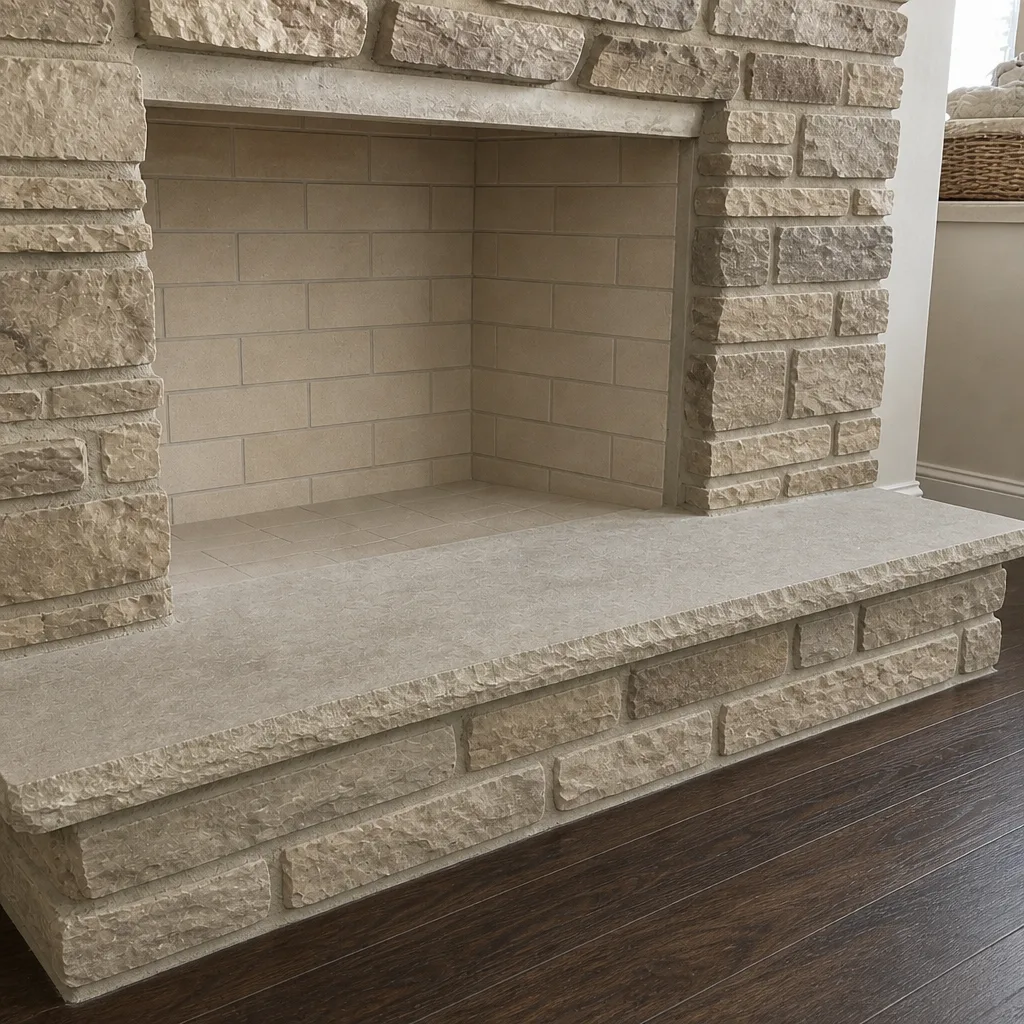
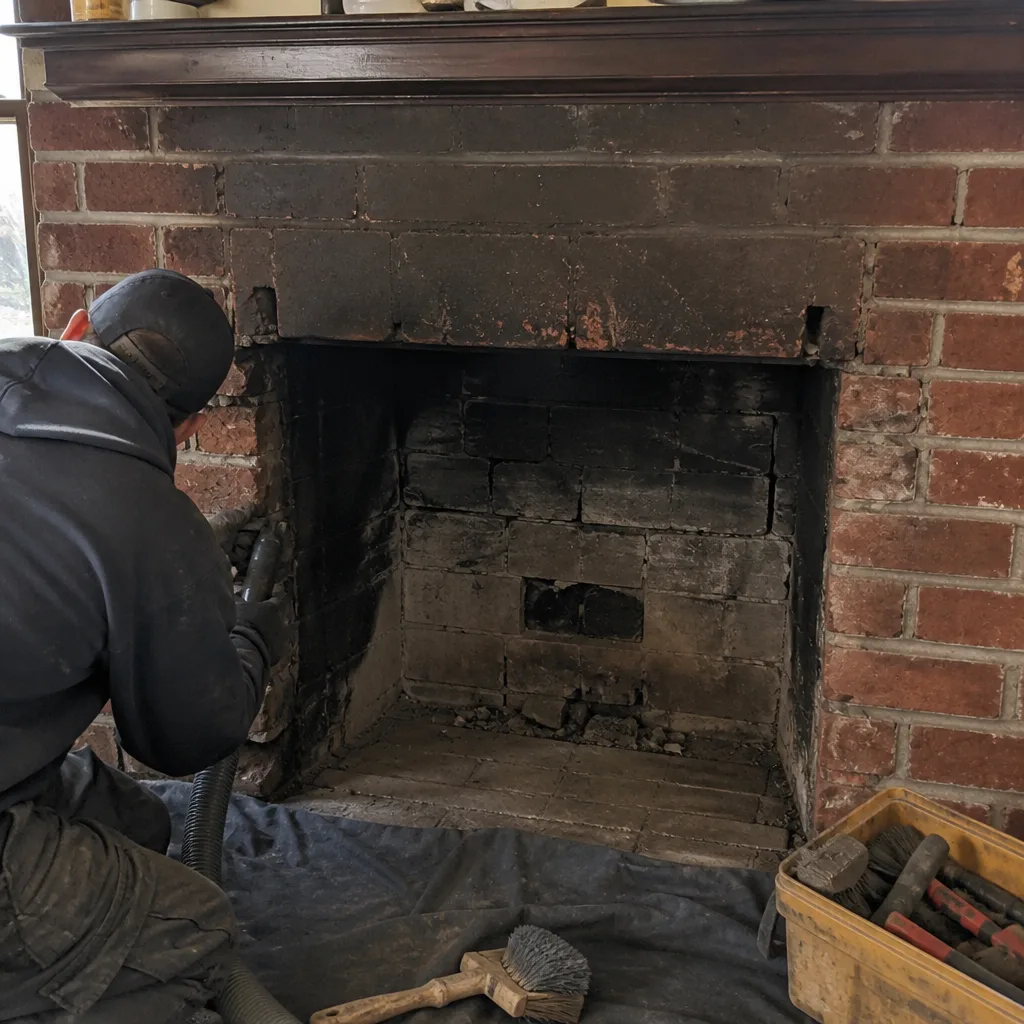
See the difference
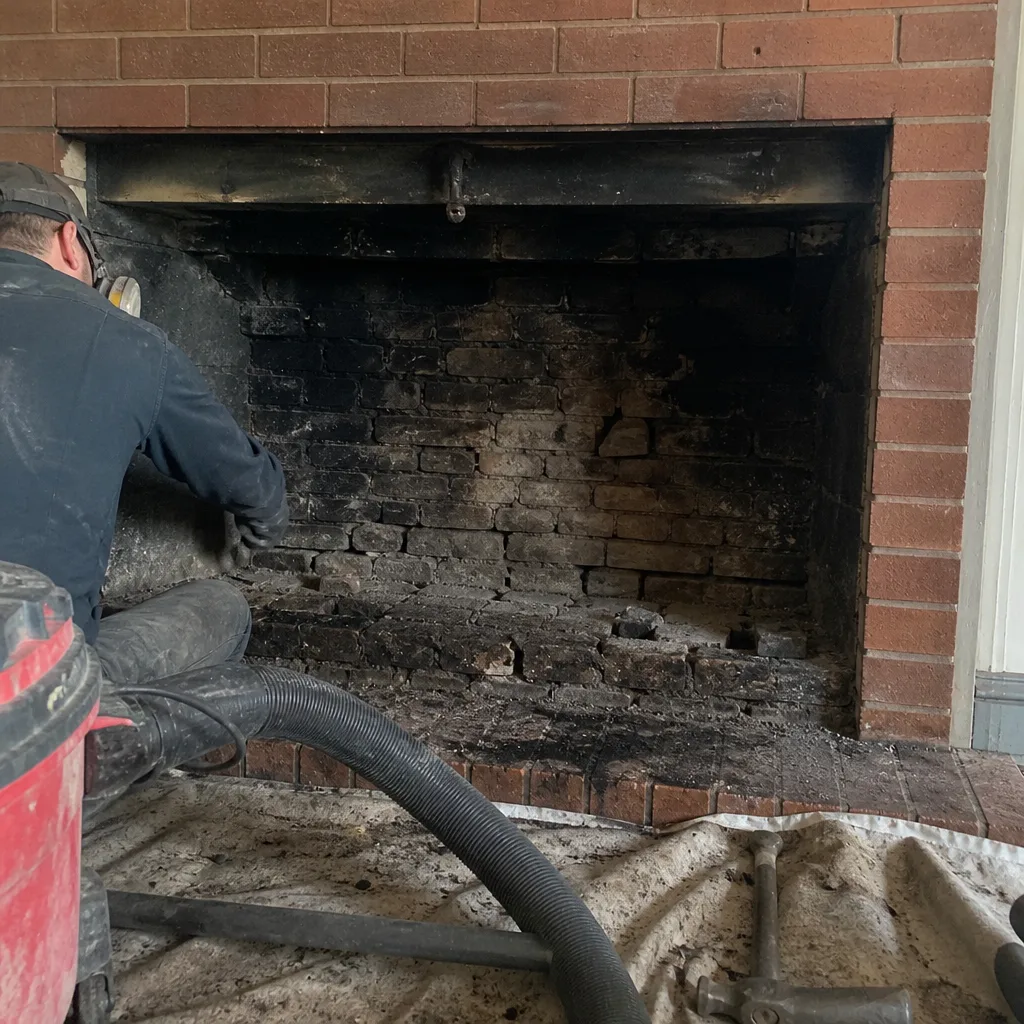 Before
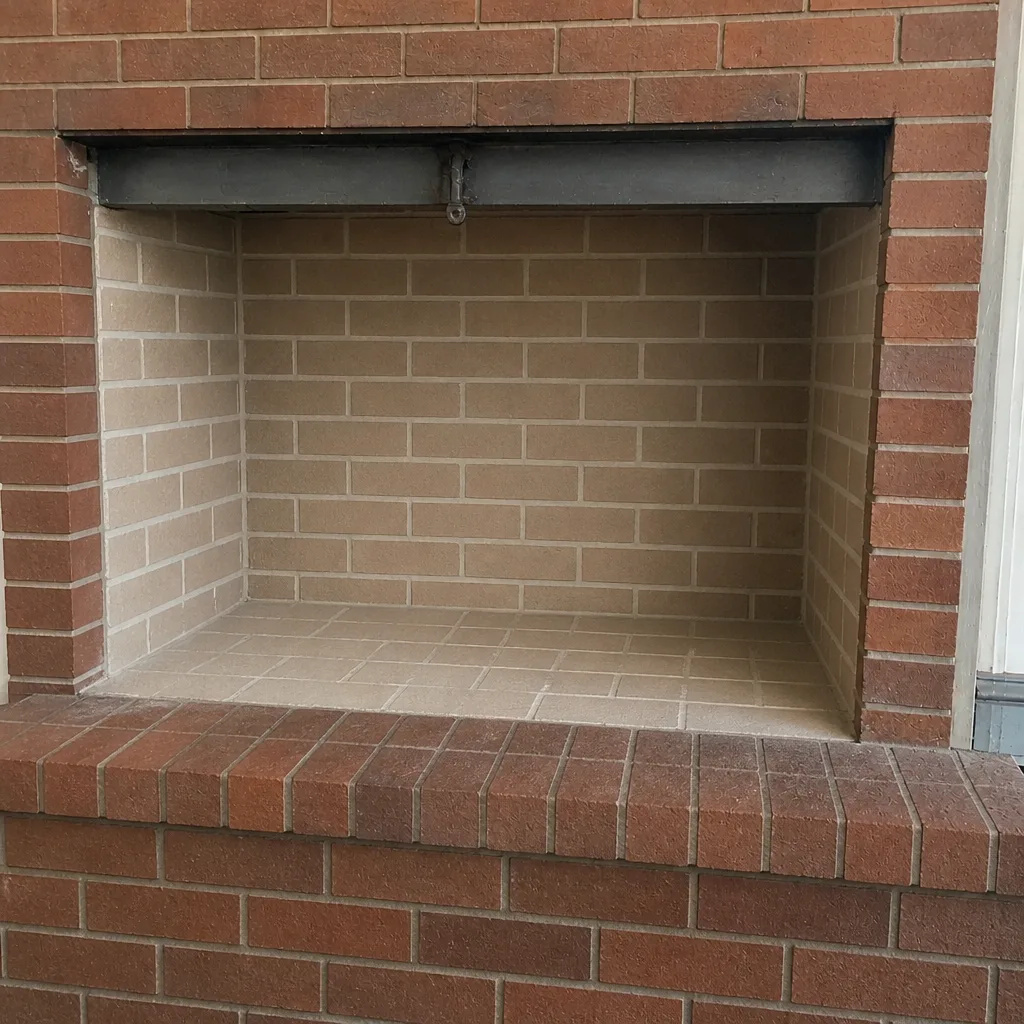 After
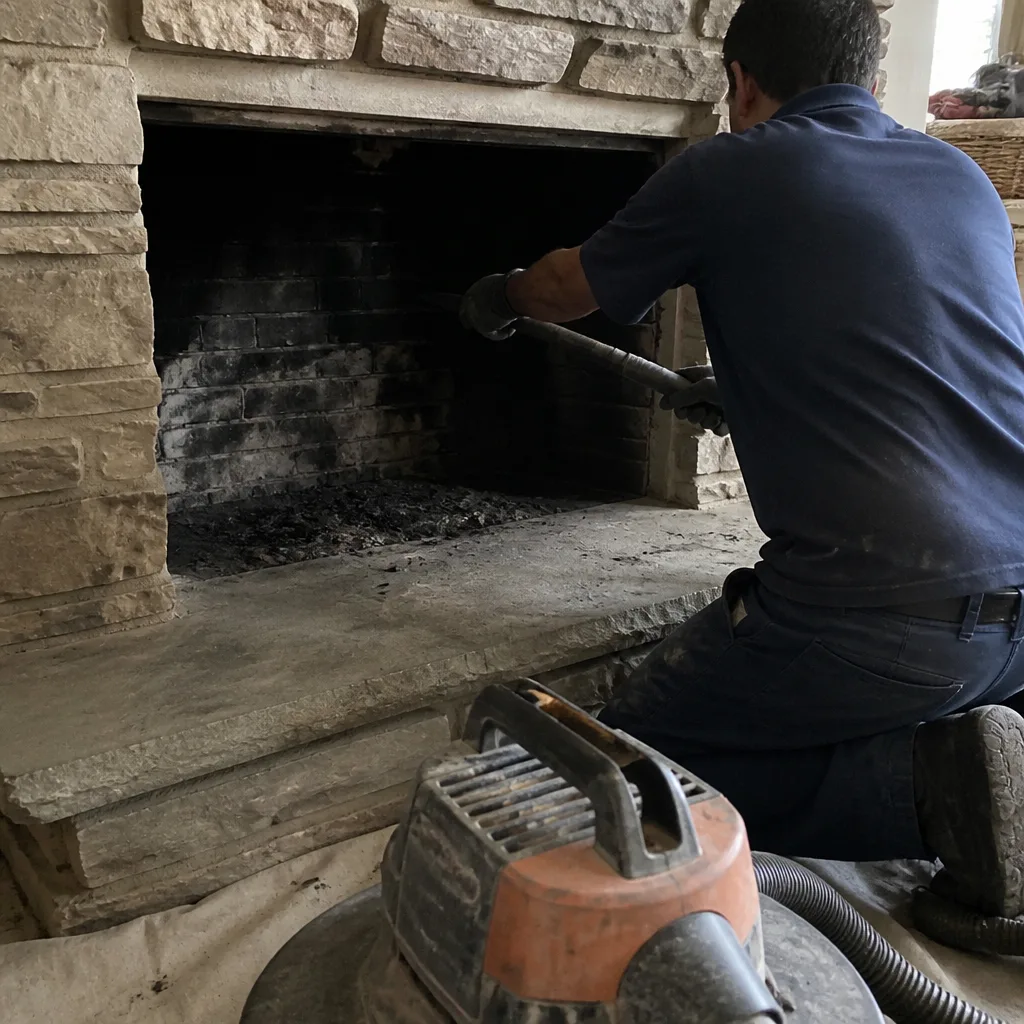 Before
 After
 Before
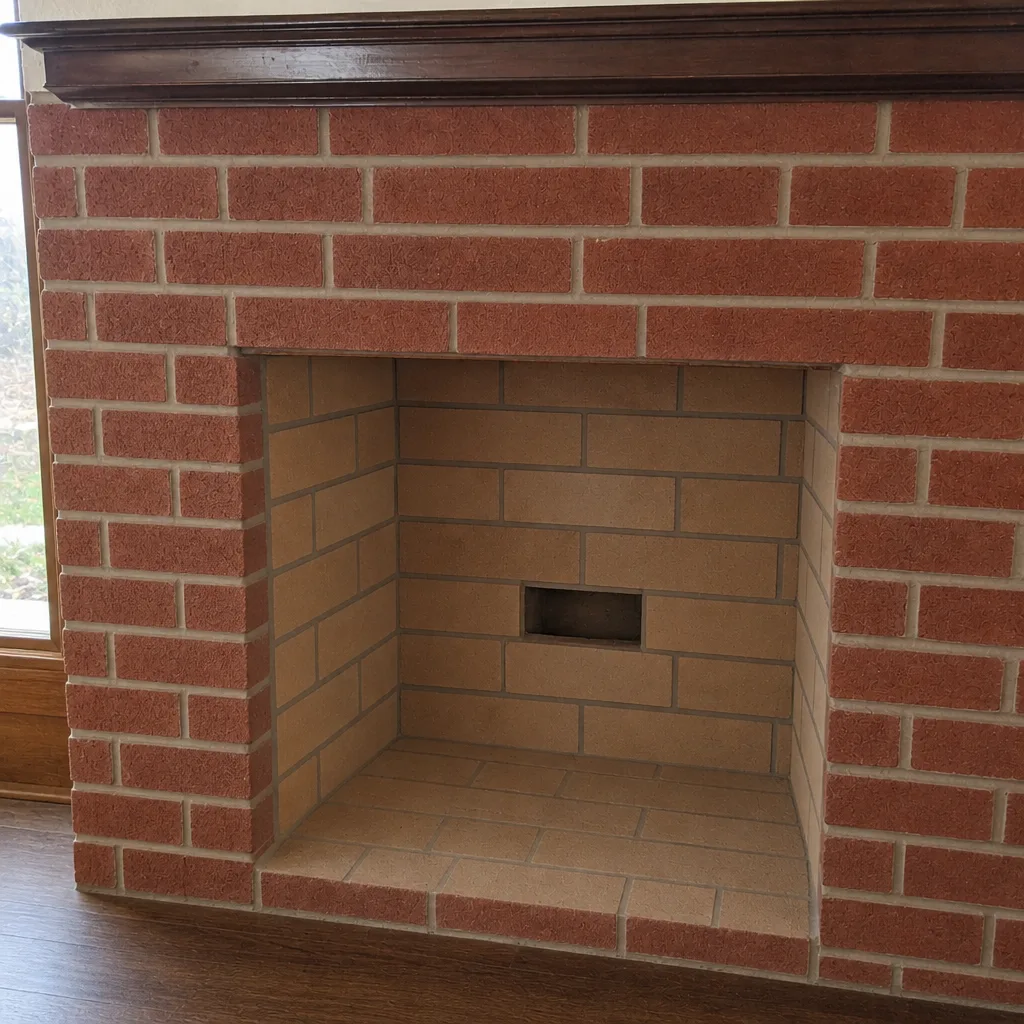 After
When to Call a Professional
Some chimney problems send a clear signal. Others only show up in a camera scan. Call a professional if you notice creosote buildup you can see or feel, a strong smoke smell in the room during or after burning, visible cracks in the masonry or liner, water stains on the ceiling or chimney breast, or a flue that drafts poorly or back-puffs smoke. Call before your first fire of the season if you haven’t had the system inspected in a while, and call if you’ve had a chimney fire, even a small one, because the liner needs checking afterward. A chimney inspection isn’t optional maintenance; it’s how you know your fire is safe before you light it. Oasis Chimney Sweep offers free estimates in Lakewood. Call (888) 320-6023. We answer 24/7. Fast dispatch from 7am to 7pm, Sunday through Friday.
Frequently Asked Questions
A standard sweep in the Lakewood area typically runs from about $150 to $300, and a cleaning plus Level 2 inspection with a camera scan usually falls in the $250 to $450 range. The written estimate sets the final price, and estimates are free. Call (888) 320-6023 for a quote specific to your chimney.
Cleaning alone doesn’t tell you whether your liner is cracked, your appliance is venting correctly, or your crown and flashing are intact. A Level 1 inspection covers the accessible system; a Level 2 adds a video scan of the flue interior. If you burn regularly, an inspection is how you know what’s actually happening inside the chimney. Call (888) 320-6023 to book a visit with inspection included.
For homes that burn regularly through a long Front Range heating season, an annual sweep and inspection is a reasonable baseline. If you burn occasionally, the schedule can stretch, but creosote accumulates silently and the only way to know your flue’s condition is to have it looked at. Call (888) 320-6023 to schedule an assessment.
Colorado doesn’t license chimney sweeps as a distinct trade, so CSIA certification isn’t a legal requirement. It’s the credential that demonstrates competency in flue work, and it’s independently verifiable. A sweep without it hasn’t demonstrated the knowledge a chimney inspection requires. Call (888) 320-6023 to book with a credentialed contractor.
Ask to see the camera footage or photos that justify the recommendation, and ask whether a repair-first option was considered. A ceramic resurfacing system can sometimes restore a liner that’s sound but has surface damage, avoiding full relining. If you can’t see the evidence, don’t approve the work. Call (888) 320-6023 for a second look with documentation you can review.
Yes. Estimates are free, and the written estimate sets the final price. You’ll get a scope that names what’s included, at which inspection level, and what the repair options are if anything turns up. Call (888) 320-6023. We answer 24/7. Fast dispatch from 7am to 7pm, Sunday through Friday.
The Bottom Line
Hiring the right chimney sweep in Lakewood comes down to four questions: Are they CSIA certified and insured? Does the visit include a Level 1 or Level 2 inspection, in writing? Can they name the liner system they’d recommend for your appliance and explain why? Will they show you the camera footage before recommending repairs? A sweep who answers all four specifically is a diagnostician. One who doesn’t is a cleaner with a brush, charging you the same price. The stakes are your fire’s safety, and the difference is worth asking about before you book.
Ready to have your chimney looked at properly? Oasis Chimney Sweep handles the sweep, the inspection, and the repair without handoffs, using professional-grade product lines like DuraFlex, HeatShield, Olympia Chimney, and Copperfield. Call (888) 320-6023 for a free estimate. We answer 24/7, with fast dispatch from 7am to 7pm, Sunday through Friday. Closed Saturday.
Written by the team at Oasis Chimney Sweep.