
Last updated November 15, 2026
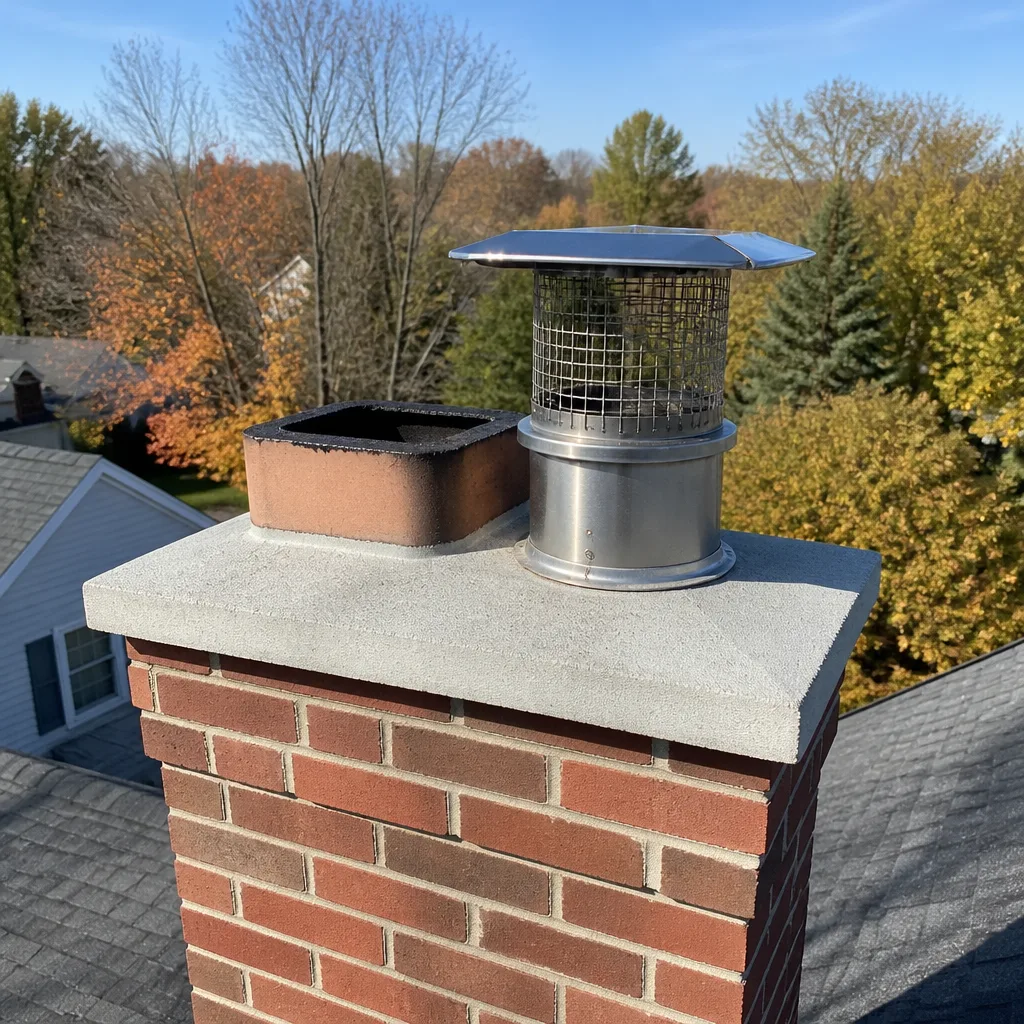 Sweep & inspection
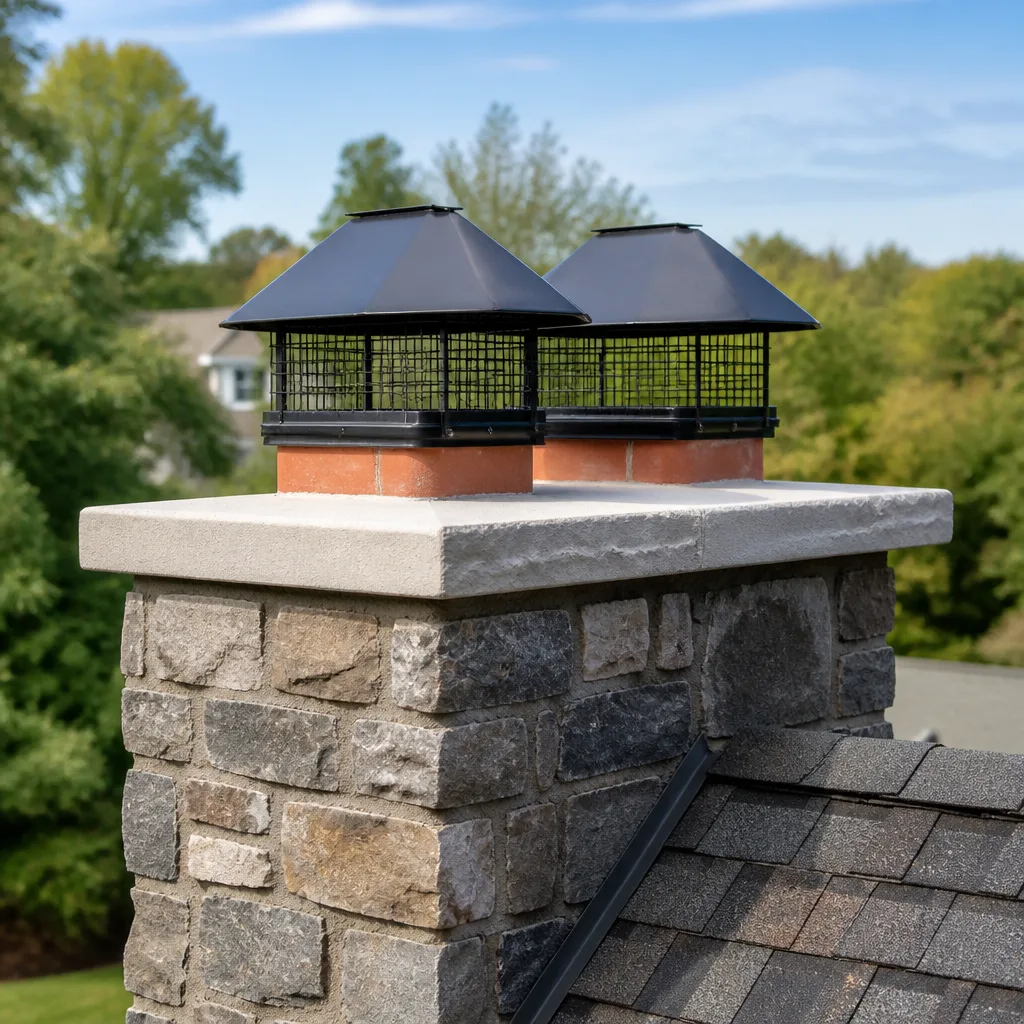 Caps & crowns
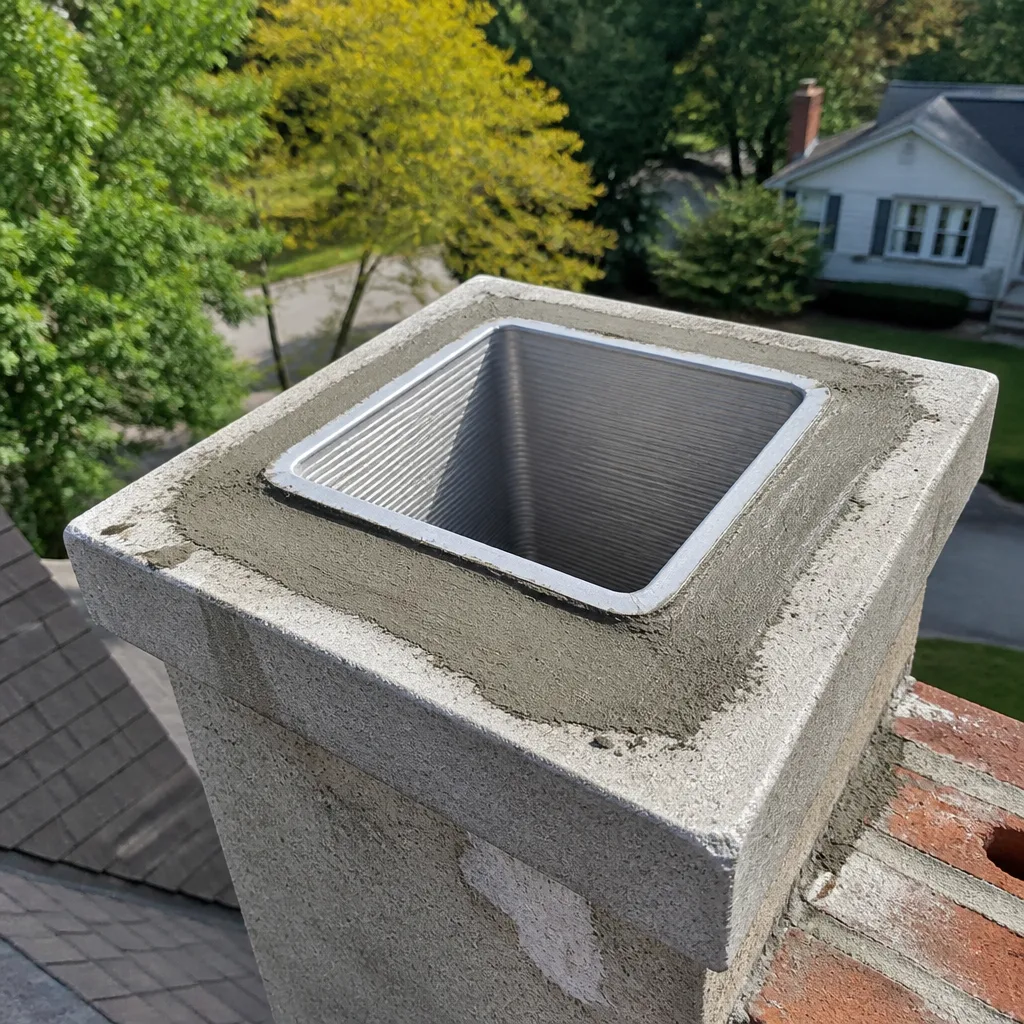 Flue relining
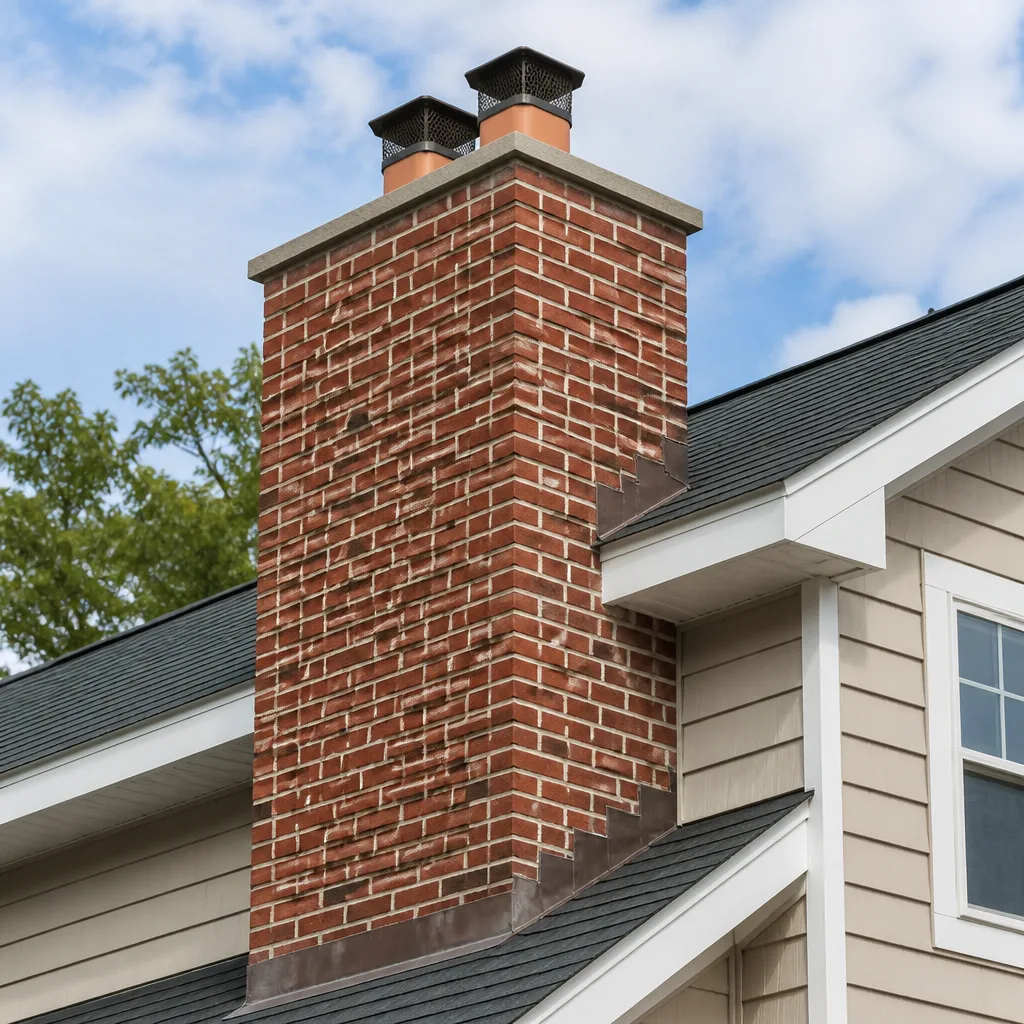 Masonry repair
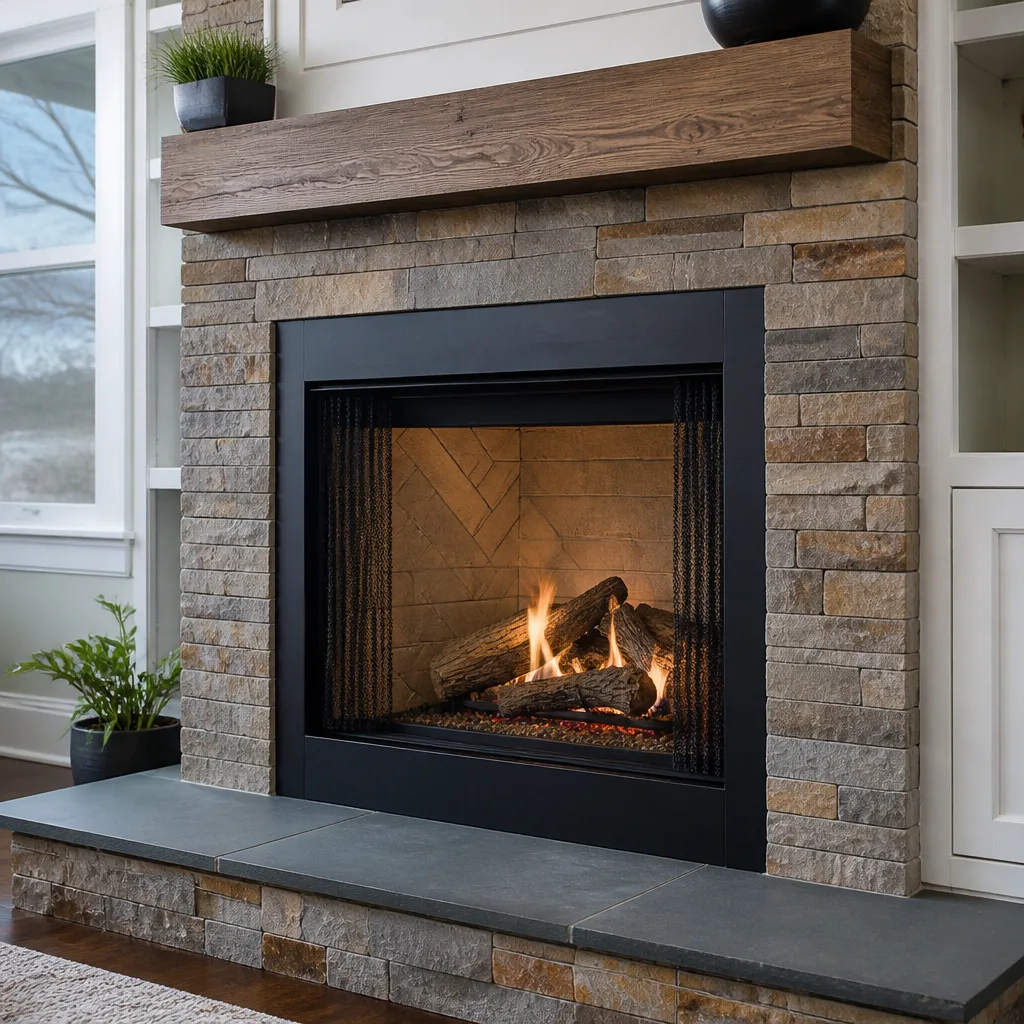 Gas fireplace service
Level 1 sweep and inspection to the NFPA 211 annual standard - flue, crown, cap, and flashing checked and photographed
Chimney sweep logs do not sweep chimneys. They loosen some creosote - which then falls where a brush and vacuum still have to collect it.
Seasonal Chimney Cleaning Care for Lakewood: Year-Round Homeowner’s Guide
Most chimney advice you’ll find online assumes one thing: that “getting the chimney ready” happens once a year, shortly before the first fire. In Lakewood, that assumption leaves three seasons of problems unwatched. Spring here is when freeze-thaw cycling does its hardest work on masonry, cracking mortar and opening paths for water. Summer is dry and hot, and low humidity pulls moisture out of brick in ways that quietly worsen mortar that’s already failing. Fall is when the wood-burning season starts, and winter is when your chimney is actually under load. This guide walks through what each Lakewood season does to your chimney, what to check after it passes, and when it’s time to stop guessing and bring in a professional.
Quick Answer
Chimney care in Lakewood works best on a seasonal rhythm, not an annual one. Check masonry and the crown each spring after freeze-thaw, schedule liner and crown work in summer when the calendar is open, get a sweep and inspection before the first fall fire, and monitor draft, smoke, and odor through winter. A single yearly sweep catches what’s in the flue; a seasonal habit catches the exterior and structural problems a sweep never looks at.
Styles & brands we work with
- Sweep & inspection
- Caps & crowns
- Flue relining
- Masonry repair
- Gas fireplace service
Table of Contents
- Why Chimney Care in Lakewood Follows the Seasons
- Spring: The Freeze-Thaw Audit
- Summer: The Off-Season Repair Window
- Fall: Pre-Season Protocol Before the First Fire
- Winter: Monitoring a Chimney Under Load
- How Lakewood’s Low Humidity Changes Mortar Wear
- Building a Twelve-Month Chimney Calendar
- Common Mistakes to Avoid
- When to Call a Professional
- Frequently Asked Questions
Why Chimney Care in Lakewood Follows the Seasons
Lakewood sits in a climate where the temperature swings hard and often, and that swings are the single biggest physical force acting on a masonry chimney. Water gets into small cracks and pores in brick and mortar, then freezes overnight and expands. The next day it thaws, drains, refreezes. Each cycle widens the crack a little. Over one winter, a hairline joint can become a joint you can see daylight through. A humid-climate guide written for a place with steady damp air and mild winters misses this entirely, because the damage mechanism is different: it’s the freeze-thaw repeats that do the work, not constant moisture.
That’s the argument of this guide. Chimney care in Lakewood is four seasons of care, not one. Here’s what each season is actually good for:
- Spring is the audit. The damage from winter is now visible.
- Summer is the repair window. Dry weather, open calendars, no fires burning.
- Fall is the prep. Sweep, inspect, confirm draft before the first load of wood.
- Winter is the watch. Your chimney is in use; you’re monitoring for change.
Every fireplace and chimney is different, of course, and a house at the edge of the foothills will see different conditions than one on flatter ground in Lakewood. But the seasonal logic holds across the city: pay attention at the right time, and you catch small problems while they’re still small. If you’d rather not build the calendar yourself, the team behind our Oasis Chimney Sweep work can set one up with you; we clean, inspect, and repair under one contractor, so nobody hands you off mid-problem.
Spring: The Freeze-Thaw Audit
Spring in Lakewood isn’t just mild weather. It’s the season when freeze-thaw cycling peaks, mortar joints crack open, and the moisture that entered your chimney crown all winter starts showing up as efflorescence and spalling inside the firebox. This is the season to walk the exterior and look closely, because the evidence is fresh.
Here’s the spring inspection you can do yourself, no tools required beyond your eyes and a flashlight:
- Look at the mortar joints from the ground up. Any joint that’s recessed, crumbly, or looks like sand when you rub it is a joint that has failed. Horizontal cracks and stair-step cracks in the brick are the ones to photograph and get an expert eye on.
- Check the crown at the top of the chimney, the concrete cap that sheds water away from the flue. A cracked crown lets water straight down into the masonry. If you can see cracks from the ground with binoculars, that’s already a problem.
- Look for efflorescence, the white powdery staining on brick. It’s the mineral residue left when water moves through masonry and evaporates. Efflorescence means water is getting in. It’s not cosmetic.
- Step inside and open the firebox. Spalling is when brick face flakes off, and it’s often seen inside the firebox after a hard winter. Loose brick faces near the fire mean the firebox needs professional attention before the next fire.
- Check the interior for water staining. Rusty damper parts, damp smell, or water marks on the firebox walls point to a leak from above.
What you’re doing in spring is catching the compounding. A cracked joint found in April is a repoint. The same joint left through another freeze-thaw winter can become a structural concern. If the spring audit turns up masonry that’s moved, chipped, or clearly water-damaged, that’s the moment for a proper chimney repair, not another season of waiting to see if it gets worse.
Summer: The Off-Season Repair Window
Summer is the best season to schedule chimney work in Lakewood, and not just because the weather is dry. It’s the season when the repair calendar is open and you aren’t competing for appointment windows with every neighbor getting ready for fall. If a liner inspection, a HeatShield application, or a crown repair is on the list, summer is when it gets done without the pre-season crunch.
There’s a second reason summer is the right time for repair work: your chimney isn’t in use. A repair can be done properly, given time to cure, and inspected again before the first fire, rather than rushed in October. Some repairs genuinely need that cured-and-verified window, and HeatShield, the ceramic resurfacing system we use for liner restoration, is one of them.
Here’s what the summer work typically covers:
- Liner inspection with a camera. A camera run through the flue tells you what’s actually going on in there. This is where the decision about restoration vs. relining gets made, on evidence, not on guesswork.
- HeatShield ceramic restoration for a liner that has cracks, gaps, or spalling but doesn’t need full replacement. It resurfaced the existing flue, which for many homes is a repair-first alternative to relining.
- DuraFlex flexible liner systems for a flue that needs full relining, particularly an older chimney with an irregular or offset flue shape. DuraFlex can be formed to fit the flue rather than forcing the flue to fit a standard liner.
- Crown repair or replacement. The crown takes the most direct water and sun. Cracks get sealed or the crown gets rebuilt; either way, summer weather lets the repair set and hold.
- Chase cover, cap, and flashing work, the parts of the exterior that keep water from getting in at all.
The repair we recommend is driven by what the camera shows, not what day it is. We use these brands, DuraFlex, HeatShield, Copperfield, and Olympia Chimney among them, because they’re the right tool for the specific repair, and because they’re the product lines professional chimney contractors nationwide rely on. The summer window lets a repair get done right, rather than fast.
Fall: Pre-Season Protocol Before the First Fire
Fall is the season most people think of as “chimney season,” and for good reason: it’s the last clear window before the wood-burning season starts. The pre-season protocol is specific, and it’s the one part of the year where a professional sweep is not optional.
Here’s the fall sequence, in order:
- Schedule a sweep and inspection before the first fire. The sweep removes creosote and soot. The inspection checks the flue, the firebox, the damper, and the exterior connections. Doing these together is why we run the whole chimney sweep process as one visit. You get the sweep and the inspection in the same appointment, and the findings are fresh when the sweep and inspection finish.
- Establish a creosote baseline. Your sweep will tell you how much creosote was in the flue, and what stage it was. That number becomes the benchmark: next fall, you’ll know whether you’re accumulating faster than annual sweeping can keep up with, which is common for people who burn a lot of wood and burn it cool.
- Check the damper. Open the damper and confirm it moves freely and seals when closed. A damper that sticks open lets heat up the chimney all winter; one that sticks closed sends smoke into the room. Both are fixable, and fall is when you find out.
- Confirm draft by lighting a small test fire and watching how the smoke behaves. A draft that pulls well on a cool fall night is your baseline. If it struggles, you want to know that before you’re relying on the fire in January.
- Look at what’s burning. Seasoned wood burns hotter and cleaner, which means less creosote. Green or damp wood produces more of it. Fall is when you sort your woodpile.
A chimney inspection isn’t optional maintenance. It’s how you know your fire is safe before you light it. In a Lakewood fall, the gap between “it worked last year” and “it works this year” can be one season of unseen freeze-thaw damage, so don’t skip the sweep because the chimney seemed fine last winter. It doesn’t cost less to find out the hard way.
Winter: Monitoring a Chimney Under Load
Winter is when the chimney is actually working, and your job shifts from inspection to monitoring. You’re not doing a sweep in winter (that’s fall’s job); you’re watching for the signs that something has changed and the fire needs to stop until it’s checked.
These are the winter signs to take seriously:
- Smoke rolling back into the room. Some smoky rollout on a cold start is normal; sustained rollout, or rollout mid-fire, is a draft problem that means something is restricting the flue or the firebox. Stop the fire and investigate.
- Draft inconsistency. A fire that used to pull well and suddenly doesn’t is telling you the flue conditions have changed.
- Odor changes. A creosote smell when the fire isn’t burning can point to creosote buildup in the flue; a damp, sooty smell can point to water getting in. Either is worth a look.
- Visible soot or staining on the exterior of the chimney, or new staining inside the firebox. Both can indicate a leak or a draft problem.
- A fire that’s hard to keep burning, or that leaves an unusual amount of smoky residue. That’s often a sign the flue is restricted or the wood is too damp.
Here’s the rule of thumb: if you see smoke where you shouldn’t, or the fire behaves in a way it hasn’t before, stop using the chimney until it’s checked. That’s the safe call every time, and it’s the one we’d want you to make. The risk isn’t only a chimney fire; restricted draft can also let carbon monoxide back into the room. That’s a real hazard, and it’s a reason to treat changes in draft as a stop-and-check, not a shrug.
The rest of winter is easier: keep the firebox clear, don’t burn junk, and let the fire do its job while you watch for the signs above. If something changes, call us and we’ll book a visit. We answer 24/7, and fast dispatch from 7am to 7pm Sunday through Friday gets you on the calendar quickly.
How Lakewood’s Low Humidity Changes Mortar Wear
Lakewood is dry, and dry changes the wear pattern on masonry in a way the humid-climate guides don’t cover. In a humid climate, moisture sits in the brick and works on it continuously. Here, the pattern is more of a cycle: water gets in, the dry air pulls it back out, and the movement of that water in and out of the masonry puts repeated stress on the mortar. Over a few seasons, that cycle can leave mortar joints chalky, recessed, and less able to hold the brick in place.
Low humidity also makes efflorescence easier to see, and easier to misread. The white staining that shows up on a Lakewood chimney after a wet spring is a sign that water has moved through the brick. It doesn’t mean the chimney is ruined, but it’s a signal that the crown and the joints need a look before the next freeze-thaw winter.
There’s a practical takeaway here: don’t judge a Lakewood chimney by the same standards as a chimney in a wetter climate. A crack that looks small in July can be a bigger problem in April, and the watering pattern in spring is the season that shows you. When we’re looking at a Lakewood chimney, we’re looking for evidence of water moving in and out of the masonry, not for the kind of chronic dampness a coastal guide would emphasize. We use HeatShield, the professional-grade ceramic resurfacing system, for liner restoration, and a proper ceramic layer is one of the ways to give a worn flue a fresh surface that can handle the cycle better than a compromised clay liner.
Building a Twelve-Month Chimney Calendar
Here’s the whole year, condensed into a calendar you can actually use. Each entry is a season, a task, and a reason:
- March-May (Spring audit): Walk the exterior, check the crown, look for efflorescence and spalling, and photograph any fresh cracks. Schedule a professional inspection if the audit turns up anything structural. This is the freeze-thaw season, so this is the season that shows winter’s damage.
- June-August (Summer repair window): Get the liner camera inspection done. If HeatShield restoration or DuraFlex relining is needed, this is when it should happen. Repair the crown, pull the chase cover and cap if needed, and give everything a season to be tested before the fire starts.
- September-November (Fall prep): Sweep and inspect, establish a creosote baseline, check the damper, and do a draft test fire. Sort the woodpile. This is the season most people remember; it’s the one season this guide doesn’t want you to rely on alone.
- December-February (Winter watch): Monitor draft, smoke, odor, and fire behavior. Stop using the chimney if anything changes. Book a mid-season inspection if something seems off, and call if you’re not sure.
If you only remember one thing from this guide, remember this: Lakewood’s seasons do different things to a chimney, and a spring check plus a fall sweep plus a summer repair window is a different (and safer) practice than one annual sweep. The Lakewood climate is a hard test for a masonry chimney, and a calendar that treats every season the same is a calendar that leaves the spring damage for the winter to find.
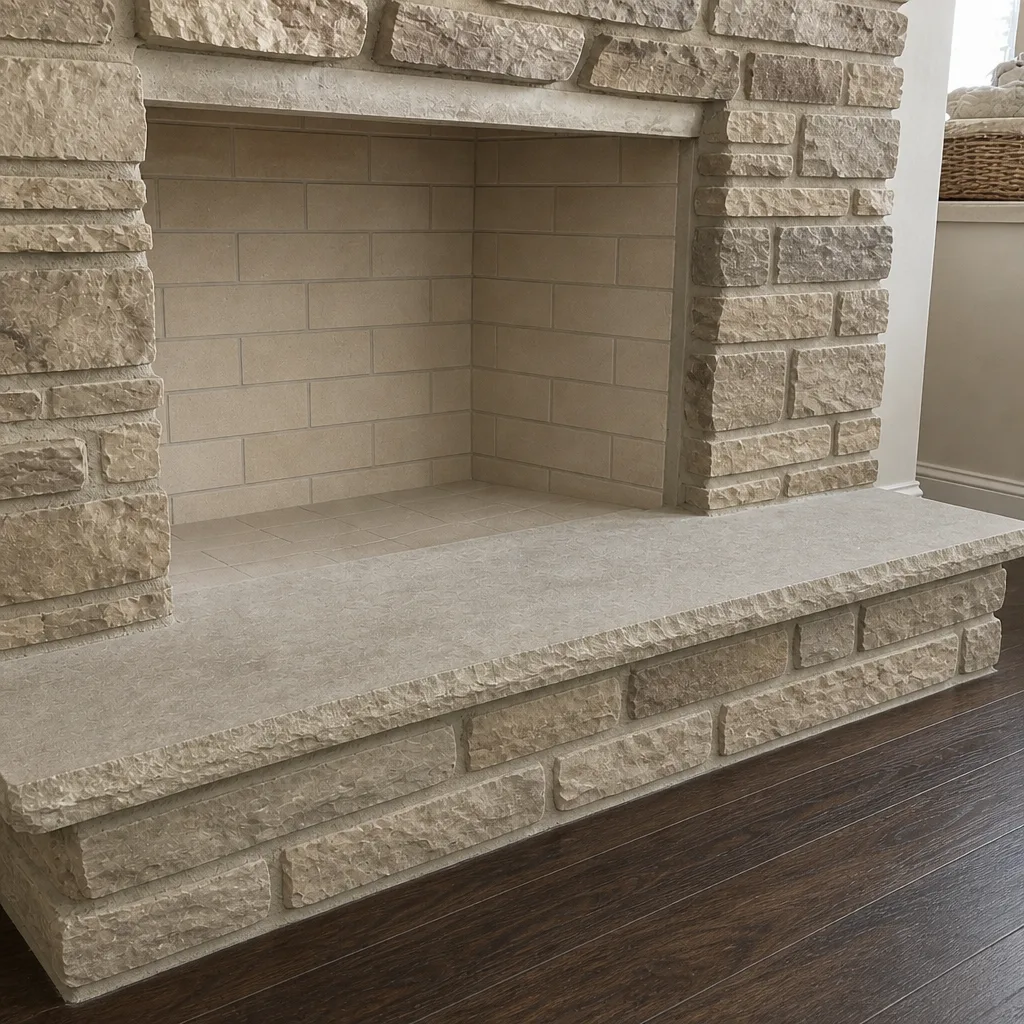
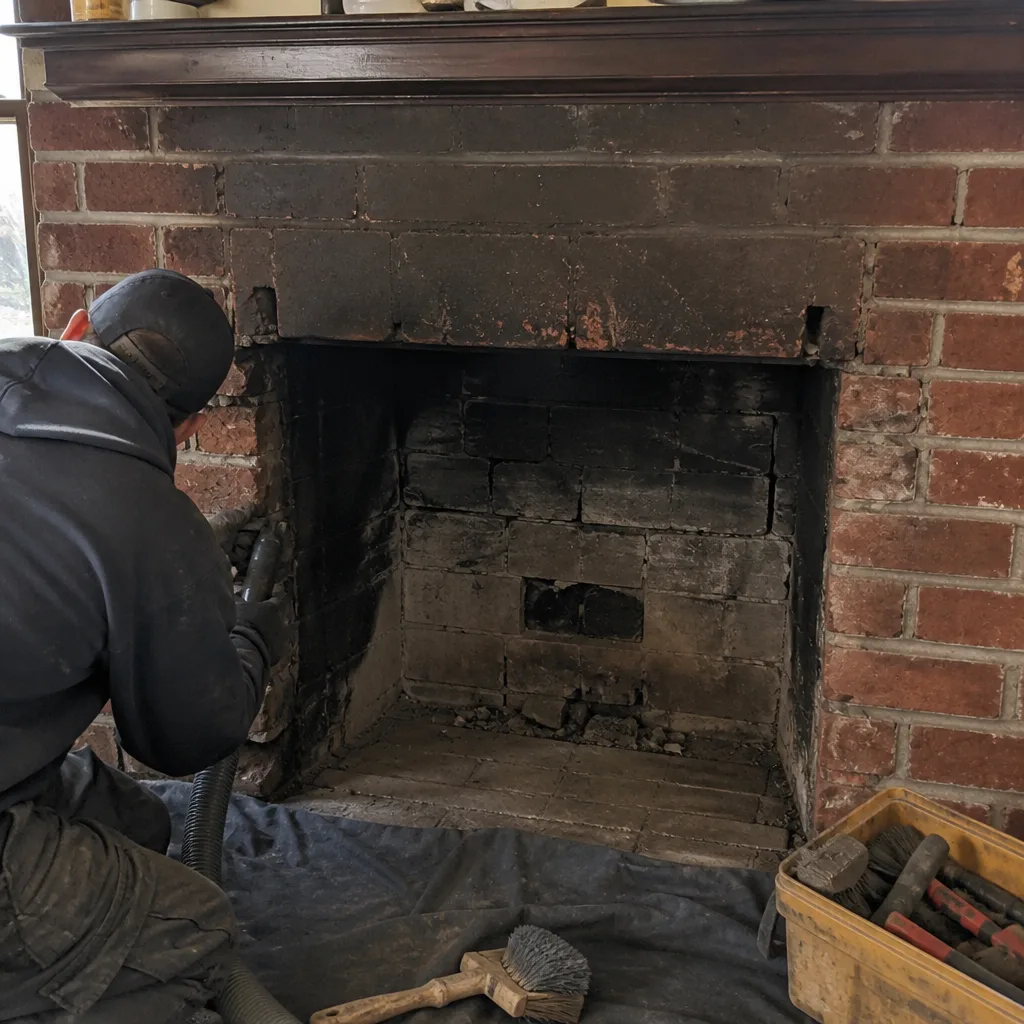
See the difference
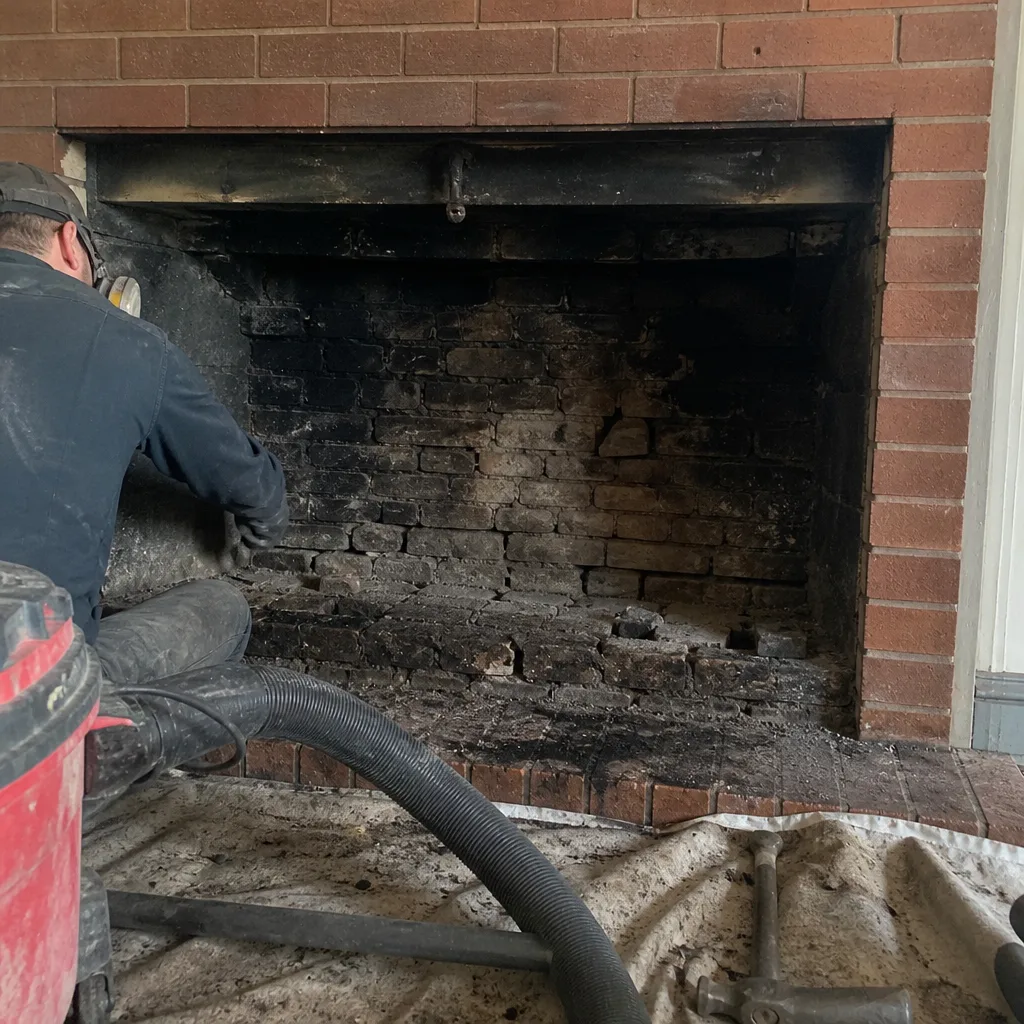 Before
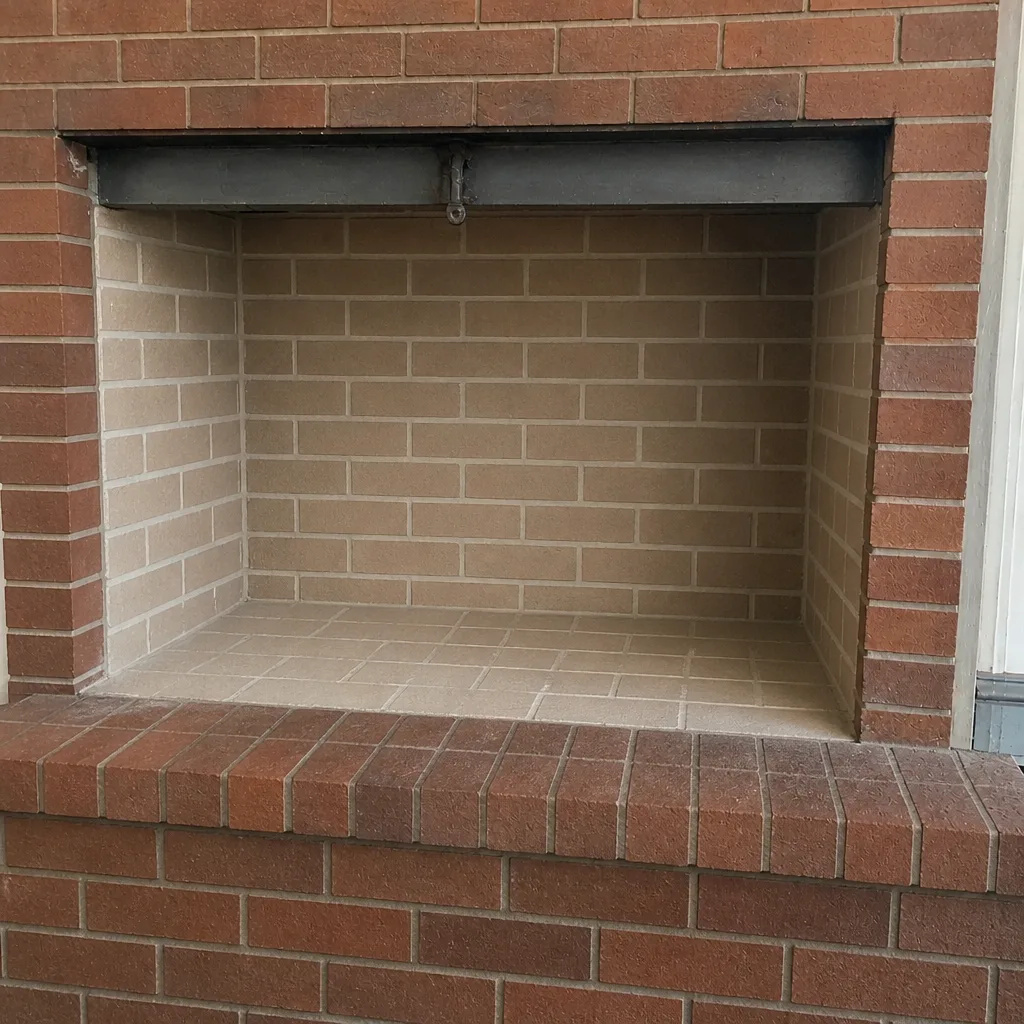 After
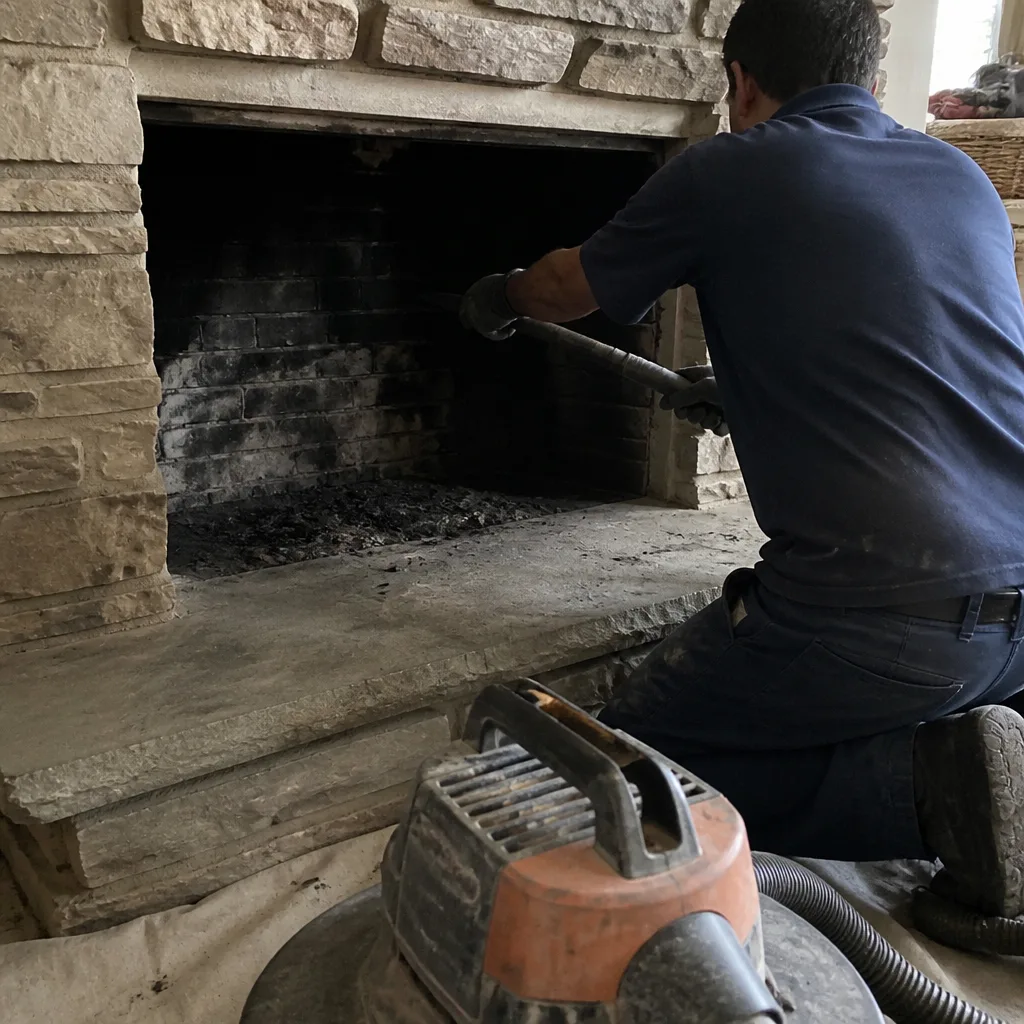 Before
 After
 Before
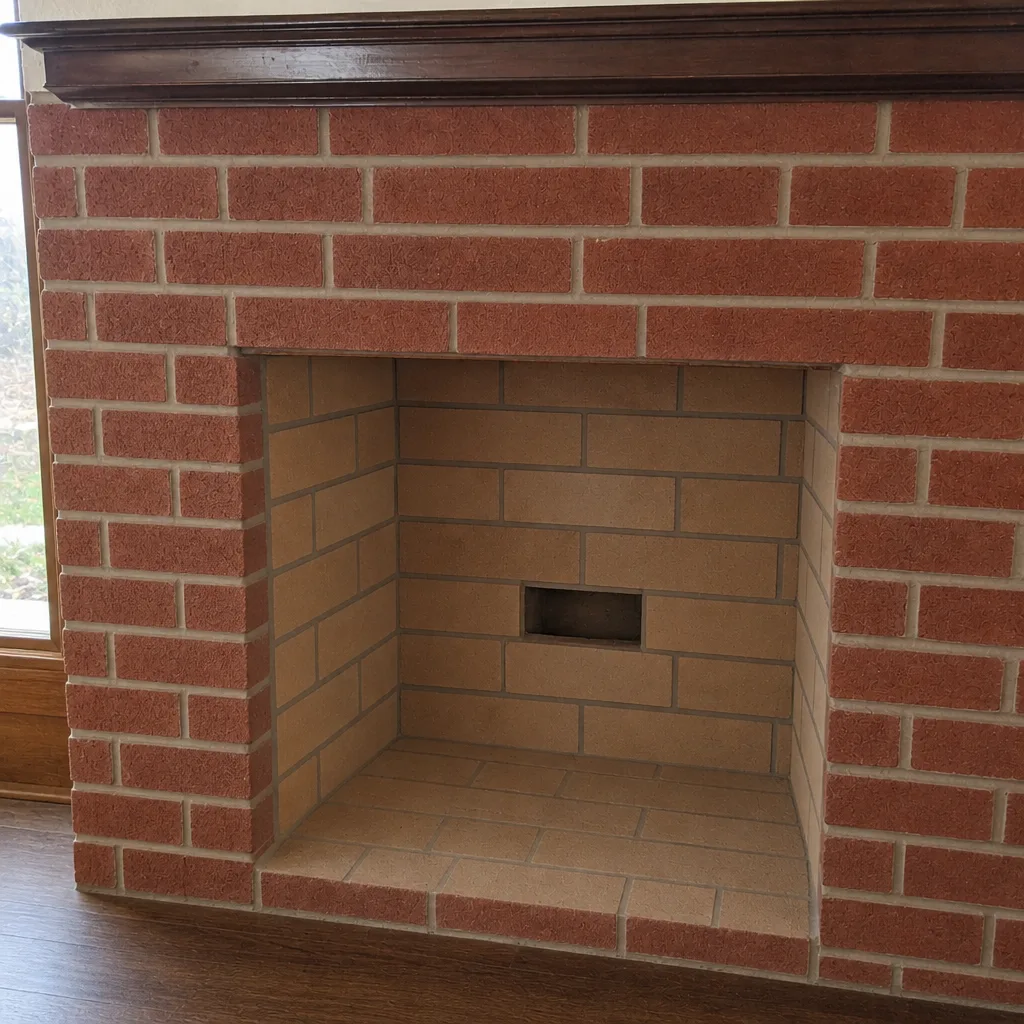 After
Common Mistakes to Avoid
- Treating chimney care as one annual event. A yearly sweep only solves the flue. The masonry, crown, and exterior need attention at the season when damage shows up, and for Lakewood that’s spring.
- Skipping the camera inspection because the sweep came back clean. A sweep shows the flue is clear; it doesn’t show the liner condition. The camera does that, and it’s the only way to know whether HeatShield restoration or relining is needed. A clean sweep and a healthy liner are two different pieces of information.
- Assuming “it worked last winter” is the same as “it’s fine.” One Lakewood freeze-thaw season can crack a mortar joint that was intact last year. Spring is when you find out, not when the fire won’t start.
- Using a generic product instead of a proper liner system. A chimney liner is not the place for whatever’s cheapest. The brands we use, including DuraFlex, Copperfield, and Olympia Chimney, are the ones built for the job. Cheaper is not the same as right.
- Patching a crown instead of repairing it properly. A cracked crown is a water entry point, and a patch that fails next spring sends water back into the masonry. Crown repair is a real repair, and it’s best done when the weather is dry enough for it to set.
- Ignoring efflorescence. The white staining isn’t cosmetic. It’s evidence of water moving through the brick, and evidence that the crown or joints need attention.
- Lighting the fire after a winter of weird draft, “to see if it’s better now.” The fire doesn’t diagnose a draft problem; the monitoring in winter does, and a restricted or compromised flue deserves a proper look before the next fire.
When to Call a Professional
Some chimney work you can do yourself: the spring visual audit, the fall draft test, and winter monitoring. Some of it is genuinely dangerous and should always be done by a trained professional. High-tension garage-door springs and cables, electrical panels and wiring, gas lines, and steep-roof or height work all belong on the “call a professional” side of the line, and so does work on a chimney flue that’s under heat. A chimney flue is not the place to experiment, and neither is the roof. When a task involves the flue, the firebox, the crown at height, or anything under load, call. If the spring audit finds cracked or moved masonry, if the fall inspection finds creosote or a damper problem, or if the winter watch turns up smoke or draft changes, a professional visit is the right call. Oasis Chimney Sweep offers free estimates in Lakewood, call (888) 320-6023. We answer 24/7, and fast dispatch from 7am to 7pm.
Frequently Asked Questions
A Lakewood chimney should be swept once a year before the fall fire season, and inspected at the same time. If you burn a lot of wood, or burn less-seasoned wood, the sweep may recommend more frequent visits because creosote accumulates faster. The fall sweep establishes a baseline, and next fall’s sweep tells you whether that baseline is holding. Call (888) 320-6023 for an exact quote; estimates are free.
If you skip a year, the flue accumulates creosote and the exterior keeps taking winter damage, and neither shows up on its own. A skipped fall sweep is the obvious one, but the spring masonry damage is the one that compounds quietly: a crack that would have been a repoint becomes a bigger repair. It may not hurt you this year, and that’s exactly the problem. Call (888) 320-6023 for an exact quote; estimates are free.
You need a new liner if the camera inspection shows a clay liner that’s cracked, spalled, or has gaps that make it unsafe to use, and you don’t. HeatShield ceramic restoration is the repair-first option for a liner that’s worn but not failed, and DuraFlex relining is the right answer when the flue genuinely needs replacement, particularly on an older chimney with an irregular shape. The decision comes down to what the camera sees, and you get to see the footage. Call (888) 320-6023 for an exact quote; estimates are free.
Yes, summer is the right time for chimney repair in Lakewood. The repair window is wide open, the chimney isn’t in use, and repairs like HeatShield restoration can cure and be verified before the first fire. The alternative is competing for a fall appointment window at the same time as everyone else. Call (888) 320-6023 for an exact quote; estimates are free.
A sweep cleans the flue and removes creosote; an inspection diagnoses the condition of the whole system, including the liner, firebox, damper, crown, and exterior. The two are usually done in the same visit, and both are worth doing. A clean flue tells you it’s clean; an inspection tells you it’s safe. Call (888) 320-6023 for an exact quote; estimates are free.
Yes, stop using the fireplace if you smell creosote or see smoke where you shouldn’t, and get it checked before the next fire. A sustained creosote smell can point to buildup in the flue, and smoke rollout can point to a draft restriction. Neither is something to test with another fire. We answer 24/7, and a call outside dispatch hours is booked into the next opening, Sunday through Friday, 7am to 7pm.
The Bottom Line
Lakewood’s four seasons each do a specific kind of work to a chimney, and the care that keeps a chimney safe is seasonal care. Spring is the freeze-thaw audit, summer is the repair window, fall is the sweep and inspection, and winter is the watch. The one-season approach the standard advice describes is a good start, and it’s only part of the year’s work. If you take nothing else from this guide, take the calendar: check the masonry in spring, schedule the repair in summer, sweep before the first fire, and stop the fire the moment the draft or smoke changes. If you want a second set of eyes on the whole year, we can help.
Call (888) 320-6023 for a free estimate. We answer 24/7, and fast dispatch from 7am to 7pm Sunday through Friday. Oasis Chimney Sweep handles the sweep, the inspection, and the repair under one contractor, no referrals and no gaps in accountability, and your fireplace should be the safest room in the house. We make sure it is.
Written by the team at Oasis Chimney Sweep.