
Last updated November 15, 2026
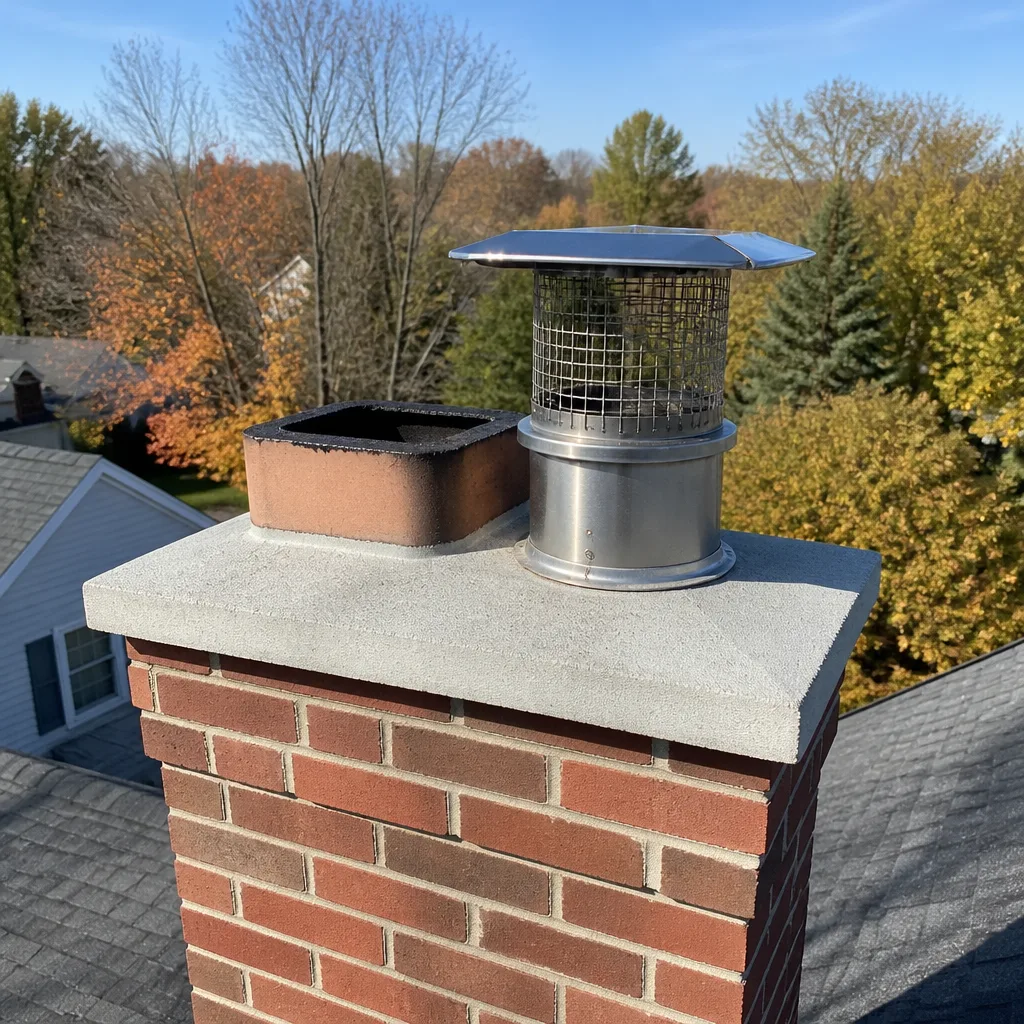 Sweep & inspection
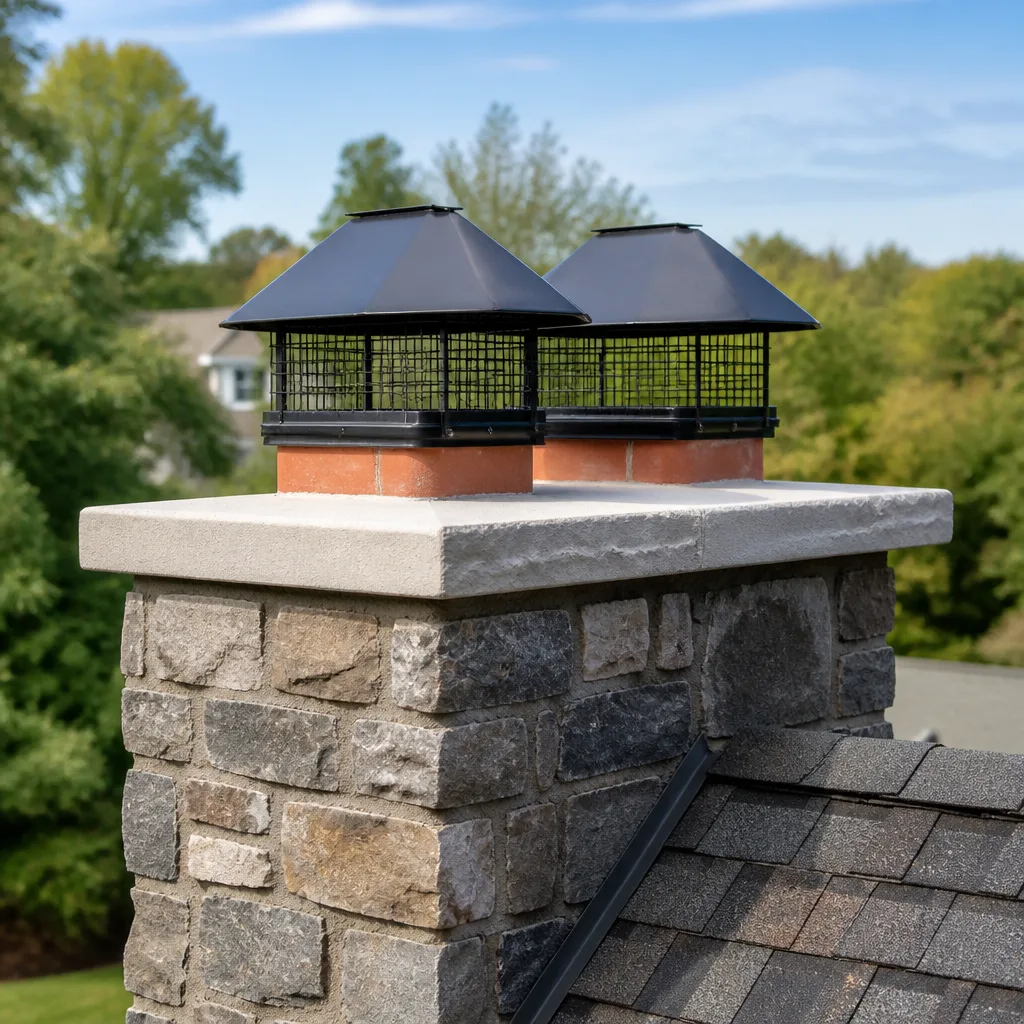 Caps & crowns
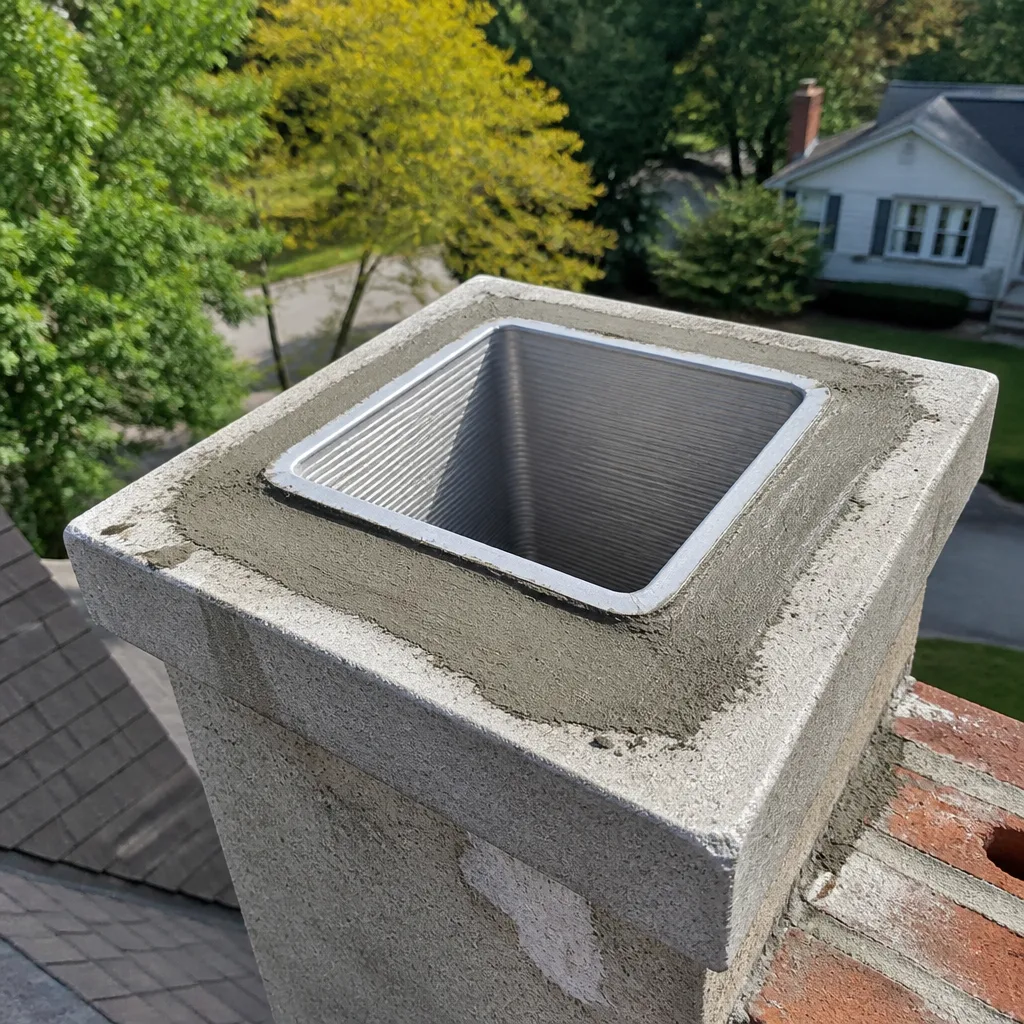 Flue relining
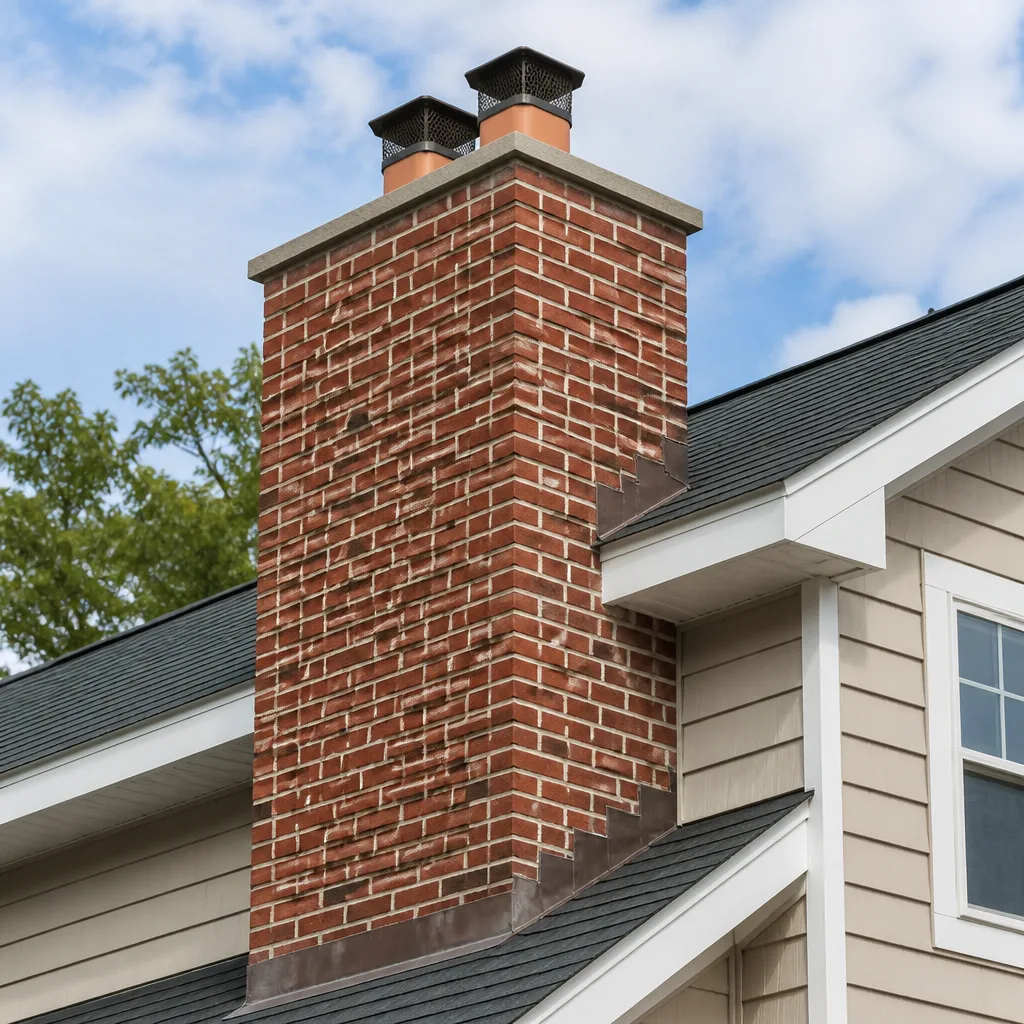 Masonry repair
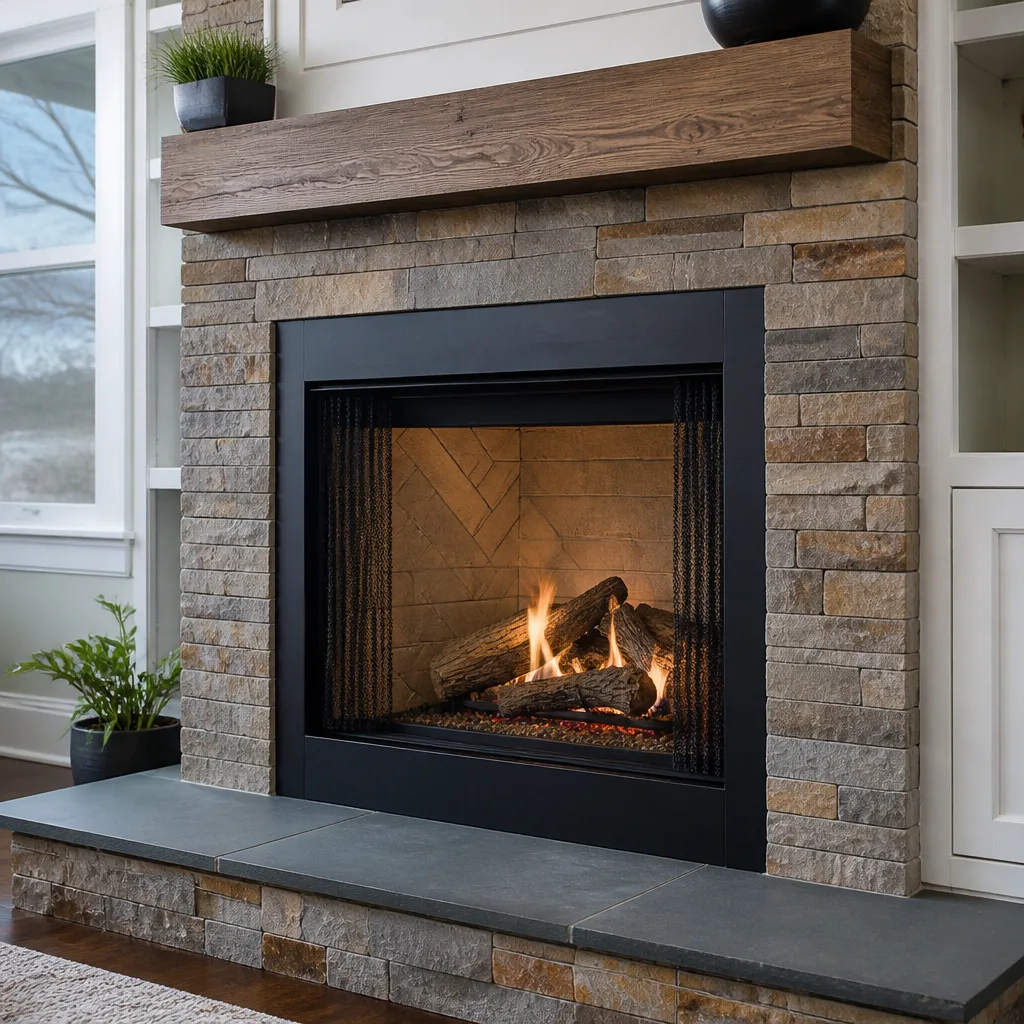 Gas fireplace service
Level 1 sweep and inspection to the NFPA 211 annual standard - flue, crown, cap, and flashing checked and photographed
Chimney sweep logs do not sweep chimneys. They loosen some creosote - which then falls where a brush and vacuum still have to collect it.
Chimney Cleaning Cost Breakdown: The Lakewood Homeowner’s Reference for 2026
The $89 chimney cleaning special and the $275 chimney cleaning appointment can both be fair prices for entirely different scopes of work. That’s the part most pricing guides leave out. In Lakewood, “chimney cleaning” gets used to describe anything from a 45-minute brush pass to a full diagnostic inspection with a written report and photo documentation, and homeowners comparing quotes side by side are usually comparing two different jobs without knowing it. This guide breaks down exactly what each dollar pays for, where repair costs come from, and how to build a maintenance budget that keeps your fireplace safe without surprise expenses.
Quick Answer
A standard chimney sweep in Lakewood typically runs $150 to $275, and that price reflects a brush cleaning of the flue, a visual check of accessible components, and a debris cleanup. When an inspection is bundled in, pricing moves to roughly $200 to $400 depending on whether it’s a Level 1 visual inspection or a Level 2 camera inspection. Repair findings discovered during either service are quoted separately, and the written estimate sets the final price for that work.
Styles & brands we work with
- Sweep & inspection
- Caps & crowns
- Flue relining
- Masonry repair
- Gas fireplace service
Table of Contents
- What’s actually included in a chimney cleaning?
- Cleaning versus inspection: where the price gap comes from
- What repair work costs when cleaning uncovers a problem
- Why the lowest quote is often a scope reduction
- Cost factors specific to Lakewood homes
- How to structure an annual chimney budget
- How to choose a chimney sweep in Lakewood
What’s Actually Included in a Chimney Cleaning?
A standard chimney cleaning covers the flue, the firebox, the smoke chamber, and the damper area, and it ends with a visual check of what the technician can reach and see. That’s the baseline. Everything above that baseline is an add-on, and knowing which add-ons you’re paying for is how you make two quotes comparable.
Here’s what a standard cleaning typically includes, line by line:
- Flue brushing: Rotary or hand brushing of the flue to remove creosote, soot, and any nesting debris. This is the core of the service and where most of the time is spent.
- Firebox and smoke chamber cleaning: Removal of ash and soot from the firebox floor and the sloped smoke chamber above it.
- Damper check: Confirming the damper opens, closes, and seals. A damper that sticks open is a heat-loss and smoke problem.
- Cap and crown visual check: A look at the chimney cap and crown from the roof or from ground level with optics, depending on access.
- Debris cleanup: Drop cloths, a shop vacuum, and removal of everything swept out.
- Basic condition report: A verbal summary of anything the technician noticed.
What a bare-bones cleaning often leaves out: a documented report, photos, camera inspection of the flue interior, and a written record you can keep. Those omissions are exactly what separates a $150 sweep from a $275 appointment, and they matter when you need to prove the condition of your chimney later. For a closer look at the service itself, see our chimney sweep page.
Cleaning Versus Inspection: Where the Price Gap Comes From
Cleaning removes what’s in the flue. An inspection tells you what condition the flue is in. They’re two different services that get bundled and priced together, and the bundle is where most Lakewood homeowners lose track of what they’re buying.
There are three inspection levels, and each carries a different price because each involves a different amount of work:
- Level 1 (visual inspection): A check of all readily accessible components with the tools normally used during a cleaning. This is appropriate when your chimney has no known problems, hasn’t changed, and you’re on a routine schedule. It’s usually included with a cleaning or added for a modest amount.
- Level 2 (camera inspection): A video scan of the flue interior using a chimney camera, plus a look at accessible portions of the attic, crawlspace, and other concealed areas. This is the right call after a chimney fire, after a change in fuel type or appliance, after an earthquake or major storm, or when you’re buying a home. It’s the level that catches cracked flue tiles and gaps in liner joints that a visual check can’t see.
- Level 3 (diagnostic inspection): The most involved level, used when a Level 2 finds a problem that requires opening up concealed areas to assess. This is uncommon but can be necessary when there’s evidence of a hidden hazard.
In our experience, the biggest source of confusion in Lakewood pricing calls is a homeowner who got a “chimney cleaning” quote that was really a Level 1 inspection with a light brushing, then compared it to a quote for a cleaning plus a Level 2 camera scan. Those aren’t the same job. Ask each contractor to state plainly whether a camera inspection is included, whether a written report is included, and whether photos are documented. When those three answers match, the prices become comparable.
What Repair Work Costs When Cleaning Uncovers a Problem
Repairs found during cleaning are quoted separately, and the estimate for that work is what sets the final price. The ranges below are typical for the Lakewood market when a sweep finds a problem that needs attention. The chimney repair page covers the full scope of what we handle.
- HeatShield smoke chamber resurfacing: Typically $700 to $1,800, depending on the size of the smoke chamber and the condition of the existing surfaces. HeatShield is a ceramic resurfacing system that repairs cracked or rough smoke chamber walls instead of rebuilding them, and it’s the repair-first alternative to a full reline when the flue tiles themselves are sound.
- DuraFlex liner installation: Typically $2,200 to $5,500, depending on flue height, flue shape, and whether the existing liner needs to be removed first. DuraFlex flexible liner systems are specified for older or irregular flue shapes where a rigid liner won’t fit. This is the right tool when the flue needs a new interior surface rather than a resurfacing.
- Crown rebuild: Typically $600 to $1,500. The crown is the concrete cap at the top of the chimney that sheds water away from the masonry. A cracked crown lets water into the chimney structure, and the damage compounds from there.
- Chimney cap replacement: Typically $250 to $650, depending on the cap and the flue configuration. A missing or damaged cap lets rain, animals, and debris into the flue.
- Masonry repointing: Typically $500 to $2,500 for spot repointing, more for extensive work. Loose or crumbling mortar joints let water in and weaken the structure.
- Damper replacement: Typically $350 to $900. A failed damper wastes heat and lets smoke into the room.
We work with professional-grade product lines including DuraFlex, HeatShield, Gelco, and Olympia Chimney because the material choice matters as much as the labor. A liner installed with the wrong product for the flue’s shape and the appliance’s needs is a problem waiting to happen, and we’d rather specify the right system the first time than patch a shortcut later.
Why the Lowest Quote Is Often a Scope Reduction
The lowest quote is frequently the same job with parts of it removed. Not always, but often enough that it’s worth knowing what to look for. When one estimate comes in well under the others, the question to ask is what was taken out to get there.
Common scope reductions to watch for:
- No camera inspection. A cleaning without any interior look at the flue catches surface creosote but misses cracked tiles and liner gaps. That’s a real service, but it’s a different service.
- No written report. If nothing is documented, you have no record of your chimney’s condition for insurance, resale, or your own future reference.
- No photo documentation. Photos are how you see what the technician saw. Without them, “your liner needs replacing” is a claim you have to take on faith.
- Cap and crown check dropped. These are the components most exposed to weather and most often the source of water damage. A cleaning that skips them is a cleaning, not a checkup.
- No debris cleanup or drop cloths. This one is minor on its own but signals how the rest of the job may have been trimmed.
- A “cleaning” that’s really a light brushing. A quick pass over the firebox without a full flue sweep doesn’t remove the creosote that matters.
The way to catch this is simple: read the scope list, not the total. If two quotes differ by $100 but one includes a camera inspection and the other doesn’t, they’re not competing on price. They’re offering different work. At Oasis, we specify the scope in writing before the job, and the written estimate sets the final price. That’s how a homeowner can tell what they’re buying before the appointment starts.
Cost Factors Specific to Lakewood Homes
Lakewood’s housing stock and geography affect what a chimney job actually involves. These are the factors that move a price up or down, and they’re worth understanding before you compare quotes.
Multi-story homes and steep rooflines. Many Lakewood homes sit on multi-level footprints, which means chimney access happens from a ladder and a roof at height. Roof pitch matters too. A steep roof requires more careful setup and sometimes additional safety rigging, which adds labor time. This isn’t upselling. It’s the difference between a job that can be done safely and one that can’t.
Older masonry construction. Lakewood has a significant inventory of mid-century and older masonry chimneys. Older clay tile flues, original mortar joints, and hand-built smoke chambers all require more careful tooling and more attention during cleaning. A flue tile that’s already cracked won’t tolerate aggressive brushing, and a smoke chamber with rough parging needs to be assessed, not just swept. We use HeatShield in these situations because the ceramic resurfacing repairs the surface rather than tearing it out.
Irregular flue shapes. Some older Lakewood flues aren’t perfectly square or round. When a flue needs a new lining and the shape is irregular, DuraFlex flexible liner systems are the right fit because they follow the flue’s actual contours. Rigid liners can’t do that, which is why the material choice is tied to the house, not to a standard package.
Seasonal usage patterns. Lakewood’s cold months mean heavy fireplace use, and the creosote accumulation that comes with it. The spring and fall shoulder seasons are the natural times to schedule a sweep, and booking before the first cold snap means the appointment isn’t competing with everyone else’s.
Altitude and drying conditions. At Lakewood’s elevation, firewood dries differently than it would at sea level, and burning wood that isn’t fully seasoned produces more creosote. That’s a maintenance factor, not a pricing factor, but it’s why an annual inspection matters more in a high-altitude climate than a coastal one.
For a broader look at the area we serve, see our Lakewood page.
How to Structure an Annual Chimney Budget
An annual maintenance budget is how you keep repair costs from arriving as emergencies. The goal isn’t to spend more. It’s to spend on a schedule instead of on a surprise. Here’s a structure that works for a typical Lakewood homeowner with one regularly used fireplace:
- Set an annual baseline for cleaning and inspection. Budget for one cleaning and at least a Level 1 inspection each year. If your fireplace sees heavy use or you’ve had a chimney fire, plan on a Level 2 camera inspection instead. This is the predictable cost.
- Keep a repair reserve. Set aside an amount each year that covers a mid-range repair, so that when a crown or cap needs attention, it’s a planned expense rather than a scramble. The reserve rolls over if you don’t use it.
- Address small findings early. A cracked crown or a loose cap is inexpensive to fix and expensive to ignore. Water damage to masonry compounds over time, and a small repair this year prevents a large one in three. When a finding can safely wait, we say so.
- Plan for the big-ticket items separately. A liner replacement or a major masonry repair is a larger expense. If the inspection shows one is coming, get the estimate in writing and plan for it on a timeline rather than treating it as an emergency.
- Keep your records together. Store each written report and set of photos. A documented history of your chimney’s condition is useful when you sell the home and when you need to show an insurer the chimney has been maintained.
The reason this matters in Lakewood specifically is that the older masonry stock has more existing wear. A chimney that’s been maintained has predictable costs. A chimney that’s been skipped for several years tends to bundle several findings into one appointment, which is when the bill feels large. The maintenance budget is how you avoid that bundling.
How to Choose a Chimney Sweep in Lakewood
Choosing a sweep is mostly about scope clarity and material knowledge. The right contractor tells you exactly what’s included, documents what they find, and can explain why a particular repair product is right for your flue. Here’s what to check:
- Ask what’s in the cleaning. A clear scope list, in writing, before the appointment. If the answer is vague, that’s the answer.
- Ask whether a camera inspection is available. Not every cleaning needs a Level 2, but the contractor should be able to offer one and explain when it’s warranted.
- Ask for a written report and photos. You should be able to see what the technician saw. “Your liner needs replacing” without documentation is a claim, not a diagnosis.
- Ask what products they use for repairs. A contractor who can name the liner system and the resurfacing product and explain why it fits your flue is working from knowledge, not from a standard package.
- Ask about licensing and insurance. The contractor should be able to confirm both.
- Confirm the estimate is free and the price is set in writing. Nothing should be added to the bill that wasn’t in the written estimate.
Oasis Chimney Sweep handles the sweep, the inspection, and the repair as a single contractor, so there’s no handoff mid-problem and no gap in accountability. Our technicians have up to 14 years of experience, and we work with professional-grade product lines including DuraFlex, HeatShield, Gelco, and Olympia Chimney.
Common Mistakes to Avoid
- Comparing a cleaning quote to a cleaning-plus-inspection quote. These are different jobs. Make sure both quotes list the same scope before you compare the totals.
- Choosing on price alone. The lowest number is often the same job with the inspection, the report, or the cap check removed. Read the scope list, not just the total.
- Skipping the annual inspection because the fireplace “seems fine.” A chimney can have a cracked flue tile or a liner gap with no visible sign from the firebox. The inspection is how you know before you light the fire, not after.
- Ignoring a cracked crown because it’s “just cosmetic.” The crown is what sheds water away from the masonry. A crack lets water in, and water damage to masonry gets worse every season it’s left alone.
- Burning unseasoned wood to save on fuel. Wet wood produces more creosote, which means more frequent cleanings and a higher risk of a chimney fire. The savings on wood don’t offset the maintenance cost.
- Letting several findings stack up into one appointment. Small repairs are cheaper when they’re addressed early. A maintenance budget keeps them from arriving together.
- Assuming a repair is needed without seeing the evidence. Ask for the camera footage or the photos. A contractor who documents findings will show them; one who doesn’t may be selling work you can’t verify.
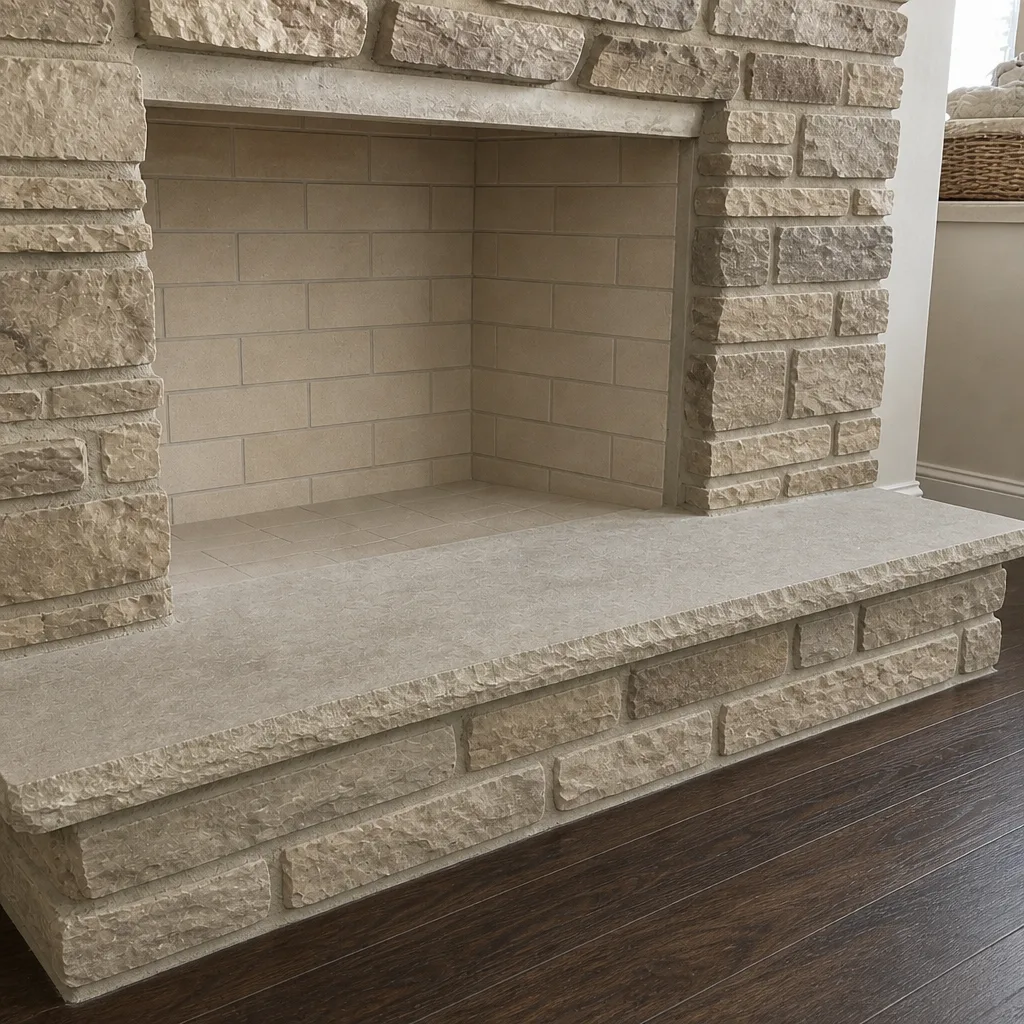
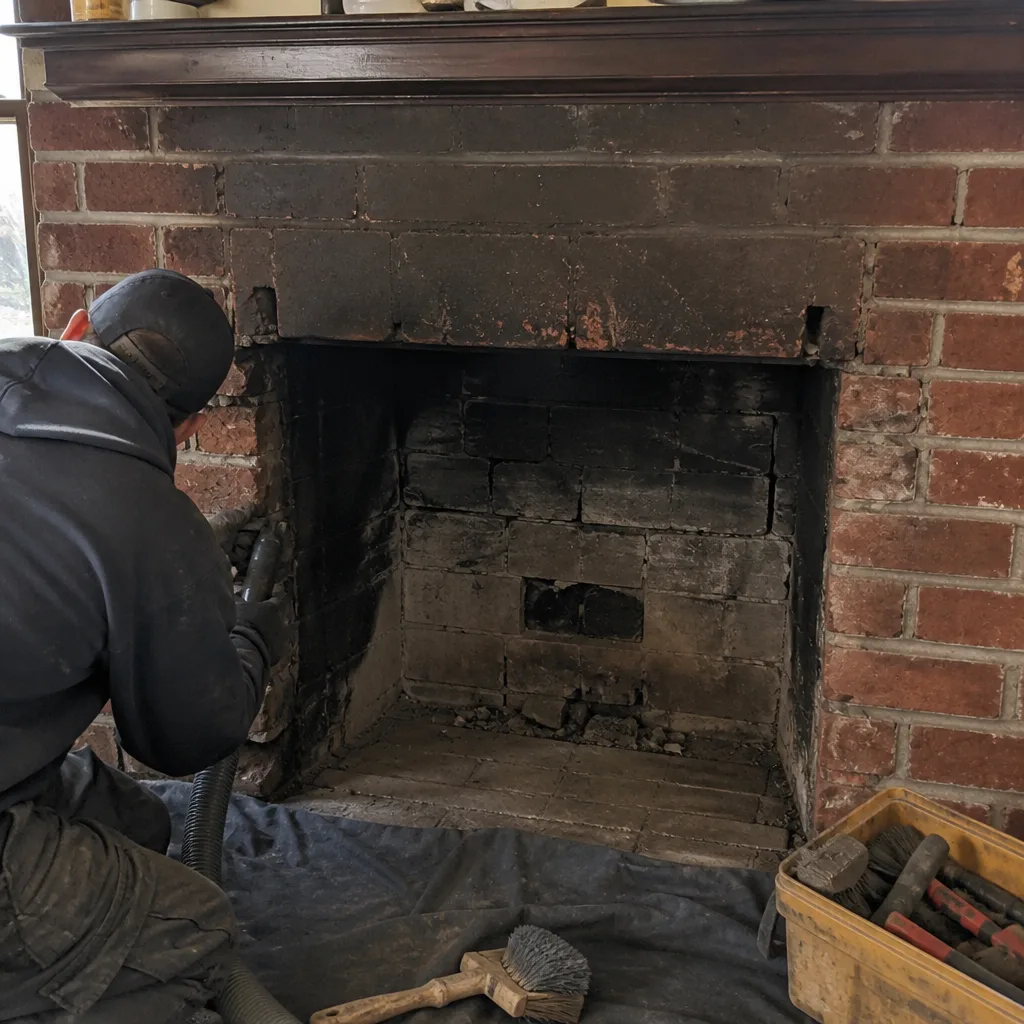
See the difference
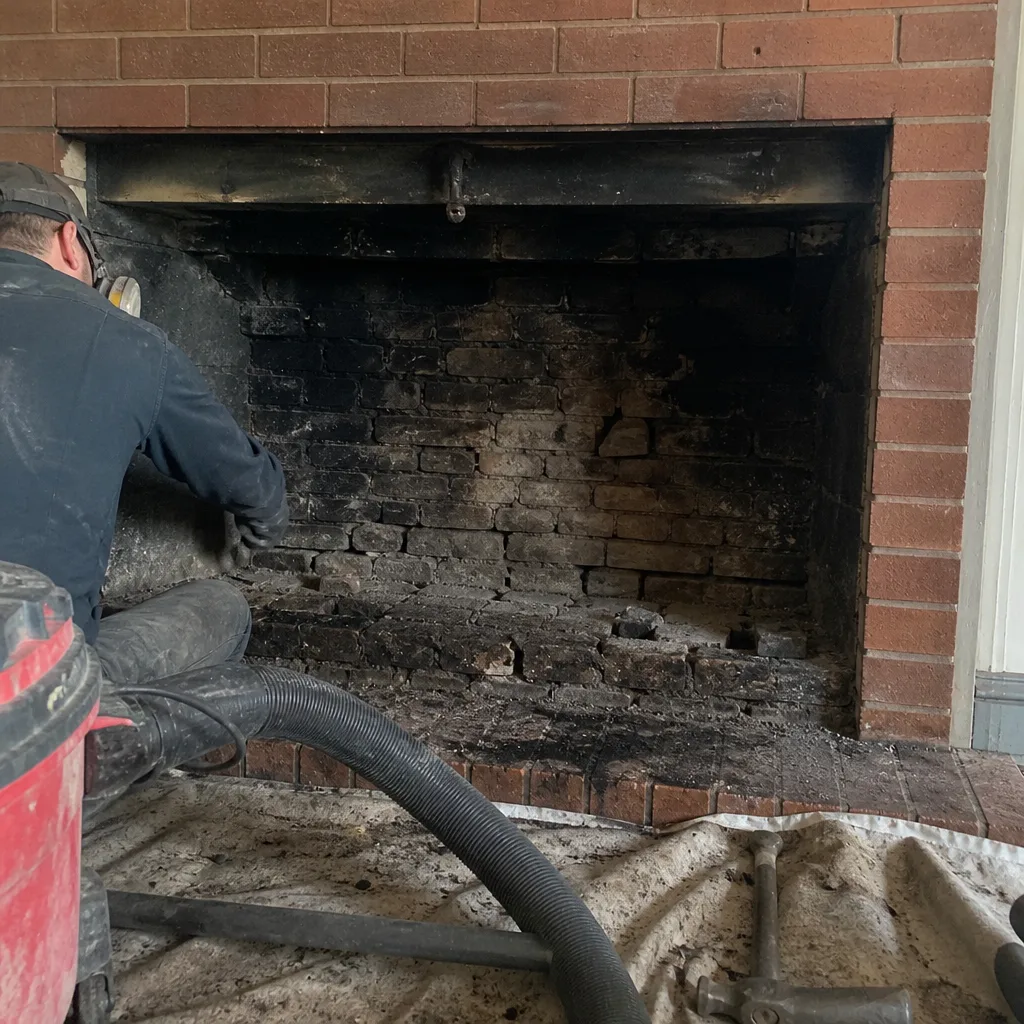 Before
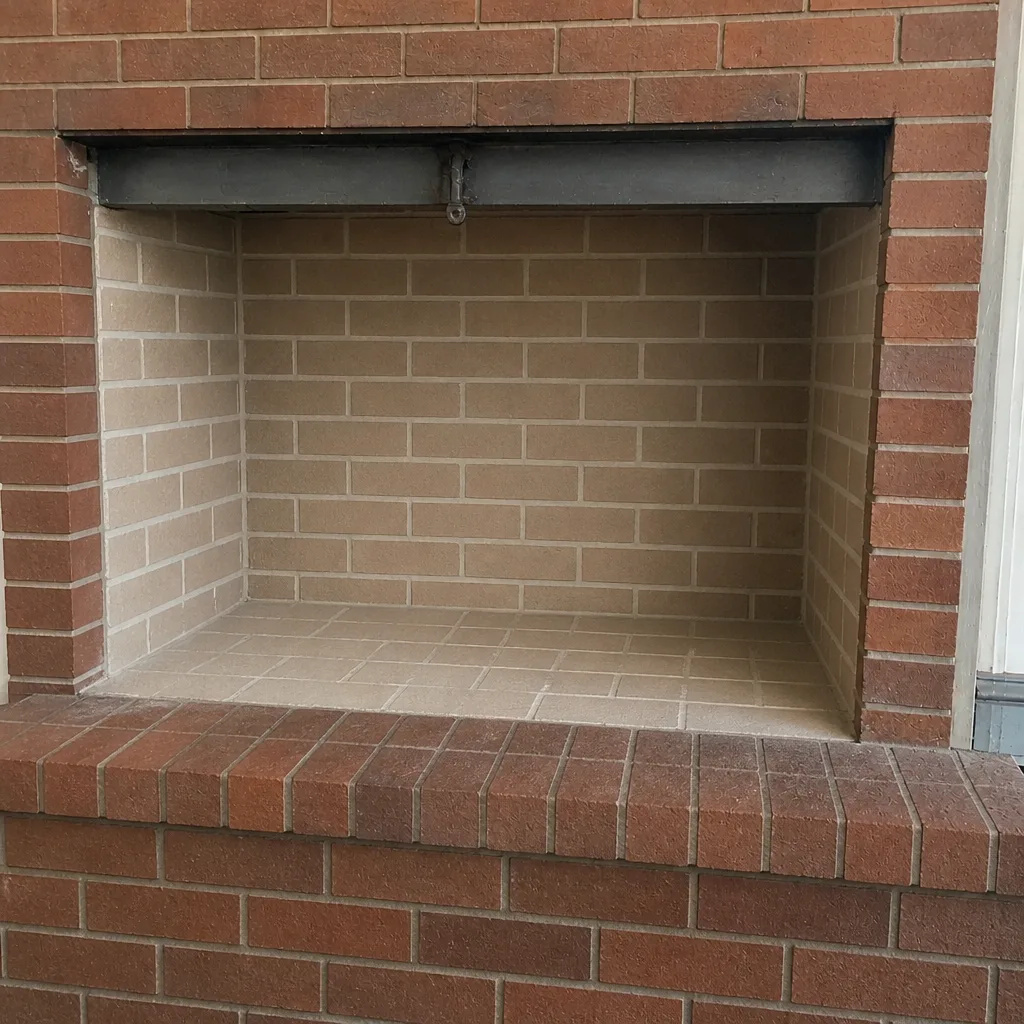 After
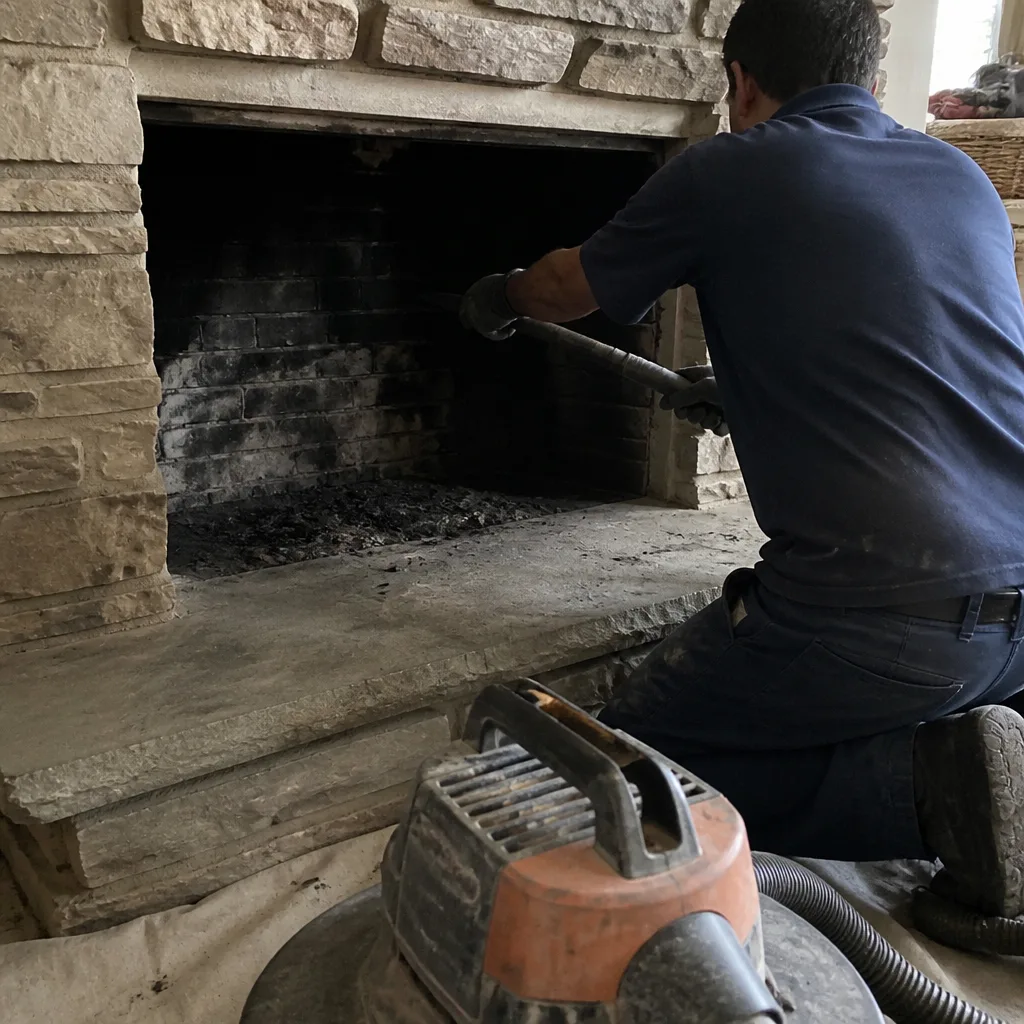 Before
 After
 Before
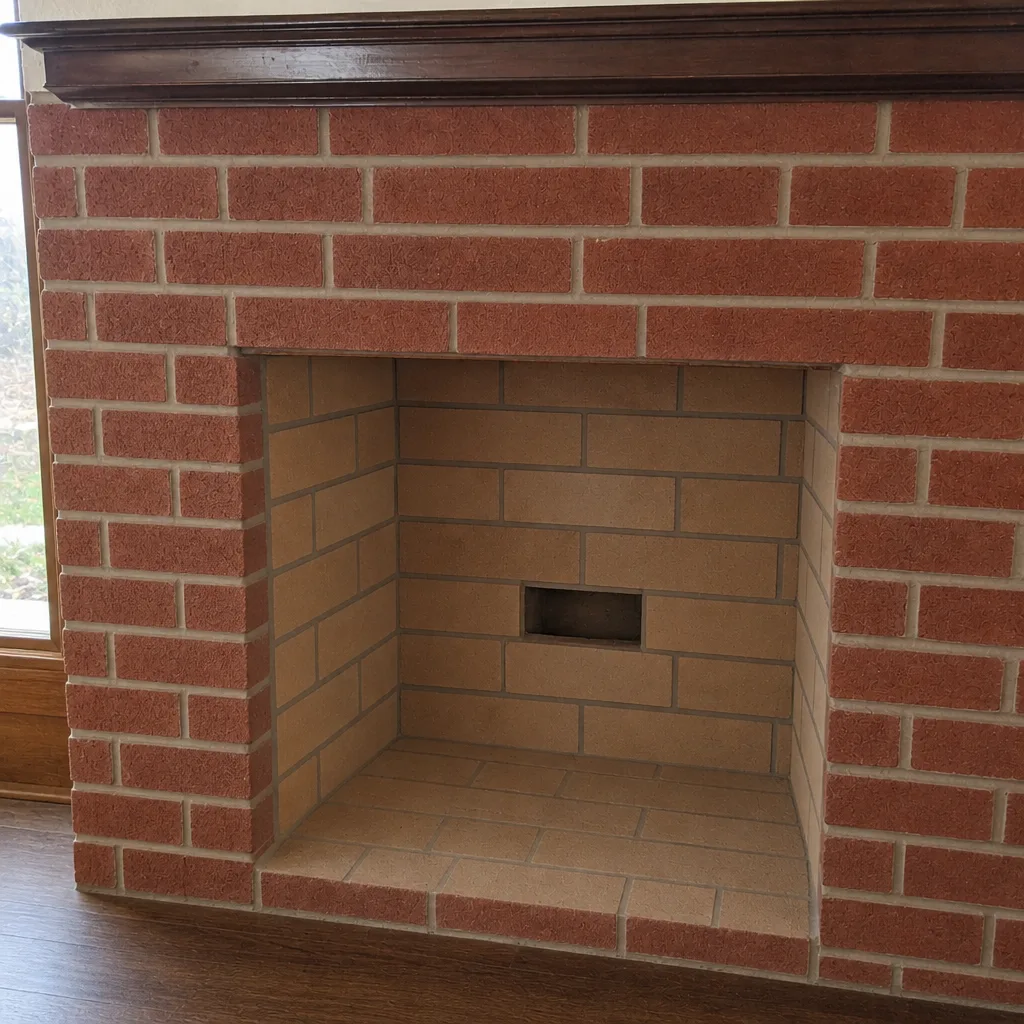 After
When to Call a Professional
Call a professional when you haven’t had the chimney cleaned or inspected in the past year, when you’ve had a chimney fire (even a small one), when you notice smoke coming back into the room, when you smell a strong creosote odor, or when you see loose mortar, a cracked crown, or a damaged cap. Call before you buy a home with a fireplace, so the inspection happens before the closing. Call if you’ve changed fuel type or installed a new appliance. If the fire seems weak or the draft is worse than it used to be, that’s a reason to have it looked at rather than a reason to keep using it.
Oasis Chimney Sweep offers free estimates in Lakewood. Call (888) 320-6023. We answer 24/7. Fast dispatch from 7am to 7pm, Sunday through Friday. The estimate is free and the price is set per job by the written estimate.
Frequently Asked Questions
A standard chimney cleaning in Lakewood typically runs $150 to $275. That range covers flue brushing, firebox and smoke chamber cleaning, a damper check, a cap and crown check, and debris cleanup. Adding a Level 1 or Level 2 inspection moves the price to roughly $200 to $400 depending on which level is involved. Call (888) 320-6023 for an exact quote. Estimates are free.
Only if the inspection shows the existing liner is cracked, gaps at the joints, or is otherwise no longer doing its job, and you should see the camera footage or photos before deciding. A liner that’s sound doesn’t need replacing, and a smoke chamber problem can sometimes be addressed with HeatShield resurfacing instead of a full reline. If the flue shape is irregular, a flexible liner like DuraFlex may be the right fit. Call (888) 320-6023 to schedule an inspection. Estimates are free.
Once a year for most regularly used fireplaces, and more often if you burn heavily or notice creosote buildup. The annual cleaning and inspection is the baseline, and the inspection is what tells you whether an additional visit is needed. Call (888) 320-6023 to book a cleaning and inspection. Estimates are free.
Creosote builds up in the flue, and at certain concentrations it can ignite, which is a chimney fire. A blocked or deteriorated flue can also let carbon monoxide into the home instead of venting it outside. Those are the reasons the annual service matters, and they’re also why the inspection is the more important half of the appointment. Call (888) 320-6023 to get on the schedule. Estimates are free.
Because the quotes often describe different scopes. A $150 quote may cover a brushing and a visual check with no written report or camera inspection, while a $275 quote may include a documented inspection and photos. Ask each contractor to list what’s included before you compare the totals. Call (888) 320-6023 for a written scope and estimate. Estimates are free.
Sometimes yes, and we say so when it’s true. A cap replacement or a small crown repair can often wait if the chimney is dry and the fireplace isn’t in use, but a cracked flue or a liner gap is not something to put off if you plan to burn. The written estimate will say what’s urgent and what can wait. Call (888) 320-6023 to talk through what was found. Estimates are free.
The Bottom Line
Chimney cleaning prices in Lakewood vary because the word “cleaning” covers several different jobs, and the only way to compare quotes honestly is to compare the scope, not the total. A standard cleaning runs about $150 to $275. Add an inspection and the range moves to $200 to $400. Repairs found during the appointment are quoted separately, and the written estimate sets the final price. The annual cleaning and inspection is the predictable expense that keeps the unpredictable ones from stacking up. Address small findings early, keep your reports and photos, and use repair-first options like HeatShield resurfacing when the flue allows it rather than a full reline. Oasis Chimney Sweep handles the sweep, the inspection, and the repair as one contractor.
Call (888) 320-6023 for a free estimate. We answer 24/7. Fast dispatch from 7am to 7pm, Sunday through Friday.
Written by the team at Oasis Chimney Sweep.