
Last updated November 15, 2026
 Sweep & inspection
 Caps & crowns
 Flue relining
 Masonry repair
 Gas fireplace service
Level 1 sweep and inspection to the NFPA 211 annual standard - flue, crown, cap, and flashing checked and photographed
Chimney sweep logs do not sweep chimneys. They loosen some creosote - which then falls where a brush and vacuum still have to collect it.
DIY vs Professional Chimney Cleaning: The Lakewood Homeowner’s Decision Guide
Brush-and-vacuum chimney cleaning kits are real. They work on surface soot, and a basic set costs about $80 at a hardware store. What the kit doesn’t come with is the ability to see a cracked tile liner segment three feet above the firebox, and that crack is the part that decides whether a fire is safe to light. This guide draws the line honestly: what a homeowner can reasonably do, what no brush pass can reveal, and how to know which side of that line your fireplace sits on. We’ll cover the Lakewood conditions that change the math, too.
Quick Answer
DIY chimney cleaning can remove light surface soot, but it cannot assess the flue’s condition, and condition is what determines whether your fireplace is safe. Professional cleaning pairs the sweep with a camera inspection that reveals cracked tiles, glazed creosote, and gaps no brush reaches. In Lakewood, the practical rule is this: DIY is a stopgap for a chimney you already know is sound, never a substitute for knowing.
Styles & brands we work with
- Sweep & inspection
- Caps & crowns
- Flue relining
- Masonry repair
- Gas fireplace service
Table of Contents
- What a DIY chimney kit can actually accomplish
- What no brush pass can reveal
- What a closed-circuit inspection camera sees
- How Lakewood’s elevation changes draft and cleaning
- The four-question decision framework
- How a professional sweep and inspection actually runs
- When DIY is a reasonable interim measure
- Common mistakes to avoid
What a DIY Chimney Kit Can Actually Accomplish
A standard homeowner kit is a set of polypropylene brushes on flexible rods, sized to common flue dimensions, plus a shop vacuum with a filter fine enough to catch soot. Run it up and down a masonry flue and it will knock loose the powdery, flaky creosote that builds on the walls after a season of burning. That’s genuine work. On a chimney that was swept last year and saw moderate use, a homeowner can pull down a meaningful amount of soot and call it done.
Here’s what the kit handles well:
- First-degree creosote. The dry, dusty, flaky layer that brushes off with contact.
- Loose soot on the smoke chamber walls and damper shelf you can reach from the firebox.
- Surface debris on the firebox floor and around the damper.
- A visual check of the firebox for obvious cracks in the brick face.
What it doesn’t handle is the second category of creosote. When a chimney runs cool or gets a lot of smoldering, low-air fires, the deposits condense into a glazed, hardened layer that bonds to the flue wall. A brush passes over it. It does not come off. That glaze is the fuel load a chimney fire feeds on, and it’s the single most common reason a do-it-yourself sweep comes up short in Lakewood and everywhere else. We’ve seen homeowners brush a flue three times in one season and still leave the glaze untouched.
There’s a third limit that matters more than either: the kit gives you no way to judge the result. You can see soot on the drop cloth. You cannot see whether the brush removed enough, or whether the flue behind the soot is intact. That distinction is the whole argument for professional work, and we’ll come back to it throughout.
What No Brush Pass Can Reveal, DIY or Otherwise
A chimney brush is a cleaning tool, not a diagnostic one. Whether a professional or a homeowner runs it, the brush only contacts the flue wall. It tells you nothing about the condition of the masonry behind that wall, the joints between tiles, or the crown and cap at the top. Those are the components that fail.
Here is what a brush pass leaves unexamined:
- Cracked or spalled flue tiles. Hairline fractures open as the flue heats and cools. A crack lets heat and combustion gases reach framing.
- Missing or deteriorated mortar joints between tile sections, which are common in older masonry chimneys.
- A cracked or crumbling crown at the top of the chimney, the first line of defense against water.
- A damaged or missing rain cap and spark arrestor, which lets water and wildlife in.
- Blockages from birds’ nests, leaves, or a collapsed tile that a downward brush can’t dislodge and an upward homeowner can’t see.
- Creosote glazing that the brush skated over, as covered above.
An inspection isn’t optional maintenance. It’s how you know your fire is safe before you light it, and the brush alone never answers that question. It’s also the part most Lakewood homeowners assume is included in a DIY sweep, because the kit looks complete. It isn’t. The tools for seeing are a separate discipline with separate equipment.
What an Inspection Camera Sees That You Can’t
A closed-circuit inspection camera, run up the flue on a flexible rod, gives a continuous picture of the flue’s interior from the smoke chamber to the top. That picture is the difference between sweeping and knowing. In our experience, the camera routinely finds problems that no brush pass, DIY or professional, could have surfaced.
Here’s how a camera-assisted inspection typically runs:
- The firebox and damper are checked first, with a light and camera, to see the smoke chamber and the first few feet of flue.
- The camera travels the full flue length, and the technician notes every cracked tile, open joint, offset, and creosote deposit with its location.
- The top of the chimney is examined from the roof, covering the crown, cap, and the visible exterior of the flue.
- Findings are documented with photos so you can see what the technician sees, rather than taking a report on faith.
That last point matters to us. The most common hesitation we hear from homeowners is being told they need liner work they have no way to verify. The honest answer is that nothing gets recommended without camera evidence you can look at yourself. When the flue is sound, the report says so, and no repair is proposed. When there’s a cracked tile or a glazed section, you see it, and we discuss whether the fix can wait or shouldn’t. That’s the standard a homeowner should hold any chimney professional to, and it’s fair to ask for the photos before you agree to anything. For what the repair side of that conversation can involve, see our page on chimney repair.
How Lakewood’s Elevation Affects Draft and Cleaning
Lakewood sits high on the Front Range, and thinner air at elevation means less oxygen per cubic foot feeding the fire. A fireplace that drew well at a lower altitude can draft weakly here. That’s a general reality of high-country burning, and it shapes what a chimney needs.
Why it matters for cleaning decisions:
- Cooler, slower fires deposit more creosote. A starved, smoldering fire doesn’t burn cleanly, and the residue it leaves is heavier and more likely to glaze.
- The right brush diameter matters more. An undersized DIY brush skates the flue wall. An oversized one that’s too stiff can damage softer tile or mortar joints. Fit matters, and a homeowner guessing at it can’t tell the difference until a later inspection.
- Draft problems get blamed on the wrong thing. A homeowner with a smoky fireplace may clear a partial top-level blockage during a DIY pass and assume the draft issue is solved, never checking the cap, the flue height, or whether a liner gap is letting cold air in.
Improper cleaning can actually worsen draft. A brush that dislodges debris without clearing it out can leave material sitting on the smoke shelf. A cap that’s reattached wrong or not checked at all can restrict flow. And a flue cleaned to a superficially soot-free state, but left with cracked tiles leaking air into the chimney, drafts worse than before. Lakewood’s high-altitude burning makes these small errors more consequential, and the camera inspection is what catches them. For the seasonal timing question, our guidance in the chimney sweep section covers when to book before the burning season starts.
The Four-Question Decision Framework: Skip DIY If You Answer Yes
If you answer yes to any of these four questions about your chimney’s history or condition, skip DIY entirely and book a professional sweep with a camera inspection. This is the practical line, and it’s a short one.
- Has the chimney gone a full season or more without a sweep? Accumulated creosote on an unswept flue is likely to include glazing, which no DIY kit removes.
- Do you ever see glazed, tar-like, or “shiny” deposits on the firebox walls or at the flue opening when you look up? That’s the second-degree creosote we’ve been describing, and it needs professional attention.
- Is the home older, with a masonry flue you don’t have a documented inspection history for? Unknown tile condition is the exact scenario a camera is built to resolve.
- Have you noticed smoke backing into the room, draft complaints, or a chimney that’s had a previous fire? Any of these point to a flue condition or blockage that needs diagnosing, not just brushing.
If you answered no to all four, the chimney is documented as sound from a prior professional inspection, and the last sweep was recent, then a light DIY pass for surface soot is a reasonable interim measure. That’s the case where DIY isn’t a shortcut around maintenance. It’s maintenance you already know is safe to do.
One more thing about the framework: it’s about the chimney’s history, not the homeowner’s skill. A capable homeowner with a sound, recently-inspected flue can clean it. A capable homeowner with an unswept fifteen-year-old masonry chimney cannot safely assess it. The tool isn’t the limitation. The information is.
How a Professional Sweep and Inspection Actually Runs
A professional visit pairs the sweep with the inspection in one appointment, and knowing the sequence helps you evaluate any chimney professional. Here’s the typical order of operations:
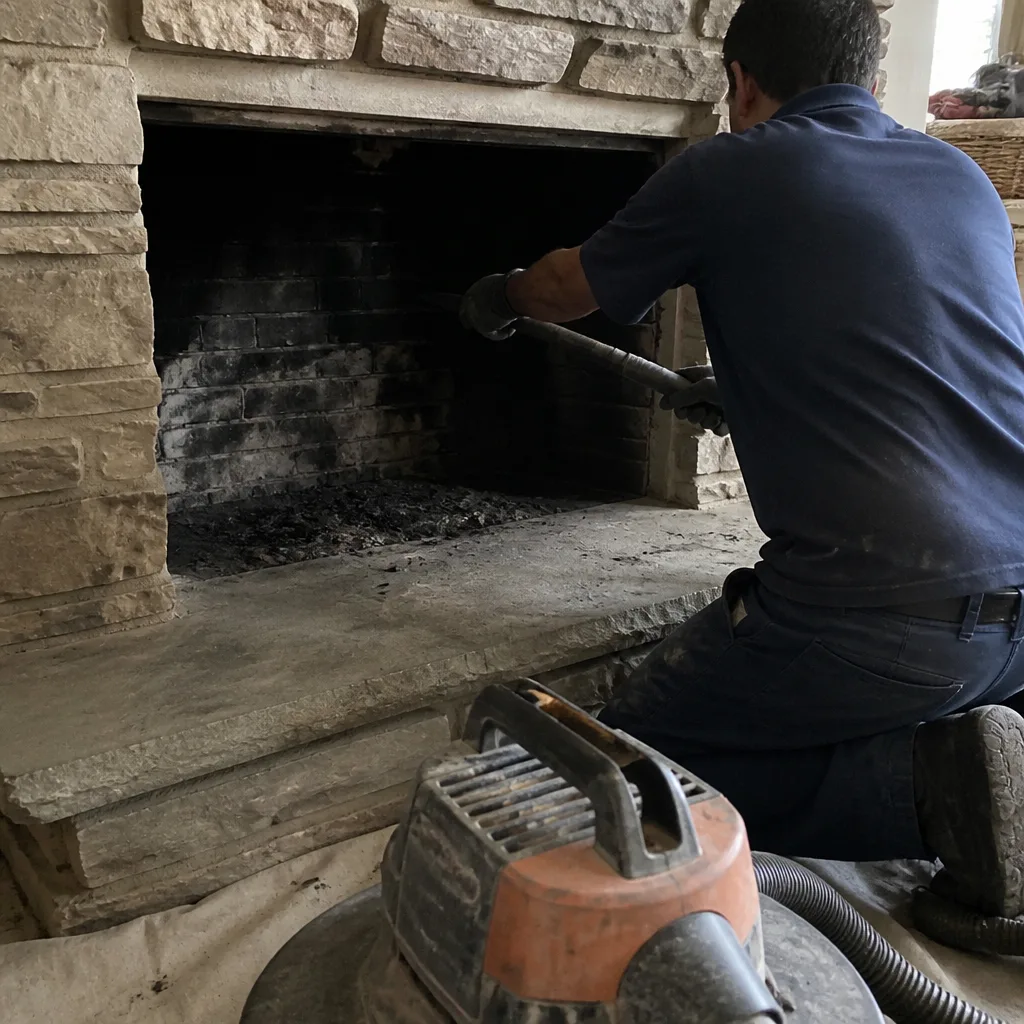
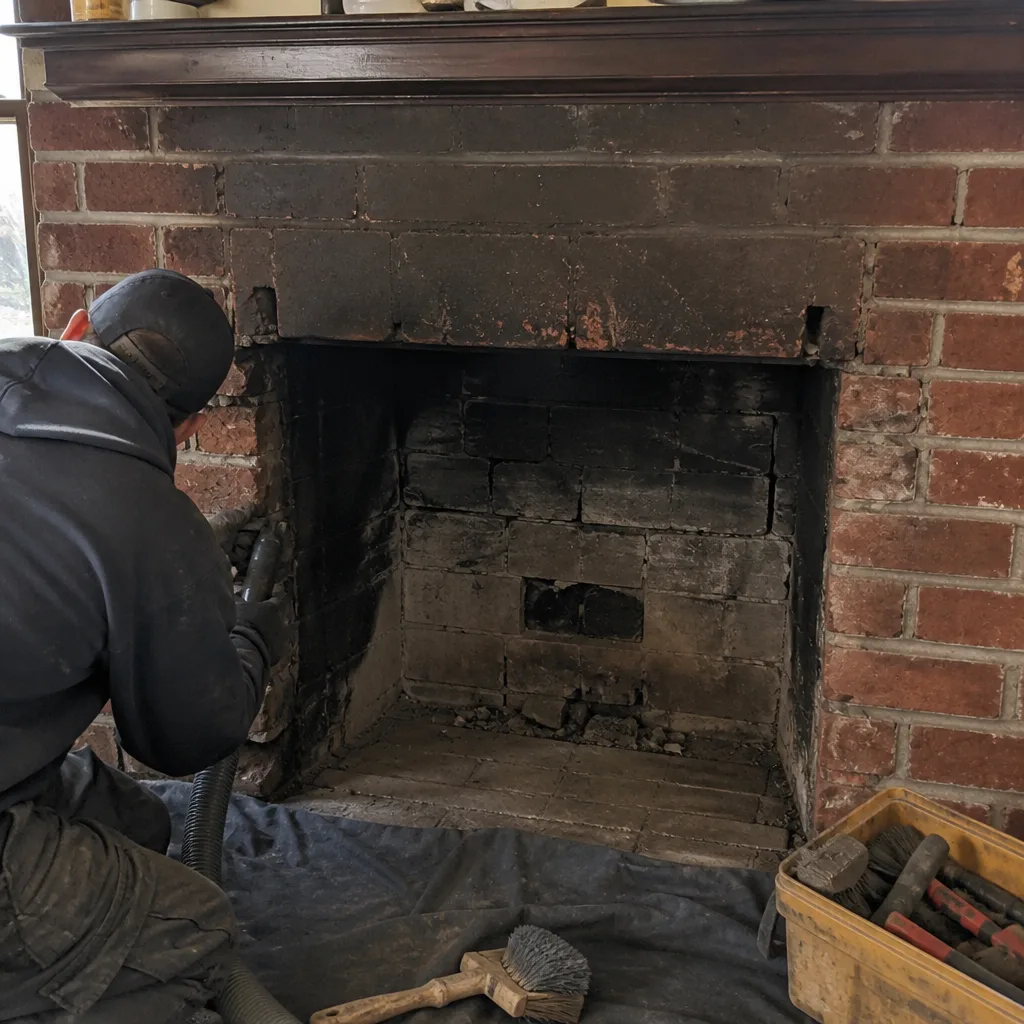
- Protection first. Drop cloths and a HEPA vacuum keep soot out of the living space. This is not optional detail; it’s what separates a controlled sweep from a mess.
- Sweep the full flue. The correct-diameter brush, sized to your flue, runs the interior, and the vacuum captures the loosened soot as it falls.
- Clear the smoke chamber and damper shelf, where debris collects and restricts draft.
- Run the inspection camera through the full flue and document condition with photos.
- Check the top of the chimney: crown, cap, spark arrestor, and visible flue.
- Review findings with you, showing the photos and stating plainly which issues can wait and which shouldn’t.
Oasis Chimney Sweep offers the sweep, the inspection, and any resulting repair from the same outfit, which means the person who diagnoses your flue is the person who fixes it. No handoffs, no gaps in accountability. When a repair is warranted, we work with recognized professional-grade product lines. DuraFlex flexible liner systems fit older or irregular flue shapes that a rigid liner won’t seat in, and HeatShield, a ceramic resurfacing system, lets us repair a deteriorating flue from the inside when the tile cast isn’t compromised enough to need full relining. We choose between them on the condition the camera reveals, not as a default. A neighbor with the same layout may get a different answer because their flue is different. That’s the fit-to-situation thinking a proper inspection supports, and it’s why the camera comes before the conversation about repair. If your flue needs either, you can read more about the fuller range of work on our Lakewood service overview.
When DIY Is a Reasonable Interim Measure
There’s a narrow, legitimate window for DIY cleaning, and being honest about it builds more trust than pretending it doesn’t exist. That window is: a flue you’ve had professionally inspected and found sound, swept recently, with only light surface soot, and a booked professional visit already scheduled as your main maintenance. In that case, a mid-season brush pass to knock down soot before a holiday is harmless.
What makes DIY a false sense of maintenance is the case where it replaces the inspection, not the cleaning. A homeowner brushes the flue, sees black soot on the cloth, and concludes the chimney is fine. It may well be. But the soot proves the brush touched the wall. It says nothing about the tile behind it or the crown on top. That gap is where fires start, and it’s the gap a brush pass, DIY or professional, cannot close.
So the honest position is this. DIY cleaning can manage surface soot on a chimney you’ve already verified is safe. It cannot verify safety. Nothing in the kit was built to. Treat a DIY pass as housekeeping, not inspection, and keep the professional inspection on the calendar regardless. If you’re unsure which side of that line your chimney is on, the answer is to book the inspection rather than guess. The Chimney Safety Institute of America maintains certification standards worth asking about when you choose who to call. Our team at Oasis Chimney Sweep is happy to walk through the framework with you before anything gets booked.
Common Mistakes to Avoid
We see the same handful of errors repeatedly, and most of them come from treating a cleaning kit as a diagnostic tool. Here are the ones that matter most:
- Guessing the brush diameter. Too small skates the wall; too stiff can crack softer tile. A wrong-size brush does damage a later inspection has to find.
- Stopping at the soot, skipping the camera. The whole point of professional work is the inspection. A sweep without a camera leaves the dangerous question unanswered.
- Never checking the cap and crown. Lakewood’s freeze-thaw cycles are hard on masonry. A cracked crown lets water in through winter, and a missing cap lets birds and weather into the flue. Both get missed in a DIY pass.
- Assuming glazed creosote came off because the brush passed it. It didn’t. Glaze is a professional job, and pretending otherwise is the classic false sense of maintenance.
- Burning smoldering, low-air fires to “use the wood up.” In Lakewood’s thin air, a starved fire deposits more creosote than a hot one. Burn hotter and cleaner, and you’ll clean less.
- Ignoring draft complaints after a DIY sweep. A smoky fireplace after cleaning points to a flue condition, not a cleaning problem, and it needs the camera, not another brush.
- Skipping the inspection because the DIY sweep “looked fine.” It always looks fine from the firebox. The tile cracks and glazed sections live where you can’t see without a camera.
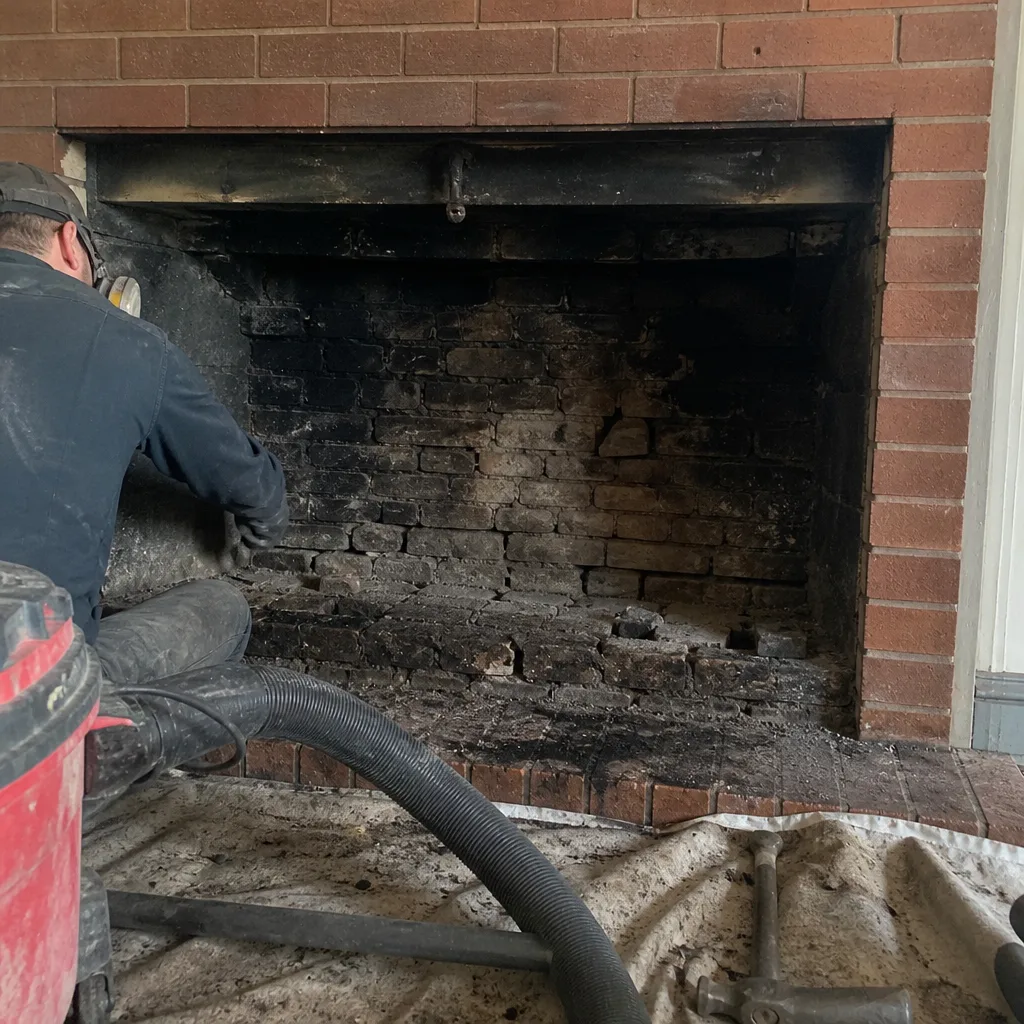
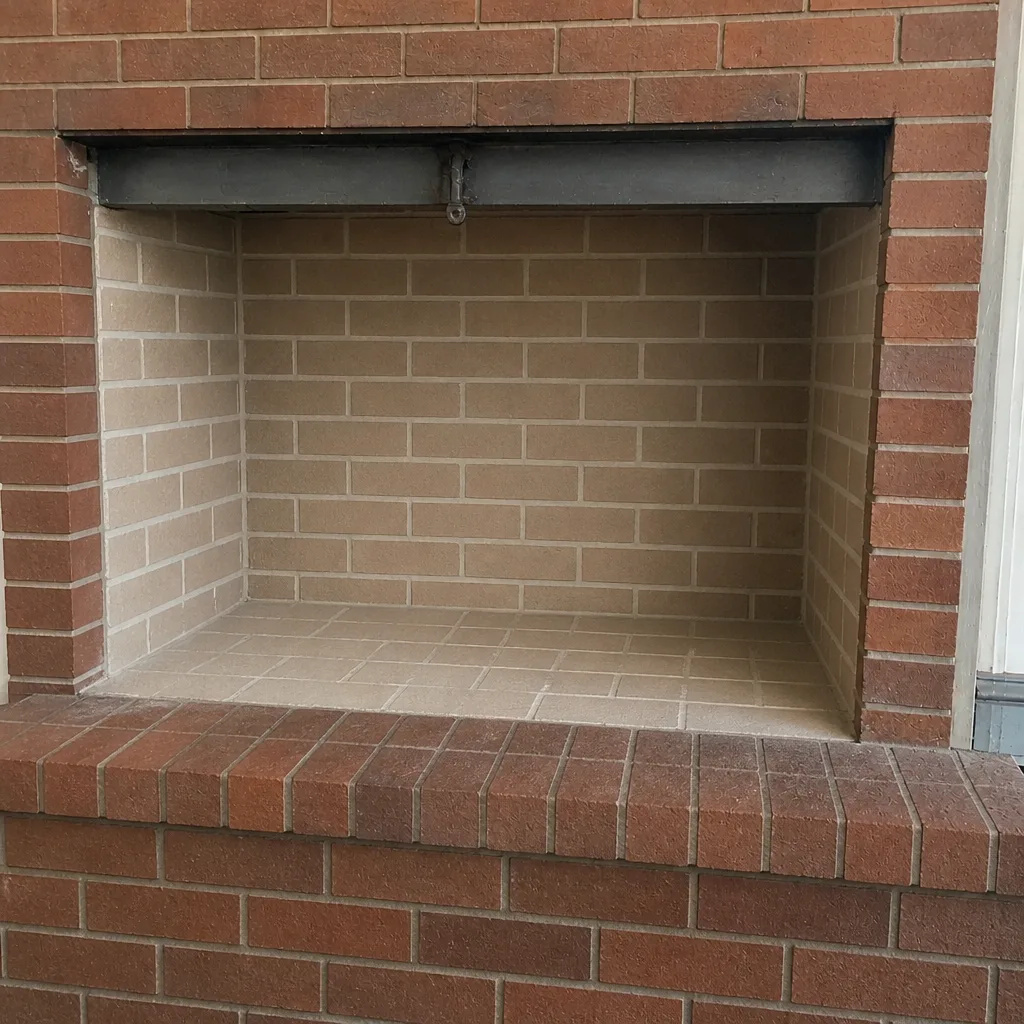
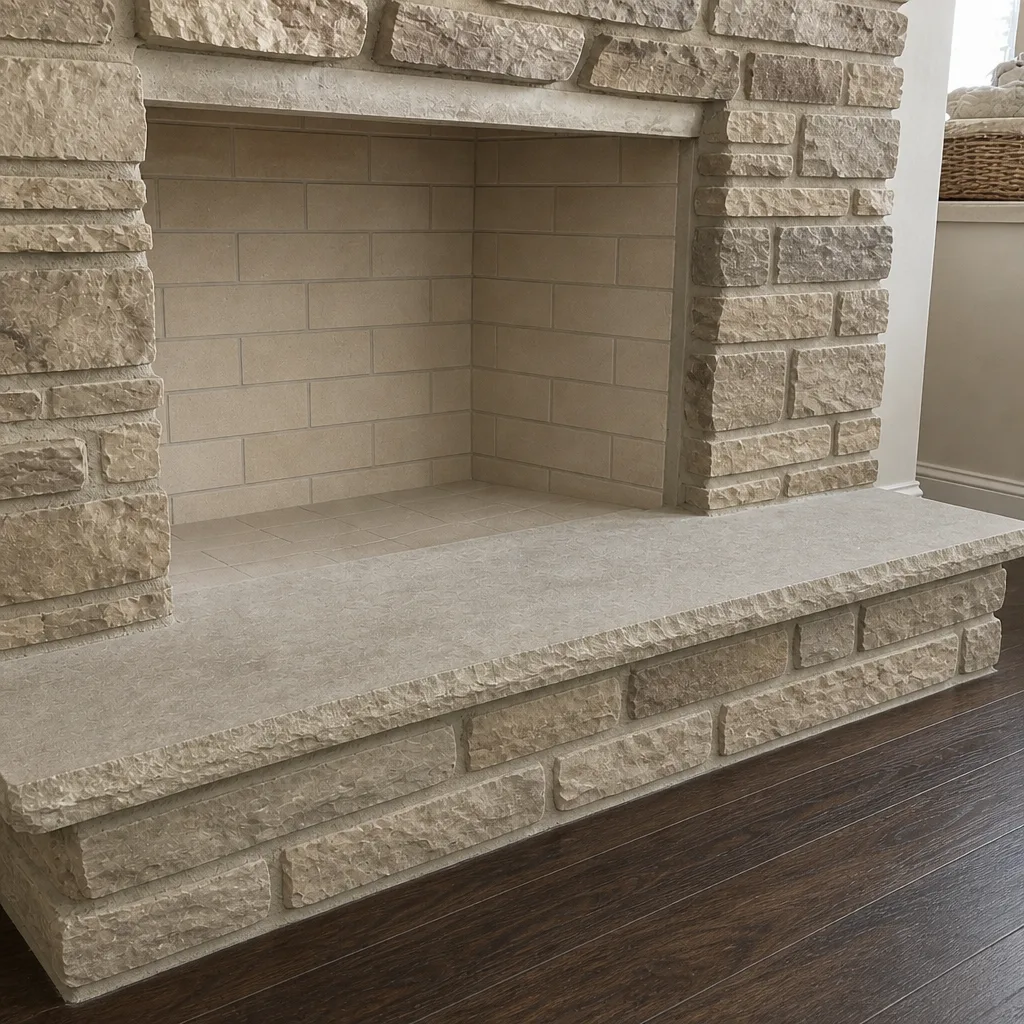
See the difference
 Before
 After
 Before
 After
 Before
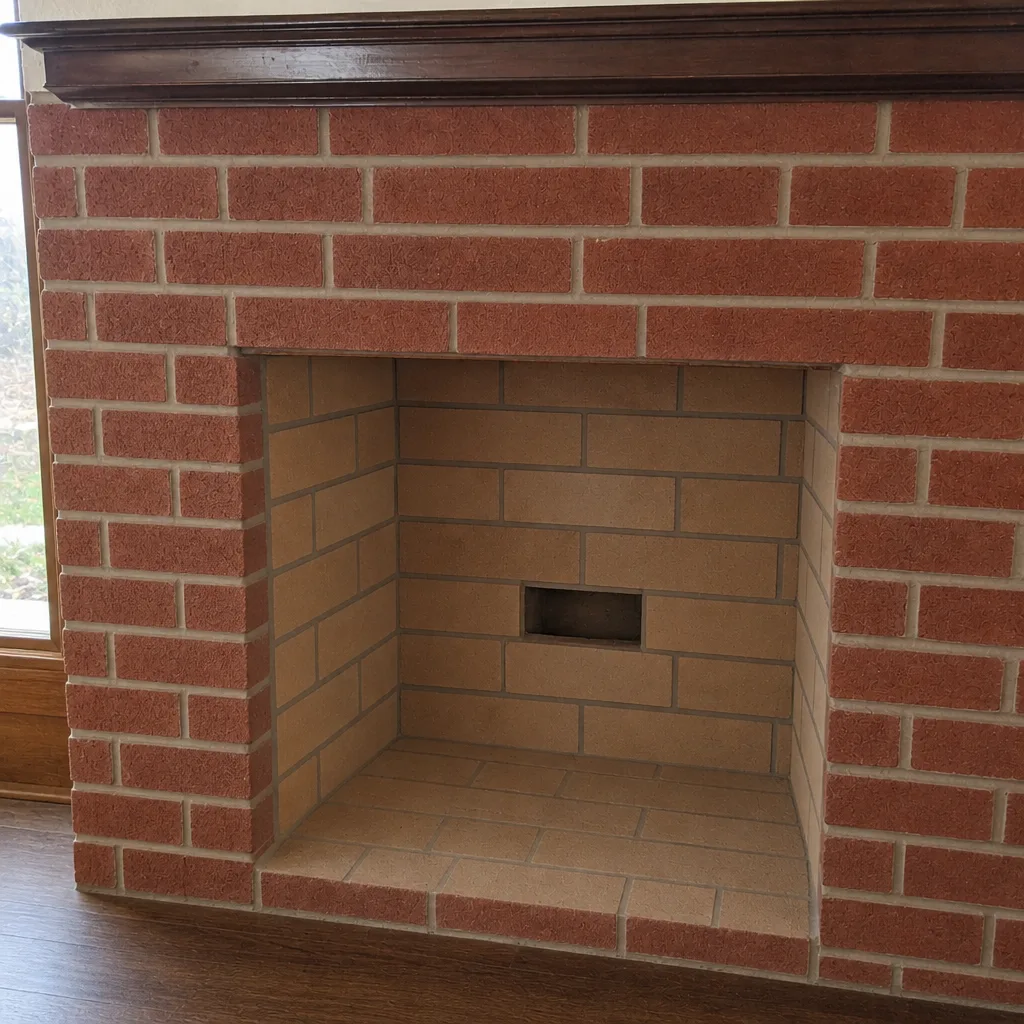 After
When to Call a Professional
Call a professional if any of the four framework questions gets a yes, if you see glazed or shiny deposits, if the chimney hasn’t been swept in a full season, if you’ve had draft problems or a previous chimney fire, or if you’ve never had a camera inspection on an older masonry flue. Call the same day if you smell smoke in the house with no fire burning, or see soot falling into the firebox that wasn’t there before. Those are signs of a flue condition that shouldn’t wait. Our technicians have up to 14 years of experience and work with the professional-grade product lines the repair calls for. Oasis Chimney Sweep offers free estimates in Lakewood. Call (888) 320-6023 for an exact quote and to book a sweep with inspection.
Frequently Asked Questions
Yes, for light surface soot on a flue you’ve had professionally inspected and found sound, and swept recently. A DIY kit can knock down first-degree creosote and reachable debris. It cannot assess cracked tiles, glazed creosote, or crown damage, so it must not replace a professional inspection. If you’ve never had the flue checked, book the inspection first, then decide about future DIY passes. Call (888) 320-6023 for a free estimate.
Sweep a chimney at least once a year when it’s used regularly, and more often if you burn a lot or notice heavy creosote. Lakewood’s high-altitude, cooler fires can deposit creosote faster than a low-altitude chimney, so annual inspection is a reasonable baseline. Book before the burning season rather than after. Call (888) 320-6023 to schedule.
You may remove surface soot while leaving a cracked tile, glazed creosote, or a failed crown unaddressed, and you’ll have no way to know. Those conditions can let heat reach framing or feed a chimney fire. Skipping the inspection doesn’t cause a problem on its own, but it removes the information that tells you whether there is one. Call (888) 320-6023 for a camera inspection and a free estimate.
No. Glazed, tar-like creosote bonds to the flue wall and a standard brush passes over it without removing it. Glaze is the heavier deposit that forms from smoldering, low-air fires, and it needs professional removal and, often, a proper inspection afterward. If you suspect glaze in your Lakewood flue, book a professional sweep.
A liner is only recommended when the camera shows a condition that warrants it: cracked or spalled tiles, open joints, or a flue that can’t safely contain combustion. Nothing should be recommended without camera evidence you can see yourself, and a sound flue gets a report that says so. Ask for the photos before agreeing to anything. Call (888) 320-6023 for an honest assessment and a free estimate.
Yes. Thinner air at elevation means less oxygen feeding the fire, which can weaken draft and make cooler, smokier fires that deposit more creosote. That’s why correct brush sizing and a thorough camera inspection matter more here than on the flats. If your fireplace smokes or has draft trouble, call (888) 320-6023 for a professional look.
The Bottom Line
The DIY vs professional debate is really about diagnosis, not cleaning. A homeowner can remove surface soot, and on a flue already verified as sound, that’s reasonable maintenance. What no brush pass can do is tell you whether the tile liner beneath the soot is intact, and that’s the information that decides whether your fireplace is safe to light. Lakewood’s elevation makes the stakes a little higher: cooler fires, heavier creosote, draft problems that get blamed on the wrong thing. Use the four-question framework. If any answer is yes, skip DIY. If it’s all no, keep the professional inspection on the calendar anyway. A chimney inspection isn’t optional maintenance. It’s how you know your fire is safe before you light it.
If you’re ready to have your flue inspected and cleaned by the same team that can handle any repair the camera reveals, Oasis Chimney Sweep is here. We sweep, inspect, and repair without handoffs, using professional-grade product lines like DuraFlex and HeatShield built for the job. Call (888) 320-6023 for a free estimate. We answer 24/7. Fast dispatch from 7am to 7pm, Sunday through Friday. Your fireplace should be the safest room in the house. We’ll help make sure it is.
Written by the team at Oasis Chimney Sweep.