
Last updated November 15, 2026
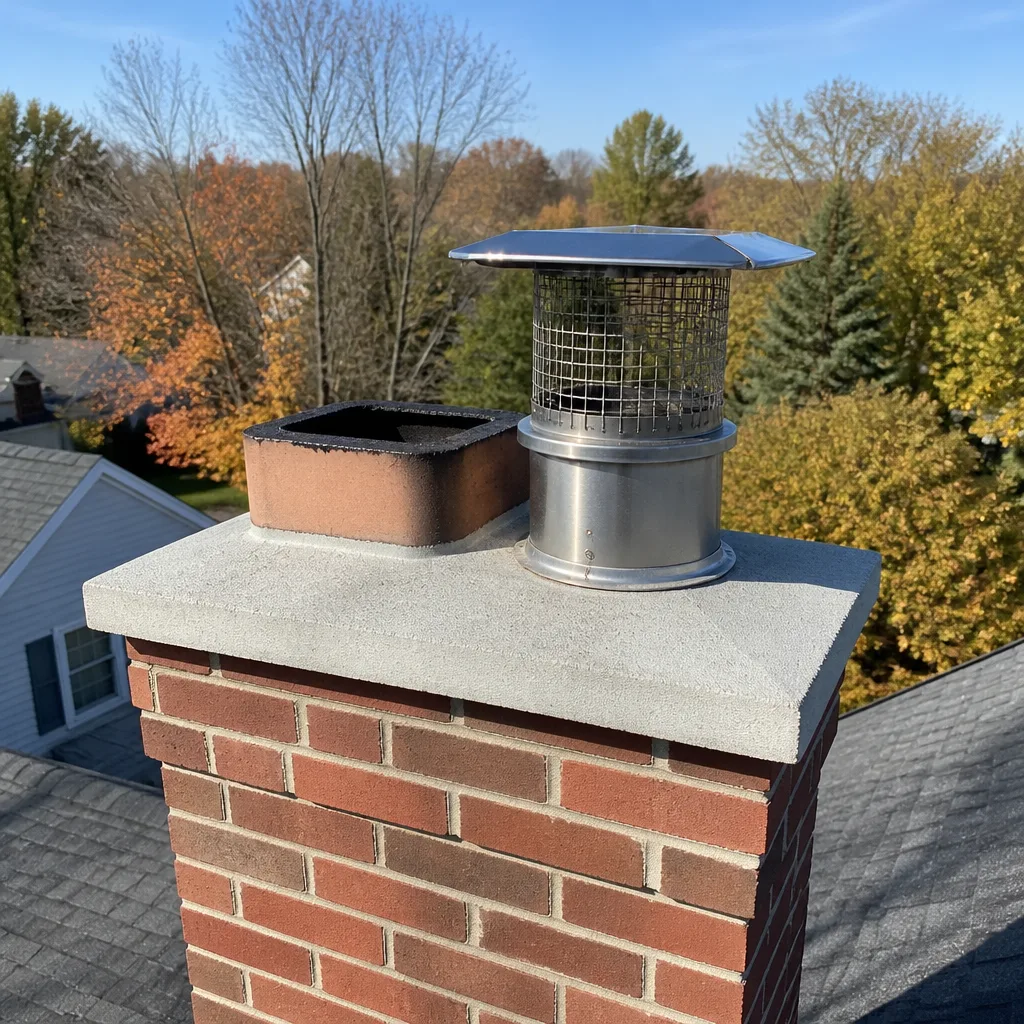 Sweep & inspection
 Caps & crowns
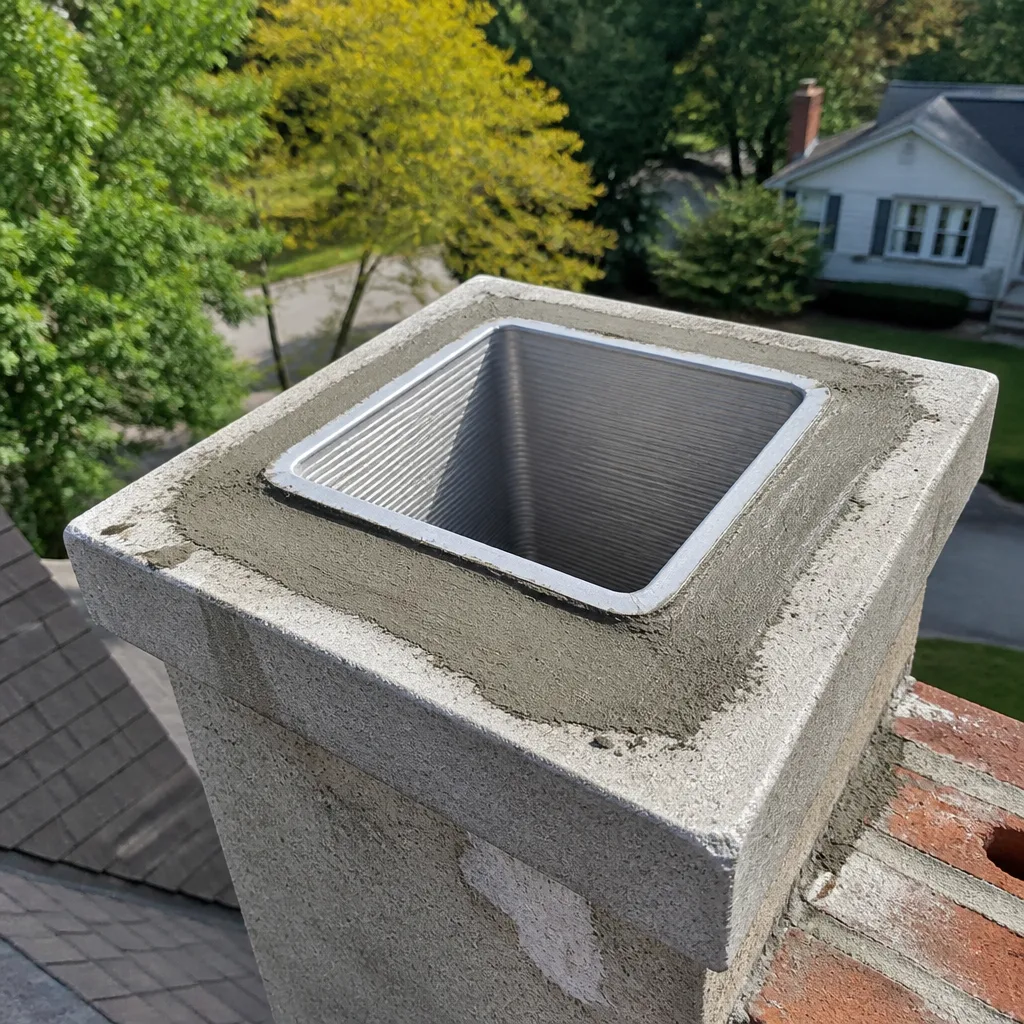 Flue relining
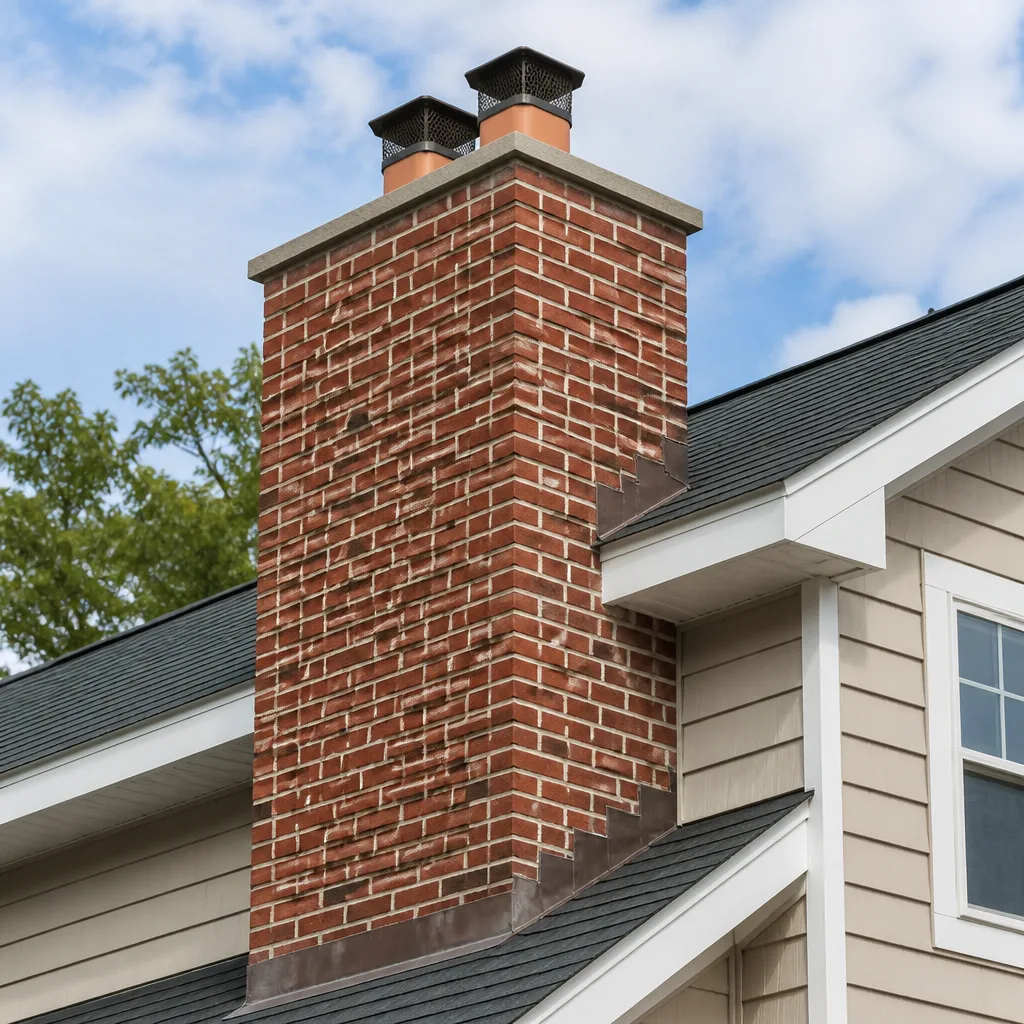 Masonry repair
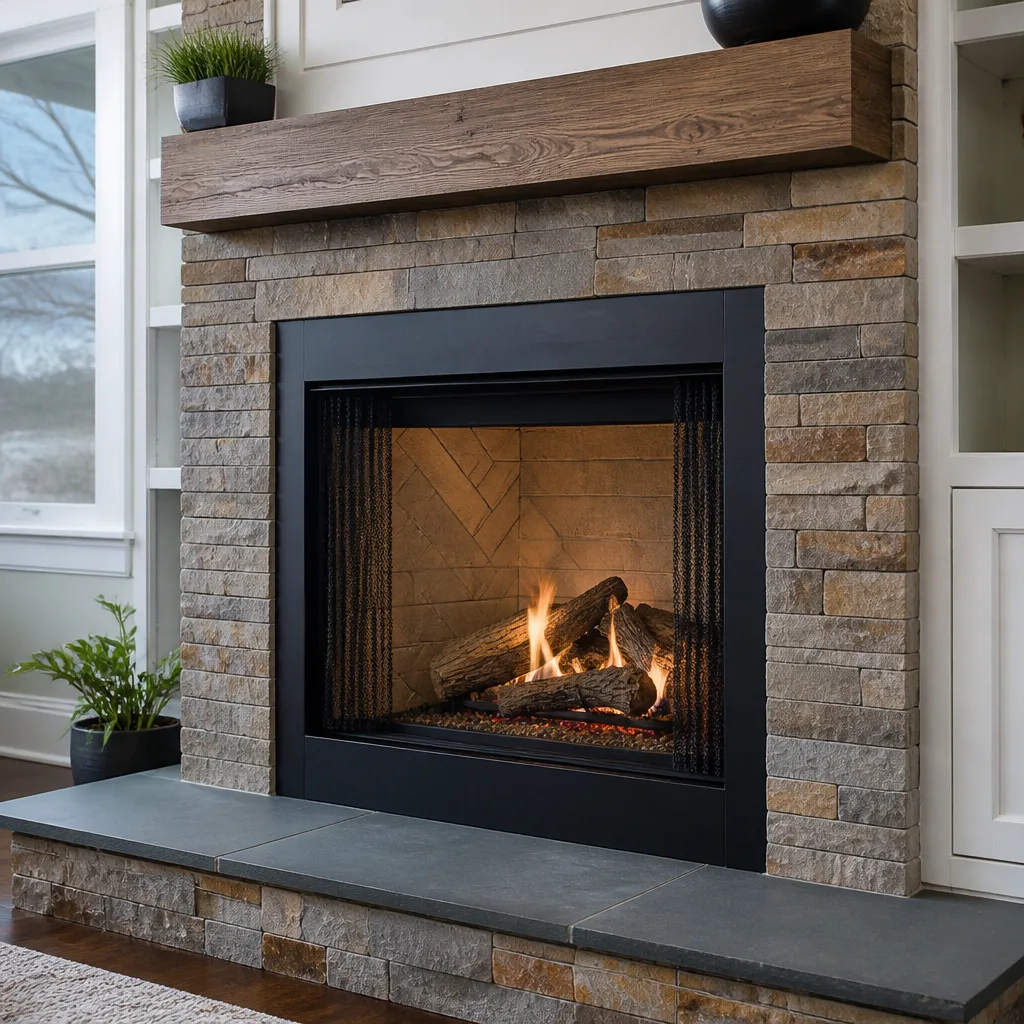 Gas fireplace service
Level 1 sweep and inspection to the NFPA 211 annual standard - flue, crown, cap, and flashing checked and photographed
Chimney sweep logs do not sweep chimneys. They loosen some creosote - which then falls where a brush and vacuum still have to collect it.
The Complete Guide to Chimney Cleaning in Lakewood
Most chimney advice you’ll find online was written for a house near sea level. Lakewood sits at 5,440 feet, and that changes how a flue actually behaves. Thin mountain air means less oxygen per cubic foot feeding the fire, weaker draft pressure pushing smoke up and out, and a fire that runs cooler and smolders longer than the same wood in a low-altitude city. Cooler, slower fires leave more creosote behind. That’s why a “once-a-year no matter what” rule borrowed from a Minnesota guide may be wrong for your fireplace, and why the schedule that fits your neighbors up the hill may not fit you. This guide covers what cleaning in Lakewood actually involves: the local climate factors, the difference between a sweep and a real inspection, how fuel type changes the work, and which warning signs should move you straight to a repair conversation. You’ll finish knowing what to ask, what to expect, and when to act.
Quick Answer
Chimney cleaning in Lakewood is a full process, not just a brush down the flue: a technician sweeps the flue and firebox, runs a camera inspection, and tells you whether the liner and connected components are safe to keep using. Because of the elevation and dry air here, creosote can build faster than lower-altitude guidance suggests, so the right interval depends on how often you burn, what you burn, and what the inspection finds. If it’s been more than a year since your last sweep, or you’ve never had one, that’s the baseline trigger to get it done.
Styles & brands we work with
- Sweep & inspection
- Caps & crowns
- Flue relining
- Masonry repair
- Gas fireplace service
Table of Contents
- Why Chimney Cleaning Works Differently in Lakewood
- Cleaning vs. Inspection: Why You Need Both
- Fuel Types in Lakewood and How Protocols Differ
- What Happens During a Professional Cleaning
- Reading Creosote: Degrees, Causes, and Warning Signs
- What the Tools and Materials Reveal
- Red Flags That Should Trigger a Repair Visit
- How Often Should You Schedule Cleaning?
Why Chimney Cleaning Works Differently in Lakewood
Altitude is the factor no national guide accounts for, and it’s the one that shapes the most in Lakewood. At 5,440 feet, the air is thinner and holds less oxygen. A fire burning in that air simply has less to work with, and that affects the whole combustion cycle. The flue gases coming off the fire are cooler, which means less buoyancy and weaker upward draft. Weak draft means smoke lingers and exhaust doesn’t clear cleanly. And when a fire runs cooler and slower, the creosote that condenses on the flue walls has more time and more opportunity to stick.
Add Lakewood’s dry air to the picture. Low humidity affects how wood seasons, and wood that isn’t fully dry burns cooler still. A fire fed with damp or under-seasoned wood in thin mountain air is a creosote factory, even if the homeowner is doing exactly what a generic guide told them. This is why we treat the inspection as the first real step, not the sweep. Two houses on the same block can carry very different creosote loads depending on the fire each one sees.
There’s a geographic nuance too. Lakewood sits against the Front Range foothills, and the neighborhoods up toward Green Mountain and the western edges can experience different wind and pressure behavior than the flatter eastern parts of the city toward Wadsworth. Down drafts and pressure changes along the foothill edge can affect how a flue pulls. None of this means a chimney here is inherently unsafe. It means the assessment has to be local, not generic.
This is the core of how we approach a chimney sweep in Lakewood: look at what’s actually in your flue before deciding what it needs, because the altitude and climate here make one-size guidance unreliable.
Cleaning vs. Inspection: Why You Need Both
These two things get blurred together, and that blur is where homeowners get handed a bill they can’t verify. A cleaning and an inspection answer different questions. A cleaning removes what’s accumulated. An inspection tells you what condition the system is in after the soot is out of the way. You need the cleaning because a flue packed with creosote can’t be properly inspected, and you need the inspection because a clean flue that has cracked liner walls or a failed joint isn’t safe, regardless of how spotless the firebox looks.
A sweep without an inspection is a service that leaves you with a clean chimney and no idea whether it’s sound. That’s the gap we don’t leave open. Our model is sweep, inspection, and repair handled by the same team, so you’re not sent to a second contractor once the camera shows a problem, and there’s a single point of accountability from diagnosis through completion.
Here’s the sequence we follow, and the one you should expect from any reputable sweep:
- Protect the room. Drop cloths and a contained work zone before a single brush goes in.
- Sweep the flue and firebox. Remove soot and creosote from the flue walls, smoke chamber, and firebox.
- Run a camera inspection. Look at the liner interior, joints, and connected components once the flue is clear.
- Document what’s found. You see the condition evidence for yourself, not a verbal claim.
- Recommend only what the evidence supports. If it can wait, we say so.
That last point matters most to the homeowner’s real worry: being told they need thousands of dollars of liner work they can’t verify. A chimney repair recommendation should always come with camera evidence you can see, and the honest answer sometimes is that the chimney is fine and nothing needs doing yet.
Fuel Types in Lakewood and How Protocols Differ
Not every Lakewood fireplace burns the same thing, and the cleaning protocol is different for each. A wood-burning fireplace, a gas log set, and a pellet appliance leave behind different deposits and present different risks. Treating them as interchangeable is a common shortcut, and it’s wrong.
- Wood-burning fireplaces. These produce the classic creosote and soot load that cleaning is designed to remove. They need the most attention on creosote accumulation because the deposits are what fuel a chimney fire. Elevation and dry wood quality affect how fast that builds.
- Gas log sets and gas appliances. Gas doesn’t leave creosote the way wood does, but it still deposits residue and can leave the flue and appliance needing attention. Gas systems also carry a specific carbon monoxide concern, so the inspection and venting check are essential even when there’s no soot to brush.
- Pellet stoves and inserts. Pellets leave ash and deposit patterns different from log fires, and the venting setup differs from a traditional flue. Cleaning and inspecting these means knowing the appliance’s venting, not just the chimney it feeds.
Venting geometry and drafting behave differently at Lakewood’s elevation across all three fuel types. That’s why we don’t hand out a fixed cleaning plan over the phone. We look at your actual setup before deciding what the appointment should include. A homeowner with gas logs and a homeowner burning split wood a few nights a week need different conversations.
What Happens During a Professional Cleaning
A proper cleaning is contained work done by someone who knows what to look for, not a quick brush and go. Here’s what a typical visit involves, so you know what to expect.
- Assess the setup first. Fuel type, appliance, flue configuration, and any history you can share about how the fireplace has been used.
- Set up protection. Floor and hearth protection so soot stays contained.
- Sweep the flue. Professional brushes and rods clear the flue walls, smoke chamber, and firebox of soot and creosote.
- Clean the firebox and connections. The areas most homeowners never see get the attention they need.
- Inspect with a camera. Once the flue is clear, a camera inspection looks at the liner interior and joints.
- Review findings with you. What was found, what it means, and what, if anything, is worth doing next – with the visual evidence in front of you.
In our experience, the inspection stage is where the real value sits. Soot removal is straightforward; knowing what the flue looks like once it’s clean is how you know your fire is safe before you light it. That’s also why we don’t hand off the repair conversation to anyone else. Oasis handles the sweep, the inspection, and the repair under one contractor, so you get a single point of contact from start to finish.
Reading Creosote: Degrees, Causes, and Warning Signs
Creosote is the residue that condenses on a flue as fire exhaust cools, and it’s the main reason cleaning exists. It matters because it’s flammable. In sufficient buildup it can ignite, and a chimney fire is a serious event. We don’t say that to scare anyone into a purchase. We say it because knowing what creosote looks like is how a homeowner makes a sensible decision about when to book.
Chimney professionals describe creosote in three general degrees of severity, and the distinction matters for what the cleaning and any repair will involve:
- Stage one. Light soot and flaky deposits. This is the condition normal sweeping is designed to address. Catching it here is the goal.
- Stage two. Thicker, sometimes crusty deposits that take more work to remove and signal a slower-burning or under-performing fire.
- Stage three. A dense, glazed layer that’s very hard to remove and indicates concentrated buildup. At this stage, cleaning can escalate to a conversation about the liner’s condition and whether restoration or relining is warranted.
At Lakewood’s elevation, with the cooler, slower-burning tendency of fires in thin air and the dry wood conditions, stage one creeping toward stage two is exactly the pattern we want to interrupt early. Visual red flags while you’re burning: a strong, acrid smell at the fireplace, smoke spilling into the room instead of drawing up, and difficulty keeping a fire going are all reasons to stop and get eyes on the system.
What the Tools and Materials Reveal
A cleaning appointment is also a materials assessment, whether or not the technician frames it that way. When the flue is cleared and the camera is in, the condition of the liner and connected components gets examined. That’s where professional-grade knowledge makes a difference, because the products available to fix a problem are not all equal, and the choice should fit the specific flue.
When a liner problem surfaces, we work with recognized product lines rather than generic supply. If a liner needs to be restored rather than fully replaced, HeatShield, a professional ceramic resurfacing system, is a repair-first alternative to full relining when the condition allows it. When a flue needs a new flexible liner, DuraFlex systems are specified for relining projects that call for a custom-fit solution in older or irregular flue shapes. We also work with Copperfield and Gelco products where they’re the right fit for the job. The point isn’t to name materials for their own sake. It’s that your repair should be built around what your flue actually is, not a one-size-fits-all upsell. We use professional lines because the flue that carries fire out of your house deserves the same standard the rest of the trade relies on.
Materials knowledge is also judgment. A technician who knows the difference between a restoration candidate and a relining candidate can tell you which one your chimney is, and that answer is worth more than a rushed recommendation.
Red Flags That Should Trigger a Repair Visit
Most cleaning appointments end with a sweep, an inspection, and a green light. But some findings should move straight into a repair consultation rather than a “we’ll see you next year.” Here’s what should escalate, in plain terms:
- Visible cracks or gaps in the liner. The liner is what keeps heat, gases, and creosote contained. A compromised liner is the difference between a fireplace that’s safe to use and one that isn’t.
- Stage three glazed creosote. Beyond normal sweeping, this buildup warrants a real conversation about the liner’s condition.
- Sagging or displaced components. Anything in the flue that shouldn’t be hanging, shifted, or loose needs more than a brush.
- Deteriorated masonry or joints. The pass is in the walls too. Crumbling or open joints are a signal the system has a wider problem.
- Smoke entering the room or a persistent smell. A fireplace that won’t pull or that fills the room with smoke has a draft or blockage issue worth diagnosing.
- Water staining near the flue. A chimney that’s taking on water has structural questions that a cleaning alone won’t answer.
If any of these show up during a sweep, the right move is a repair consultation with the visual evidence in front of the homeowner. That’s the whole reason we do both under one contractor: the finding and the fix are the same conversation, not two appointments with a referral in between.
How Often Should You Schedule Cleaning?
The honest answer is that the calendar matters less than the findings. The general baseline is a cleaning and inspection once a year for a regularly used fireplace, and that’s a sound starting point. But because Lakewood’s altitude and dry climate can push creosote accumulation faster than lower-altitude guidance suggests, how often you actually need it depends on how much you burn, what you burn, and how well your wood has seasoned. A household that lights the fireplace nightly through the heating season may need a closer watch than one that lights it a few times a month.
Watch for these signals that it’s time to book, whatever the calendar says:
- It’s been more than a year since the last sweep or inspection.
- You’ve never had the system looked at since moving in.
- You’re noticing slower draft, smoke odor, or a fire that won’t draw.
- You’ve been burning wood that may not have fully seasoned.
If any of those apply, the best next step is a sweep and inspection, not a guess. A chimney inspection isn’t optional maintenance. It’s how you know your fire is safe before you light it. When it’s time, call (888) 320-6023. We answer 24/7. Fast dispatch from 7am to 7pm, Sunday through Friday.
Common Mistakes to Avoid
- Assuming a sweep means a safe chimney. A cleaning removes soot but doesn’t tell you whether the liner is sound. Insist on an inspection as part of the same visit, ideally with a camera the technician can show you.
- Copying a low-altitude cleaning schedule. A once-a-year rule from a sea-level guide may not fit the way a fire burns at 5,440 feet. Let the inspection guide the interval here, not a borrowed calendar.
- Treating all fuels the same. Gas logs, pellets, and wood present different deposits and different risks. A cleaning plan built for a wood fire isn’t automatically the right plan for a gas insert, and a professional should know the difference.
- Buying a “clean” without evidence of condition. If nobody looked at the flue with a camera and showed you what’s there, you don’t actually know the condition. You just know it’s cleaner.
- Letting creosote creep from stage one upward. By the time deposits glaze over, cleaning escalates into a repair conversation. Catching it early is cheaper and simpler.
- Skipping the inspection because the fire “works fine.” A fire can draw and still have a liner problem you can’t see. Most of what makes a chimney unsafe lives where you’ll never look.
- Ghosting a repair recommendation and hoping. If a technician shows you a crack or a glazed layer, it won’t heal on its own. Either get it fixed, or at minimum get a second look before you burn again.
See the difference
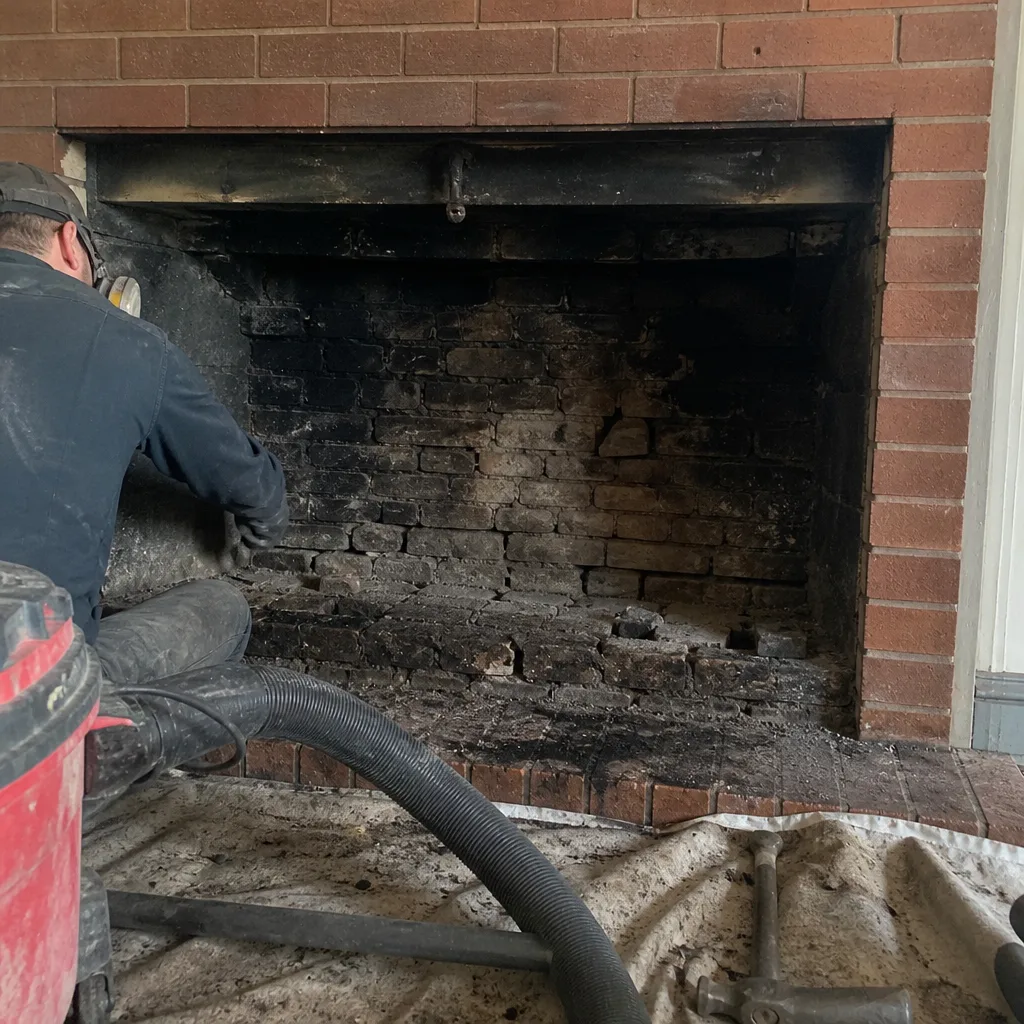 Before
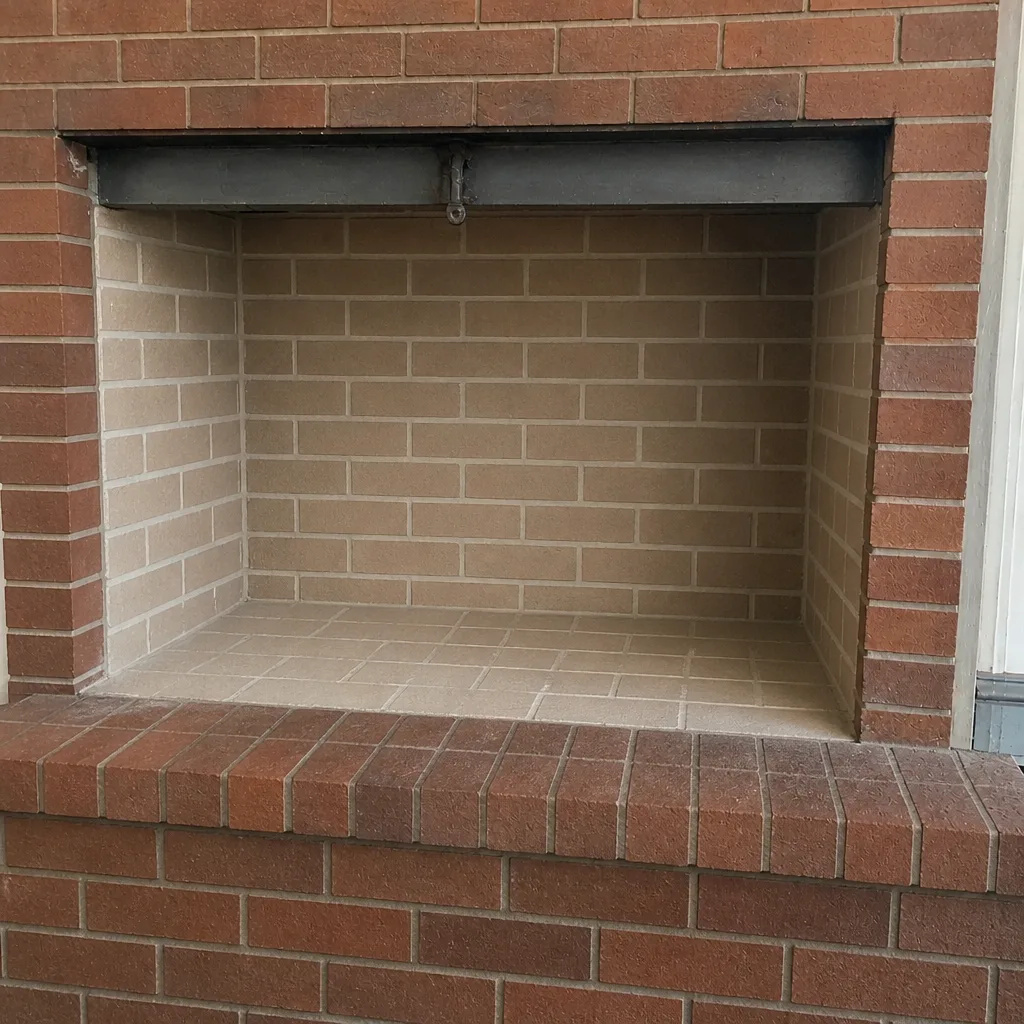 After
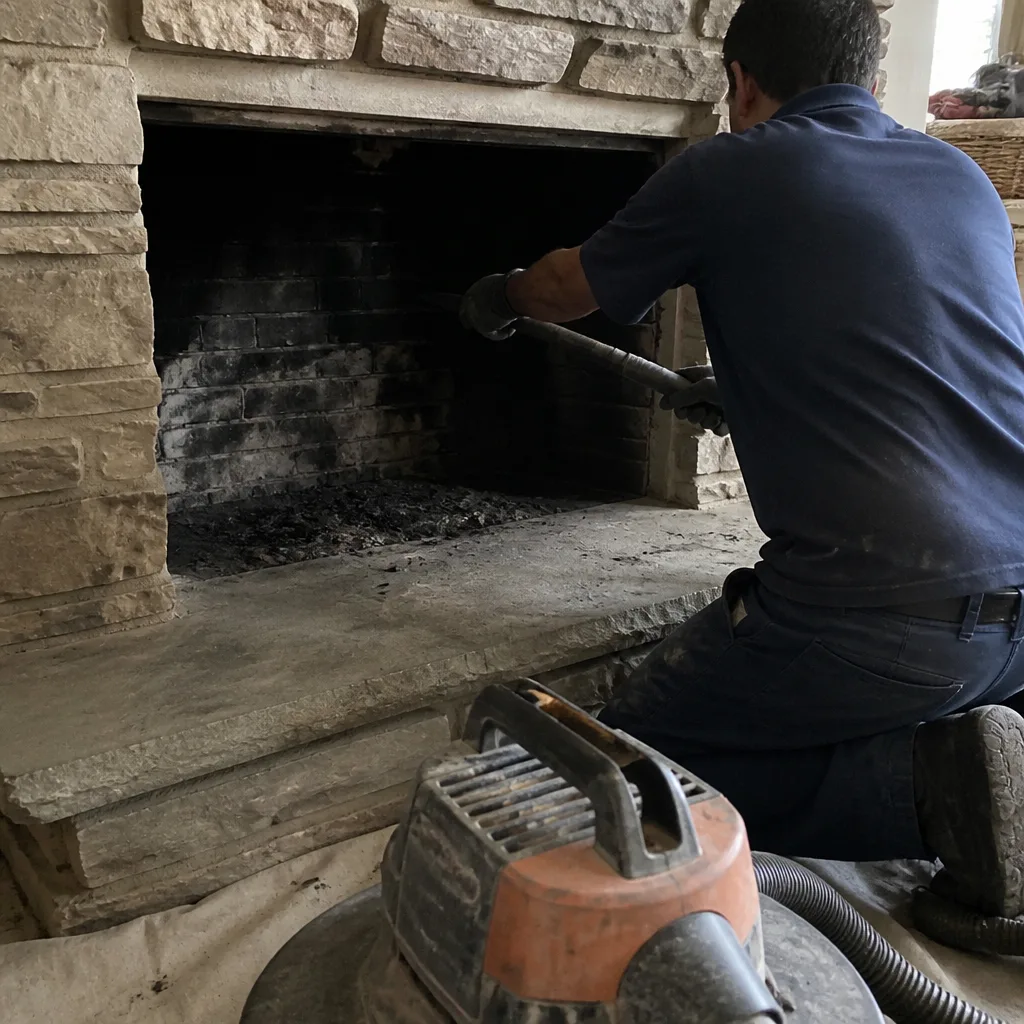 Before
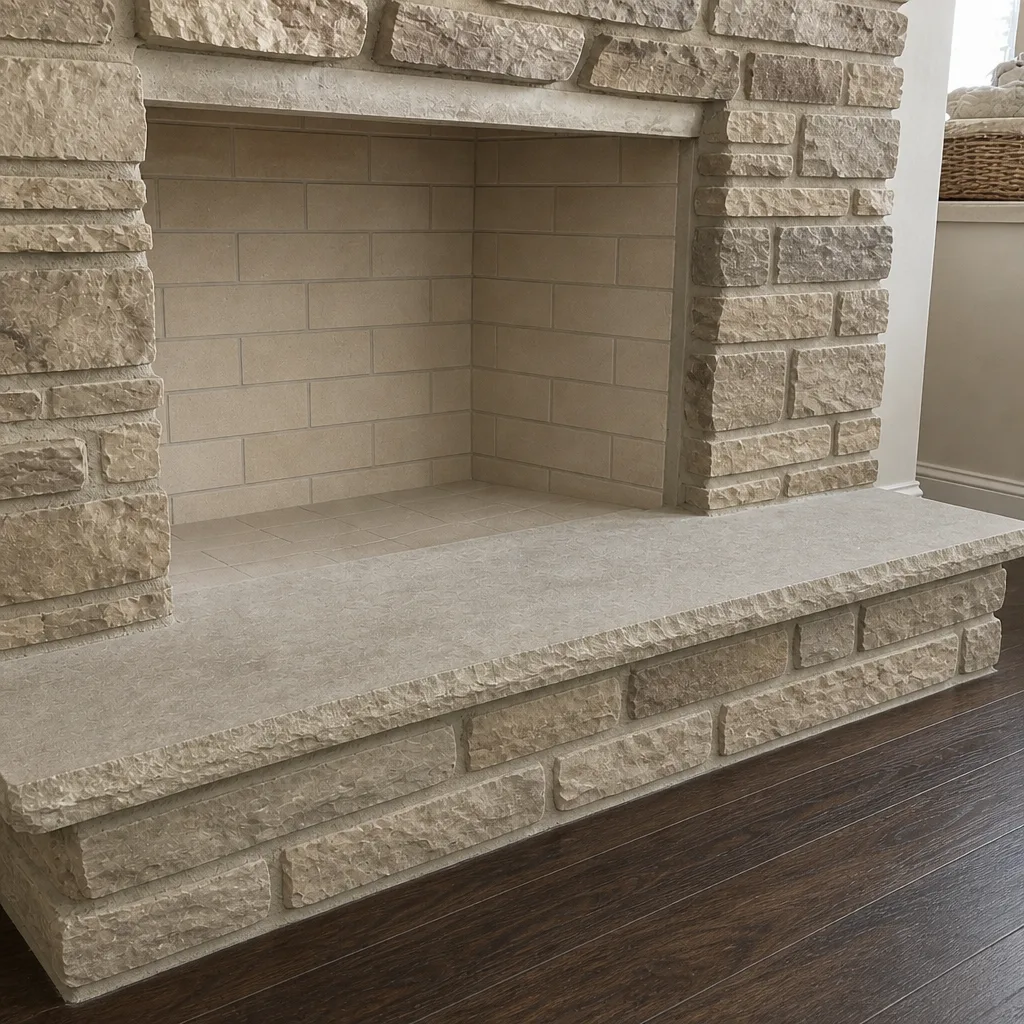 After
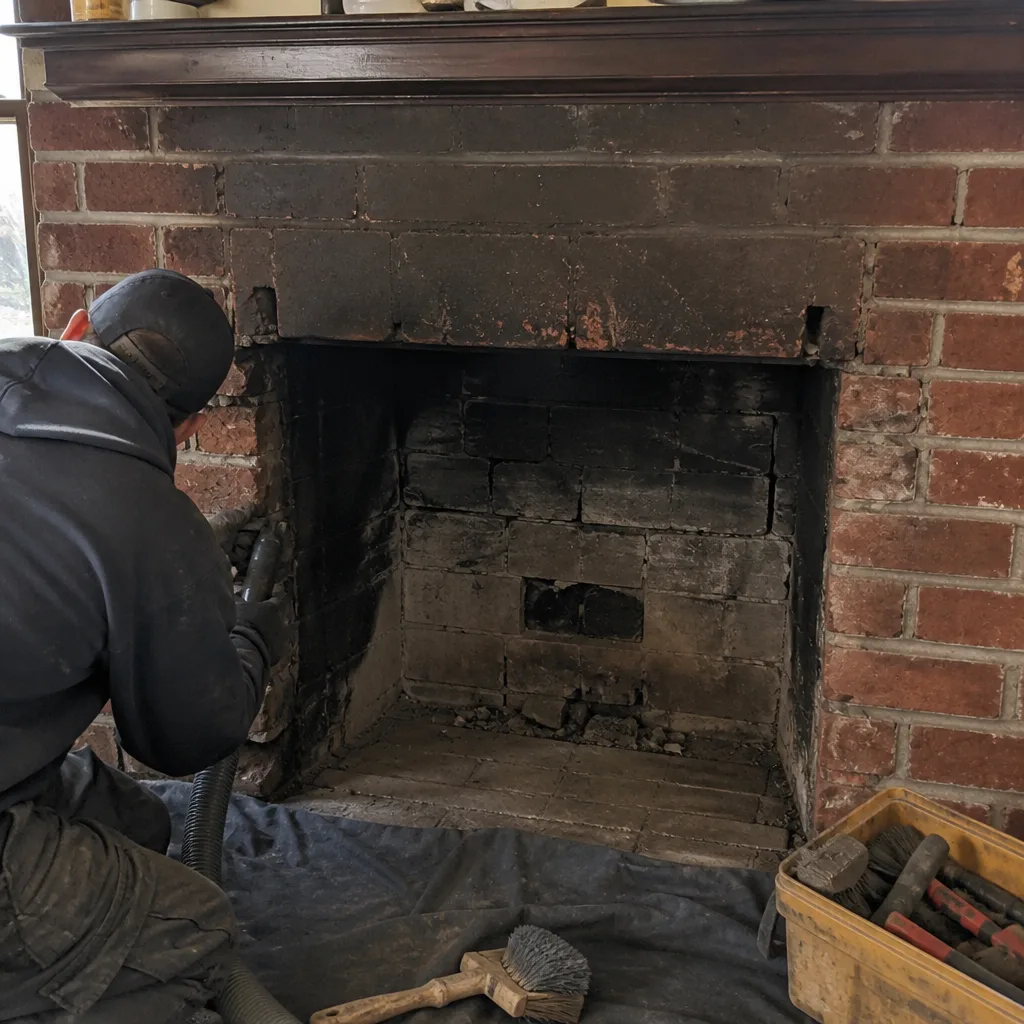 Before
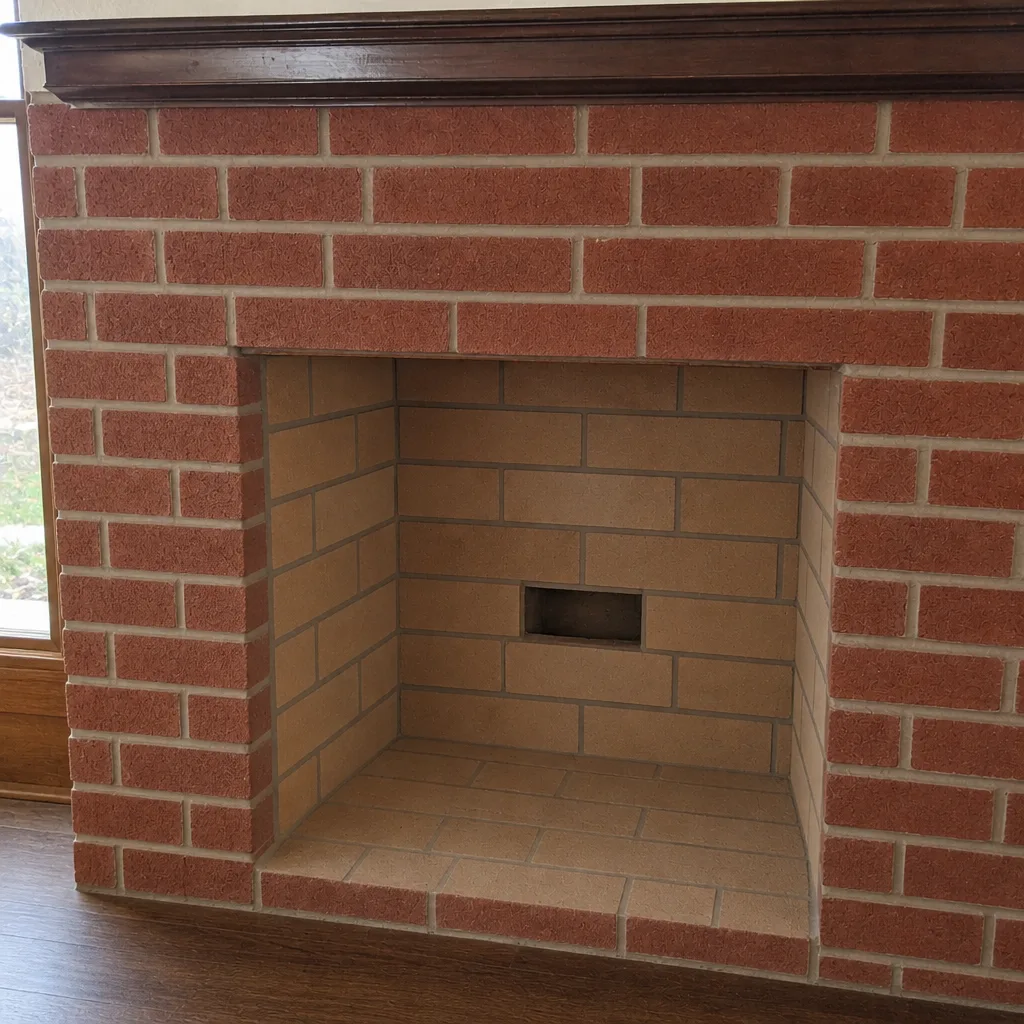 After
When to Call a Professional
Some jobs are genuinely for a trained technician. Call a professional if you’ve never had the system inspected, if it’s been over a year since the last cleaning, or if you’re noticing any of the red flags above: smoke spilling into the room, a persistent smell, poor draft, visible liner cracks, or water near the flue. In our experience, the cost of a cleaning and inspection is the cheapest insurance a wood-burning homeowner can buy against a much larger repair later. None of these tasks is a DIY job, and the liner and flue interior are exactly where a camera and product knowledge matter. Oasis Chimney Sweep offers free estimates in Lakewood – call (888) 320-6023. We answer 24/7. Fast dispatch from 7am to 7pm, Sunday through Friday. Closed Saturday, with Sunday through Friday dispatch the rest of the week.
Frequently Asked Questions
For a regularly used fireplace, a cleaning and inspection once a year is the general baseline, but Lakewood’s altitude and dry climate can push creosote buildup faster than lower-altitude guidance suggests. Let the inspection findings set the real interval. Call (888) 320-6023 for an exact recommendation – estimates are free.
Cleaning alone is not enough. A sweep removes soot and creosote, but it doesn’t tell you whether the liner is cracked, shifted, or sound. The inspection is what tells you the fireplace is safe to light. Call (888) 320-6023 to book a sweep and inspection together.
Weak draft is common at Lakewood’s elevation because thin air gives a fire less oxygen and less buoyancy, and cooler flue gases pull up more slowly. Blockage, a liner problem, or damp wood can make it worse. A camera inspection pinpoints which cause is at play. Call (888) 320-6023 for an exact diagnosis.
Yes, but the protocol differs from wood. Gas doesn’t leave the creosote load wood does, but it can leave residue and carries a specific carbon monoxide concern that the inspection covers. Pellet appliances leave ash and need venting knowledge. Cleaning is not skipped for either. Call (888) 320-6023 for the right protocol for your fuel type.
Creosote keeps building, and stage one can creep toward stage two and three, where deposits glaze over and cleaning escalates into a repair conversation. Beyond the buildup, a liner problem can go unnoticed until it isn’t a small matter. Booking early is the simpler path. Call (888) 320-6023 for an exact quote – estimates are free.
Yes. At 5,440 feet the air is thinner, fires run cooler and slower, and Lakewood’s dry conditions can affect how wood seasons, so cooler fires leave more residue behind. That’s why a national guide’s yearly rule can miss the mark for a specific home here. Call (888) 320-6023 to find the schedule that fits your setup.
The Bottom Line
Chimney cleaning in Lakewood is not a generic annual chore borrowed from a low-altitude guide. The elevation, dry air, and mix of wood, gas, and pellet appliances here shape how creosote forms and how a flue drafts, which means the right schedule and the right scope of work depend on your actual system. Get both a sweep and an inspection, insist on seeing the evidence with your own eyes, and treat the common red flags as signals to act rather than hope. When it’s time, Oasis Chimney Sweep handles the sweep, the inspection, and any repair under one roof using professional-grade DuraFlex, HeatShield, Copperfield, and Gelco materials, with free estimates for Lakewood homes. Call (888) 320-6023. We answer 24/7. Fast dispatch from 7am to 7pm, Sunday through Friday.
Written by the team at Oasis Chimney Sweep.