
Last updated November 15, 2026
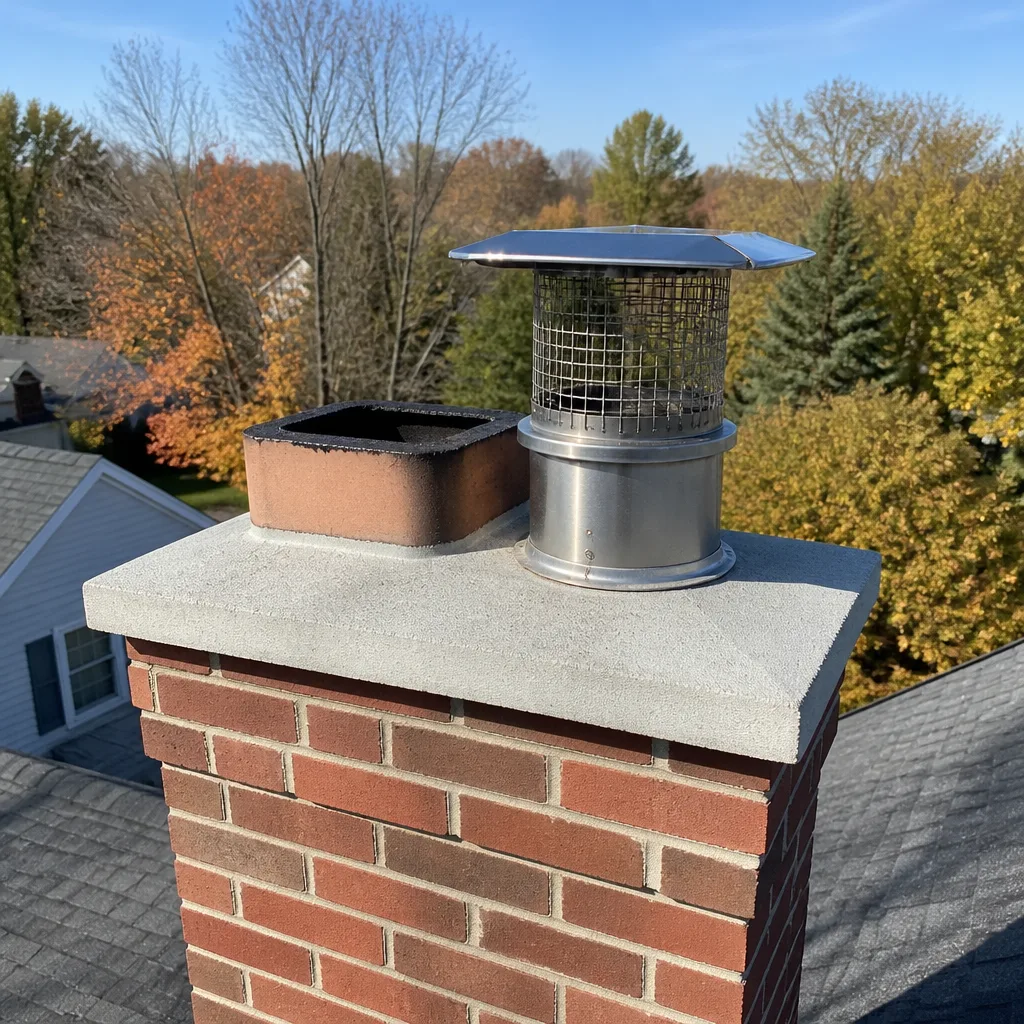 Sweep & inspection
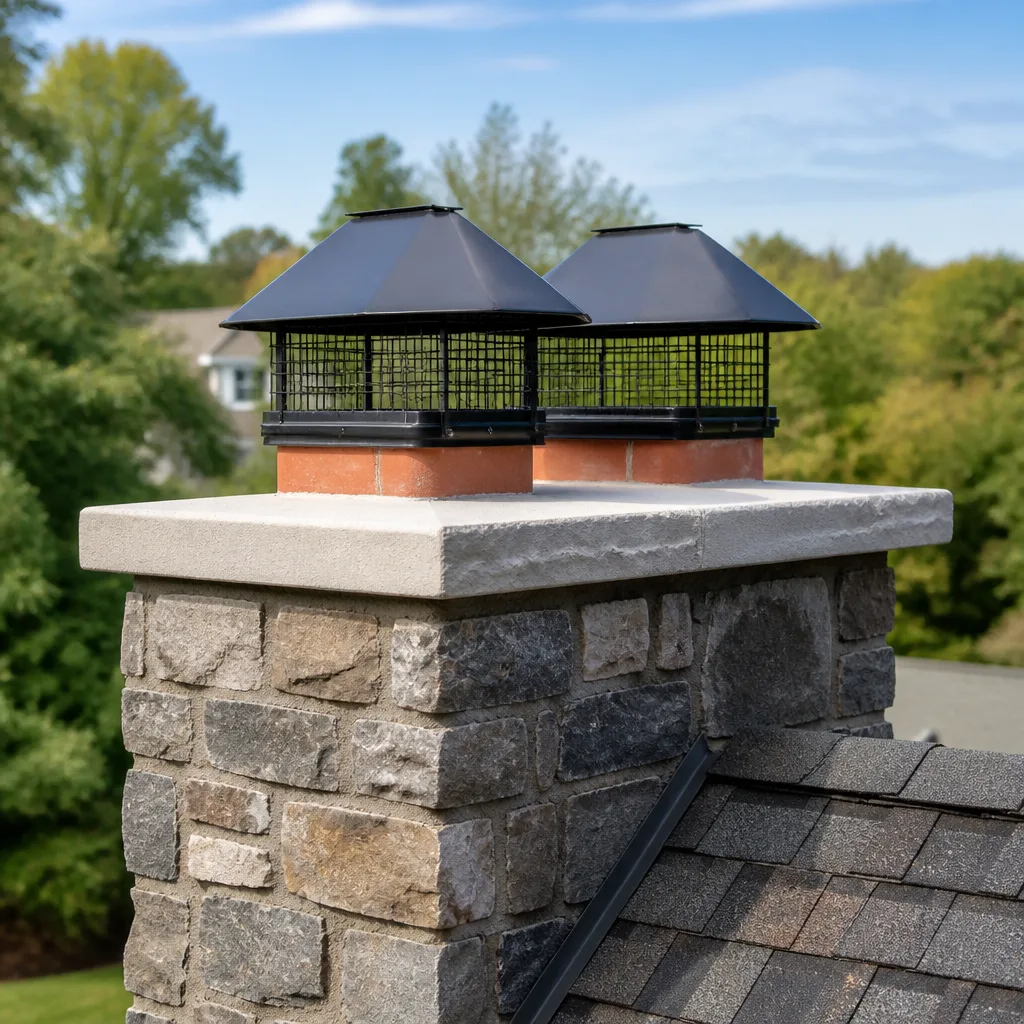 Caps & crowns
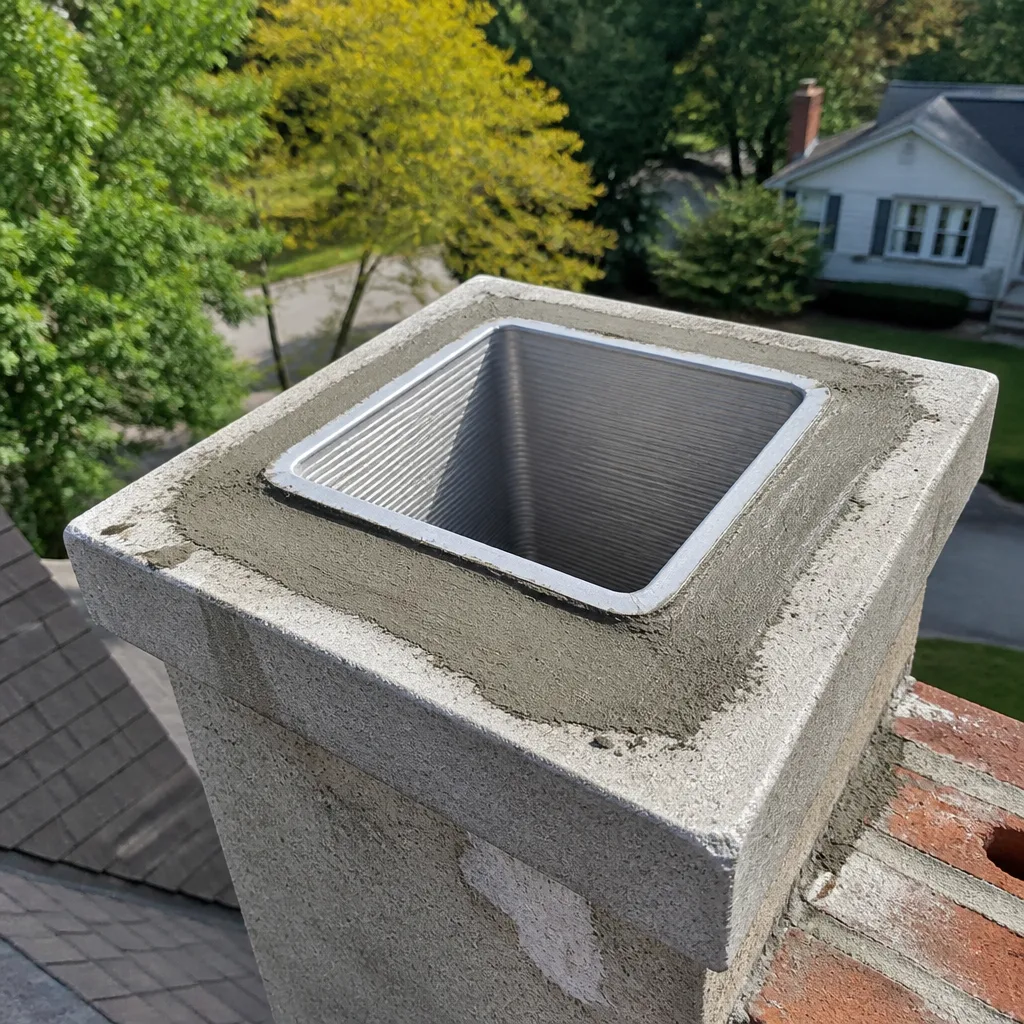 Flue relining
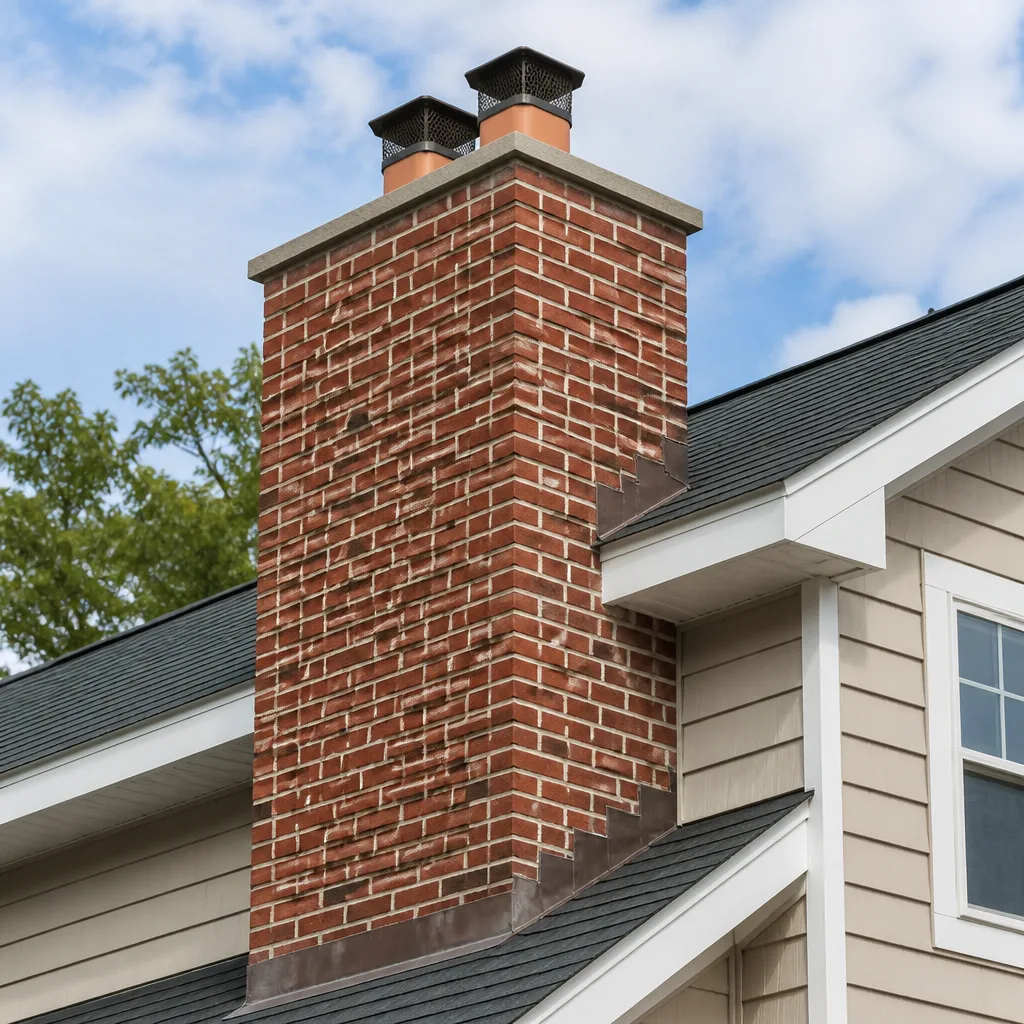 Masonry repair
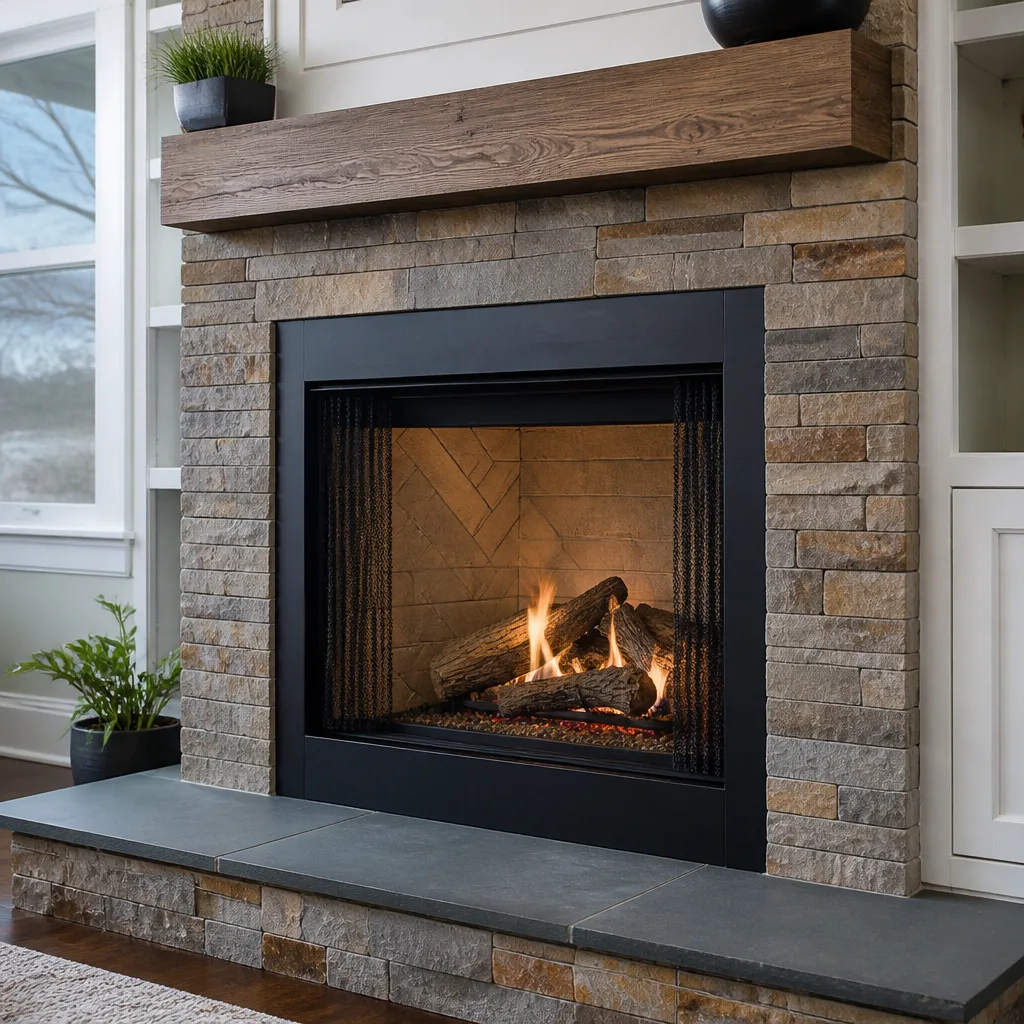 Gas fireplace service
Level 1 sweep and inspection to the NFPA 211 annual standard - flue, crown, cap, and flashing checked and photographed
Chimney sweep logs do not sweep chimneys. They loosen some creosote - which then falls where a brush and vacuum still have to collect it.
Chimney Cleaning Permits, Codes & Inspections in Lakewood, CO: What You Need to Know
Cleaning your chimney needs no permit. Installing a DuraFlex stainless liner to replace a compromised tile system absolutely does, and in Jefferson County that distinction is the line between a repair that passes a future home inspection and one that becomes a sale-killing disclosure. Most homeowners assume chimney work lives entirely outside the permit office. That’s true right up until the sweep’s camera shows cracked flue tiles or a smoke chamber that needs parging, and suddenly you’re in regulated construction territory. This guide maps exactly where cleaning ends and permitted work begins, what a Level 2 inspection must document, and how to verify your contractor is pulling permits when the job requires them. If you own a home in Lakewood, this is the boundary you want to understand before you book anything.
Quick Answer
Routine chimney sweeping in Lakewood requires no permit. But once cleaning reveals a condition that calls for liner replacement, smoke chamber repair, firebox rebuilding, or a new appliance insert, the work crosses into permitted construction under Jefferson County and City of Lakewood codes, and an NFPA 211 Level 2 inspection is often the document that triggers it. Knowing which side of that line your job falls on is what keeps a repair from becoming a disclosure problem later.
Styles & brands we work with
- Sweep & inspection
- Caps & crowns
- Flue relining
- Masonry repair
- Gas fireplace service
Table of Contents
- Where Cleaning Ends and Permitted Chimney Work Begins in Lakewood
- How NFPA 211 Interacts With Colorado Building Codes
- What a Level 2 Inspection Is and When It’s Triggered
- Which Repairs Need Permits and Which Are Maintenance
- How to Verify Your Contractor Is Pulling Permits
- Why Lakewood’s Climate and Housing Stock Matter Here
- Common Mistakes to Avoid
- When to Call a Professional
Where Cleaning Ends and Permitted Chimney Work Begins in Lakewood
Here’s the dividing line, stated as plainly as we can: sweeping removes creosote and debris from an existing, intact flue. Anything that changes the flue system itself is construction, and construction in Lakewood runs through the permit office. The sweep is maintenance. The reline is a structural alteration.
In practice, the threshold shows up the moment a technician’s camera reveals one of these conditions:
- Cracked or spalled flue tiles with gaps that let heat or gases escape the liner.
- A missing or deteriorated liner in an older masonry chimney.
- Smoke chamber damage where the shelf above the damper has eroded and needs parging.
- Firebox mortar joints that have opened enough to compromise the box.
- A new appliance insert being connected to an existing flue that wasn’t sized or listed for it.
Any of those moves the job out of “maintenance” and into “permitted work.” Jefferson County and the City of Lakewood both treat a flue liner replacement, a firebox rebuild, or a new appliance installation as construction that requires a permit, and the inspection that follows is the record that the work was done to code. A sweep-only visit that quietly skips that step looks identical on the invoice and completely different at resale.
This is the part of the job we take seriously at Oasis Chimney Sweep. We perform the chimney sweep and the inspection, and when the inspection reveals work that needs a permit, we say so plainly rather than closing the job and moving on. Homeowners deserve to know which category their repair falls into before the work starts, not after an inspector or a buyer’s agent asks for documentation.
How NFPA 211 Interacts With Colorado Building Codes
NFPA 211 is the national standard for chimneys, fireplaces, vents, and solid fuel appliances. It is not itself a law, but Colorado jurisdictions adopt it by reference, and Jefferson County and the City of Lakewood both rely on it when evaluating chimney work. That matters because NFPA 211 sets the inspection levels and the clearance and liner requirements that a local permit inspector will use as the yardstick.
The practical result is a two-layer standard. Local code tells you whether a permit is required. NFPA 211 tells the inspector what an acceptable job looks like once the permit is pulled. A liner installation can pass a local inspection and still fail an NFPA 211 review if the liner isn’t listed for the appliance, isn’t sized to the flue, or wasn’t installed with the required clearances.
Where this gets homeowners in trouble is at a real estate transaction. A buyer’s inspector runs a Level 2 inspection, finds a flue that doesn’t meet NFPA 211, and the seller has to either fix it or disclose it. That’s not a scare tactic; it’s the ordinary rhythm of home sales in Lakewood, where a lot of the housing stock predates the current standards. We wrote a separate guide on chimney repair that walks through the common repair scenarios, but the code question is separate: was the work permitted, and does it meet the standard the inspector will apply? Those are two different answers, and a homeowner needs both before listing or buying.
What this means for you: when a sweep tells you the flue is “fine,” ask which standard they’re measuring against. NFPA 211 compliance is the answer that survives a sale, a refinance, or an insurance review.
What a Level 2 Inspection Is and When It’s Triggered
A Level 2 inspection is a visual inspection of the accessible portions of the chimney, including the flue interior by camera, the firebox, the smoke chamber, the damper, the crown, and the exterior, plus a check of the appliance connections and clearances. It is more thorough than the Level 1 inspection you’d get as part of a routine sweep, and it produces documentation you can hand to a buyer, an insurer, or a permit inspector.
NFPA 211 triggers a Level 2 inspection in specific circumstances:
- A home sale or transfer. A buyer’s inspector or a lender asks for documented condition of the chimney.
- A change in appliance. Adding an insert, switching fuel types, or replacing a stove requires the flue to be re-evaluated for the new appliance.
- After a chimney fire. Even a small one can damage tiles and the smoke chamber in ways that aren’t visible from the firebox.
- After an earthquake, a lightning strike, or a known event that could have damaged the chimney structure.
- When a Level 1 inspection turns up a condition that warrants a closer look. If the sweep sees cracked tiles or a damaged smoke chamber, the next step is a Level 2.
What the Level 2 must produce is not just a verbal “looks good.” It should yield a written report with photographs of the flue interior, the smoke chamber, and the firebox, plus a description of any defect and the recommended repair. In Lakewood, where a lot of chimneys were built before current liner standards, the Level 2 is often the document that reveals work the seller didn’t know was needed. That report is exactly what a buyer, an insurer, or a permit office will ask for, so it pays to have it in hand before you need it.
We run Level 2 inspections as part of our core work, and we produce a photo report because a homeowner should be able to see the flue for themselves rather than take a technician’s word for it. That’s not an upsell; it’s how you know your fire is safe before you light it.
Which Repairs Need Permits and Which Are Maintenance
This is the table homeowners ask us for most often. The split isn’t arbitrary; it follows whether the work changes the flue system (permitted) or restores an existing intact system (maintenance). Here’s how it tends to break down in Lakewood:
| Work | Category | Permit |
|---|---|---|
| Sweeping and creosote removal | Maintenance | No |
| Level 1 or Level 2 inspection | Maintenance / documentation | No |
| Minor crown repair or flue cap replacement | Maintenance | Usually no |
| Liner relining (stainless or cast-in-place) | Construction | Yes |
| Smoke chamber repair or parging | Construction | Yes, in most cases |
| Firebox rebuild | Construction | Yes |
| New appliance insert installation | Construction | Yes |
| Full chimney rebuild or upper-stack work | Construction | Yes |
The line between “usually no” and “yes” for crown and smoke chamber work depends on scope. A cracked crown cap resealed is maintenance. A crown that has failed structurally enough to let water into the masonry is construction. The same logic applies to smoke chamber parging: restoring an eroded shelf with a product like HeatShield is repair, but when it’s part of a larger reline or firebox job, it’s folded into the permitted work.
For the construction side, the materials matter to the inspector. We use DuraFlex flexible liner systems because they’re listed for the appliance and the flue configuration, and because older Lakewood flues with offsets and irregular shapes need a liner that can fit the actual geometry rather than a rigid pipe forced into place. We also use HeatShield for smoke chamber restoration and parging where the chamber can be repaired rather than rebuilt. Both brands are recognized professional-grade product lines, and using them is part of how a permitted job passes inspection the first time.
When you’re weighing the scope, it helps to know what the market typically looks like for a permitted reline or repair. The written estimate sets the final price, but a homeowner should ask for it in writing with the permit scope named, not folded into a single number that hides whether the permit was pulled.
How to Verify Your Contractor Is Pulling Permits
The uncomfortable truth is that some chimney companies quietly skip the permit step to close jobs faster. The work may look fine, the price may be lower, and the homeowner may never know until a sale, an insurance review, or a post-fire investigation forces the question. Here’s how to make sure that isn’t your situation:
- Ask before booking. When you get the estimate, ask directly: “Will this job require a permit, and will you pull it?” A contractor who can’t answer clearly is telling you something.
- Get the permit number in writing. Once the job is permitted, ask for the permit number and the jurisdiction (City of Lakewood or Jefferson County). It should appear on your paperwork.
- Confirm the final inspection. Permitted work gets inspected. Ask when the inspection is scheduled and get the sign-off documented.
- Match the estimate to the scope. If the estimate says “liner replacement” but the conversation never mentioned a permit, the estimate is incomplete.
- Check the license and insurance. A contractor pulling permits is a contractor whose license and insurance are current. Ask for both.
At Oasis Chimney Sweep we handle the sweep, the inspection, and the repair under one contractor, so there’s no handoff between the person who found the problem and the person who fixes it. When the repair requires a permit, we pull it, and the inspection that follows is part of the job, not an extra step handed off to someone else. That’s the accountability a homeowner should expect from any chimney contractor in Lakewood.
One more check: ask whether the company works with recognized product lines like DuraFlex, HeatShield, Gelco, Olympia Chimney, Famco, or Copperfield. A contractor who uses professional-grade materials is a contractor whose work will hold up to an inspector’s review. A contractor who won’t name what’s going into your flue is a contractor whose permit you should verify twice.
Why Lakewood’s Climate and Housing Stock Matter Here
Lakewood sits at the base of the Front Range, and the freeze-thaw cycle here is hard on masonry. Water works into mortar joints and crowns, freezes overnight when the temperature drops, expands, and opens the joint a little wider each season. Over enough winters, a hairline crack in a crown becomes a path for water into the flue structure, and a flue that was fine at the last sweep is suddenly a candidate for a permitted repair.
That cycle is one reason we see so much crown and smoke chamber work in Lakewood. The other is the housing stock. A lot of Lakewood homes were built in the mid-twentieth century, and many still carry their original clay tile liners. Those liners were sized for the appliances of their era, and they were never meant to vent a modern insert. When a homeowner adds one, the flue needs to be re-evaluated, which is a Level 2 inspection and, if the liner isn’t suitable, a permitted reline. Older neighborhoods around Lakewood, including the areas near Belmar and the streets west of Sheridan, have a lot of these mid-century chimneys.
The dry, windy stretches between storms matter too. Creosote builds up faster in a chimney that’s used heavily during cold snaps, and the combination of dry wood and a cool flue produces the kind of glazed creosote that a standard sweep has trouble removing. That’s a cleaning problem, not a permit problem, but it’s the reason a sweep in Lakewood should always include an inspection. You can’t separate the cleaning from the condition assessment when the climate is actively working on your masonry.
If you’re new to the area or new to a home with a fireplace, our Lakewood guide covers the local service context. The short version: this is a climate that rewards annual inspections, not just annual sweeps.
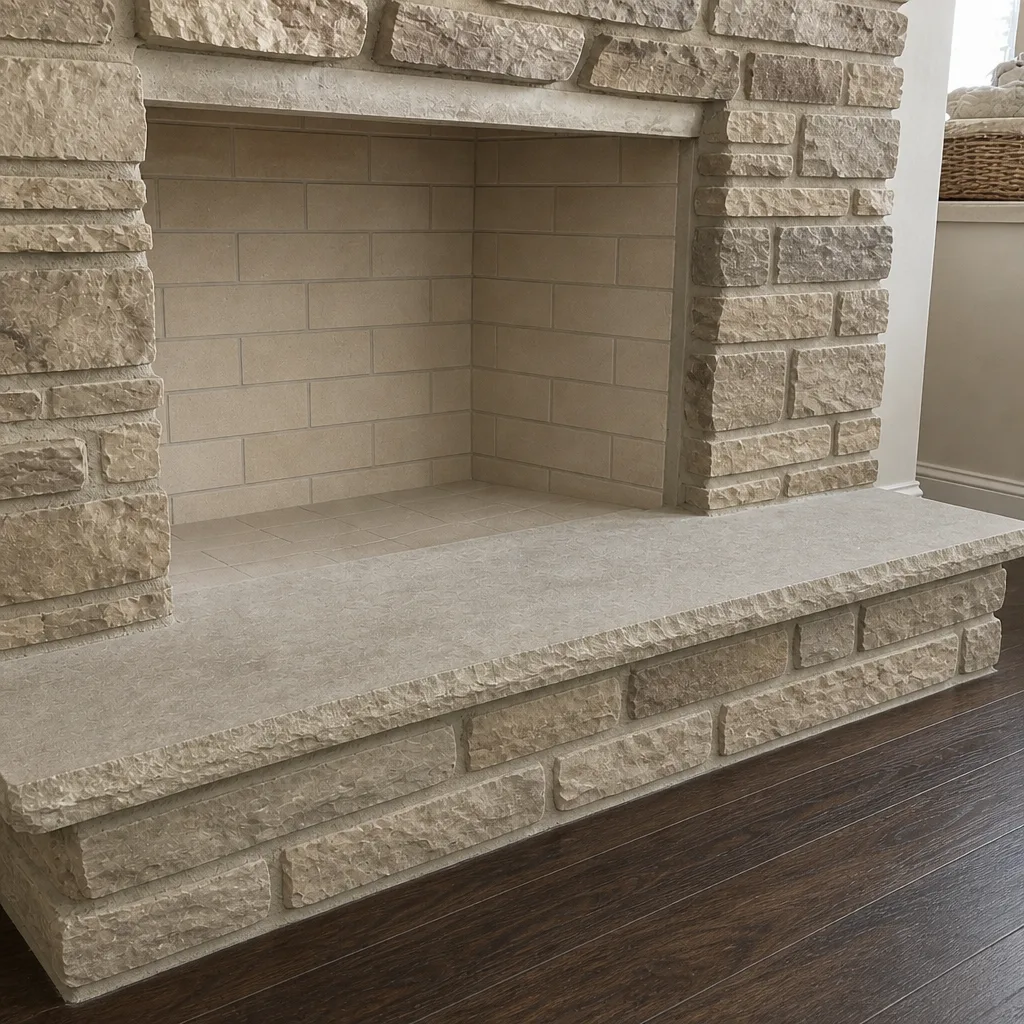
See the difference
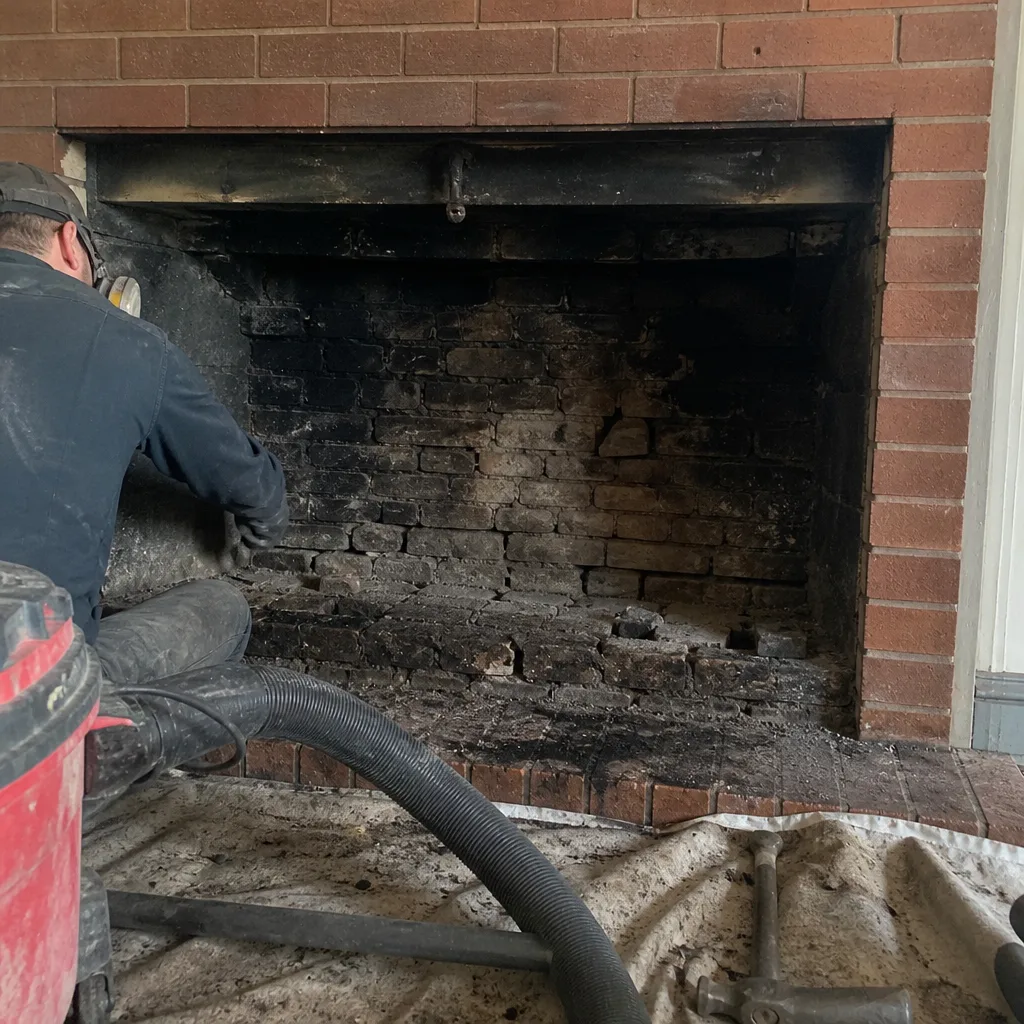 Before
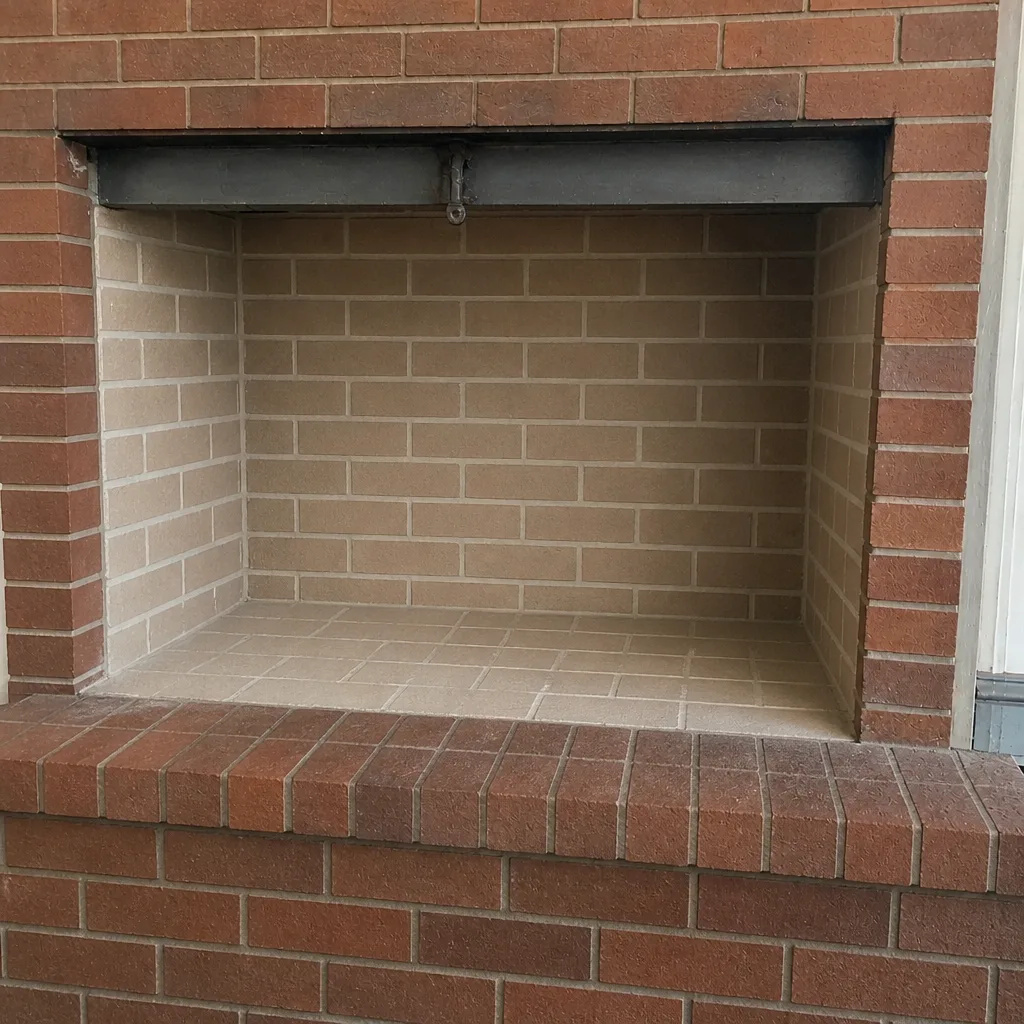 After
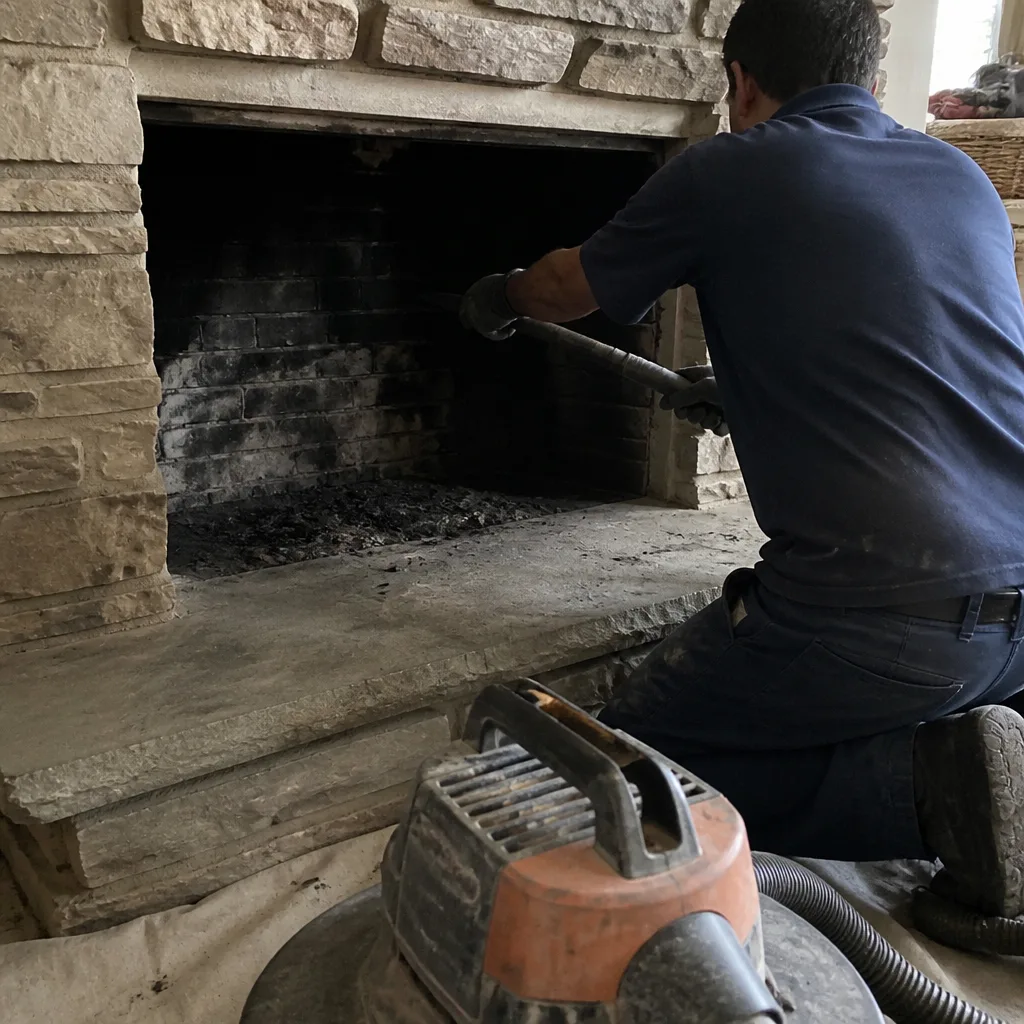 Before
 After
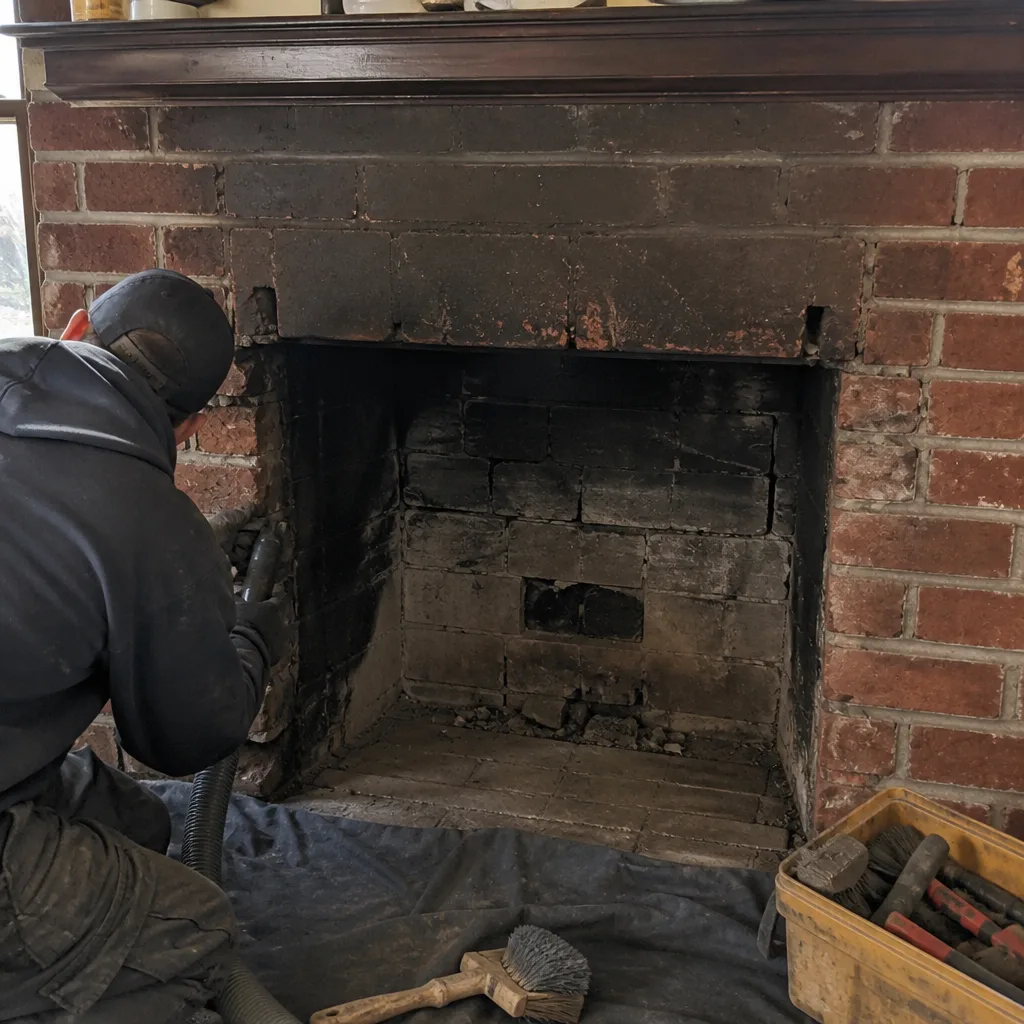 Before
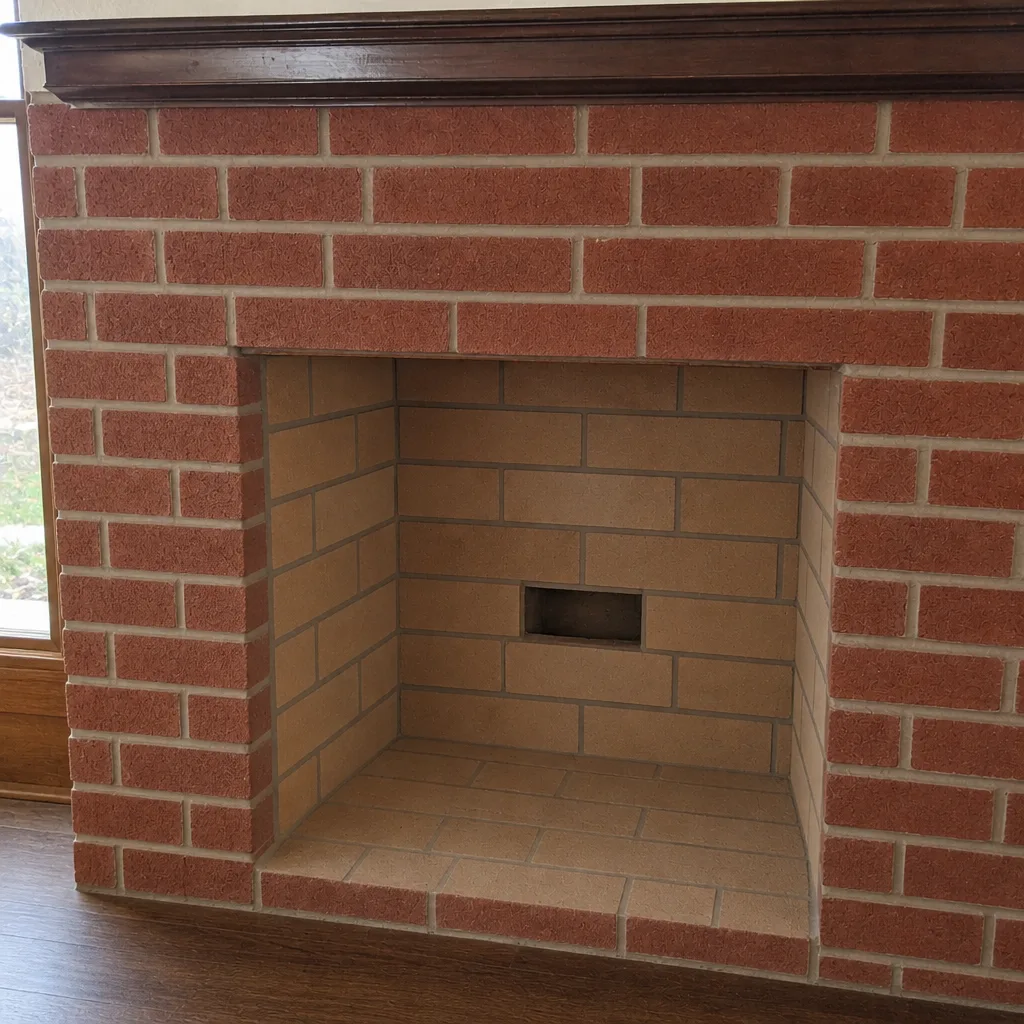 After
Common Mistakes to Avoid
- Assuming all chimney work is permit-free. Cleaning is maintenance, but a reline, smoke chamber repair, or firebox rebuild is permitted construction in Lakewood. Skipping the permit is a problem the homeowner inherits, not the contractor.
- Not asking for the Level 2 report in writing. A verbal “the flue looks good” doesn’t survive a home sale. Ask for the photo report and keep it with your home records.
- Accepting a low bid that doesn’t name the materials. A reline using an unlisted liner is a future inspection failure. Ask which liner system is going in and confirm it’s listed for your appliance.
- Confusing a sweep with an inspection. The sweep removes creosote. The inspection tells you whether the flue is safe. They’re different services, and a sweep that doesn’t inspect hasn’t told you anything about condition.
- Waiting for a home sale to find out the flue is non-compliant. A Level 2 inspection before listing gives you time to schedule the permitted repair rather than negotiating it under pressure.
- Assuming a new insert is a plug-and-play upgrade. An insert requires the flue to be evaluated and often relined to match the appliance. That’s permitted work, and the inspection that follows is part of the project.
- Skipping the annual inspection because the fireplace “works fine.” A chimney can draft well and still have cracked tiles or a damaged smoke chamber. The fire working isn’t evidence the flue is safe.
When to Call a Professional
Call a professional when you’re buying or selling a home with a fireplace, when you’ve added or plan to add an insert, after any chimney fire, when you’ve noticed creosote buildup that a standard sweep can’t clear, or when you simply haven’t had the flue inspected and you light fires regularly. Those are the scenarios where the code question and the safety question meet. If you’re in Lakewood and you’re not sure which side of the permit line your chimney sits on, that’s a good reason to have someone look before you schedule anything. Oasis Chimney Sweep offers free estimates in Lakewood, and we’ll tell you plainly whether your job is maintenance or permitted work. Call (888) 320-6023. We answer 24/7. Fast dispatch from 7am to 7pm, Sunday through Friday. Our technicians have up to 14 years of experience, and they’ll show you what they find rather than just tell you.
Frequently Asked Questions
No. Routine chimney sweeping is maintenance and requires no permit in Lakewood or Jefferson County. A permit enters the picture only when the sweep or inspection reveals a condition that calls for construction, such as liner replacement, smoke chamber repair, a firebox rebuild, or a new appliance insert. Call (888) 320-6023 for an exact quote – estimates are free.
Chimney work requires a permit in Lakewood when it changes the flue system: liner relining, smoke chamber parging that goes beyond a minor repair, firebox rebuilding, or installing a new appliance insert. Sweeping, inspection, and minor crown or cap repair are generally maintenance and don’t require one. The jurisdiction is either the City of Lakewood or Jefferson County, depending on where the home sits, and the contractor should name it on the estimate. Call (888) 320-6023 for an exact quote – estimates are free.
A Level 2 inspection is a camera-based visual inspection of the accessible chimney interior, firebox, smoke chamber, damper, crown, and exterior, and NFPA 211 triggers it during a home sale, after a change in appliance, after a chimney fire, after a known event like an earthquake, or when a Level 1 inspection finds a condition warranting a closer look. It should produce a written report with photographs. If you’re not sure whether your situation calls for one, call (888) 320-6023 for an exact quote – estimates are free.
Yes. A Level 2 report is the document a buyer’s inspector, a lender, or an insurer will ask for, and having it before listing lets you schedule any permitted repair on your own timeline rather than negotiating it under pressure. The photo report shows the actual condition of the flue, which is more useful to a buyer than a verbal summary. Call (888) 320-6023 for an exact quote – estimates are free.
Ask for the permit number and the jurisdiction (City of Lakewood or Jefferson County) in writing before the work begins, then confirm the final inspection is scheduled and documented. A contractor who can’t produce a permit number for permitted work is telling you they skipped the step. Check license and insurance while you’re at it. Call (888) 320-6023 for an exact quote – estimates are free.
You need a new liner only when the existing one is compromised, and the proof should be visible to you: photographs of cracked or spalled tiles, gaps, or a missing liner in the camera footage. At Oasis Chimney Sweep we don’t recommend a reline without camera evidence you can see for yourself, and we’ll tell you plainly when a repair can safely wait. DuraFlex and HeatShield are the materials we use for relining and smoke chamber repair because they’re listed for the job. Call (888) 320-6023 for an exact quote – estimates are free.
The Bottom Line
Cleaning your chimney in Lakewood needs no permit. The moment the inspection reveals cracked tiles, a damaged smoke chamber, or a new insert going in, the work crosses into permitted construction under Jefferson County and City of Lakewood codes, and a Level 2 inspection is the document that records the condition of your flue. NFPA 211 is the standard the inspector applies, and it’s the standard that survives a home sale. Verify your contractor pulls permits when required, asks which liner system is going in, and shows you the camera footage rather than just describing it. That’s the difference between maintenance and a disclosure problem. Oasis Chimney Sweep handles the sweep, the inspection, and the repair under one contractor, so the person who finds the problem is the person who fixes it.
Call (888) 320-6023 for a free estimate. We answer 24/7. Fast dispatch from 7am to 7pm, Sunday through Friday.
Written by the team at Oasis Chimney Sweep.