
Last updated November 15, 2026
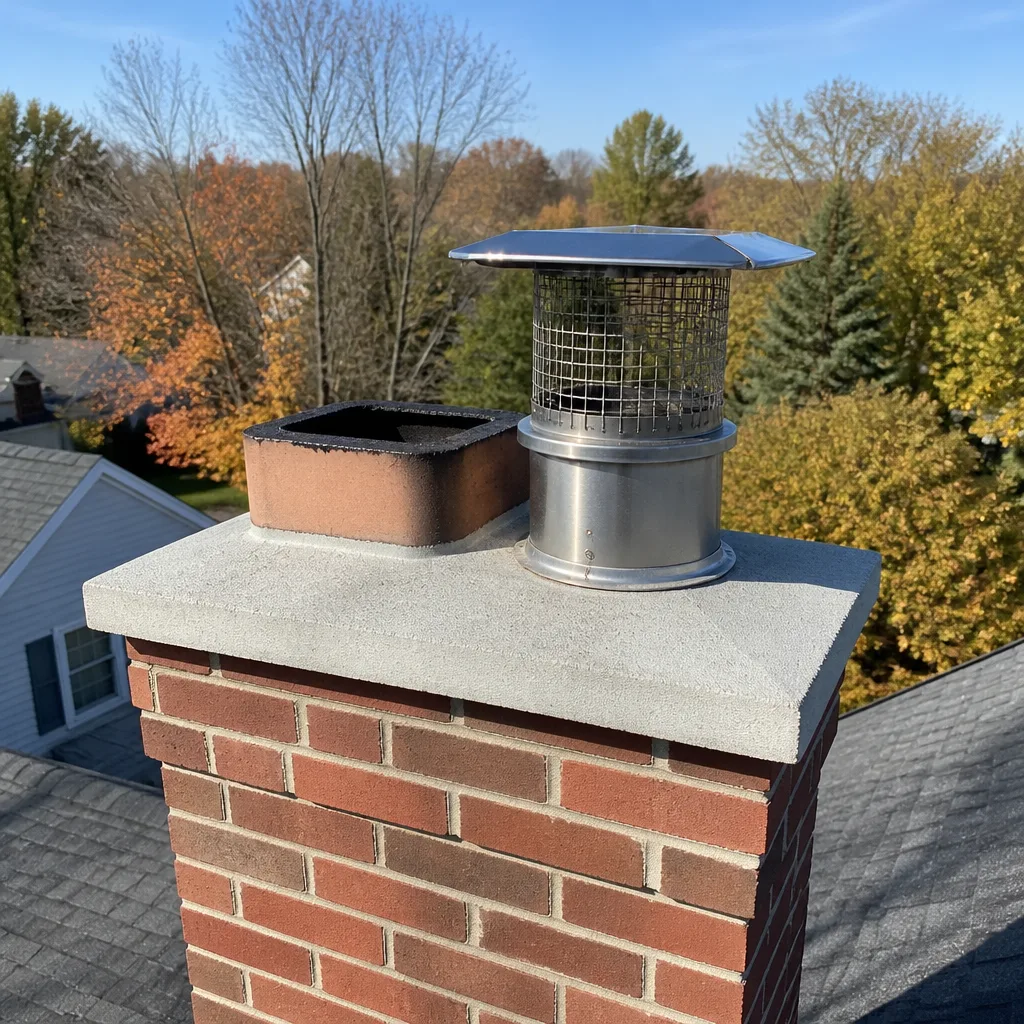 Sweep & inspection
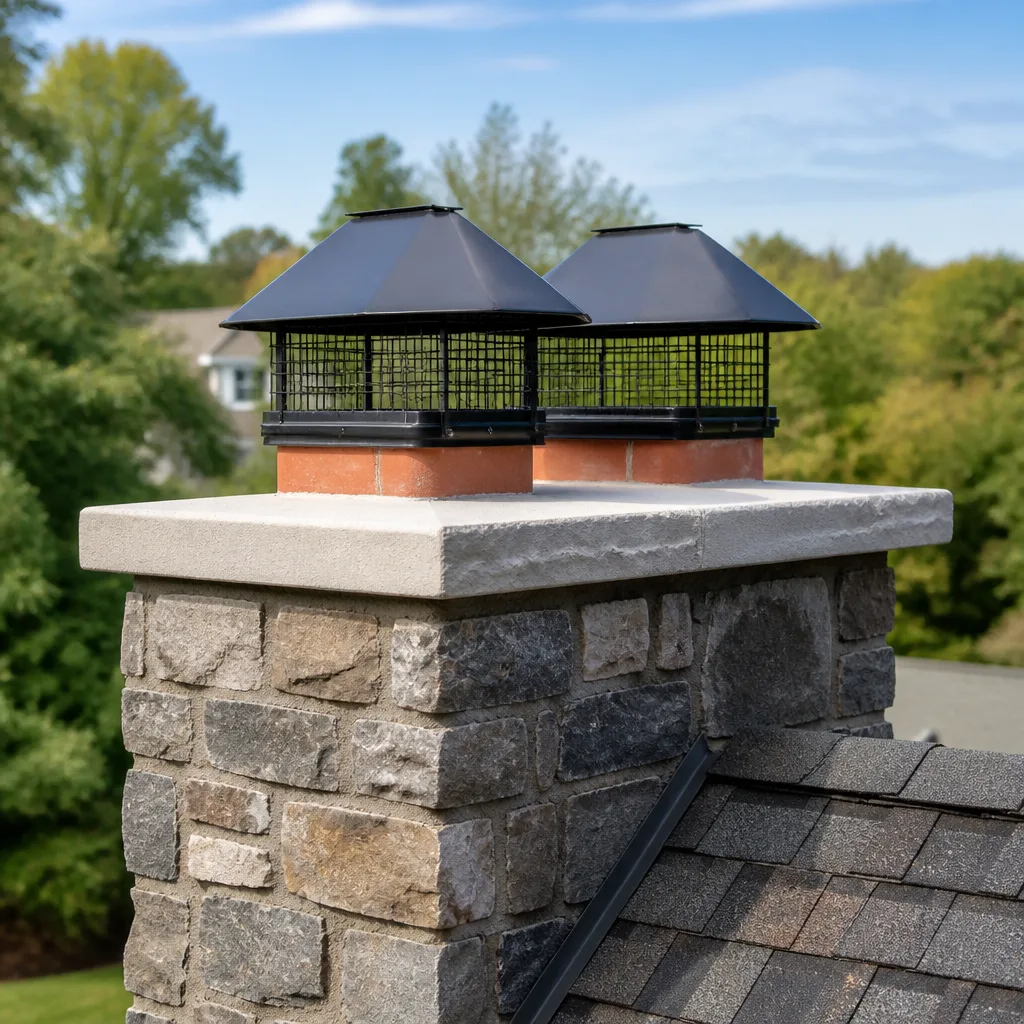 Caps & crowns
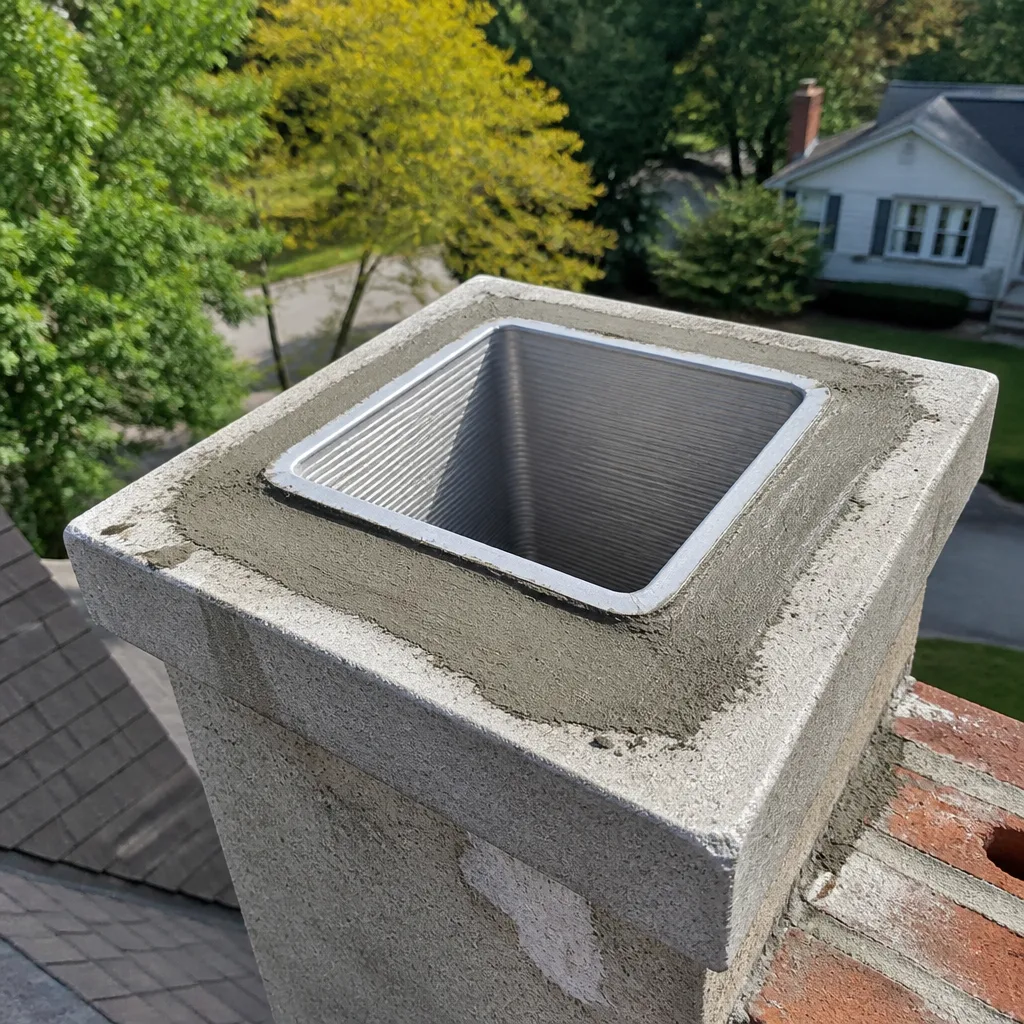 Flue relining
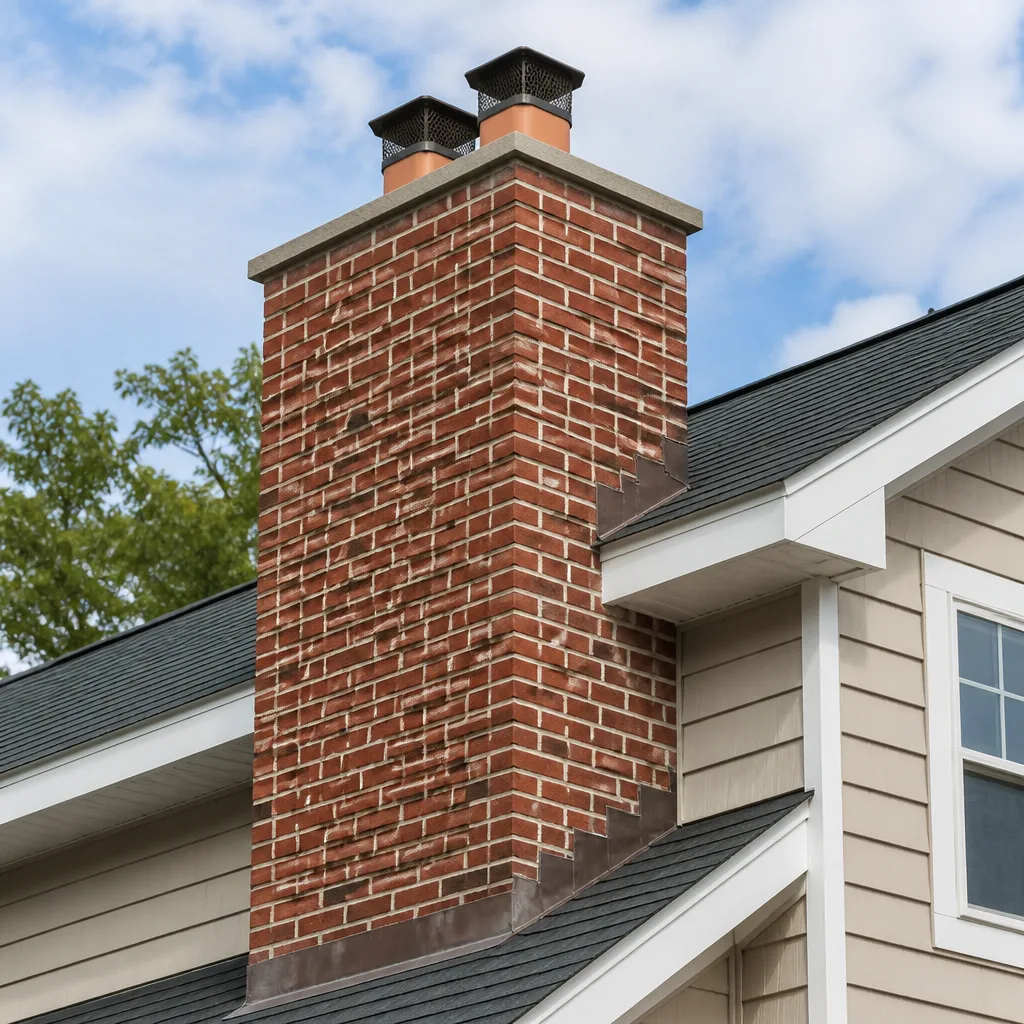 Masonry repair
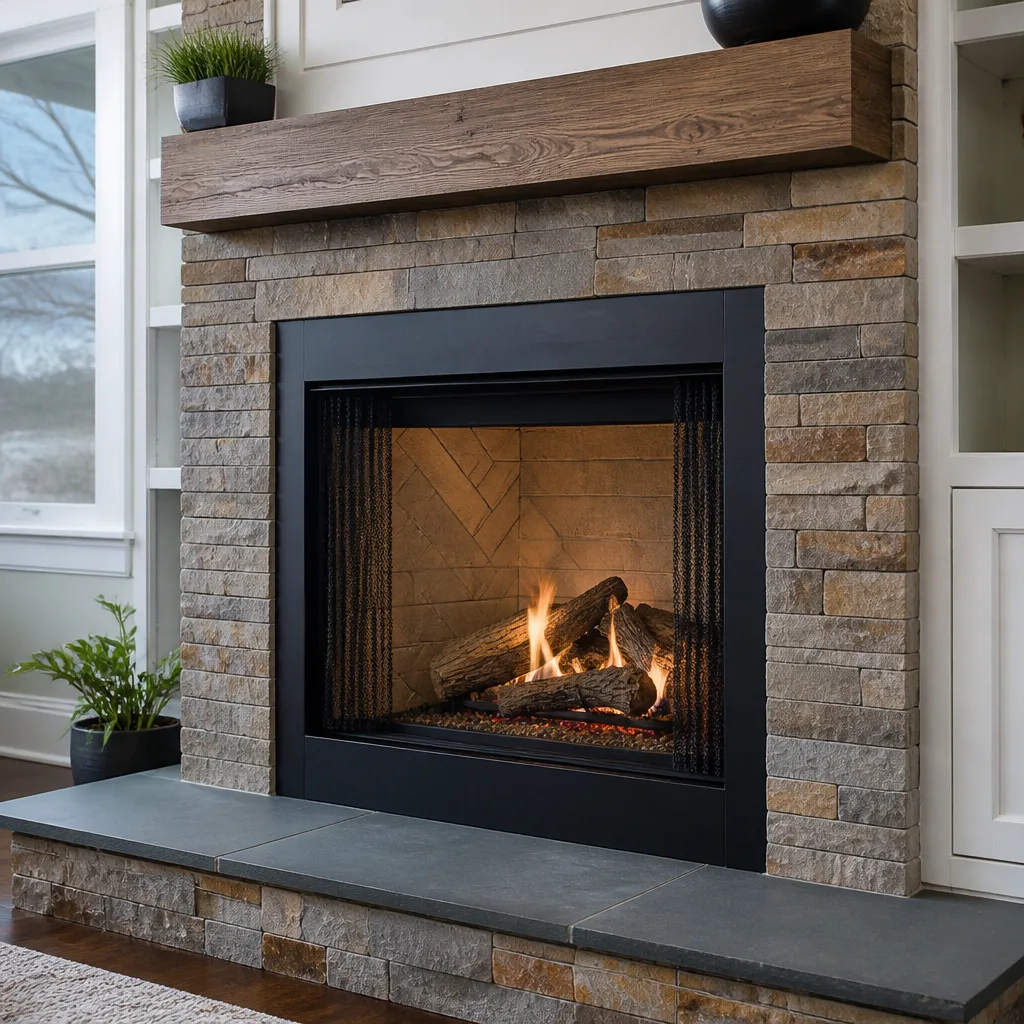 Gas fireplace service
Level 1 sweep and inspection to the NFPA 211 annual standard - flue, crown, cap, and flashing checked and photographed
Chimney sweep logs do not sweep chimneys. They loosen some creosote - which then falls where a brush and vacuum still have to collect it.
Chimney Sweep Maintenance Checklist for Lakewood Homeowners
Most chimney maintenance checklists hand you ten generic boxes that could apply to a house in Maine or Arizona just as well as one in Lakewood. That’s the problem. The single most skipped item on a homeowner’s list usually isn’t the flue sweep at all. It’s the smoke chamber, the rough-poured shelf above the damper that quietly loses efficiency and traps creosote in older homes around town. This guide is different. It’s built around what Lakewood’s dry winters, spring freeze-thaw cycles, and common mid-century brick construction actually ask of a chimney. You’ll get a working checklist you can act on, not a laminated sheet you file and forget. We’ll walk through a month-by-month calendar, what you can safely check yourself, what needs a camera, and how to keep records that hold up at an insurance audit or a home sale.
Styles & brands we work with
- Sweep & inspection
- Caps & crowns
- Flue relining
- Masonry repair
- Gas fireplace service
Quick Answer
A Lakewood chimney maintenance checklist should combine annual professional sweeping and inspection with seasonal homeowner checks. Sweep and inspect before the heating season, watch the exterior masonry after late-winter freeze-thaw, check the damper and crown yourself between visits, and keep written records of every sweep, camera inspection, and repair. A chimney sweep once a year, timed to your burning habits, is the backbone of the whole plan.
Table of Contents
- Quick Answer
- Why Lakewood Chimneys Age Differently
- The Lakewood Month-by-Month Maintenance Calendar
- What You Can Check Yourself vs. What Needs a Camera
- Exterior Masonry After Lakewood’s Freeze-Thaw Cycles
- The Smoke Chamber: The Most Overlooked Item
- Tracking HeatShield and Refractory Repair History
- A Documentation Template for Sales and Insurance
- Common Mistakes to Avoid
- When to Call a Professional
- Frequently Asked Questions
- The Bottom Line
Why Lakewood Chimneys Age Differently
Houses in Lakewood sit at the edge of the plains, where dry air, strong sun, and a wide swing between daytime and overnight temperatures all work on a chimney the same way. That combination is why a chimney here doesn’t simply “wear out” on a smooth curve. It tends to hold up for long stretches and then show damage quickly after a hard winter. The masonry expands when the sun hits it and contracts when the temperature drops overnight. Any water that works into a hairline crack gets pushed around with it, cycle after cycle.
The other factor is construction era. Much of Lakewood’s housing stock went up during the post-war decades, and many of those fireplaces were built with a rough-poured smoke chamber that was never properly parged smooth. Those chambers catch creosote and slow the draft. A sweep who only runs a brush up the flue and leaves won’t touch that. A full inspection that includes the smoke chamber and a camera run up the flue tells you what you actually have.
We’re Oasis Chimney Sweep, and the reason we focus on inspection and diagnosis rather than just cleaning is simple. A chimney is a system, and you can only maintain what you can see. A checklist is useful when it prompts you to look at the right parts at the right time of year. So the sections below follow Lakewood’s seasons, not a universal template.
The Lakewood Month-by-Month Maintenance Calendar
Most fireplaces in Lakewood see the heaviest use from late fall through early spring, then go quiet over the summer. The maintenance plan has to follow that rhythm. The shoulder seasons (the weeks between consistent heating use and full summer dormancy) are when the most useful work gets done, because the chimney is idle and easy to examine closely. Keep this calendar in mind, and adjust it to how much you actually burn.
- September: Book your pre-season sweep and inspection before the first cold snap. Get the flue cleaned, the smoke chamber checked, and the exterior crown and flashing looked at. This is the single most important appointment of the year.
- October: Verify the damper opens and closes fully, confirm the spark screen or cap is intact, and do a short test burn to check draft before you commit to regular use.
- November through February: Burn season. Watch for smoke rolling back into the room, a weak or lazy draft, or a creosote smell on warm days. These are signals to call rather than wait for spring.
- March: Late-winter freeze-thaw is the harshest stretch on exterior masonry. Do a walk-around from the ground and note any new cracks, loose mortar, or white staining on the brick.
- April: Book a post-season inspection if you burned heavily. This catches damage early and lets you plan repair work over the mild months rather than scrambling in the fall.
- May through July: If a liner repair or relining is needed, this is the window. Materials like HeatShield cure and set under controlled conditions, and the downtime doesn’t cost you any burning days.
- August: Clean up your records, note any repairs done over the summer, and rebook the September sweep so you start the next season with a verified chimney.
If you only do one thing on this calendar, do September. Everything else depends on knowing the chimney’s condition before the season starts. A chimney repair discovered in September can be scheduled; one discovered in December is an emergency.
What You Can Check Yourself vs. What Needs a Camera
You don’t need to be a chimney sweep to keep a close eye on your own fireplace. Some items are genuinely safe and useful for a homeowner to check. Others require a camera, and still others should be left alone because getting them wrong is dangerous. Here’s the split.
Safe for you to check:
- Damper movement. Open and close the damper by hand. It should move without grinding, sticking, or leaving a visible gap when closed. A damper that won’t seat fully is leaking warm air up the flue all winter.
- Crown condition from the ground. Use binoculars. The crown is the concrete cap at the very top. Look for cracks wider than a hairline, crumbling edges, or a crown that has pulled away from the flue tile.
- Efflorescence. That chalky white staining on exterior brick is a sign moisture is moving through the masonry. It’s not a panic item, but it’s a strong prompt to get the chimney looked at.
- Cap and spark screen. Confirm the cap is secure and the screen has no holes. A missing cap lets rain, birds, and debris straight into the flue.
- Creosote smell. A sharp, smoky smell on a warm day means creosote buildup is present and the flue may be overdue.
Needs a camera inspection:
- The interior of the flue, especially around offsets and the smoke chamber.
- Hairline cracks in flue tiles, which you cannot see from the firebox.
- Whether an existing liner is intact or has pulled away from the wall.
- The condition of the smoke chamber shelf after any past patch work.
Leave to a trained technician: the firebox refractory, the damper assembly itself, and anything involving the liner or the structure of the flue. A camera inspection with a photo report is the only way to know the flue is sound, and we include it as part of the full inspection so you see what we see.
Exterior Masonry After Lakewood’s Freeze-Thaw Cycles
Late winter and early spring are when exterior masonry takes its worst beating in Lakewood. Water gets into small cracks or porous brick during the day, then freezes and expands overnight. That freeze-thaw motion widens cracks and loosens mortar joints over time. By the time the snow is gone, a chimney wall that looked fine in October can show spalling, stepped cracks, or a crown that’s begun to fail.
Do a walk-around in March and again in April. You’re looking for a short list of specific things:
- Spalling brick. Brick faces that have flaked or popped off, leaving a rough divot. This means water is getting in and the brick can’t dry out fast enough.
- Cracked or receding mortar joints. Look at the horizontal and vertical lines between bricks. If the mortar is crumbling or set back from the brick face, it needs repointing.
- Crown separation. The crown should overhang the chimney slightly and slope away from the flue. A crack that runs across the crown or a gap where it meets the flue is the most common entry point for water.
- Flashing. The metal where the chimney meets the roof. Lift or peel-back around the edges is where roof leaks start.
- White efflorescence. Chalky staining means moisture is cycling through the masonry, even if no crack is visible yet.
We’ve seen how quickly a small crown crack becomes a bigger repair once the freeze-thaw cycle gets a second and third season to work. That’s why spring is the time to catch it, not fall. By the time you’re ready to burn again, the damage is set.
The Smoke Chamber: The Most Overlooked Item
Ask most homeowners what’s above the damper and you’ll get a blank look. That’s the smoke chamber, the tapered space between the firebox and the flue. In older Lakewood homes it was often poured rough, with corbelled brick that juts into the path of the smoke. Every rough edge is a place where creosote settles and draft slows. Over years, that adds up to a chimney that smokes back, heats poorly, and builds dangerous deposits faster than a smooth flue would.
Here’s the problem with the smoke chamber: you can’t see it from the firebox or the rooftop. It needs a camera run up the flue with the damper open, and a technician who knows what a healthy chamber looks like versus one that’s been patched. That’s why a camera inspection matters more here than almost anywhere else in the chimney.
When the smoke chamber needs work, the professional approach is resurfacing rather than rebuilding. We use the HeatShield ceramic resurfacing system, which smooths and insulates the chamber walls back to a consistent surface without tearing out the masonry. That’s a repair-first option, and it’s often the right call when the chamber is rough but structurally sound. Where the flue itself needs relining, we specify DuraFlex flexible liner systems because they fit older and irregular flue shapes that a rigid liner can’t accommodate. A chimney contractor who only carries generic stock can’t offer those options, and you get pushed toward tear-out when a resurfacing repair would have done the job.
If you’ve never had the smoke chamber checked, add it to the checklist. We include it as standard in our inspection because it’s the component that most affects efficiency in the homes we see across Lakewood, and it’s the one most often skipped.
Tracking HeatShield and Refractory Repair History
Chimney repairs aren’t a one-and-done event. A resurfaced smoke chamber, a repointed crown, a parged firebox: each one has a working life, and the next technician needs to know what was done and when to assess whether it’s holding. If you don’t track it, the next sweep is guessing.
Keep a simple log for every repair. The key details are:
- Date and type of repair. For example, “smoke chamber resurfaced with HeatShield, spring.” Note the product line, not just “repaired.”
- Which component. Crown, firebox refractory, smoke chamber, flue liner, flashing, damper.
- Material or system used. HeatShield, DuraFlex, Gelco, Copperfield, or another named product. The brand tells the next technician what to expect when they inspect.
- Condition at last inspection. Note whether the repair was holding, showing minor wear, or flagged for future attention.
- Photos. Keep the camera inspection photos with the log. Photos are the single most useful record at a home sale or insurance audit.
Why does the product line matter so much? Because HeatShield resurfacing and a full DuraFlex relining age differently and are inspected differently. If the next sweep doesn’t know a chamber was resurfaced, they can mistake a sound repair for original rough masonry and recommend unnecessary work. We keep records for exactly this reason, and so should you.
A Documentation Template for Sales and Insurance
When you sell a house in Lakewood or your insurer asks about chimney history, you don’t want to be hunting through drawers. A single maintained file solves both. Here’s a simple template you can set up in a spreadsheet or on paper.
- Property line. Address and the year the chimney was last fully inspected.
- Service log. Date, service type (sweep, inspection, repair), and who performed it. Include the camera inspection date and the photo report.
- Repair history. Each repair with the component, the product used, and the condition at the most recent review.
- Exterior observations. Spring walk-around notes: crown condition, flashing, any spalling or efflorescence spotted.
- Open items. Anything flagged as “watch” or “repair when convenient,” so nothing gets lost between seasons.
That file answers the questions a buyer’s inspector or an insurance auditor will actually ask. It also makes your own decisions easier, because you can see the pattern of a chimney’s condition over several years rather than guessing from a single look. When you call us for an inspection, we’re glad to work from the file and add to it.
Common Mistakes to Avoid
- Skipping the sweep because you “only burn a little.” Even light use builds creosote, and a slow-building deposit is the one that catches people out. The flue doesn’t care how often you light a fire; it cares what’s in it.
- Assuming a camera inspection isn’t necessary. The flue and smoke chamber can’t be seen from the firebox. Without a camera run and photo report, you’re maintaining a chimney on faith, not evidence.
- Ignoring the smoke chamber because it’s not on the standard checklist. In older Lakewood homes, a rough chamber is the most common efficiency loss. Ask specifically whether it was checked.
- Ignoring March and April walk-arounds. Freeze-thaw damage is easiest to catch in spring, right after it happens. By fall, a small crack has had a whole summer to let water in.
- Letting a repair go undocumented. If a future sweep doesn’t know a chamber was resurfaced, they may recommend work that isn’t needed. Keep the log.
- Treating the crown as cosmetic. A cracked crown is the most common way water reaches the flue. It’s a repair, not a tidy-up.
- Booking the sweep for the first cold week. That’s when everyone calls. A September appointment gets you ahead of the rush and gives time to plan any repair.
When to Call a Professional
Some items on this checklist are safe for you to handle on your own: damper movement, a ground-level look at the crown, a note about efflorescence. Others need a trained eye and a camera. Call us when you see smoke rolling back into the room, a sharp creosote smell on warm days, new cracks or spalling on the exterior after a hard freeze, a damper that won’t seat, or a fireplace that’s burning poorly compared to previous years. Call too if you’ve never had the smoke chamber inspected, or if a past repair needs a condition check before you burn again. If you’re not sure which category you’re in, that’s fine. An inspection sorts it out, and it’s often the fastest way to stop worrying. Oasis Chimney Sweep offers free estimates in Lakewood – call (888) 320-6023. We answer 24/7. Fast dispatch from 7am to 7pm, Sunday through Friday.
Frequently Asked Questions
Once a year is the standard baseline, timed to your burning habits. If you burn regularly through the winter, schedule the sweep before the season starts in September, and consider a post-season inspection in spring after heavy use. Homes with light use can sometimes extend the interval, but the annual inspection should still happen. The sweep cleans; the inspection tells you whether the chimney is safe to use. Call (888) 320-6023 for a free estimate.
A sweep alone is not enough to know the condition of the flue or the smoke chamber. Those areas can’t be seen from the firebox, so a camera inspection is the only way to check for hairline cracks, liner damage, and rough chamber walls. We include a camera inspection and photo report with the full service so you can see the findings yourself. Call (888) 320-6023 for an exact quote – estimates are free.
The smoke chamber is the tapered space between the firebox and the flue. In older Lakewood homes it was often poured rough, which traps creosote and slows draft, and it’s the most commonly skipped item on a maintenance checklist. It can only be assessed with a camera. When it’s rough, we often resurface it with the HeatShield ceramic system rather than rebuild. Call (888) 320-6023 for a free estimate.
You check it against your own records and a fresh inspection. A resurfaced smoke chamber or a repointed crown has a working life, and the only way to know it’s holding is to compare the current condition to the documented repair. That’s why we track the product line used (HeatShield, DuraFlex, Gelco, Copperfield) alongside the date. Bring your log to the inspection and we’ll add to it. Call (888) 320-6023 for a free estimate.
Yes, several items are safe: damper movement, a ground-level look at the crown with binoculars, the cap and spark screen, and noting any efflorescence or creosote smell. What you should not touch is the firebox refractory, the damper assembly, or anything involving the liner or flue interior. Those need a technician. Call (888) 320-6023 for an exact quote – estimates are free.
Keep a single file with the date of every sweep and inspection, the camera inspection photo reports, each repair with the component and product used, spring walk-around notes, and a short list of open “watch” items. That file answers the questions a buyer’s inspector or an insurer will ask, and it makes your own decisions easier year to year. Call (888) 320-6023 for a free estimate.
The Bottom Line
A Lakewood chimney maintenance checklist is only useful if it matches how this climate and these homes actually wear. The backbone is an annual sweep and a camera inspection, timed to September so you’re ahead of the season. Add spring walk-arounds to catch freeze-thaw damage on the masonry while it’s fresh. Check your damper and crown yourself between visits. And don’t skip the smoke chamber, because it’s the item most likely to be silently costing you efficiency in an older Lakewood home. Track every repair and the product used, keep the photo report, and you’ll have real evidence when a sale or an audit asks for the chimney’s history. Oasis Chimney Sweep offers free estimates in Lakewood – call (888) 320-6023. We answer 24/7. Fast dispatch from 7am to 7pm, Sunday through Friday.
Written by the team at Oasis Chimney Sweep.
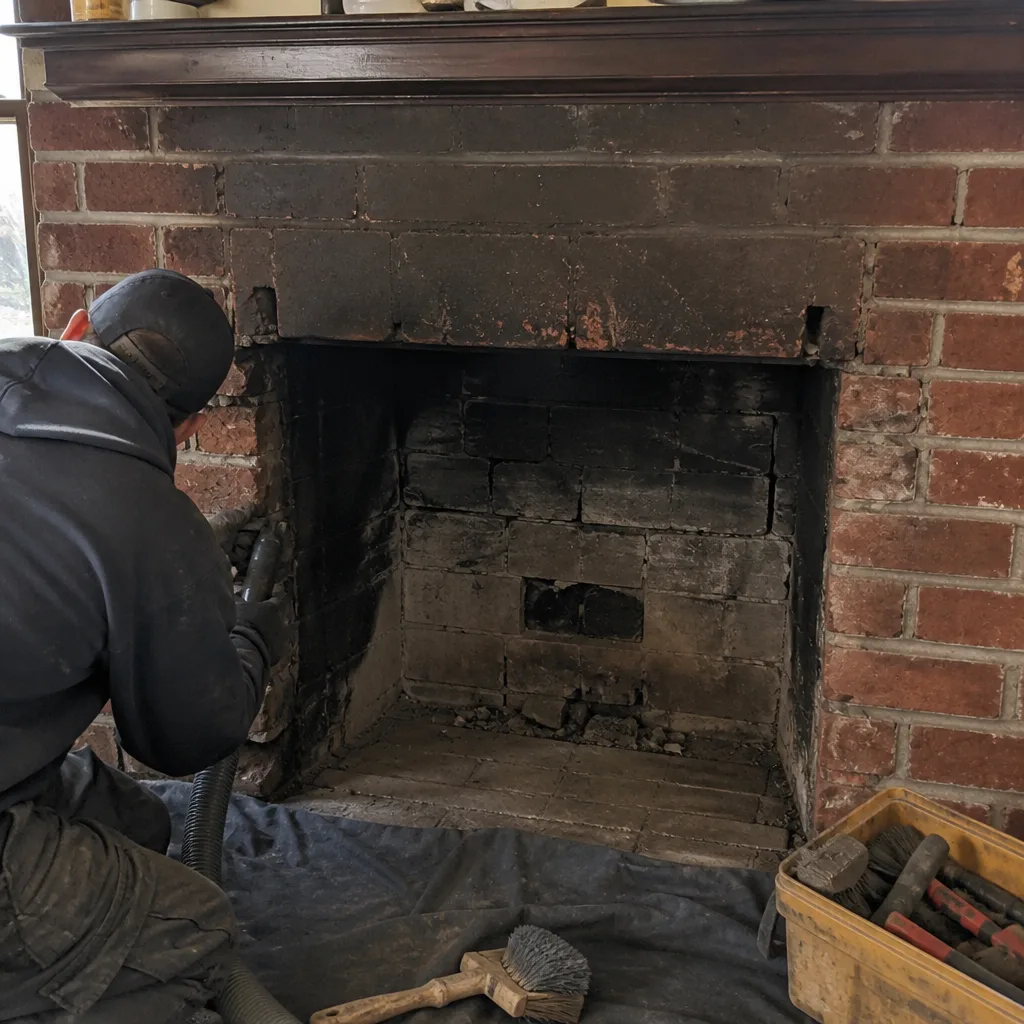
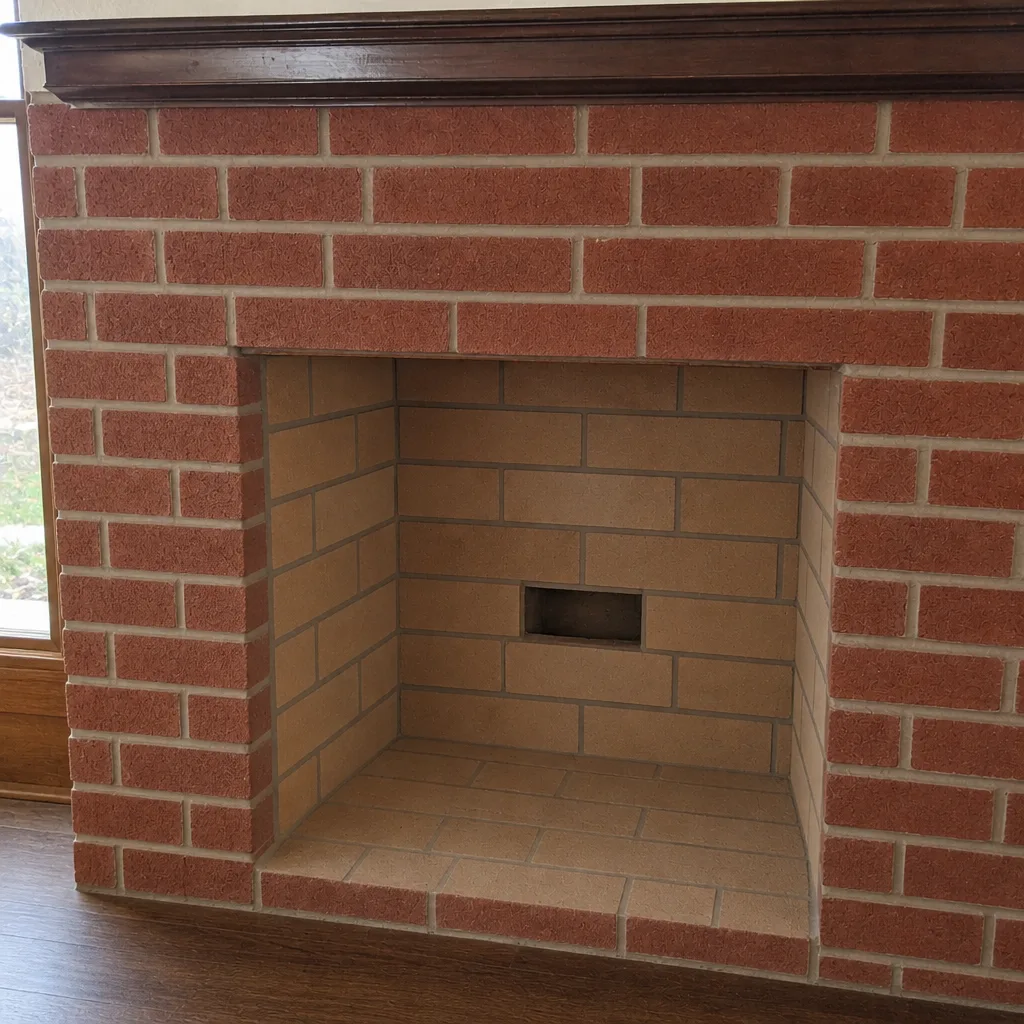
See the difference
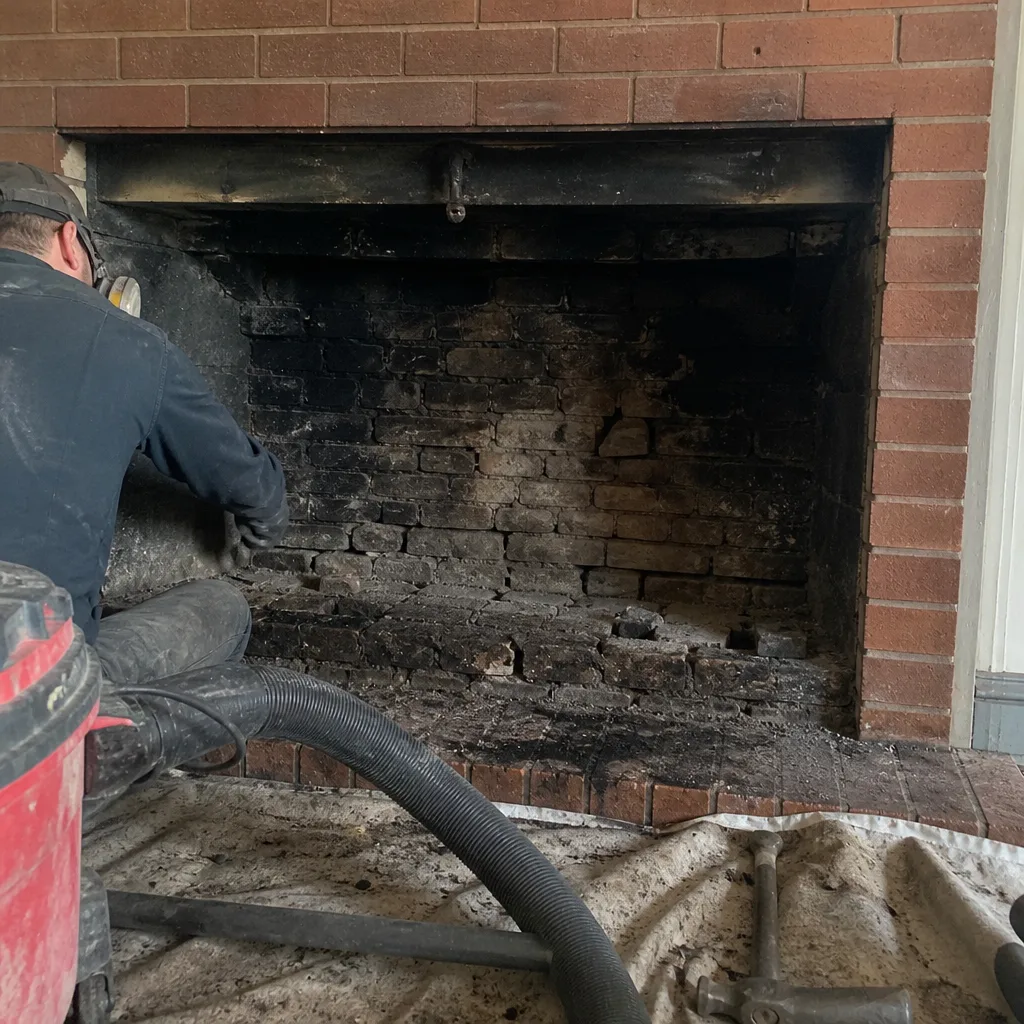 Before
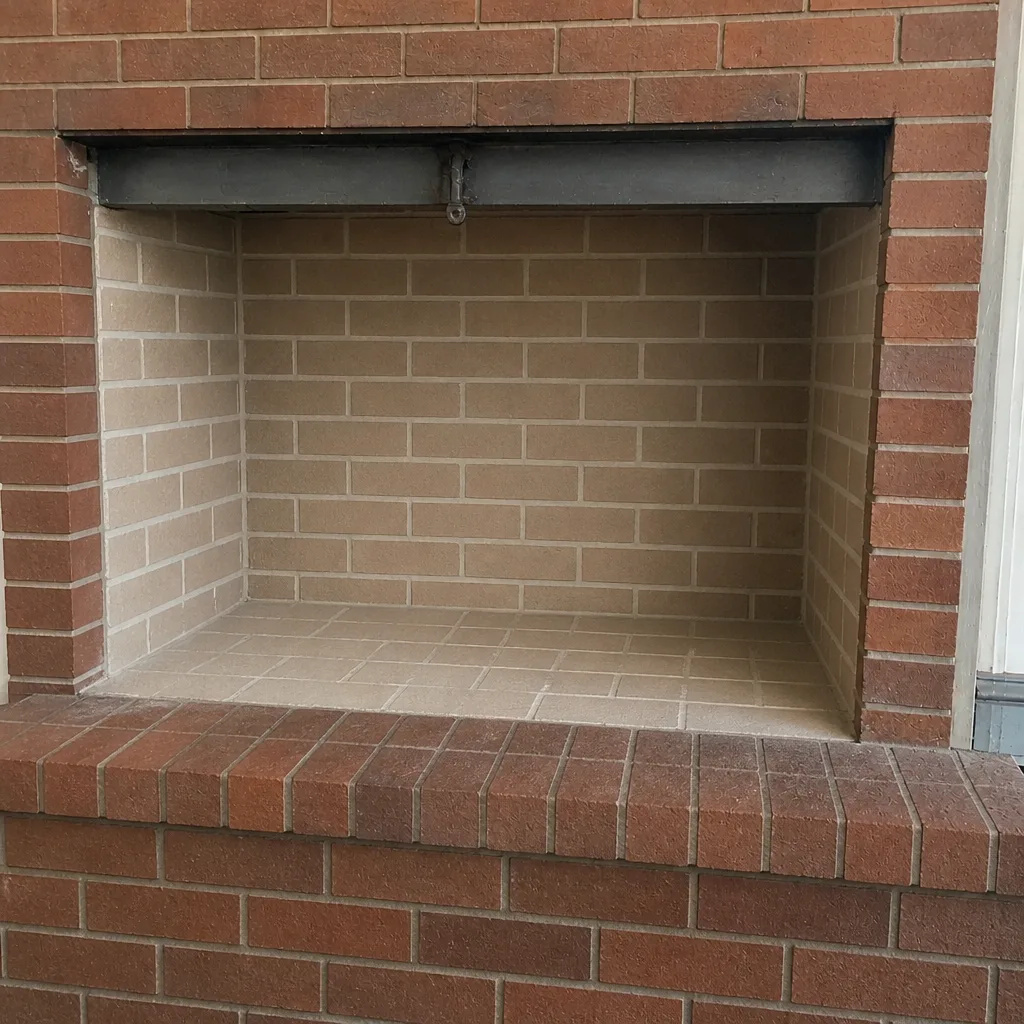 After
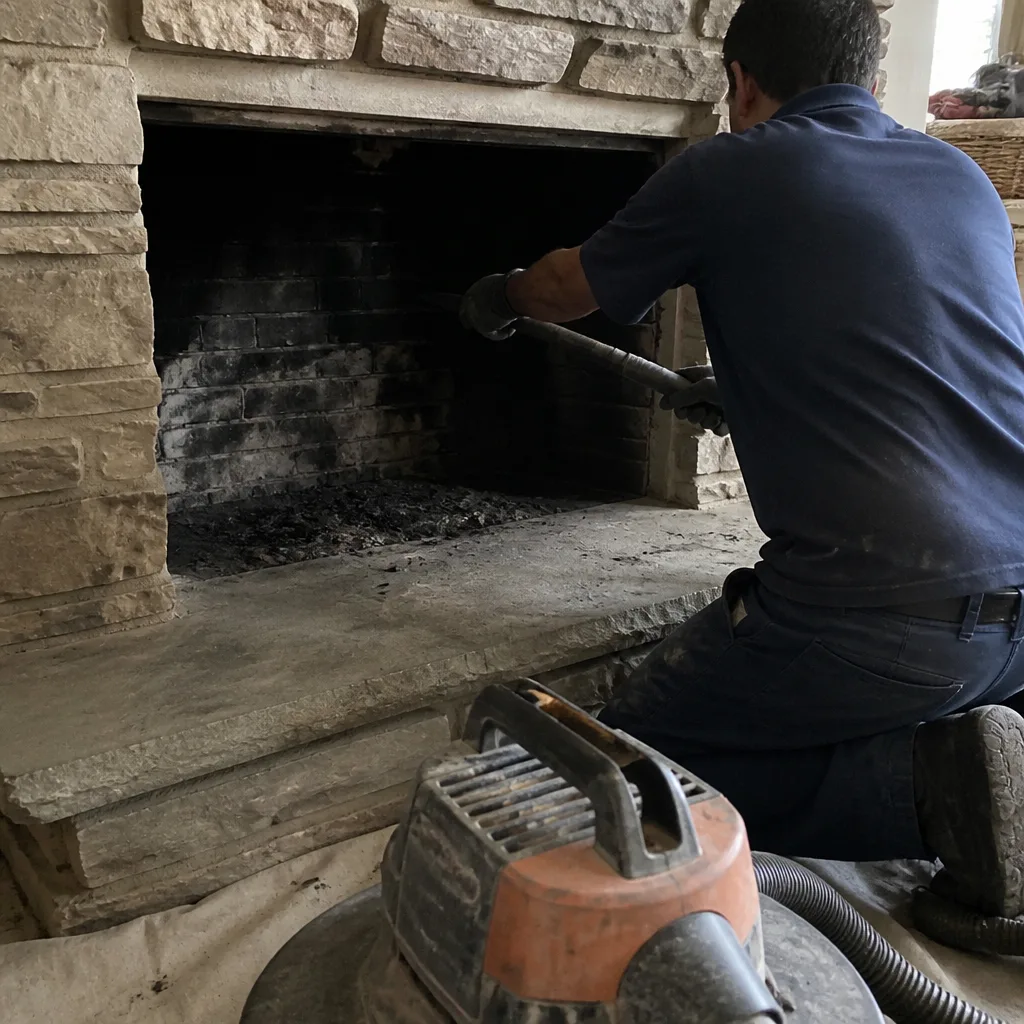 Before
 After
 Before
 After