
Last updated November 15, 2026
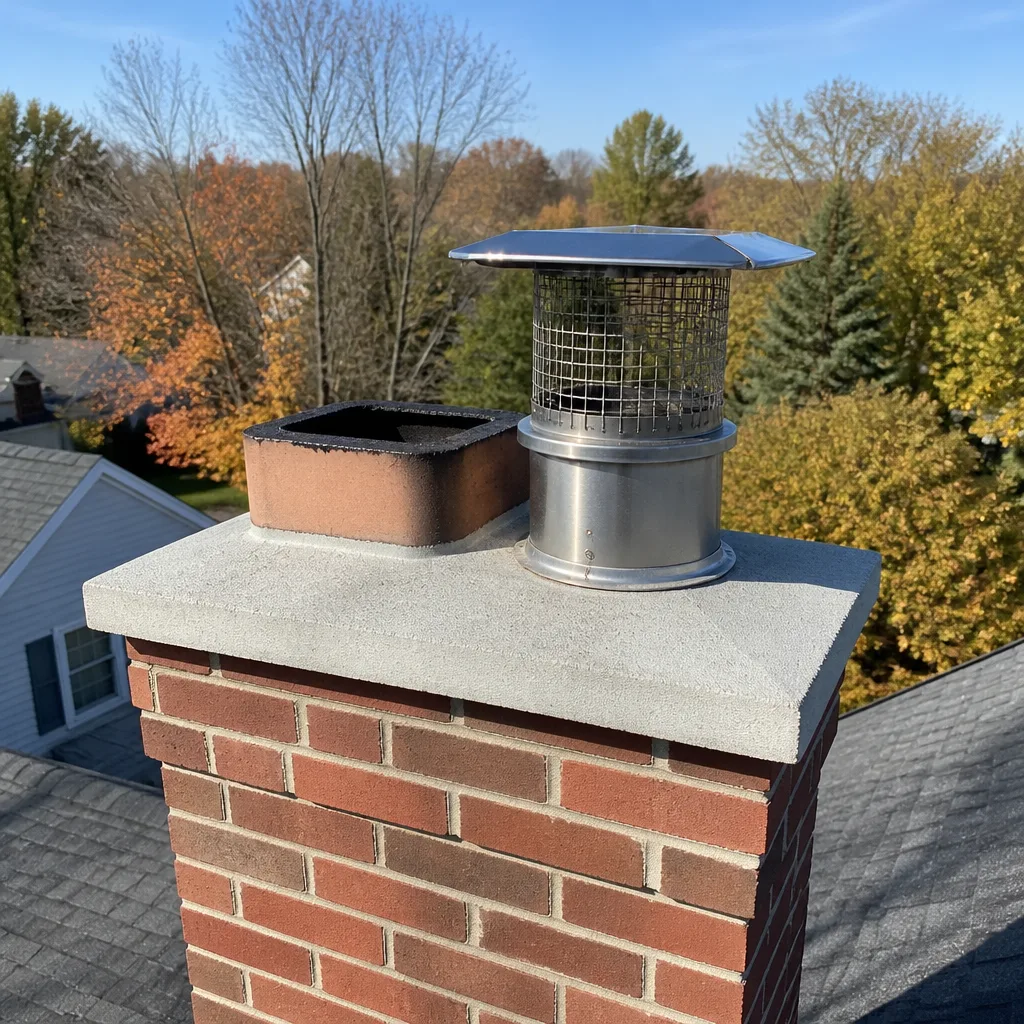 Sweep & inspection
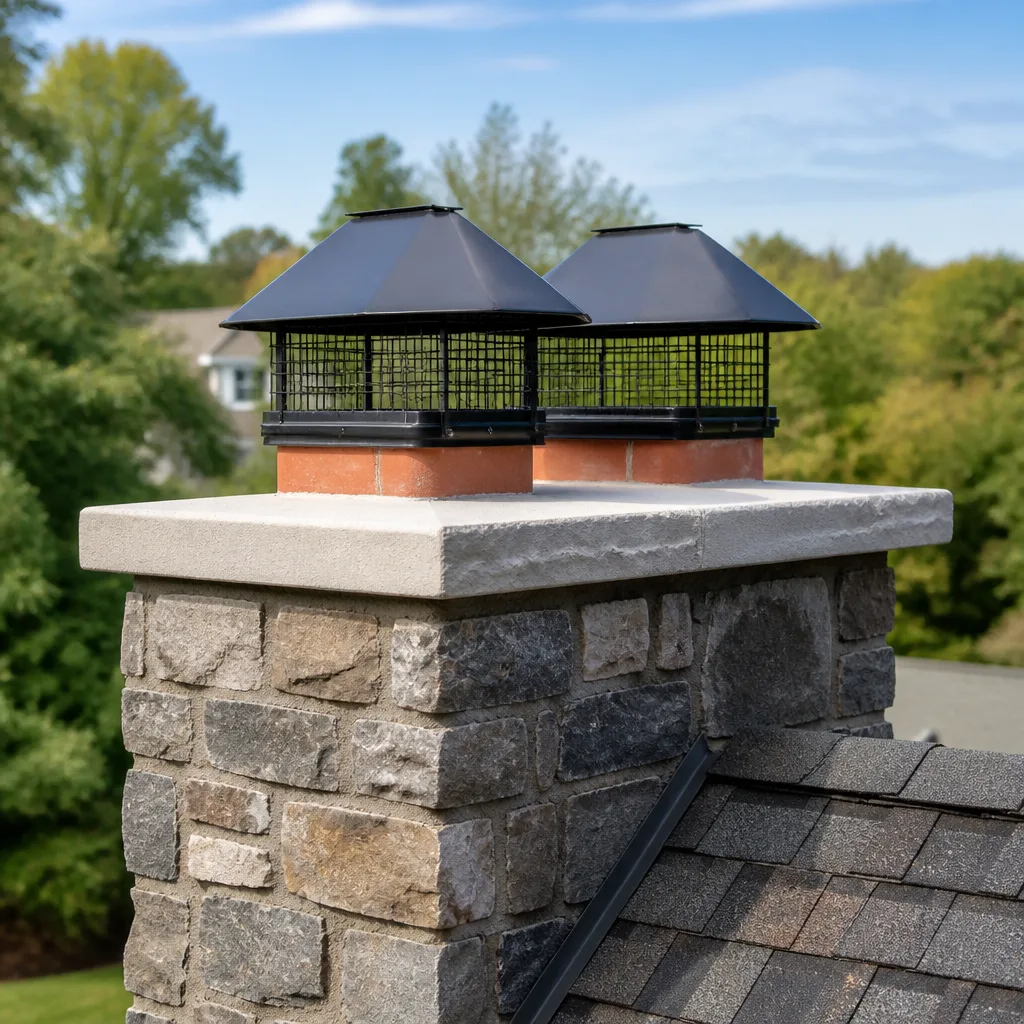 Caps & crowns
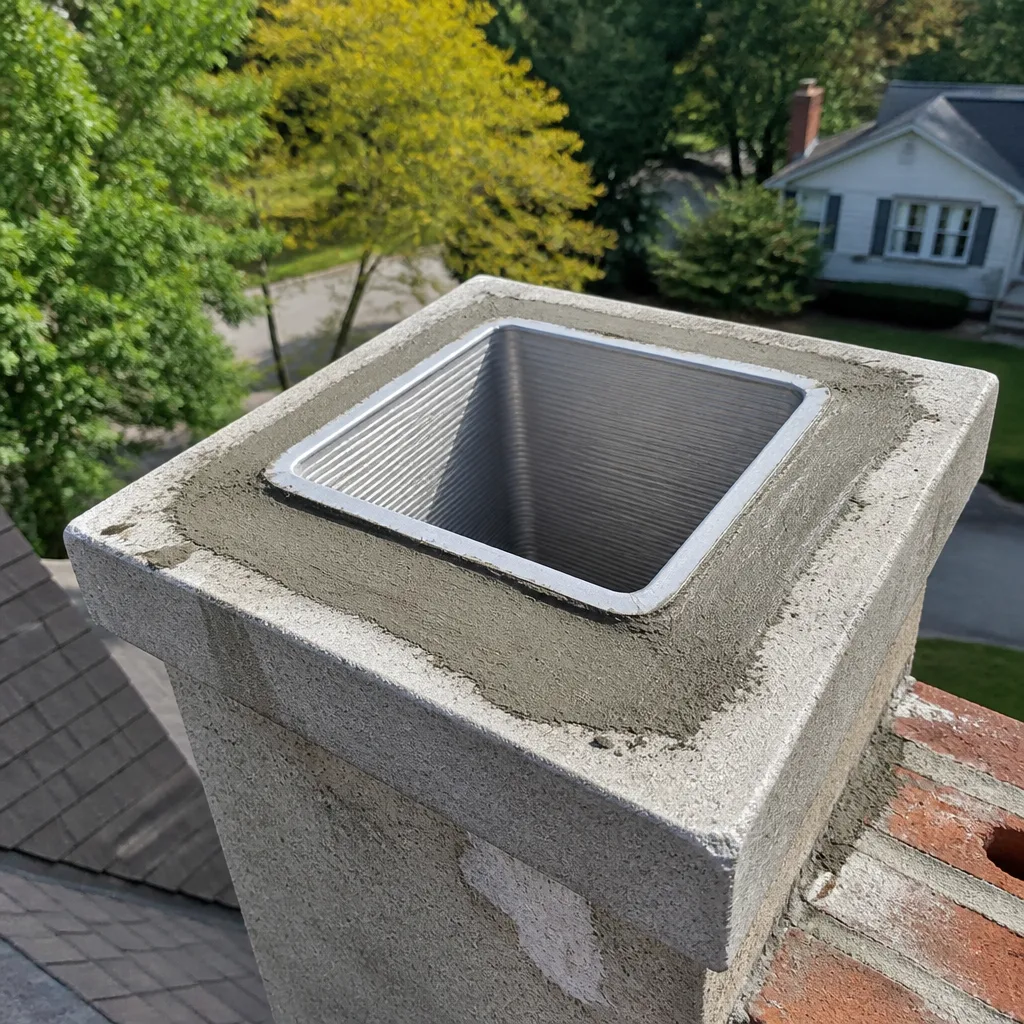 Flue relining
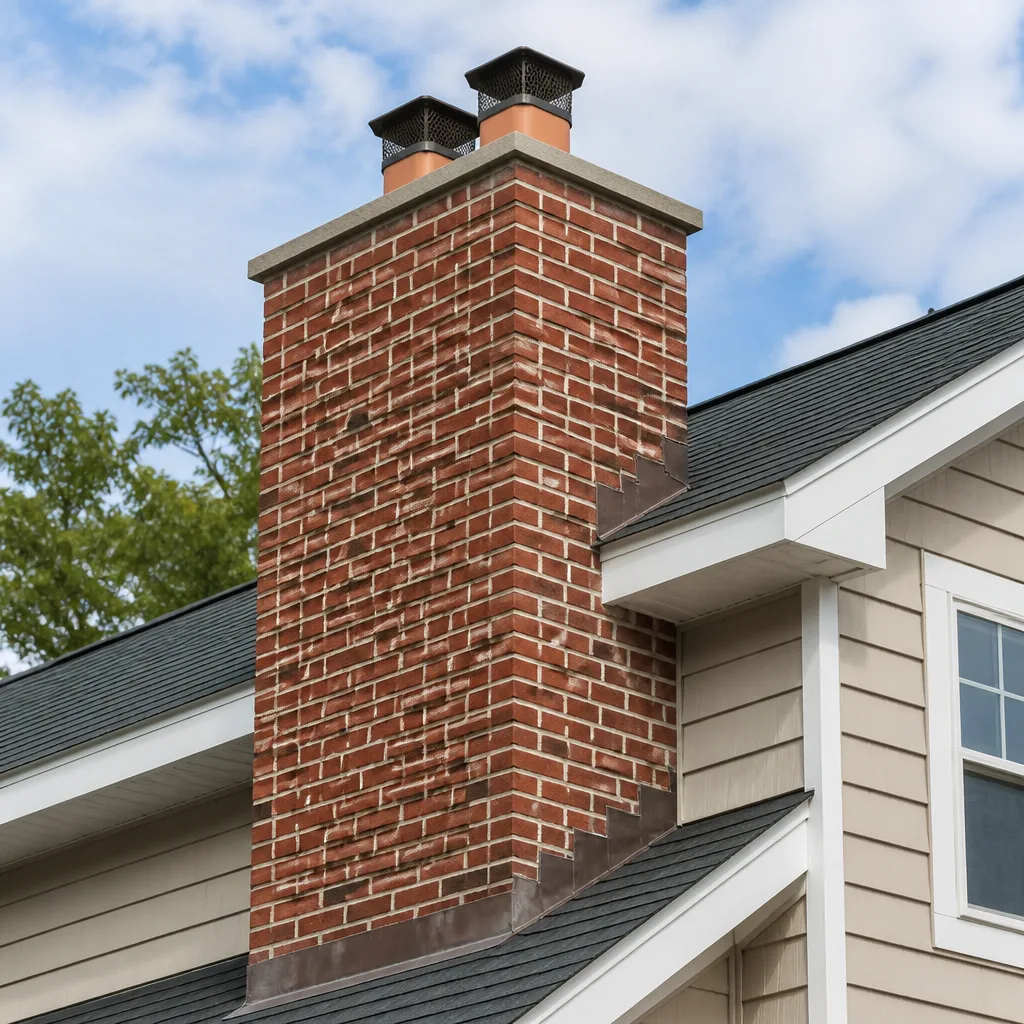 Masonry repair
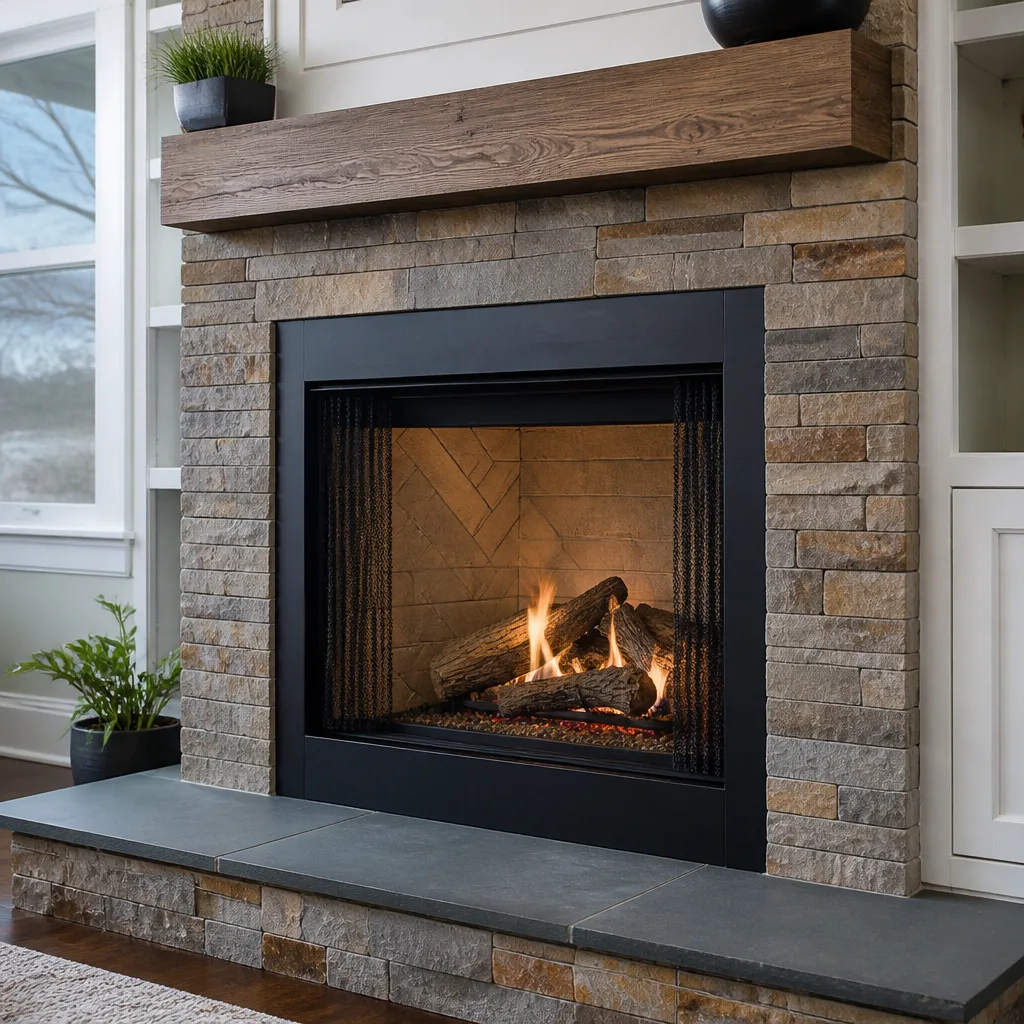 Gas fireplace service
Level 1 sweep and inspection to the NFPA 211 annual standard - flue, crown, cap, and flashing checked and photographed
Chimney sweep logs do not sweep chimneys. They loosen some creosote - which then falls where a brush and vacuum still have to collect it.
Choosing the Right Chimney Cleaning Brand: A Buyer’s Guide for Lakewood
The chimney cap a sweep installs matters more than most homeowners realize. A stamped-aluminum box-store cap and a Copperfield heavy-gauge stainless cap are both described as “chimney caps,” but only one is still sealing properly after five Lakewood winters. That gap between professional-grade materials and hardware-store alternatives runs through every part of your chimney system, from the liner behind your firebox to the sealant around your crown. When a sweep recommends a product, you deserve to know which tier it sits in. This guide teaches you to recognize quality by name and specification, not just by price, so you can evaluate any recommendation with confidence.
Quick Answer
The right chimney cleaning brand is one that specifies professional-grade materials by name and gauge, not a generic product pulled from whatever supply house is closest. In Lakewood, that means asking for recognized industry brands like DuraFlex, HeatShield, Copperfield, or Gelco, and expecting a written answer about exactly what will go into your flue. A sweep who can name the product, the material, and the reason it fits your chimney is giving you a real recommendation; one who can’t is guessing.
Styles & brands we work with
- Sweep & inspection
- Caps & crowns
- Flue relining
- Masonry repair
- Gas fireplace service
Table of Contents
- Why the Brand Tier of Your Chimney Materials Matters
- What DuraFlex Liner Systems Are and Why Flex Matters
- HeatShield: A Repair Category of Its Own
- How to Evaluate a Sweep’s Material Sourcing
- Questions to Ask About the Brand and Gauge
- Why Material Quality Directly Affects Labor Value
- What Lakewood Conditions Demand from Chimney Materials
- The Inspection That Comes Before Any Brand Recommendation
Why the Brand Tier of Your Chimney Materials Matters
Chimney products are sold in tiers, and the tier determines how long the part lasts and how well it performs under heat, creosote, and freeze-thaw cycles. A homeowner looking up “chimney cleaning products brands Lakewood CO” is really asking a more useful question: which of these brands belongs on a professional’s list, and which is a commodity part dressed up with a label?
Here’s the framework we use. Chimney materials fall into three rough tiers:
- Professional-grade specialty brands. These are made for the chimney trade specifically and sold through chimney supply channels. DuraFlex, HeatShield, Copperfield, and Gelco all sit here. The specifications are published, the testing is documented, and the parts are designed to survive decades inside a flue.
- General contractor supply. These materials work for many applications but aren’t engineered around the unique demands of a chimney: sustained heat, acidic creosote condensation, and the freeze-thaw cycling that a Lakewood winter delivers. A general-purpose sealant may be fine on a foundation and fail on a crown.
- Box-store commodity parts. Stamped-aluminum caps, thin flexible liners sold by the foot, and generic refractory cement fall here. They’re cheap because the material and gauge are thinner. They may pass a visual inspection on installation day and be the first thing to fail later.
The tier system isn’t marketing. It’s specification. A professional-grade cap is heavier gauge stainless; a commodity cap is stamped aluminum. Both are called a cap. Only one is still sealing properly after several winters of freeze-thaw in Lakewood. When a sweep recommends a product, the tier is the thing you’re actually buying, whether or not the recommendation names it.
What DuraFlex Liner Systems Are and Why Flex Matters
DuraFlex is a flexible stainless steel liner system, and the flexibility is the specification that matters. Older chimneys are rarely perfectly straight or uniform inside. Original flues were built from masonry, clay tile, or a mix of construction methods that can shift, crack, or offset over time. A rigid liner demands a straight, clean path; a flexible liner follows the flue’s actual shape.
For Lakewood’s older housing stock, that fit-to-situation approach is often the difference between a relining job that works and one that creates a maintenance problem. Here’s how a flexible liner gets installed and why it matters:
- The flue is cleaned and inspected first. No liner is specified until the condition of the existing flue is documented.
- The flue path is measured and the liner is sized. The right diameter depends on the appliance and the flue dimensions, not a one-size default.
- The flexible stainless liner is pulled into place. Because it flexes, it can follow offsets and slight bends that a rigid liner cannot.
- The liner is connected and the top is terminated. The cap and the connection are part of the system, not an afterthought.
A generic flexible liner is often thinner stainless or a lower grade. The difference shows up over years, not weeks: a thin liner can develop pinholes or seam failures under sustained heat and condensation stress, which means a callback within seasons rather than a system that eliminates a repair category for years. When we specify DuraFlex, the reason is the same reason a professional chimney contractor would: the specification is published, the material is the right grade, and the fit is designed for the flue in front of us. That logic is the heart of how a chimney repair plan should be built.
HeatShield: A Repair Category of Its Own
HeatShield is a ceramic resurfacing system for smoke chambers and fireboxes, and it’s a common point of confusion for homeowners comparing bids. A sweep who quotes “refractory cement” and a contractor who quotes HeatShield are not quoting the same category of product, even though both address a damaged smoke chamber or firebox surface.
Standard refractory cement is a mortar product. It’s troweled onto a surface and it’s appropriate in some contexts, but its application, curing behavior, and finished surface are different from a ceramic resurfacing system. HeatShield is applied as a coating that cures into a ceramic surface, forming a smooth, durable layer over the damaged masonry or metal it covers. The result is a repair that addresses the surface rather than rebuilding it from scratch, which is why it’s called a repair-first alternative to full reconstruction when it’s appropriate.
When is it the right tool? When the smoke chamber or firebox surface has deteriorated but the structure behind it is sound. When the damage is a surface problem rather than a structural one. When a full rebuild would be more invasive than the condition actually requires. When it isn’t appropriate is equally important: a badly shifted or structurally failing chamber isn’t a resurfacing candidate, and any contractor recommending HeatShield for that condition hasn’t diagnosed it properly.
We use HeatShield because it’s the right tool for a specific repair, and because the application requires knowledge that standard refractory work doesn’t. Most single-trade sweeps don’t stock it or know how to apply it correctly, so when it appears in a recommendation, ask whether the person proposing it understands the diagnostic that justifies it. That question separates a real repair plan from a quoted product line.
How to Evaluate a Sweep’s Material Sourcing
You can learn a lot about a chimney company from where it buys its materials. A sweep who sources from a recognized professional channel is working from a catalog designed for the chimney trade. A sweep who sources from a general contractor supply line or a home improvement store is working from whatever is broadly available, which is not the same thing.
Copperfield Chimney Supply is a useful benchmark. It’s a recognized name in the professional chimney supply world, and the fact that a contractor names it (or a comparable professional channel) tells you they’re working from a curated catalog rather than picking up commodity parts. That distinction is not about brand loyalty. It’s about the specification and testing that comes with a chimney-specific supply chain.
Here’s how to read the sourcing signal in a conversation:
- They name the product and the channel. “We use a DuraFlex liner, sourced through a professional chimney supplier” is a specific answer. “We use a high-quality liner” is not.
- They can explain why this product over the alternative. A real answer describes the flue condition and the reason the specification fits.
- They can give you the gauge or material. Stainless gauge, cap metal, and sealant type are answerable specifics, not trade secrets.
- They don’t switch the conversation to price. A sweep who deflects a material question into a discount is telling you something.
In our experience, material sourcing is one of the least-discussed and most-revealing parts of a chimney bid. Homeowners who ask about it tend to end up with better work, because the question itself raises the standard of the conversation. If you want to compare how different service approaches stack up, the details of a chimney sweep visit are a good starting point.
Questions to Ask About the Brand and Gauge
The single most useful thing you can do before booking chimney work is to ask the sweep what brand and gauge of materials they’re proposing. These questions work for any company, including us, and a good company will answer them without hesitation.
- What brand of liner are you recommending, and what is the stainless grade and gauge? A professional answer names the product and the specification. A vague answer (“we use a high-quality liner”) is a warning sign.
- What brand of cap are you installing, and what metal is it? Heavy-gauge stainless from a named professional supplier is different from stamped aluminum.
- If you’re recommending HeatShield, why is the surface a candidate for resurfacing rather than a rebuild? The answer should reference the condition of the smoke chamber or firebox, not just the product name.
- Which supply channel do you source from? A professional chimney supplier is the benchmark; a general contractor line is a different tier.
- What does the written estimate specify? Brand, gauge, material, and scope should all appear in writing.
- What’s the alternative, and what does it cost in the long run? A sweep who can describe the cheaper option honestly is more trustworthy than one who only sells the premium.
- Can I see the inspection findings that justify this recommendation? Nothing should be recommended without evidence documented from the inspection.
Vague answers indicate something specific: the sweep may not know the specification themselves, may be quoting a commodity part, or may be uncomfortable being pinned to a product they can’t defend. In any of those cases, the recommendation is worth a second opinion. An Oasis Chimney Sweep estimate is free, and it comes with the same questions answered in writing.
Why Material Quality Directly Affects Labor Value
Here’s the calculation most homeowners miss. The cost of chimney work is labor plus materials, and the labor is roughly the same whether the materials are professional-grade or commodity. A correctly installed professional-grade liner costs a bit more in materials and eliminates a repair category for years. A cheap liner saves money on the bid and creates a callback within seasons. When the callback arrives, the labor you already paid gets spent again, and the “savings” turns into a second bill.
That’s the material-quality calculation, and it’s the reason the tier system exists in the first place. It’s also why comparing bids on price alone is a losing strategy for the homeowner. Two quotes that differ by the cost of the material are not the same product.
Consider what each scenario looks like in the years after installation:
- Professional-grade liner, correctly installed: the liner performs as specified, and the repair category it addressed is closed for years. Maintenance continues on a normal schedule.
- Commodity liner, installed the same day: the liner performs until it doesn’t, which can be a handful of seasons. The failure shows up as a new problem in a part of the system you thought was settled.
- Material specified but installed incorrectly: even a professional-grade part fails if the fit, connection, or termination is wrong. Brand matters; installation matters equally.
That last point is why the full lifecycle matters. A company that cleans, inspects, and repairs under one roof has an interest in the installation being right, because they’re the ones who’ll see it next time. A company that cleans and hands off the repair to someone else doesn’t carry that interest. When a homeowner books a Lakewood visit, one team should be able to follow the problem from the inspection through the finished repair, without a referral in between.
What Lakewood Conditions Demand from Chimney Materials
Lakewood’s climate is hard on chimney materials in a specific way. Winters here bring freeze-thaw cycling, which works on masonry crowns, mortar joints, and any metal part that isn’t corrosion-resistant. A chimney cap that’s stamped aluminum and not heavy-gauge stainless is more vulnerable to that cycling and to the moisture that creosote and condensation bring with them. Over several winters, the difference between a professional-grade cap and a commodity one becomes visible: one is still sealing, and the other is letting water and weather into the flue.
The region’s older housing stock adds a second pressure. Chimneys from earlier construction eras often have flue shapes that are irregular, offset, or built from materials that have shifted. That’s the condition DuraFlex’s flexibility was designed for, and it’s why a rigid liner or a generic flexible liner can fit poorly where a properly specified flexible system fits well. A flue that’s slightly off-square or has a slight bend in it isn’t a defect; it’s a normal condition in an older Lakewood home, and the right liner specification accounts for it.
The practical takeaway is that Lakewood homeowners should weigh material specifications a little more heavily than homeowners in a milder climate might. Anything that sits on the outside of the chimney and anything that carries heat inside it should be specified for durability across many freeze-thaw cycles. A stamped cap replaced every few years costs more than a heavy-gauge cap that lasts; the labor for the replacement is the part you don’t see in the price tag.
Lakewood’s neighborhoods vary in housing age, and the condition of the chimney tracks the age of the house far more than it tracks the neighborhood. A house built in an earlier era may have a flue that’s never been relined; a house from a later era may have a liner that’s still in service. The inspection is what tells you which one you have, and the inspection should come before any brand recommendation.
The Inspection That Comes Before Any Brand Recommendation
No material should be recommended before a chimney inspection documents the condition of your flue, smoke chamber, firebox, and cap. An inspection isn’t optional maintenance; it’s how you know your fire is safe before you light it. When a sweep recommends a liner, a sealant, or a cap, the recommendation should be tied to something the inspection actually found, and you should be able to see the evidence yourself.
A proper inspection produces a useful record, and the record is what the recommendation gets built on. The sequence should look like this:
- The chimney is cleaned. A clear flue is the only way to see condition accurately.
- The flue is inspected. The condition of the liner, the mortar joints, and the visible structure is documented.
- The smoke chamber and firebox are inspected. This is where HeatShield candidates are identified, and where structural problems are separated from surface ones.
- The cap and crown are inspected. Exterior components are where the tier of a cap and the quality of a sealant show up.
- Findings are explained and documented. The homeowner sees what the inspector saw.
The order matters. A recommendation that skips the inspection, or that jumps straight to the product, is a recommendation without evidence. In our experience, when homeowners can see the inspection findings for themselves, the conversation about materials becomes straightforward: the flue condition justifies a specification, and the specification is a professional-grade product chosen for the condition, not a generic part chosen for the price.
That sequence is also why the full lifecycle belongs with one contractor. If the inspection is done by one company and the repair by another, the recommendation can get separated from the evidence that justified it. When the same team does the sweep, the inspection, and the repair, the brand recommendation stays tied to the flue it was built for.
Common Mistakes to Avoid
- Comparing bids on price alone. Two quotes that differ in materials are not the same job. Ask what brand and gauge each bid specifies before you weigh the price.
- Accepting “high-quality” as a material description. It’s not a specification. A named product with a stainless grade and gauge is.
- Assuming a cap is a cap. Stamped aluminum and heavy-gauge stainless are both called chimney caps. Ask what metal and what gauge, and picture several Lakewood winters in between.
- Treating HeatShield and refractory cement as interchangeable. They’re a different product category. Ask why the surface is a resurfacing candidate rather than a rebuild, and expect an answer grounded in the inspection.
- Skipping the inspection to get a lower quote. A recommendation without a documented flue condition isn’t a real recommendation. It’s a guess.
- Letting a handoff hide a problem. If the sweep inspects and someone else repairs, the accountability has a seam in it. Keep the sweep, the inspection, and the repair with the same contractor.
- Ignoring exterior materials. The cap and crown take the freeze-thaw load in Lakewood, and they’re the parts homeowners think about least. Ask about them.
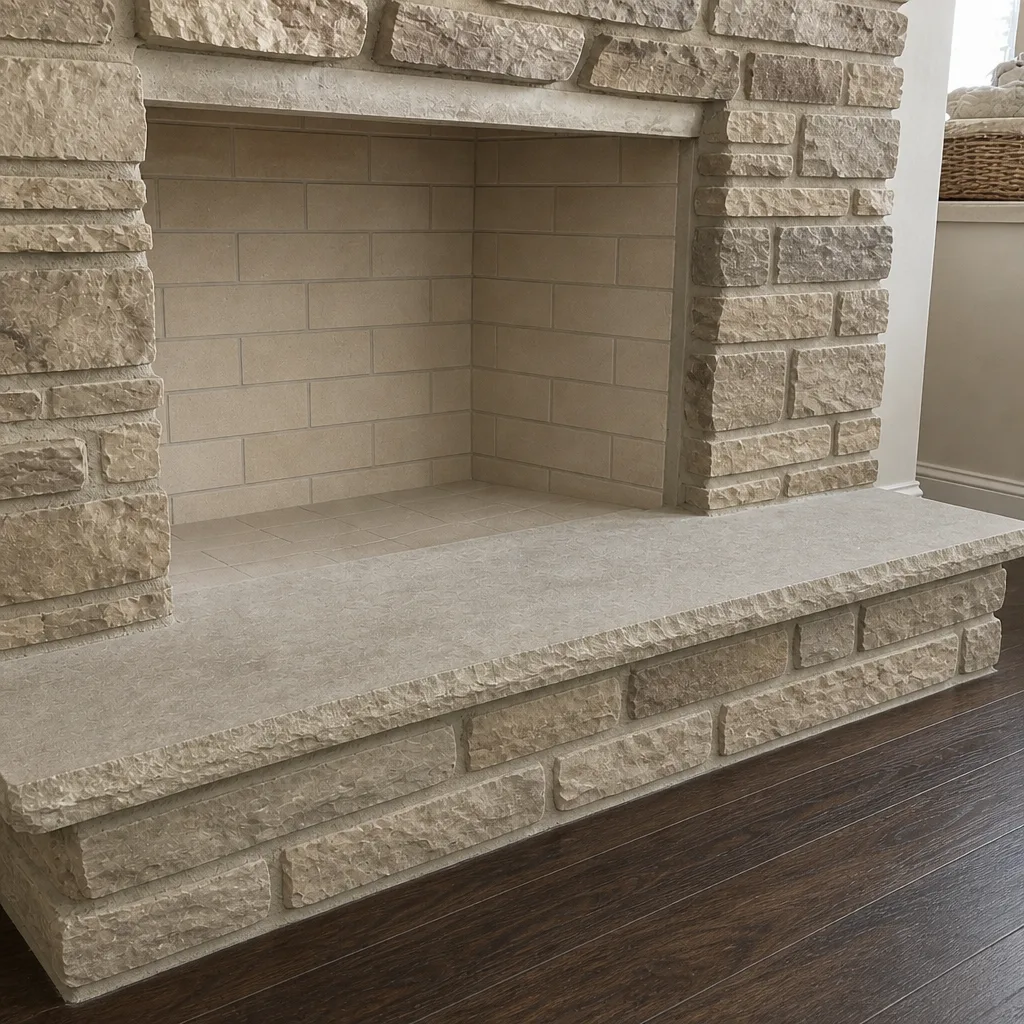
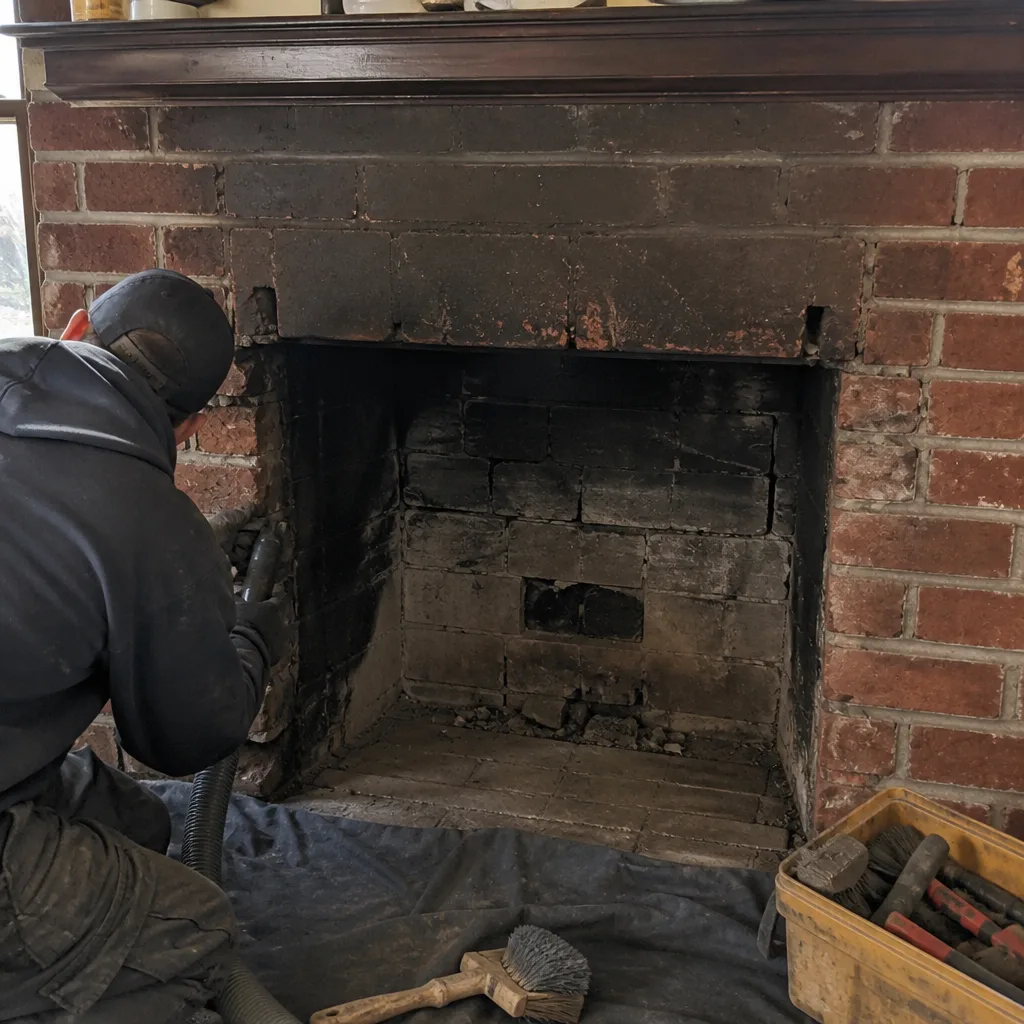
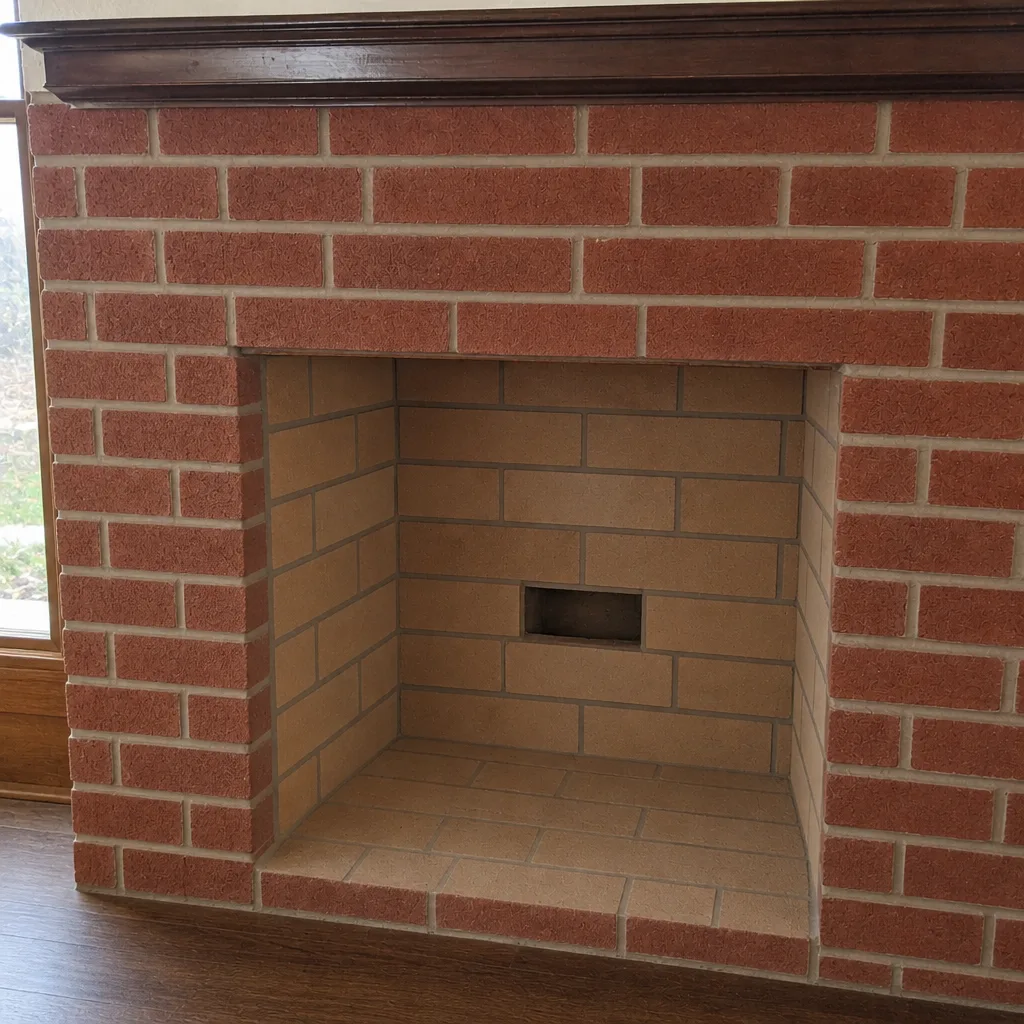
See the difference
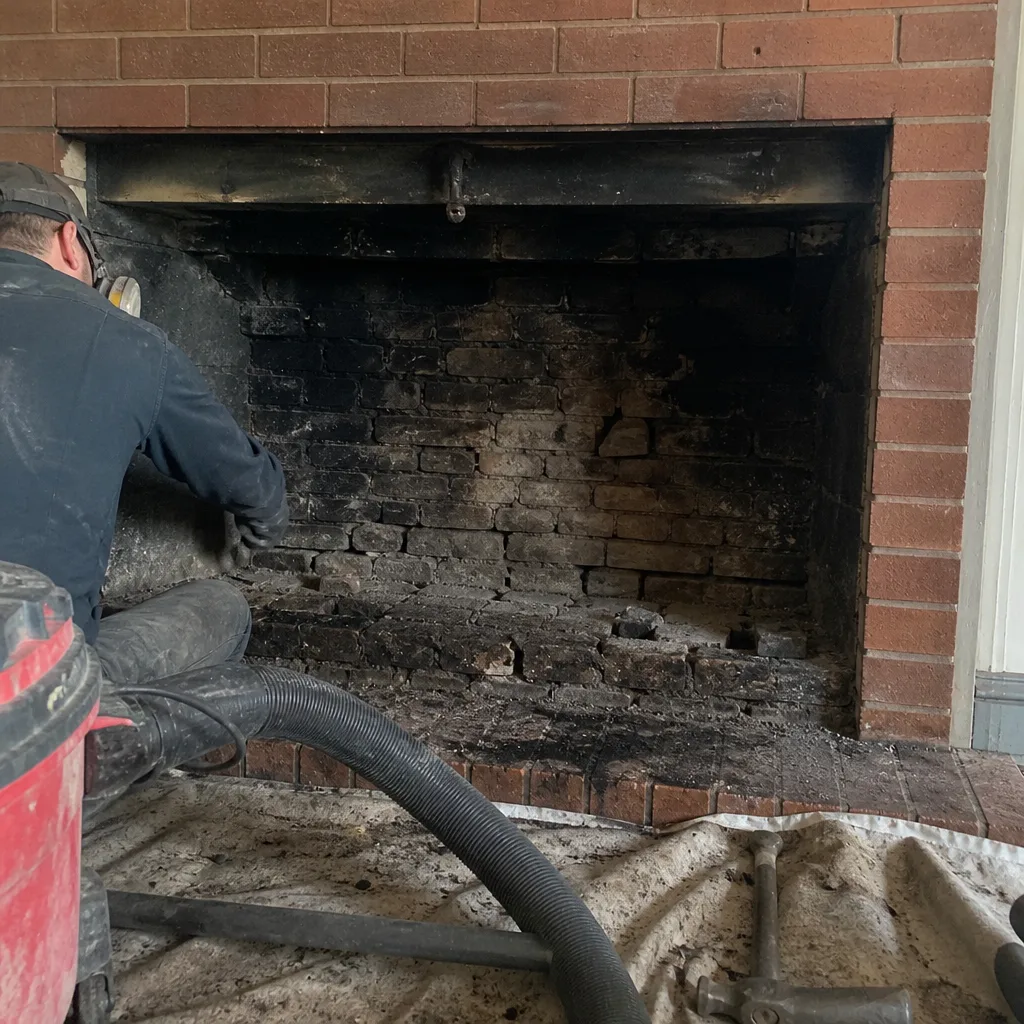 Before
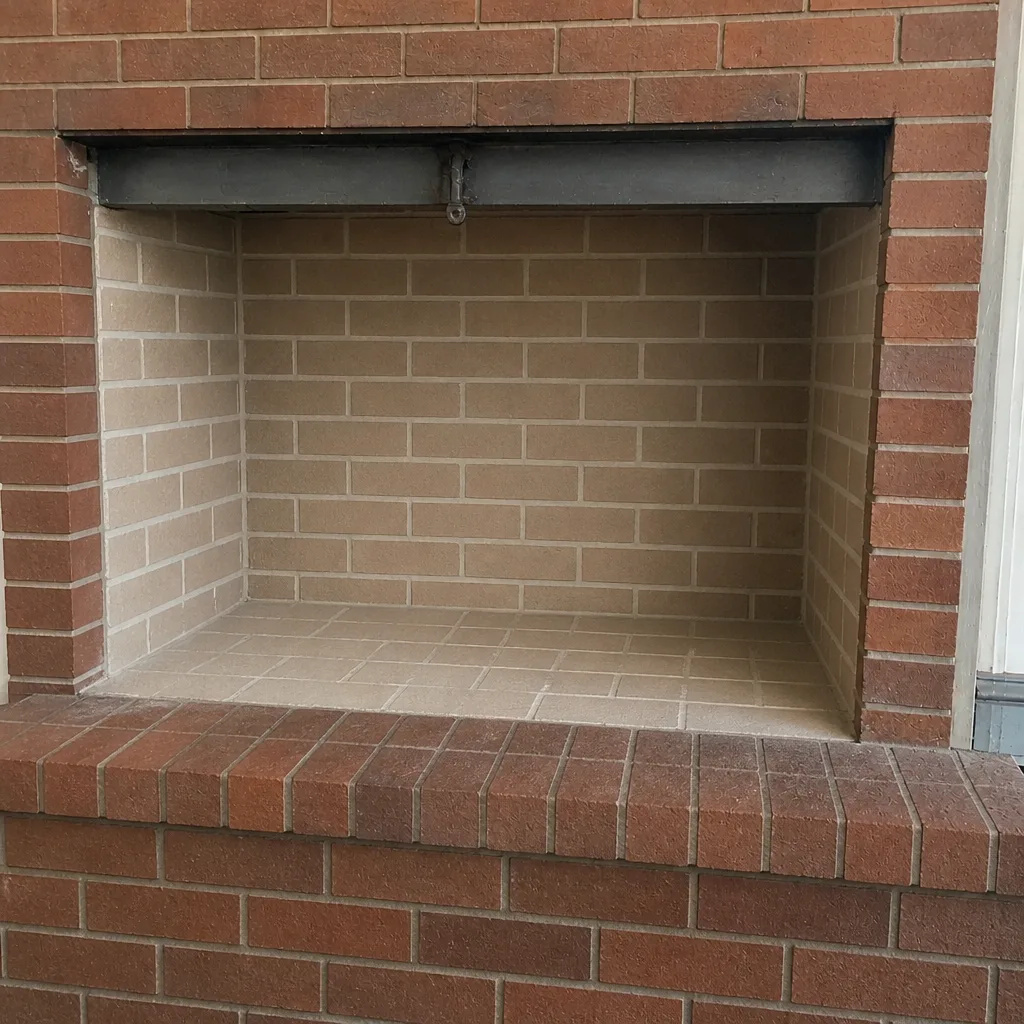 After
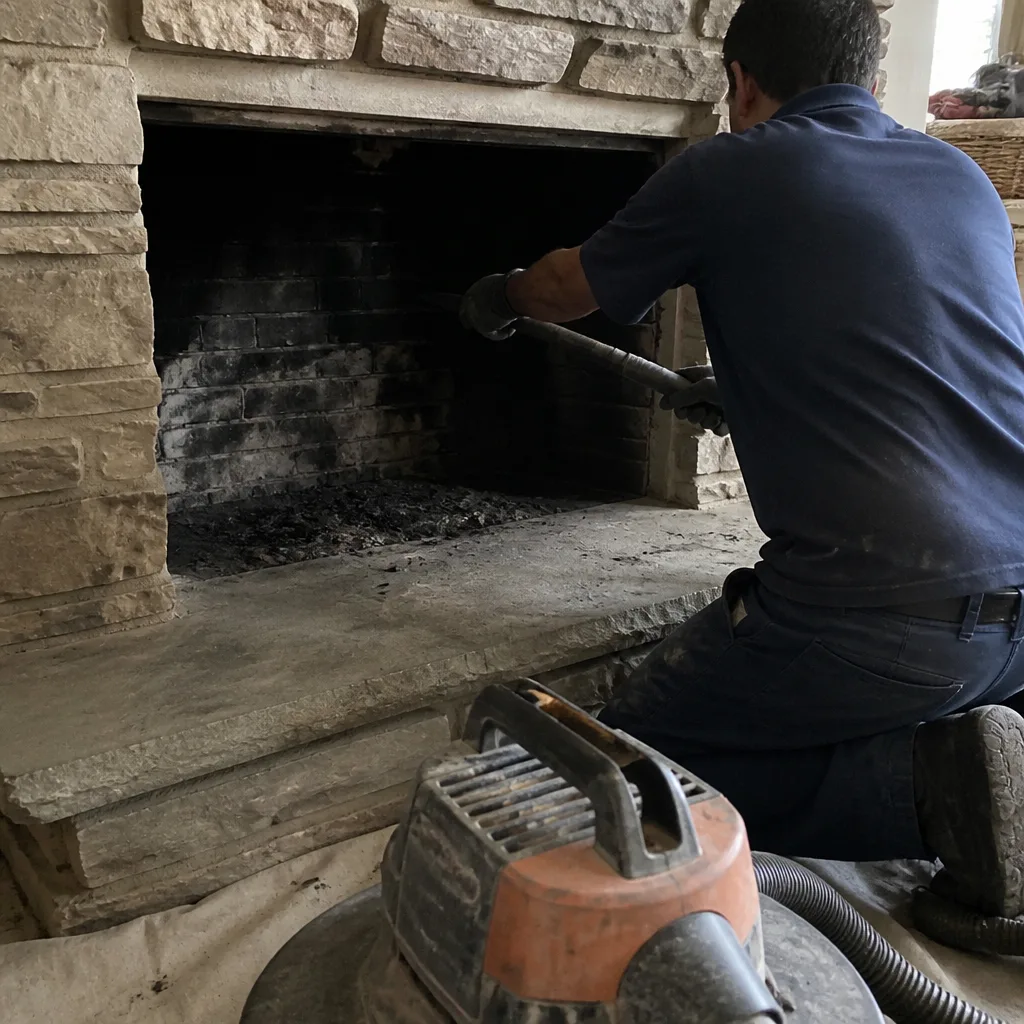 Before
 After
 Before
 After
When to Call a Professional
Call a professional when you’re being asked to approve chimney work and can’t tell what’s being installed. Call when a sweep recommends a material without a documented inspection to back it up, or when the answer to “what brand and gauge” stays vague. Call when you haven’t had an inspection and use the fireplace regularly, because that inspection is how you know the flue is safe before the next fire. Call when a previous repair is due for a look, and call before a recommendation turns into a decision you can’t evaluate. Oasis Chimney Sweep offers free estimates in Lakewood: call (888) 320-6023. We answer 24/7. Fast dispatch from 7am to 7pm, Sunday through Friday.
Frequently Asked Questions
Recognize DuraFlex for flexible stainless liners, HeatShield for ceramic resurfacing of smoke chambers and fireboxes, Copperfield for professional-grade chimney parts and supply, and Gelco for sealants and related products. These are professional-grade names sold through chimney-specific channels, which is what separates them from hardware-store commodity parts. If a sweep recommends a product you haven’t heard of, ask for the specification: brand, material, and gauge. Call (888) 320-6023 for an exact quote; estimates are free.
It depends on the flue, and the inspection is what decides. A flexible liner like DuraFlex follows the actual shape of an older flue and can handle the bends and offsets that a rigid liner can’t, which matters in Lakewood’s older housing stock. Where the flue is straight and uniform, a rigid liner may be the right call. The point is that the specification should fit the flue, not the other way around. Call (888) 320-6023 for an exact quote; estimates are free.
They’re a different product category. Standard refractory cement is a mortar product, and HeatShield is a ceramic resurfacing system that cures into a durable ceramic surface over a damaged smoke chamber or firebox. HeatShield is a repair-first alternative to full reconstruction when the structure behind the surface is sound, not a substitute for refractory work in every situation. Ask why the surface is a resurfacing candidate before you approve it. Call (888) 320-6023 for an exact quote; estimates are free.
Ask for the brand, the material, and the gauge, and expect specific answers. A sweep who sources from a professional chimney supply channel can name products like DuraFlex, HeatShield, Copperfield, or Gelco and explain why each fits the flue condition. A vague answer about “high-quality” materials without a specification is the warning sign. The written estimate should list the brand and scope, and nothing should be recommended without inspection evidence you can see. Call (888) 320-6023 for an exact quote; estimates are free.
Yes, because the cap takes the freeze-thaw load. A stamped-aluminum box-store cap and a Copperfield heavy-gauge stainless cap are both described as chimney caps, but only one is still sealing properly after several Lakewood winters. Ask what metal and what gauge the cap is, and weigh the difference in replacement labor against the price of the cap. Call (888) 320-6023 for an exact quote; estimates are free.
It can, because the labor to redo a failed liner is roughly the labor you already paid the first time. A commodity flexible liner holds up until the material and gauge give out, which can be a handful of seasons, while a correctly installed professional-grade liner closes that repair category for years. The bid that saves money today is only a saving if the part lasts. Call (888) 320-6023 for an exact quote; estimates are free.
The Bottom Line
When a sweep recommends a product for your chimney, you’re being asked to approve a decision you can’t evaluate unless you know the tier system. The main takeaway is simple: professional-grade brands like DuraFlex, HeatShield, Copperfield, and Gelco are a different category from general contractor supply and box-store commodity parts, and the difference is specification, not marketing. Ask for the brand, material, and gauge. Ask why the recommendation follows from the inspection. Ask what the cheaper alternative actually costs in the years after installation. A sweep who answers those questions clearly is giving you a real recommendation, and one who doesn’t is telling you just as much. Lakewood homeowners who ask these questions end up with chimney work that lasts through the freeze-thaw cycles, and we’re glad to be on the other side of the conversation.
Call (888) 320-6023 for a free estimate. We answer 24/7. Fast dispatch from 7am to 7pm, Sunday through Friday.
Written by the team at Oasis Chimney Sweep.