
Last updated November 15, 2026
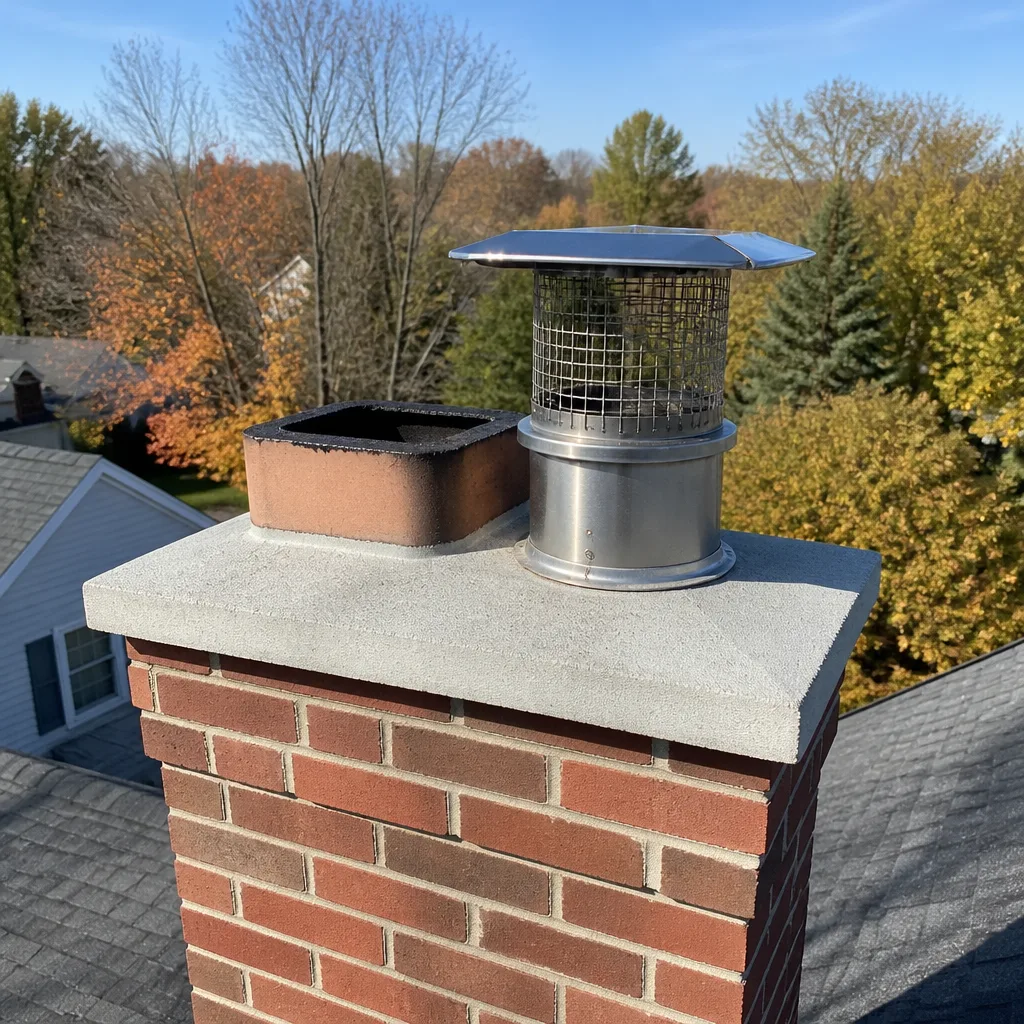 Sweep & inspection
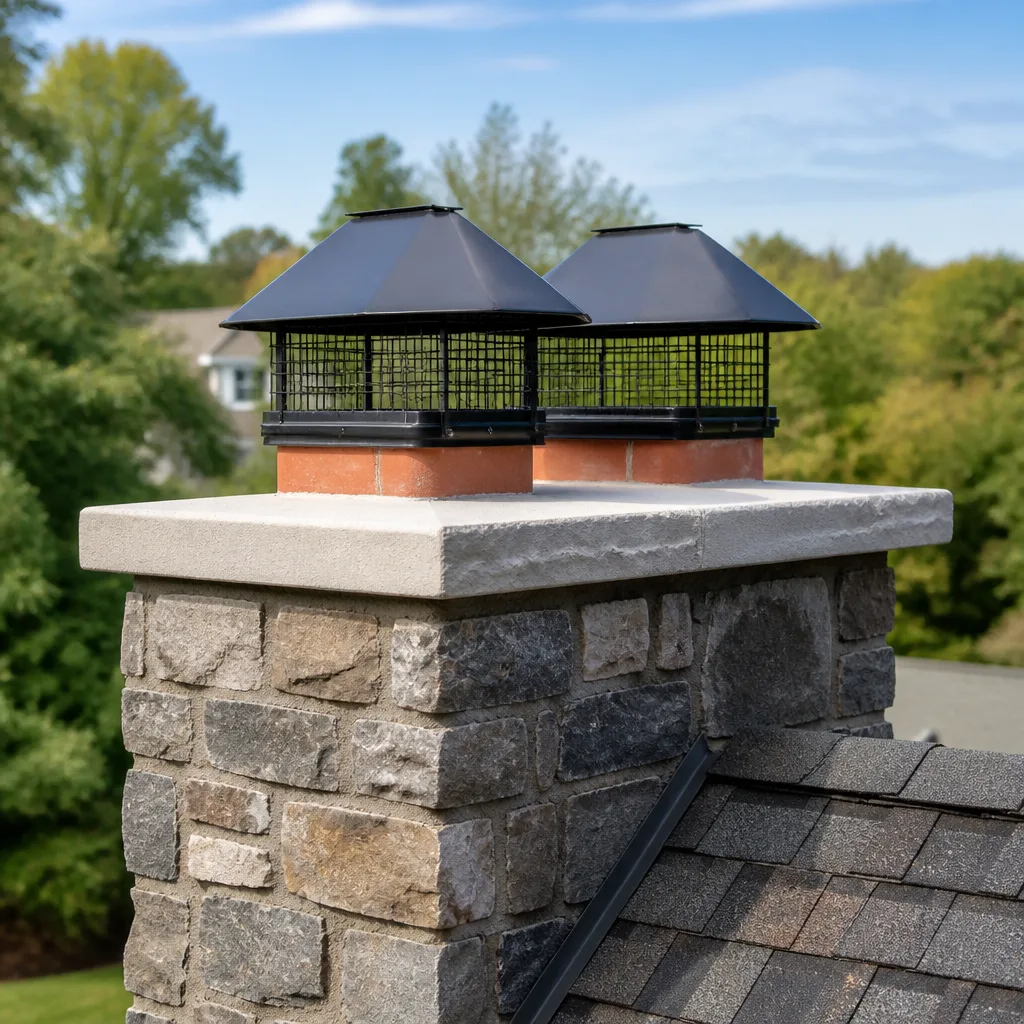 Caps & crowns
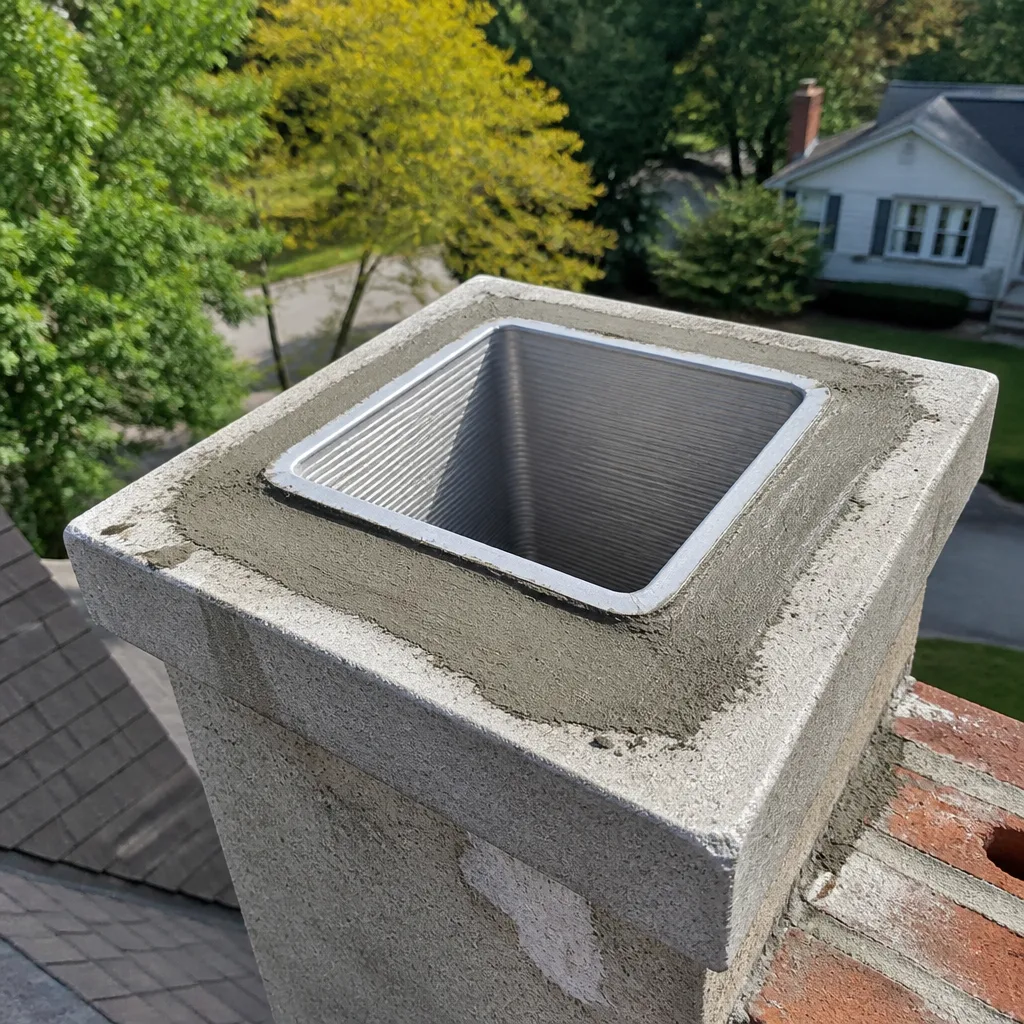 Flue relining
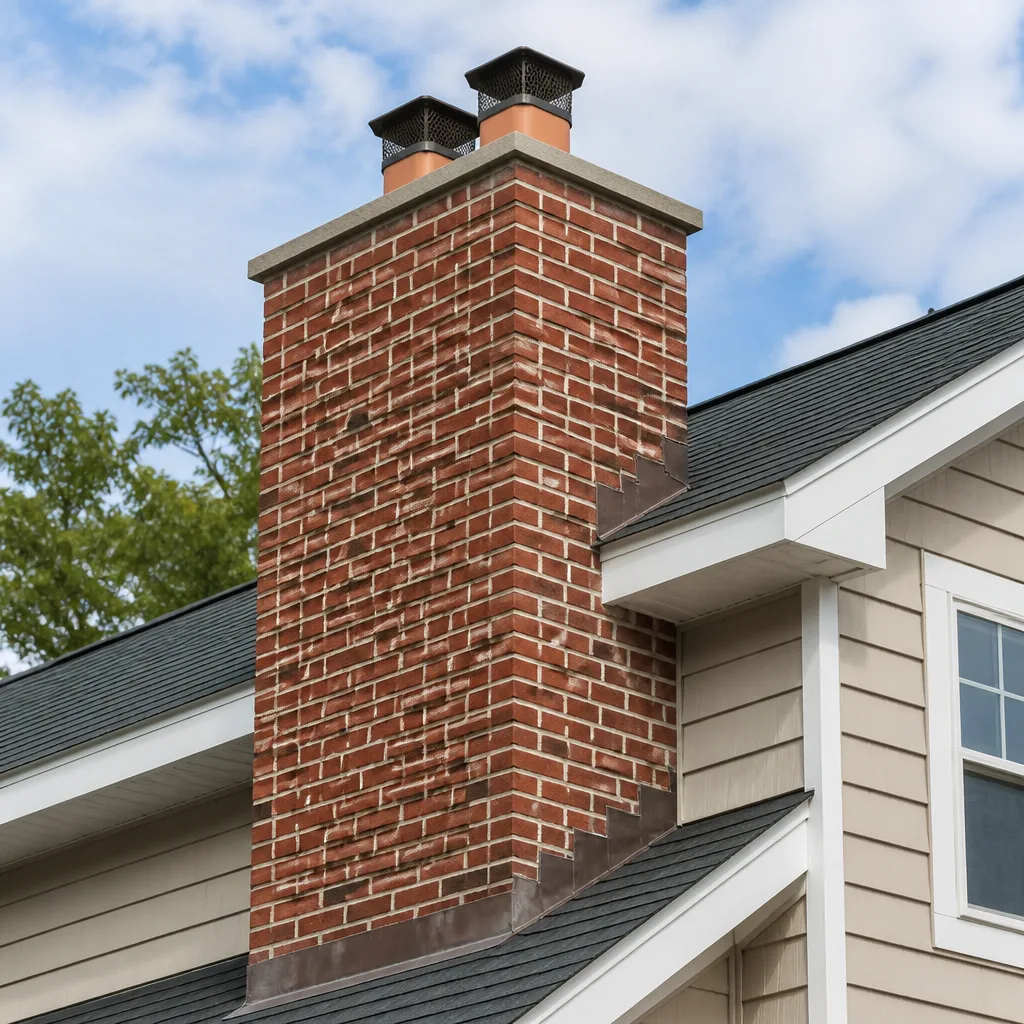 Masonry repair
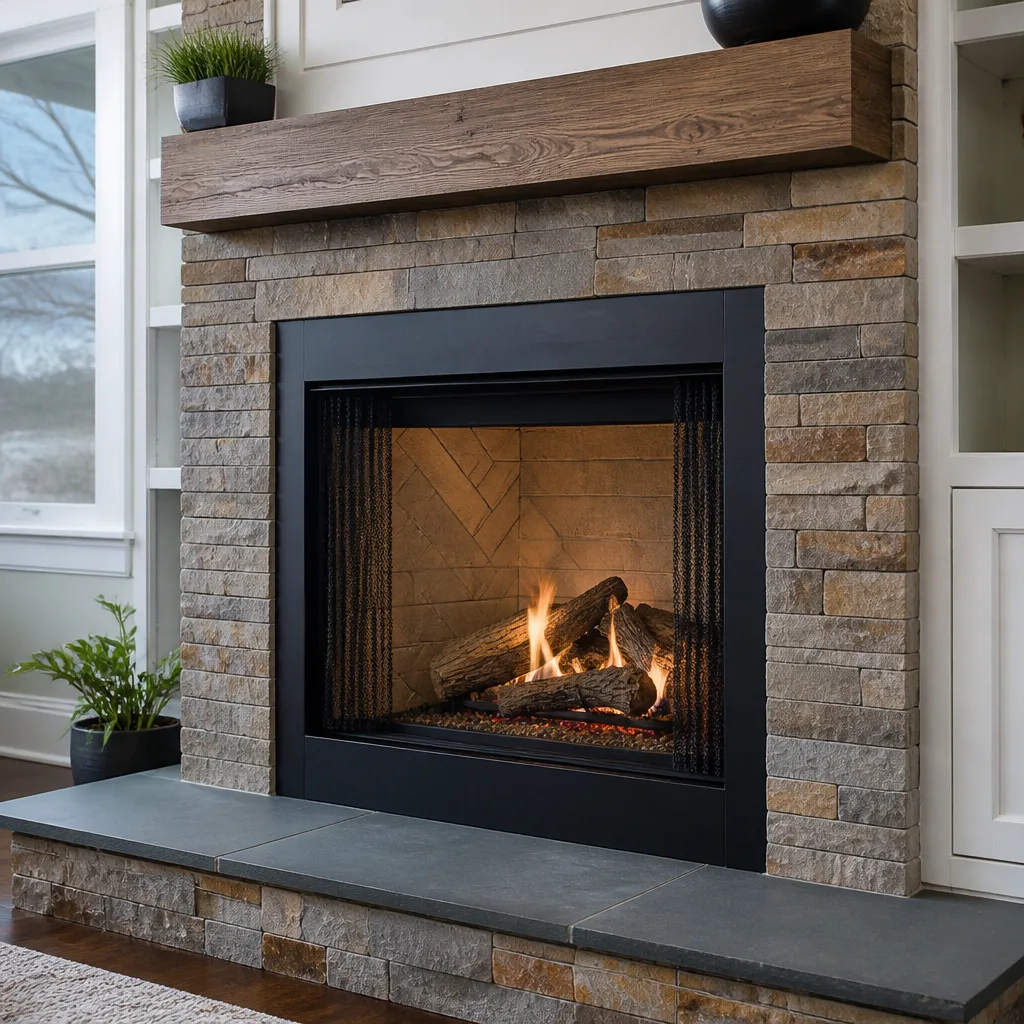 Gas fireplace service
Level 1 sweep and inspection to the NFPA 211 annual standard - flue, crown, cap, and flashing checked and photographed
Chimney sweep logs do not sweep chimneys. They loosen some creosote - which then falls where a brush and vacuum still have to collect it.
Chimney Sweep Troubleshooting in Lakewood: Common Problems and How to Fix Them
If your fireplace smokes into the room, the instinct is to blame a dirty flue. But in Lakewood, at 5,440 feet of elevation along the Front Range, the more likely culprit is often negative air pressure inside the house, not creosote buildup. That’s the part most troubleshooting guides miss, because they’re written for homes at sea level where combustion air is never in short supply.
This guide maps what you’re actually seeing, smelling, and hearing to the specific mechanical cause behind it. You’ll learn which problems you can address yourself in a few minutes, which ones require a proper liner inspection, and which red flags mean you should stop lighting the fireplace until someone qualified has looked at it. By the end, you’ll walk into a service call knowing exactly what to ask.
Quick Answer
Most common chimney problems in Lakewood trace to one of four causes: negative air pressure from a tight house, a flue that’s the wrong size for the firebox, a damper that isn’t sealing or opening correctly, or a damaged liner. Smoke rollback usually points to pressure or flue sizing, slow draft to pressure or a blocked flue, and persistent odors to creosote or liner failure. Elevation makes all of these worse because thinner air at 5,440 feet produces less natural draft per foot of flue.
Styles & brands we work with
- Sweep & inspection
- Caps & crowns
- Flue relining
- Masonry repair
- Gas fireplace service
Table of Contents
- Mapping Your Symptom to the Right Cause
- Why Lakewood’s Elevation Changes the Troubleshooting Rules
- Smoke Rolling Back Into the Room
- Slow Draft and Hard-to-Start Fires
- Mystery Odors When the Fireplace Isn’t in Use
- Why a Clean Chimney Can Still Have a Draft Problem
- Red Flags That Mean Stop Using the Fireplace
- Issues That Can Safely Wait for a Scheduled Visit
Mapping Your Symptom to the Right Cause
Start here before you call anyone. The symptom you notice tells you which part of the system to suspect, and that saves time and money when a technician arrives. When we take a troubleshooting call in Lakewood, the first three questions are always the same: when does it happen, what does it smell like, and does it stop if you open a window.
Symptoms cluster into four groups, and each points at a different failure:
- Smoke rolling back into the room at startup, then settling: usually pressure-related. The house is pulling harder than the flue, and once the flue warms up the problem self-corrects.
- Smoke that rolls back the entire burn, no matter how hot the fire: flue sizing or a serious obstruction. The fire is trying to push more exhaust up the flue than the flue can carry.
- Weak draft, smoldering fires, hard starts: often a combination of altitude, cold flue, and a house that’s tighter than it should be. Could also be an obstruction.
- Odors when there’s no fire: creosote in the flue, a failed damper seal, or water intrusion into the masonry.
The reason this mapping matters: creosote buildup is rarely the cause of smoke rollback. It causes fires, not rollback, and a lot of homeowners get talked into a more expensive job than they need because the wrong cause was diagnosed first. We look at the symptom pattern before we ever light an inspection camera.
If you can answer those three questions with the symptom groups above, you already know about 60 percent of what a diagnosis requires, and your conversation with a technician will move faster.
Why Lakewood’s Elevation Changes the Troubleshooting Rules
Chimney draft depends on the temperature difference between the flue gas and the outside air, multiplied by the height of the flue. But it also depends on air density, and at 5,440 feet above sea level, air density is roughly 82 percent of what it is at the coast. The practical effect for a Lakewood fireplace: your flue needs more heat to produce the same pull a sea-level home would get. That’s physics, not a product defect, and it’s why a chimney that works fine in a beach town can struggle in a foothills neighborhood off Alameda Parkway.
Combine thinner air with the Front Range wind patterns and the local building stock, and three specific problems show up more often here than in lowland troubleshooting guides would suggest:
- Tighter houses. Homes built for cold winters often run with vapor barriers, well-sealed doors, and modern windows. Every one of those improvements reduces the make-up air available to a fireplace.
- Chinook-driven pressure swings. When wind rakes down the eastern slope, exterior pressure drops fast, and a house that was fine yesterday can suddenly fail to draft today.
- Cold flue starts. A chimney that hasn’t been used in a while is full of dense cold air that needs to be displaced before the flue “catches.” Combustion air is already thinner, so the start-up takes longer.
If your fireplace smokes only on windy days, or only at the start of the season, that’s the elevation and pressure telling you something. It’s not a dirty flue. It’s a system that needs help establishing or maintaining draft, and troubleshooting it requires knowing how a high-altitude chimney actually works.
Smoke Rolling Back Into the Room
Smoke rollback is a pressure problem before it’s a creosote problem. Roughly nine out of ten rollback calls we troubleshoot in Lakewood turn out to involve one of four mechanical causes. Creosote is rarely one of them.
- Negative pressure inside the house. Kitchen exhaust fans, bathroom fans, clothes dryers, and second fireplaces all pull air out of the house faster than it can be replaced. If your house is tight, the fireplace competes for air with everything else and loses. Test this in ten seconds: crack a window nearest the fireplace an inch before you light the fire. If the smoke behavior improves immediately, pressure is the cause.
- Flue that’s too large for the firebox. A flue dramatically oversized for its opening loses smoke velocity before it reaches the cap. The fire can’t push smoke up a flue that wide, so smoke stacks up and spills before the flue warms.
- Flue that’s too small for the firebox. The opposite problem, and it gets worse at elevation because the fire wants to produce more exhaust than the flue can handle while producing less draft per foot to help.
- Obstruction. A bird nest, a collapsed flue tile, or a stuck damper blade will produce persistent rollback that doesn’t improve with the window trick.
Open a nearby window first. If that fixes it, you’re dealing with a pressure issue, and the right fix is usually a make-up air source or a fireplace that draws combustion air from outside. If it doesn’t fix it, you’ve got flue sizing or an obstruction, and both require inspection. We handle the diagnosis, the sweep, and the chimney repair under one roof, so if the inspection finds a sizing problem or a damaged flue tile, we don’t hand you off to a third party mid-diagnosis.
Slow Draft and Hard-to-Start Fires
A fire that takes ten minutes to catch is telling you the flue isn’t pulling. There are four typical causes, and they line up neatly with a sequence you can work through in order.
- Is the damper actually open? Obvious, but it’s the number one cause we find on-site. Check visually, not just by feel.
- Is the flue cold? A cold flue full of dense air is hard to start. Try a “pre-heat” by holding a rolled newspaper torch near the damper for thirty seconds before building the fire. If that gets it going, you’re dealing with altitude and cold-start physics, not a fault.
- Is there an obstruction? A bird nest, a leaf pack, or a cracked tile lodged in the flue will show as consistently weak draft even after pre-heating. Look up the flue with a flashlight when the firebox is cold.
- Is the house pulling air hard? If draft only fails when another exhaust appliance is on, you’ve found the answer.
If all four checks are clean and the fire still won’t pull, the problem is inside the flue and it requires a camera inspection. We use a Level 2 inspection with camera evidence so you can see exactly what we’re seeing – no guesswork, no repair recommendation without evidence you can verify.
In Lakewood, hard-starting fires cluster in the neighborhoods where homes are older, tightly sealed, and originally built for wood heat. The plumbing may have changed, but the venting expectations haven’t.
Mystery Odors When the Fireplace Isn’t in Use
Odors are the symptom most often misdiagnosed. A smoky smell when the fireplace is cold is different from a musty smell, and both are different from the sharp campfire odor that shows up on humid days. Each points to a different part of the system.
- Campfire smell on humid or low-pressure days: creosote inside the flue is absorbing moisture from the air and releasing it as smell. This isn’t dangerous by itself, but it’s a signal that the flue has enough buildup to clean.
- Sharp acrid smell when hot: creosote in the early stages of glazing or a liner that’s compromised. Stop using the fireplace and get it inspected.
- Musty, damp smell: water getting in. Could be a damaged crown, a bad cap, or mortar joints taking on moisture. Fix the water source first, then inspect for damage.
- Odor that shows up only when another exhaust appliance runs: negative pressure again. The fireplace is being depressurized and sucking flue gases into the living space instead of venting them. This one is worth stopping to take seriously – flue gases include carbon monoxide.
If the smell matches the last bullet, put the fire out, open a window, and have the system inspected before the next fire. Everything else can usually wait for an appointment, but a pressure-induced backdraft needs a proper look.
Why a Clean Chimney Can Still Have a Draft Problem
A standard sweep gets a brush up the flue and removes creosote. It doesn’t tell you whether the flue is the right size, whether the liner is intact, whether the damper seals, or whether the flue is pulling against the pressure of your house. Those are the exact problems that produce smoke rollback and slow draft, and a swept chimney can still have every one of them.
That’s the case for a Level 2 inspection. A Level 2 inspection uses a camera down the flue to look at liner condition, flue size, interior joints, and any offset or obstruction. It’s the level required when a property changes hands, when a change is made to the system, or when symptoms persist after a sweep. A Level 1 visual check doesn’t catch a cracked flue tile, an improperly sized flue, or a liner that’s separated at a joint. Those are the failures a Level 2 inspection shows you directly.
When we’re doing a Level 2 inspection, we photograph what we find. If the flue lining is serviceable but has small cracks and gaps at the joints, we can often restore it with HeatShield, the professional-grade ceramic resurfacing system that rebuilds the interior surface of the flue without removing it. That’s a repair-first alternative most single-trade sweeps can’t offer, because they don’t carry the product or know how to apply it. If the liner is structurally failed or improperly sized, a full reline is the right call, and for older or irregular flues we specify a DuraFlex flexible liner system because it fits the shape of the existing flue rather than forcing a one-size solution.
Call Oasis if a sweep didn’t fix your draft. A clean chimney with breathing problems is a diagnosis problem, not a cleaning problem.
Red Flags That Mean Stop Using the Fireplace
Some problems can wait for an appointment. Others can’t. This is the list of things that mean you stop lighting fires until the system has been inspected by a trained professional.
- A sharp, acrid smell when the fire is burning and hot. Possible glazed creosote or a compromised liner. Creosote can ignite, and chimney fires can burn undetected inside the flue.
- Flue gas smell in the room during a fire. That’s a backdraft carrying combustion byproducts into the living space. Carbon monoxide is invisible, but the smell of flue gases is not a warning to take lightly.
- Visible damage in the firebox that goes beyond surface cracks. Missing mortar between firebricks, cracked firebricks, or gaps in the firebox floor can allow heat into the structure behind.
- Cracked or missing flue tiles visible when you look up the flue. A gap in the liner lets heat and combustion gases into the chimney chase.
- Water actively coming in during a fire. A damaged crown or cap can let water into the flue, which then mixes with creosote and can cause a chimney fire.
- Smoke that doesn’t clear after twenty minutes even with a window cracked. That’s an obstruction or a major sizing problem, not a startup issue.
These are the red flags we look for first on a service call, and they’re the ones that change the order of operations: inspect, then decide whether to repair or just schedule a sweep. Never “burn it out” with a hot fire to clear creosote yourself. That’s the single most dangerous advice in fire safety, and it’s repeated constantly in online forums. Get a trained professional to look at a compromised system instead.
If any of these apply to your situation, put the fire out and don’t rebuild it until the system has been inspected. We’d rather schedule an inspection you didn’t need than have you take a chance you didn’t have to.
Issues That Can Safely Wait for a Scheduled Visit
Not every symptom is an emergency. A lot of what we’re called out to look at in Lakewood could have waited for a scheduled appointment, and knowing the difference helps you plan instead of panicking.
The problems that can typically be monitored until a scheduled appointment:
- Campfire smell on humid days with no fire burning, no sharp acrid note, and no other symptoms.
- Smoke rollback only on windy days or only at startup that clears within a minute or two.
- Draft weakness that resolves when a window is cracked.
- Light surface hairline cracks in the firebrick that don’t show gaps or missing mortar.
- A damper that’s stiff but still operates fully.
- A cold-start fire that pre-heats fine after thirty seconds of newspaper torch.
Monitor these, write down when they happen, and bring the notes to the appointment. A technician with a symptom log can diagnose faster and with less disruption to the masonry. Under no circumstances should you continue lighting the fire if the symptoms escalate to a red flag from the previous section – the two categories are not negotiable.
If you’re not sure which side of the line a symptom falls on, describe it over the phone. We’d rather have the conversation than have you take a chance on the wrong side of it. Chimney sweep appointments in Lakewood fill faster in the fall, so book before the burning season.
Common Mistakes to Avoid
- Blaming creosote for every symptom. Smoke rollback and slow draft are usually pressure or sizing problems, not buildup. A sweep won’t fix what a sweep doesn’t touch.
- Running a hot fire to “burn out” creosote. This is the most dangerous troubleshooting advice circulating online. A creosote fire, once started, can burn inside the flue and go unnoticed until it’s done real damage. Get a professional inspection instead.
- Assuming a clean chimney is a safe chimney. A clean flue can still have a cracked liner, an improperly sized flue, or a negative-pressure problem. Cleaning and safety are different questions.
- Sealing a Lakewood house tighter without considering make-up air. Weatherizing an older home without adding combustion air can turn a working fireplace into a smoking one in the same winter.
- Skipping the Level 2 inspection when symptoms persist. If a sweep didn’t fix the draft, a camera inspection is the next step, not another sweep.
- Calling only when there’s a problem. An annual inspection catches hazards before they become emergencies. It’s the reason we treat inspection as a core offering and not an upsell.
- Shopping on price alone for a liner repair. A liner restoration with HeatShield and a full reline with DuraFlex are different jobs with different materials, and the quote should say which one you’re getting and why.
See the difference
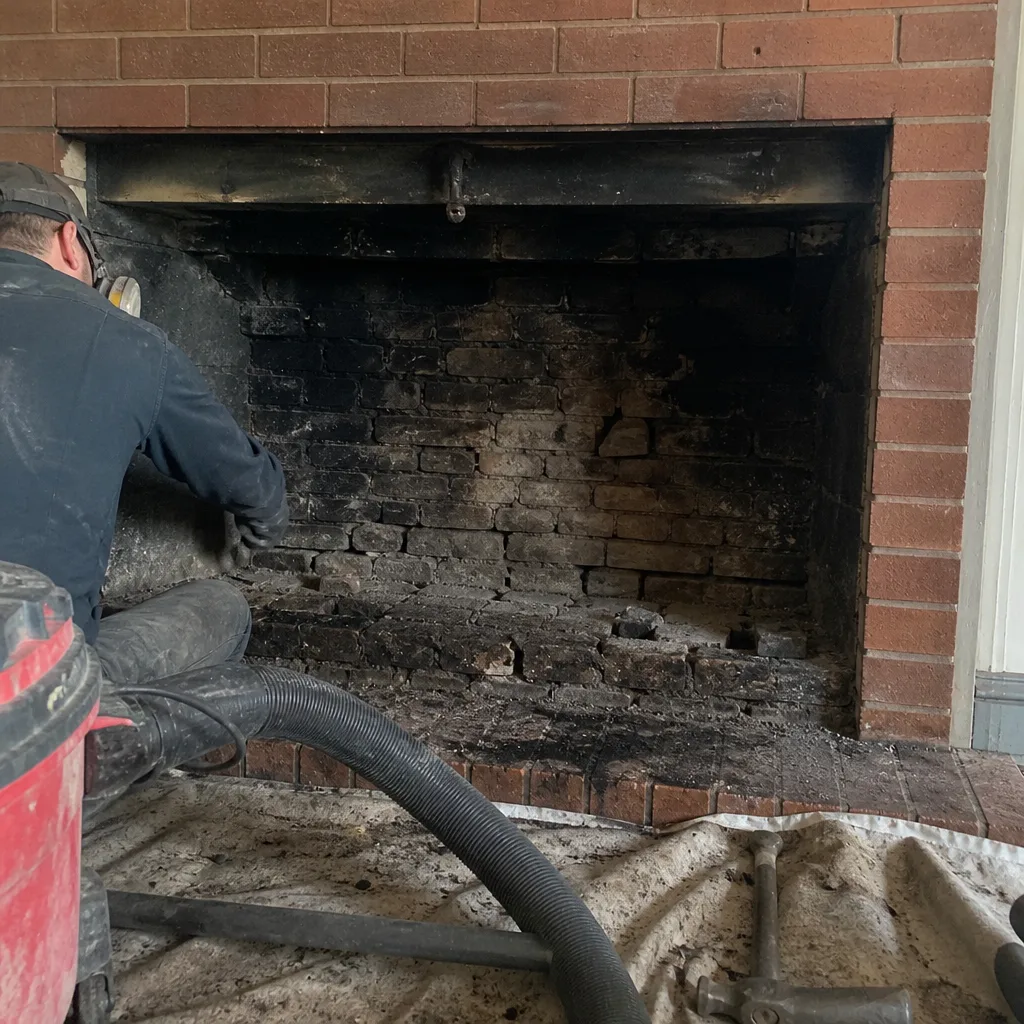 Before
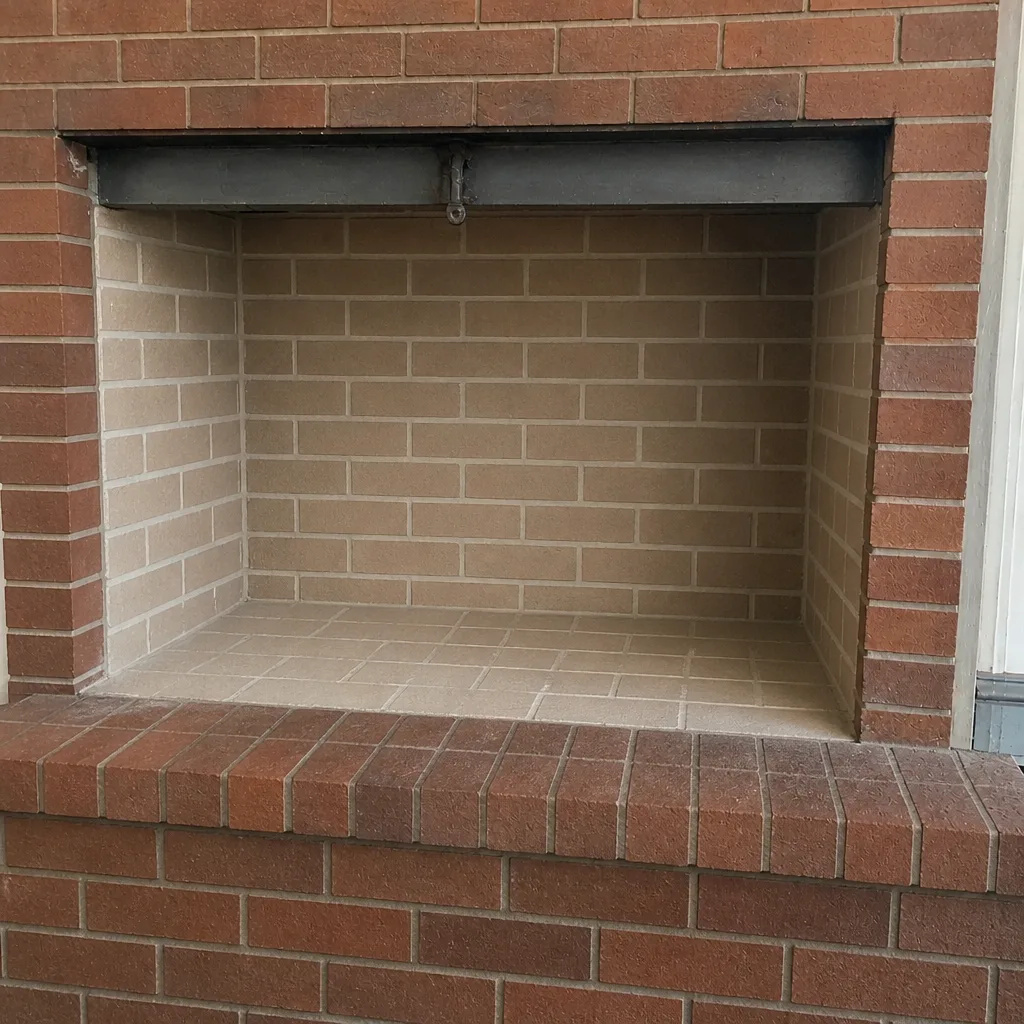 After
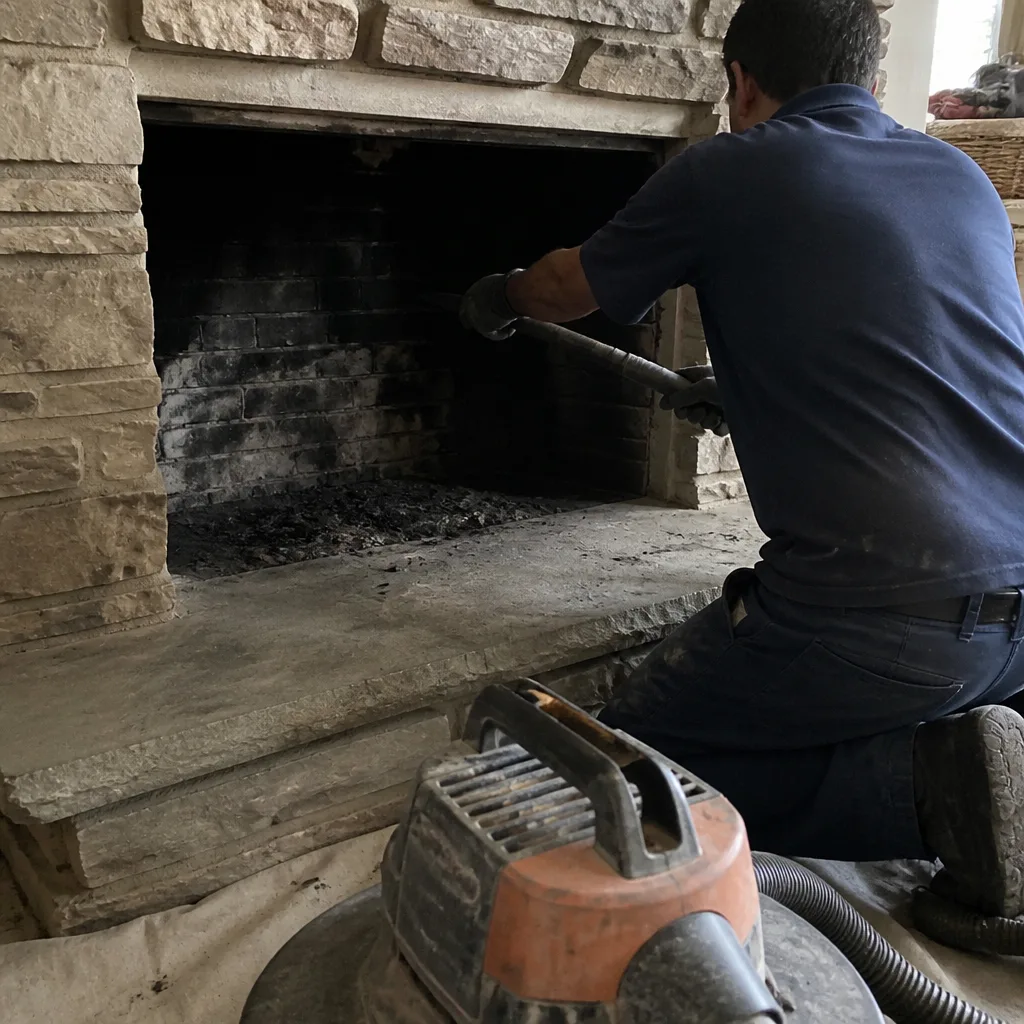 Before
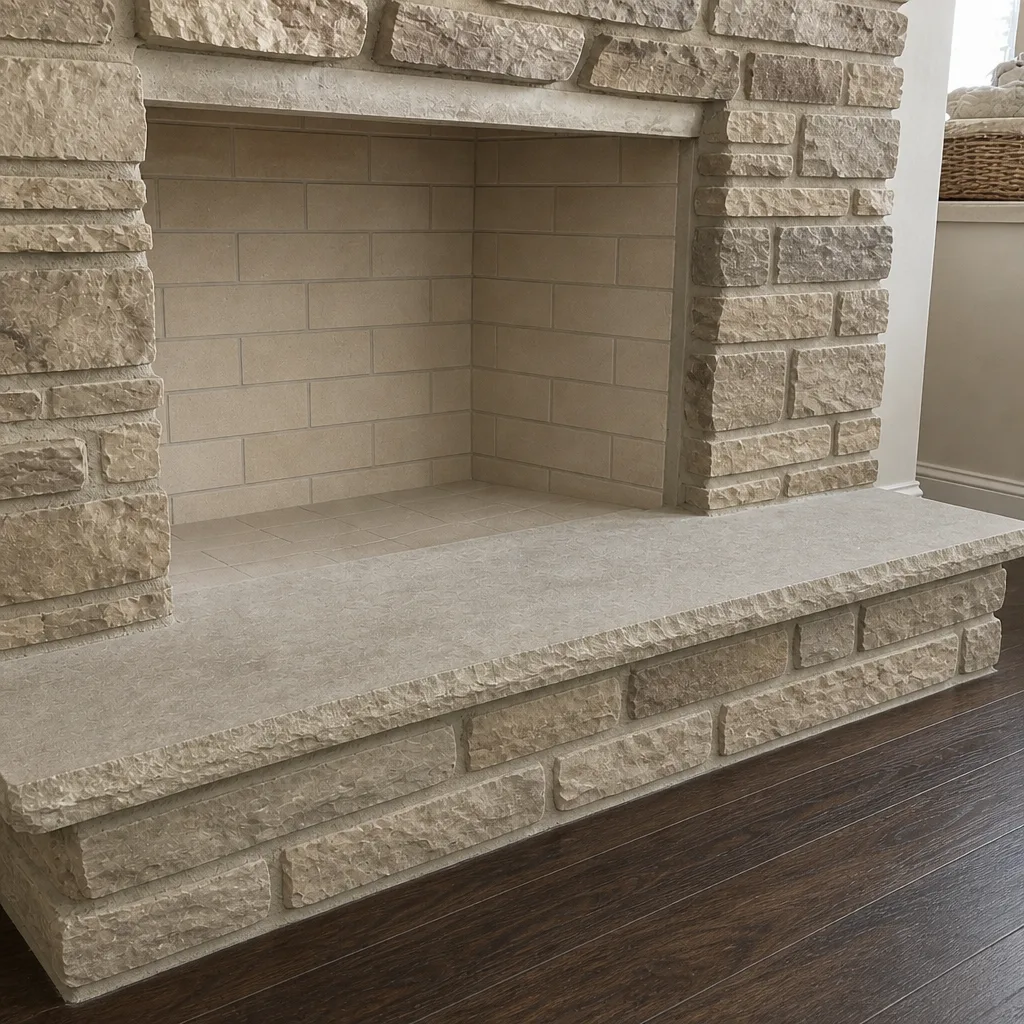 After
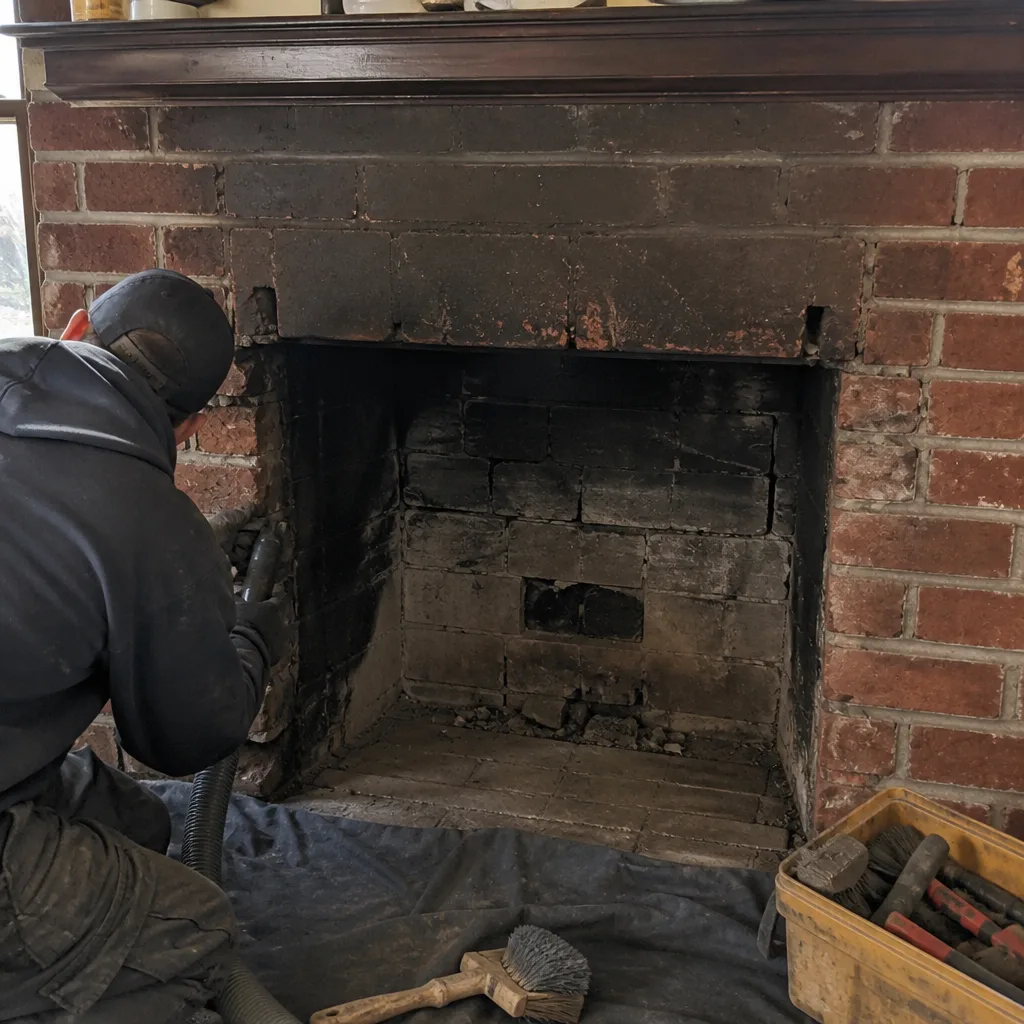 Before
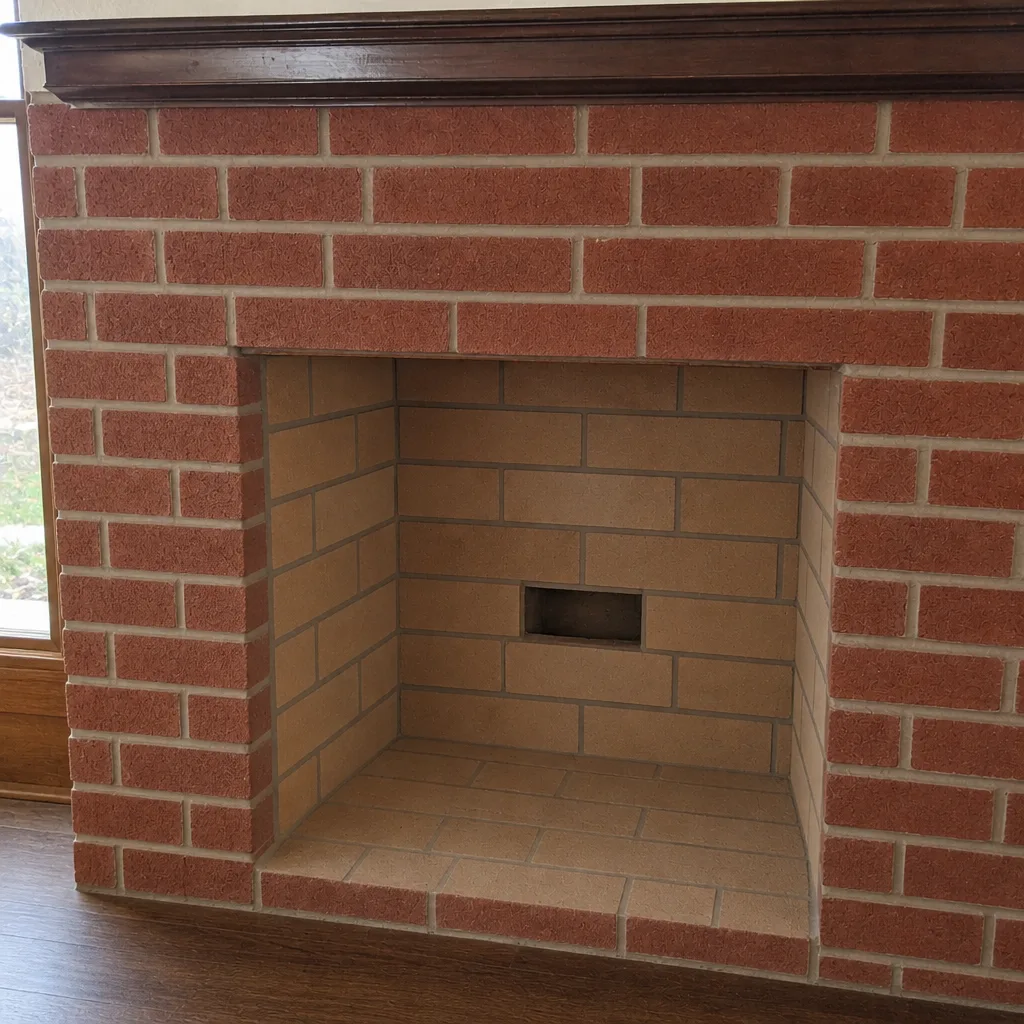 After
When to Call a Professional
Call a professional if smoke rolls into the room any time a fire is burning, if you smell flue gas in the living space, if you see cracks in the flue tile or gaps in the firebox, or if a sweep hasn’t solved a persistent draft problem. Call immediately if water is getting into the firebox during a burn, if creosote is actively burning or has burned, or if any red flag from the list above shows up. If you’re not sure, describe what you’re seeing and let a technician decide whether it needs a visit or just a note on the calendar.
For system-wide checks, the Oasis Chimney Sweep team covers sweeping, inspection, and repair as a single job, so nothing gets passed between contractors.
Oasis Chimney Sweep offers free estimates in Lakewood. Call (888) 320-6023. We answer 24/7. Fast dispatch from 7am to 7pm, Sunday through Friday.
Frequently Asked Questions
Because cleaning only removes creosote, and creosote is rarely the cause of smoke rollback. The most likely causes in Lakewood are negative pressure from a tightly sealed house, a flue that’s sized wrong for the firebox, or an obstruction a sweep can’t see from the top. The next step is a Level 2 inspection with a camera that shows you the actual flue interior. Call (888) 320-6023 to book one – estimates are free.
Air at 5,440 feet is roughly 82 percent the density of sea-level air, so the flue has to work harder to produce the same pull. That means longer cold starts, weaker draft per foot of flue, and less margin for a flue that’s borderline on sizing. Homes that would draft fine in a lowland city can struggle here, especially on windy Front Range days. If your fireplace behaves differently from where you grew up, elevation is the explanation.
A Level 1 inspection is a visual check of easily accessible parts of the system. A Level 2 inspection includes a camera down the flue to look at liner condition, flue sizing, joints, and any offset or obstruction. A Level 2 is what’s needed when symptoms persist after a sweep, when a property changes hands, or when a firebox has been changed. If a sweep didn’t fix your draft, a Level 2 is the next step – call (888) 320-6023 for a free estimate on the inspection.
Most liner problems can be fixed without a full rebuild. HeatShield is a ceramic resurfacing system that restores a lining with cracks and joint gaps; it rebuilds the interior surface of a sound liner without demolition. DuraFlex flexible liner systems are the right tool when the existing liner shows structural failure or is improperly sized for the firebox, and they fit older or irregular flue shapes better than rigid liners. Which one applies to your chimney depends on what the inspection finds. Call and we’ll show you the evidence and the recommendation.
Wind and humidity are both pressure signals. Humid days often produce a campfire smell because creosote in the flue is absorbing moisture and releasing odor. Windy days can produce the same smell because pressure swings on the exterior of the house depressurize it, and the fireplace backdrafts. Neither is dangerous on its own, but a persistent windy-day smell is worth an inspection. Call (888) 320-6023 if you’re seeing it consistently.
That depends on which symptom you’re waiting on. Startup-only smoke that clears in a minute or two, humidity odors with no other symptoms, or a stiff-but-working damper can typically be monitored until the scheduled visit. Acrid smells when burning, flue gas smell in the room, cracks in the flue tile, or water intrusion during a fire are all red flags – stop using the fireplace immediately. Call (888) 320-6023 to book an inspection at Lakewood rates with a written estimate before any repair work begins.
The Bottom Line
Most chimney problems homeowners in Lakewood notice have a specific mechanical cause, and that cause is usually identifiable before the inspection camera comes out. Smoke rollback points to pressure or flue sizing, slow draft to pressure or obstruction, and odors to creosote, water, or a compromised liner. Elevation at 5,440 feet makes all of these worse by shrinking the draft margin, and tightly sealed modern homes make them worse again. If a window trick fixes it, you’re dealing with air. If it doesn’t, you’re dealing with the flue and you need a proper diagnosis. Call (888) 320-6023. We answer 24/7. Fast dispatch from 7am to 7pm, Sunday through Friday.
Contact
Oasis Chimney Sweep provides sweeping, inspection, and repair as a single job, using professional-grade brands like HeatShield, DuraFlex, Copperfield, and Famco. No handoffs, no referrals, no guesswork – the same team that diagnoses your problem is the one that fixes it. Our technicians have up to 14 years of experience, and every repair starts with an inspection that shows you the evidence. If your fireplace is smoking, smelling, or drafting weakly, give us a call. We’ll tell you what’s actually wrong, what the repair involves, and whether it can safely wait for a scheduled visit. Call (888) 320-6023 for a free estimate.
Written by the team at Oasis Chimney Sweep.