
Last updated November 15, 2026
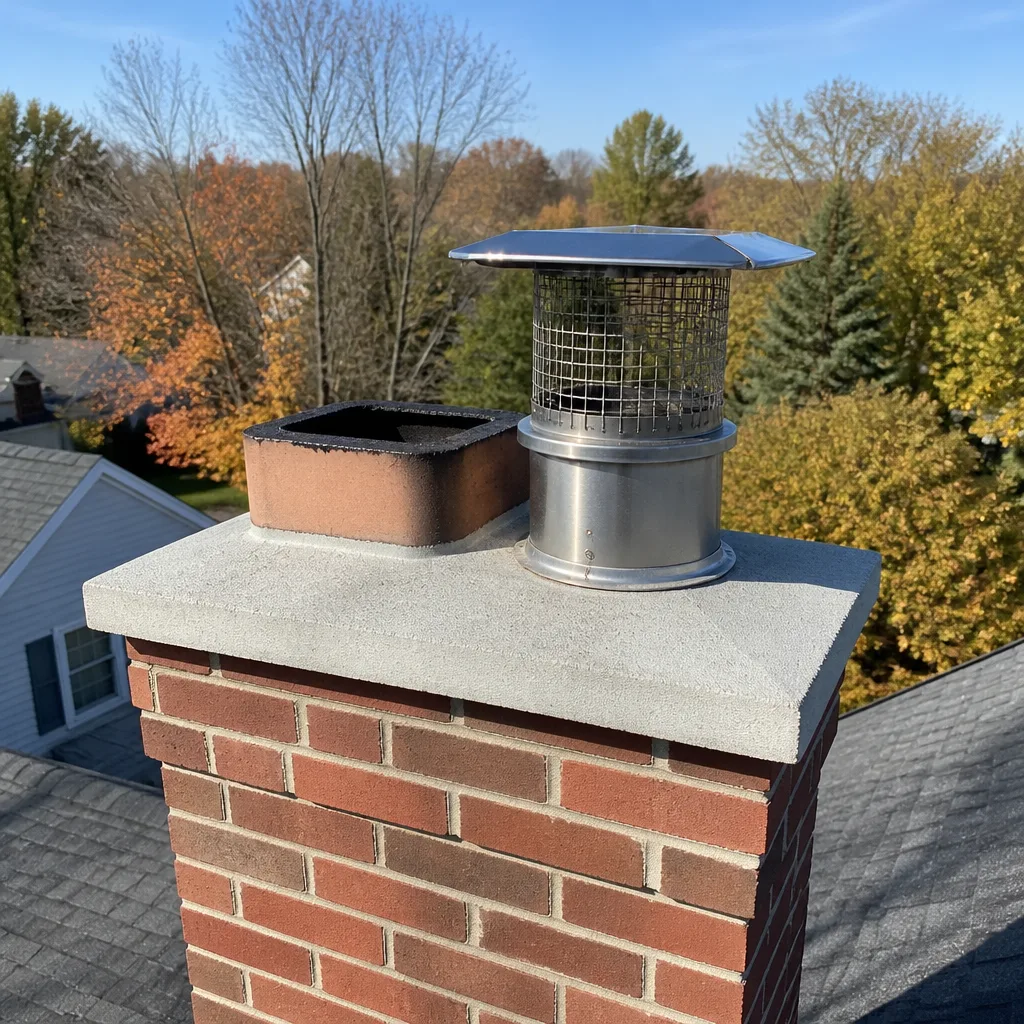 Sweep & inspection
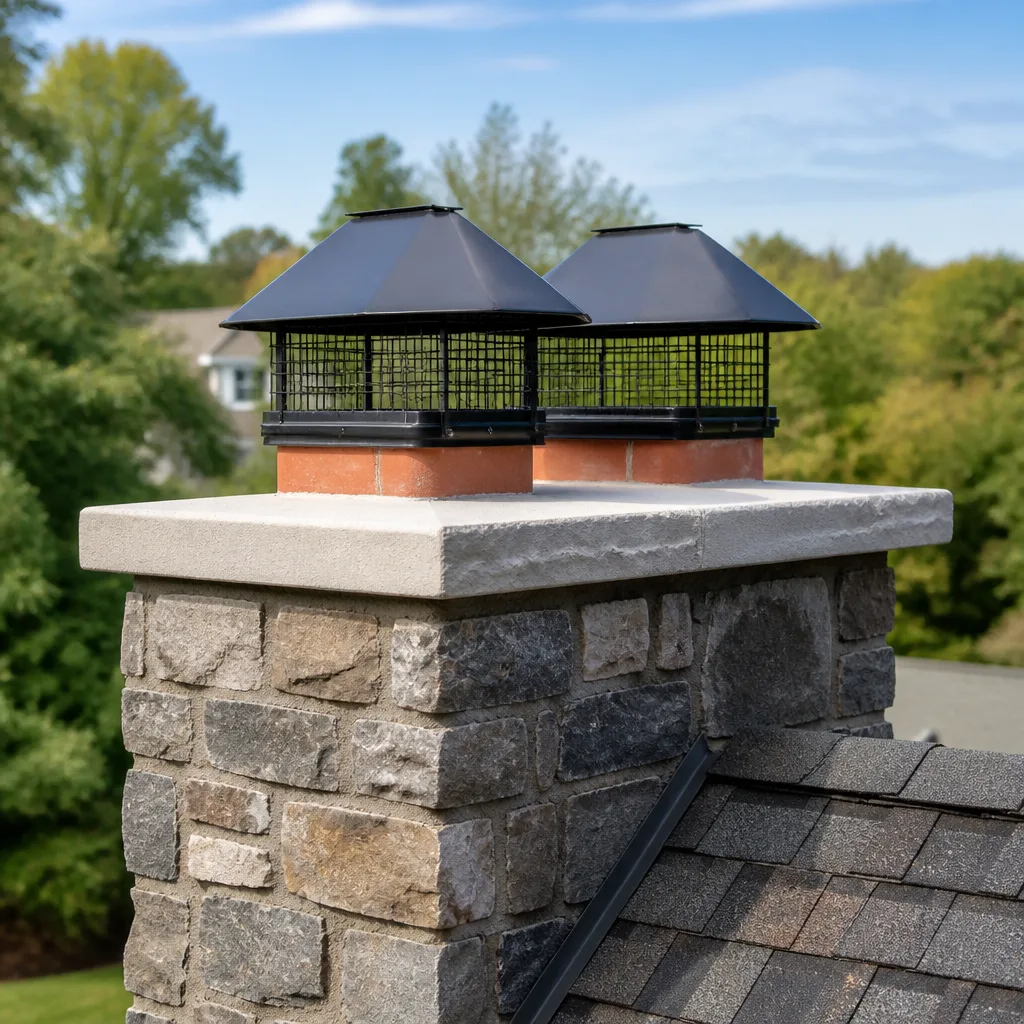 Caps & crowns
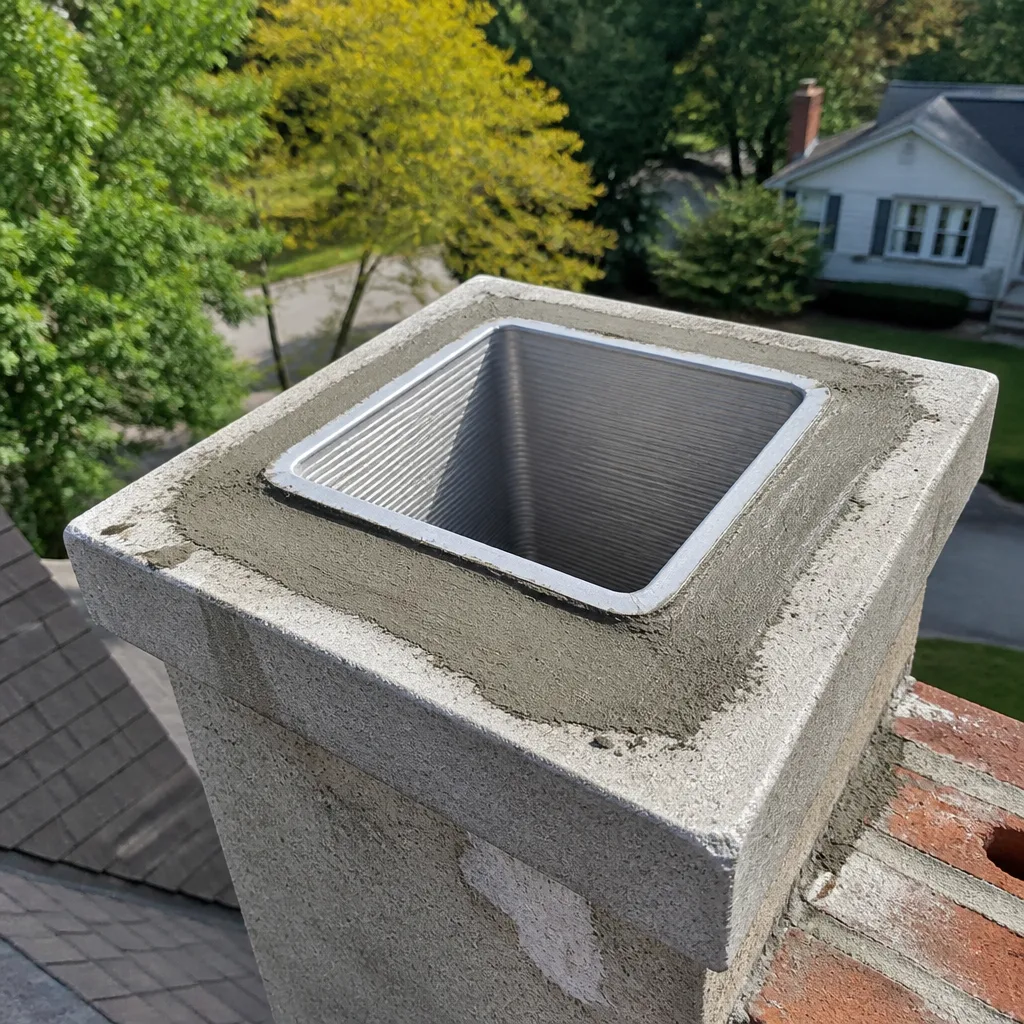 Flue relining
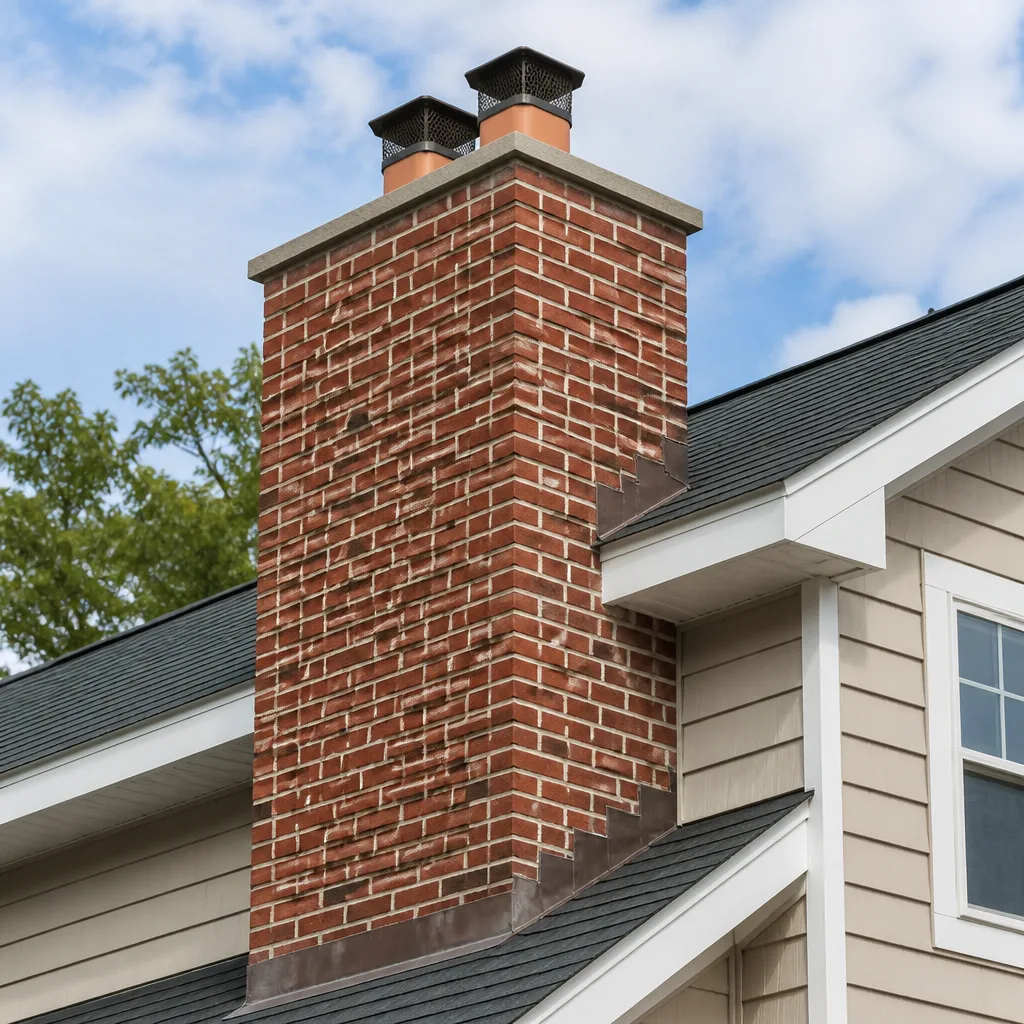 Masonry repair
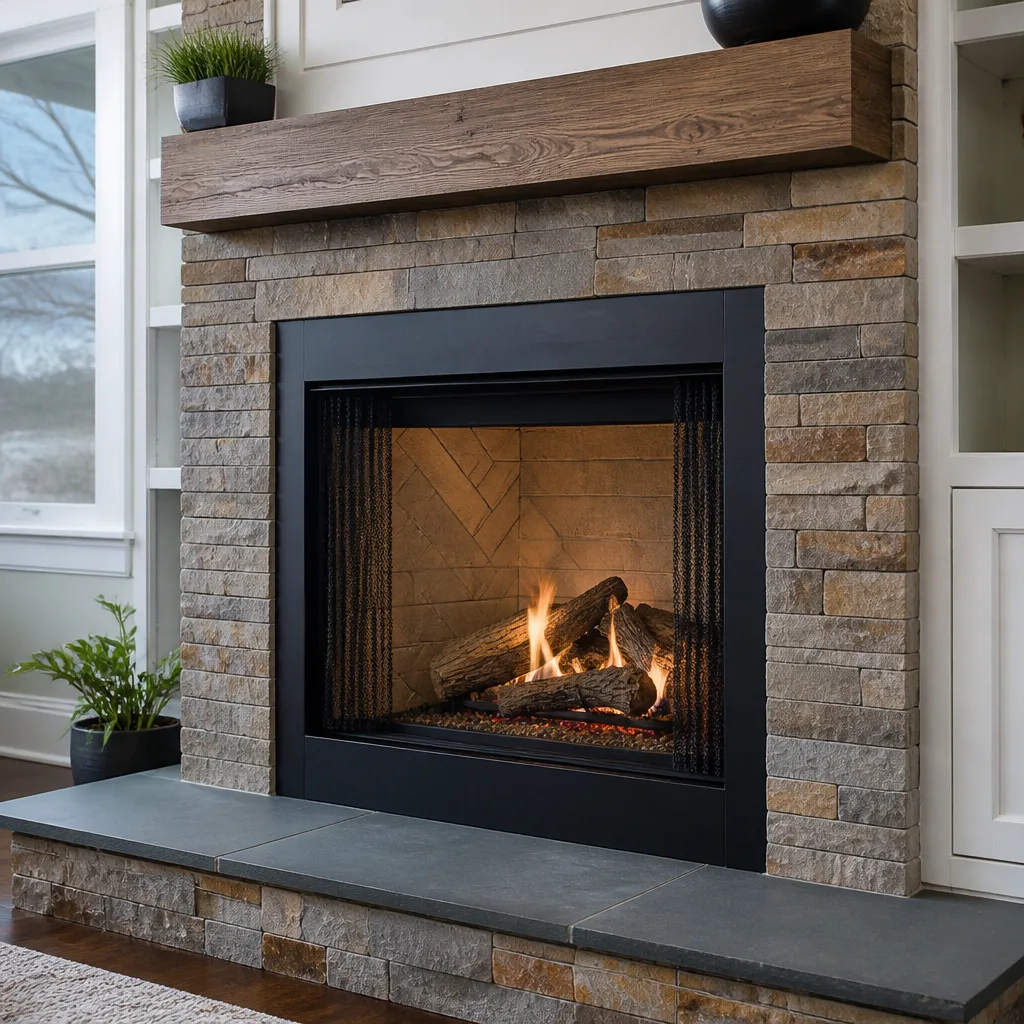 Gas fireplace service
Level 1 sweep and inspection to the NFPA 211 annual standard - flue, crown, cap, and flashing checked and photographed
Chimney sweep logs do not sweep chimneys. They loosen some creosote - which then falls where a brush and vacuum still have to collect it.
Chimney Cleaning Emergency Preparedness Guide for Lakewood Homes
A chimney fire doesn’t always announce itself with a roar and a shaking flue. Many burn slowly inside the flue, climbing to temperatures that warp stainless steel liners and crack tile while the house above stays quiet. Nobody smells smoke in the living room. Nobody sees flames at the cap. The homeowner finds out months later, when a sweep runs a camera down the flue and shows them the damage on a screen. That slow, silent version is the one that catches Lakewood families off guard, because it doesn’t match the picture in their heads. This guide covers how to recognize both kinds of fire, what to do in the first ten minutes, what a proper post-fire inspection must include, and – most importantly – the preventive work that keeps you out of that situation altogether.
Quick Answer
A suspected chimney fire means stop using the fireplace immediately, get everyone out of the house if you see flames, smell strong smoke, or notice the flue glowing or vibrating, and call 911 for anything active. A slow-burn fire you only suspect should be handled by shutting the damper, closing the glass doors, and calling a chimney professional for a same-day inspection before you light another fire. For Lakewood homeowners, the bigger point is that most chimney emergencies announce themselves weeks in advance through creosote buildup, draft changes, or a failing liner seal – and a scheduled inspection is how you read those warnings before they turn into a 911 call.
Styles & brands we work with
- Sweep & inspection
- Caps & crowns
- Flue relining
- Masonry repair
- Gas fireplace service
Table of Contents
- How to Tell a Slow-Burn Chimney Fire From an Active One
- The Immediate Shutdown and Notification Protocol
- What a Post-Fire Inspection Must Include
- Carbon Monoxide Risks Tied to Chimney Condition in Lakewood
- The Preventive Work That Lowers Emergency Probability
- Why Lakewood’s Climate and Housing Stock Change the Risk
- Inspection Levels: What Each One Actually Covers
- How to Prepare Your Home Before Heating Season
How to Tell a Slow-Burn Chimney Fire From an Active One
Most homeowners picture a chimney fire as a jet engine sound with flames shooting from the top of the flue. That happens. But the fires we find evidence of most often in Lakewood were quiet, low-oxygen burns that smoldered inside the flue for a stretch of time and then went out on their own. The telltale signs show up in the days and weeks afterward, not during the fire itself. Knowing what to watch for is the first piece of preparedness.
An active chimney fire is usually obvious. You may hear a low rumbling that sounds like a freight train, a loud cracking or popping, or a sucking noise from the firebox as the fire pulls air up the flue. Flames or dense smoke may come from the chimney top. The stovepipe or flue may glow. Metal parts can warp or discolor, and the chimney can vibrate. If any of that is happening, treat it as active.
A slow-burn fire is subtler. Watch for these signs in the hours or days after a fire:
- A strong, hot, tar-like smell lingering in the room well after the fire is out.
- Puffy, honeycombed creosote visible at the damper or the top of the firebox.
- Warped or discolored damper components, or a damper that no longer closes cleanly.
- Creosote flakes on the roof or ground near the chimney cap.
- A sudden change in draft – the fireplace that always drew well now smokes into the room.
- Cracked or displaced flue tiles visible from the top of the chimney.
- Discolored stainless steel in a prefabricated liner, visible on camera inspection.
In our experience, the “sudden draft change” is the sign most often missed. Homeowners assume a fireplace that starts smoking back into the room is a house-pressure problem or a damper issue. Sometimes it is. Sometimes it’s a warped liner or a shifted tile from a fire that happened months earlier. If your chimney sweep hasn’t been done since the change started, that’s the first call to make.
The Immediate Shutdown and Notification Protocol
If you suspect an active chimney fire, act first and diagnose later. The gap between “I think something is wrong” and “the fire department is on the way” should be measured in seconds, not minutes. Here’s the sequence we recommend every Lakewood household walk through mentally before the first fire of the season:
- Get everyone out first. If you see flames or heavy smoke at the chimney top, hear a roaring or rumbling sound, or see the flue glowing, evacuate the house and call 911 from outside. Don’t stop to close dampers on your way out.
- If the fire is fully contained in the firebox and your flue is drawing normally, close the glass doors and the damper to cut off the air supply. Then call 911 anyway if the fire has spread beyond the firebox, or if you’re not sure. Firefighters would rather arrive to a contained situation than a house fire.
- Never apply water to a hot flue. A sudden temperature shock can crack tiles and warp metal liners, and it can send steam and debris back into the room. Leave suppression to the fire department.
- If you only suspect a slow-burn fire – no flames, no roaring, but you smell a hot tar odor or see warped components – stop using the fireplace, close the damper, and call a chimney professional for a same-day inspection. Call (888) 320-6023. We answer 24/7. Fast dispatch from 7am to 7pm.
- Don’t light another fire in that fireplace until a professional has run a camera inspection and cleared it. That’s the hard rule, not a suggestion.
The 911-versus-sweep decision is genuinely harder than it sounds. The rule we give Lakewood homeowners: any sign of active fire in or above the firebox means 911. Any sign of post-fire damage or suspicious smell with no active burning means call a sweep for a same-day inspection. There’s no scenario where you wait until Monday to check.
What a Post-Fire Inspection Must Include
After a suspected chimney fire – even a small one – a visual check from the ground is not an inspection. It’s a glance. The damage we find after these events is almost always hidden: warped liners, cracked tiles behind the smoke chamber, gaps in the flue joint seals that only appear on camera. Resuming normal fireplace use before a proper Level 2 inspection with camera documentation is not just a risk. It’s a liability, because you’re accepting a fire-holding system of unknown integrity as safe for your family and your house.
A proper post-fire inspection includes, at minimum:
- Level 2 camera scan of the entire flue from the firebox to the cap, with photographic or video documentation you can see for yourself.
- Smoke chamber and damper assembly check – the smoke chamber is where slow-burn heat damage hides because a flashlight from the firebox can’t see it.
- Liner joint and seal inspection on stainless systems, since a single failed joint can lead to carbon monoxide leaking into the house.
- Chimney exterior and crown inspection, since heat can crack masonry near the flue top where you’d never notice from below.
- Comparison against the previous inspection record to distinguish new damage from pre-existing condition.
- A written report with photos and a repair recommendation that tells you clearly what must be fixed now, what can wait, and what can’t be verified without further disassembly.
This is where materials matter. When a fire-damaged flue needs relining, we specify DuraFlex flexible liner systems for older or irregular flue shapes because a rigid liner won’t fit them properly. When the flue itself is intact but the smoke chamber is rough, we restore it with the HeatShield ceramic resurfacing system rather than tearing out masonry. Neither is a one-size-fits-all answer. The right specification comes from what the camera shows.
Carbon Monoxide Risks Tied to Chimney Condition in Lakewood
Carbon monoxide doesn’t announce itself. It has no color, no smell, no taste. In chimney terms, that means the flue problems that cause CO backup are almost always invisible until they’ve been running for a while. Three conditions drive nearly every chimney-related CO scare we see in Lakewood:
- Blocked flues – from nests, debris, or heavy creosote. A blocked flue pushes combustion gases back into the room instead of up and out.
- Damaged liner seals – a crack, a failed joint, or a warped section in a stainless liner will leak exhaust into wall cavities, attics, or adjacent rooms instead of the outdoors.
- Backdrafting gas appliances – a furnace or water heater sharing the same flue, or a chimney stack that no longer drafts properly, can pull CO from one appliance into the living space while a different system is running.
Lakewood’s older housing stock makes the third one common. Many homes have gas appliances vented into a masonry chimney originally built for a wood-burning fireplace, and those two functions don’t always coexist well once the flue deteriorates. Winter temperature swings in Lakewood, with cold mornings and mild afternoons, create pressure differences across the day that can push a marginal flue from “drafting fine” to “spilling exhaust” without any obvious warning.
Our advice for every Lakewood home with any fuel-burning appliance: have working CO alarms on every level and outside every sleeping area, test them before heating season, and treat any new alarm as a chimney inspection trigger, not just a battery change. If the alarm goes off, get everyone out and call 911 first. Then call us for the chimney side of the investigation. Call (888) 320-6023. We answer 24/7. Fast dispatch from 7am to 7pm.
The Preventive Work That Lowers Emergency Probability
Here’s the reframe this whole guide is built on: chimney emergencies are usually not random. They develop from conditions that existed for months before the fire or the CO incident. Preparedness is not a fire extinguisher in the closet. It’s the inspection and maintenance decisions that stop the emergency from developing. In practice, the work that does the most to reduce probability in a Lakewood home looks like this:
- Annual creosote assessment and sweep – book it before the first cold snap, not after months of fires. A season of creosote doesn’t clear itself, and the deposit only gets harder to remove with time.
- Level 2 camera inspection every few years, or after any suspected fire – even if the sweep came back clean, the camera is what finds liner damage a brush can’t see.
- Smoke chamber lining with HeatShield – a rough, unlined smoke chamber is where creosote clings and where slow-burn heat damage accumulates. Resurfacing smooths the surface and restores a proper draft path.
- Stainless cap installation – a well-fitted cap blocks water, nesting birds, and debris from entering the flue, which removes a large class of blockage emergencies before they start.
- Liner integrity check on any prestressed or stainless system – a failed joint is a hidden CO risk and a pre-indicator of chimney fire damage.
- Damper and firebox door check – warped components are a fire-history clue and a safety problem in their own right.
The brand choices on these repairs are not marketing. A HeatShield chimney restoration and a DuraFlex relining job solve different problems, and the repair spec has to match the diagnosis. A chimney repair with the wrong materials is a repair you’ll be redoing within a few seasons. We work with a specific roster of professional-grade brands – DuraFlex, HeatShield, Gelco, Olympia Chimney, Famco, and Copperfield – because the material match matters more than the price of the part.
Why Lakewood’s Climate and Housing Stock Change the Risk
Lakewood sits just west of Denver against the Front Range, and the local pattern of cold mornings followed by mild, sunny afternoons creates a subtle fireplace risk that coastal or deep-winter climates don’t see the same way. The daily warming cycle shifts drafts and pressure inside a flue repeatedly. A flue that drafts cleanly at noon can spill smoke at 6am when temperatures drop fast. That back-and-forth won’t start a fire, but it does stress a marginal liner or smoke chamber more than a steady cold climate would.
The housing stock matters too. Lakewood has a lot of mid-century homes and older construction where the fireplace and the gas furnace share a single masonry chimney, or where a wood-burning flue has been retrofit for a gas insert without a proper liner upgrade. Older flues often have offset or irregular interiors from original construction, which is exactly the situation where a flexible DuraFlex liner fits and a rigid one doesn’t. Neighborhoods like Belmar, Eiber, and around the Federal Center area are full of these older fireplaces with a modern appliance tied in somewhere. If you don’t know the last time your flue was inspected, that’s your starting point – the local Lakewood housing pattern alone is a reason to look before the first fire of the season.
Colder nights mean a fire gets lit more often in Lakewood than in cities further south, and more fires in a season means faster creosote accumulation. A sweep scheduled early in the season catches a warm-weather deposit before it becomes a winter emergency. That’s not fear-based advice. It’s the practical math of how many fires a typical Lakewood living room actually sees.
Inspection Levels: What Each One Actually Covers
Chimney inspections come in three recognized levels, and knowing which one you need is a real part of emergency preparedness. We do all three, and we’ll always tell you which level fits your situation rather than booking the most expensive one by default.
- Level 1 – basic inspection. A visual check of accessible parts of the fireplace, flue, and chimney from the firebox and, where safely accessible, the roofline. This is the routine annual inspection when the fireplace has been burning normally and nothing unusual has happened.
- Level 2 – camera inspection. Everything in Level 1 plus a video scan of the entire flue interior, with photo or video documentation. Required after any suspected chimney fire, after a change in fuel type or appliance, after a chimney fire or earthquake, and whenever you’re moving into a home with an unknown chimney history. This is the inspection level that catches the damage slow-burn fires leave behind.
- Level 3 – diagnostic inspection. Everything in Level 2 plus investigation of concealed areas – opening walls, removing parts of the crown, or accessing sections of the chimney that require disassembly. This is reserved for cases where the Level 2 camera shows a condition that can’t be fully diagnosed without exposure.
Most Lakewood homeowners will only ever need a Level 1 annually and a Level 2 every few years or after an event. The one we see under-requested is Level 2 after a suspected slow-burn fire. If you’ve had any of the telltale signs in the previous section, ask specifically for a Level 2 with camera documentation. A Level 1 cannot see what a Level 2 can, and the fire damage from a slow-burn event lives almost entirely in the parts only a camera reaches.
How to Prepare Your Home Before Heating Season
Preparedness for a chimney emergency in Lakewood has a short checklist you can run through in an afternoon before the first fire, and it costs almost nothing beyond the sweep and inspection.
- Book your annual sweep and inspection before the first cold snap, not after a month of fires. Calling early means the creosote comes off easier and any developing liner issue gets caught before it hardens in.
- Test every carbon monoxide alarm on every level and outside every sleeping area. Replace batteries and confirm the units are within their service life.
- Confirm the chimney cap is intact and properly fitted. A missing or damaged cap is the single most common way debris, water, and wildlife get into a flue.
- Clear the area in front of the firebox of combustibles – rugs, kindling, and decorations that could catch a spark.
- Know your emergency plan: where everyone exits, where you meet outside, and how you’d call 911 from outside the house. Walk through it with the household before winter.
- Have a Level 2 camera inspection done if the fireplace is new to you, if the previous owner left no inspection record, or if you’ve noticed any draft change or persistent odor since last season.
Every one of these items is a conversation we have with Lakewood homeowners every week. Schedule your inspection and sweep in the same visit and you’ll know exactly what condition your fireplace is in before the first fire is lit.
Common Mistakes to Avoid
- Assuming a clean sweep means a safe flue. A brush removes creosote from the flue walls; it doesn’t tell you whether a liner joint failed or a tile cracked. Only a camera inspection does that, and no sweep is a substitute.
- Treating a smoke-back as a damp weather problem. A fireplace that suddenly drafts poorly in Lakewood is often showing a warped liner or a shifted tile from a slow-burn fire. If the draft changed, book the inspection before the next fire.
- Skipping the smoke chamber. A rough, unlined smoke chamber in an older Lakewood home is where creosote clings and heat damage accumulates. Cleaning the flue without addressing the smoke chamber leaves the highest-risk surface untouched.
- Relighting a fireplace after a suspected fire without a Level 2 inspection. The most serious mistake and the easiest to avoid. Warped liners and cracked tiles aren’t visible from the firebox, and a fireplace “that seems fine” is not the same as one that has been inspected and cleared.
- Ignoring a CO alarm once it goes quiet. A CO alarm that trips, then stops on its own, still needs a chimney inspection – the event it caught came from somewhere, and the source doesn’t fix itself.
- Using a generic cap or a cheap liner for a permanent repair. A cap that doesn’t fit properly won’t stop water or wildlife, and an off-brand liner specified for a different flue shape will fail prematurely. The material match to your flue matters more than the price difference.
- Assuming the previous owner’s paperwork covers you. If you moved into a Lakewood home without a recent inspection record, you don’t know the flue’s condition – and the fireplace that was fine for the last owner may not have been inspected in years.
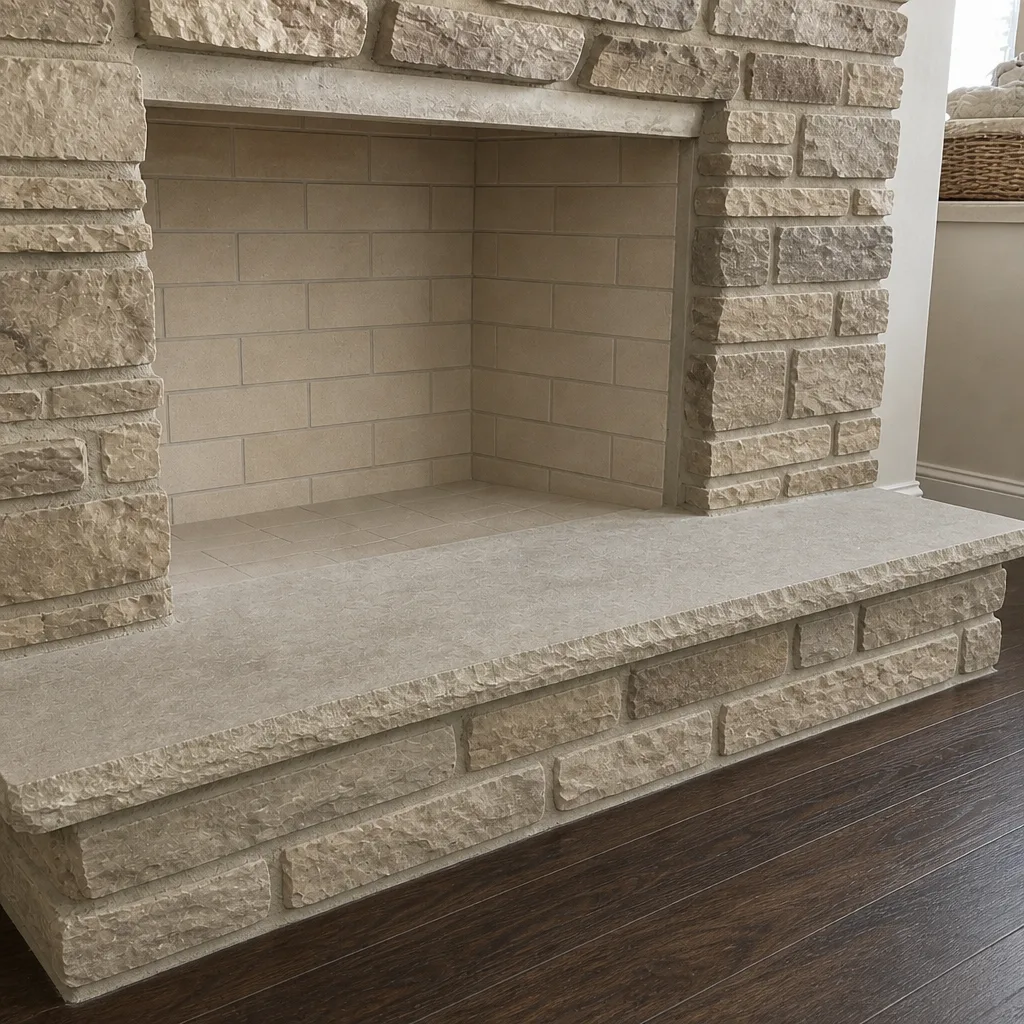
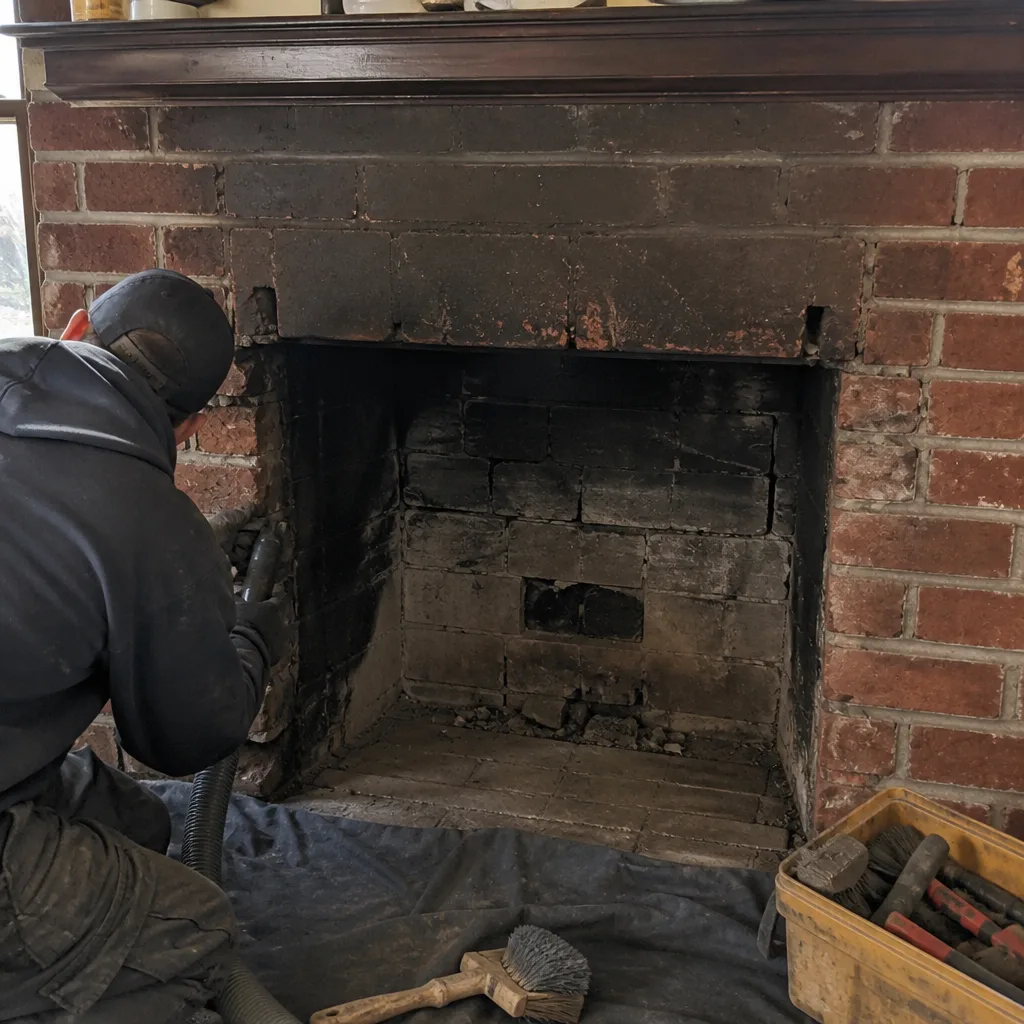
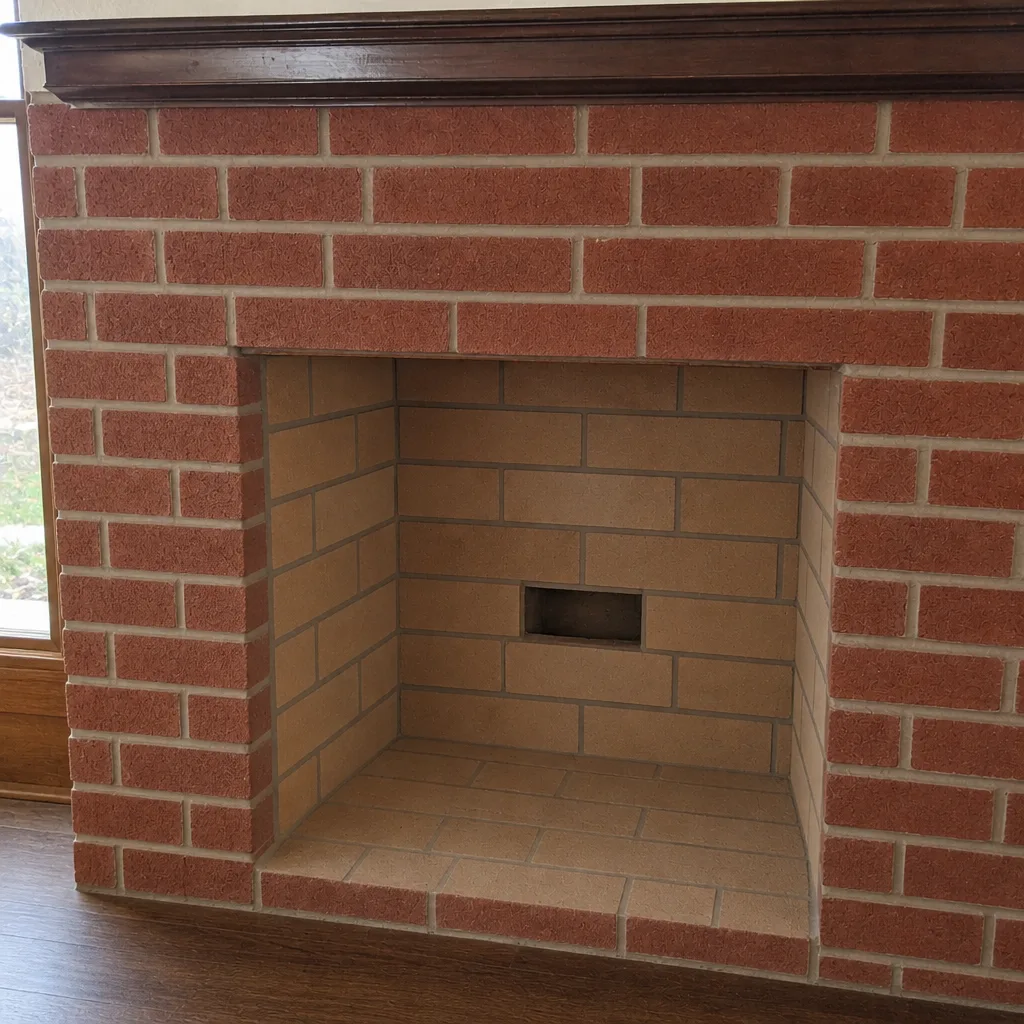
See the difference
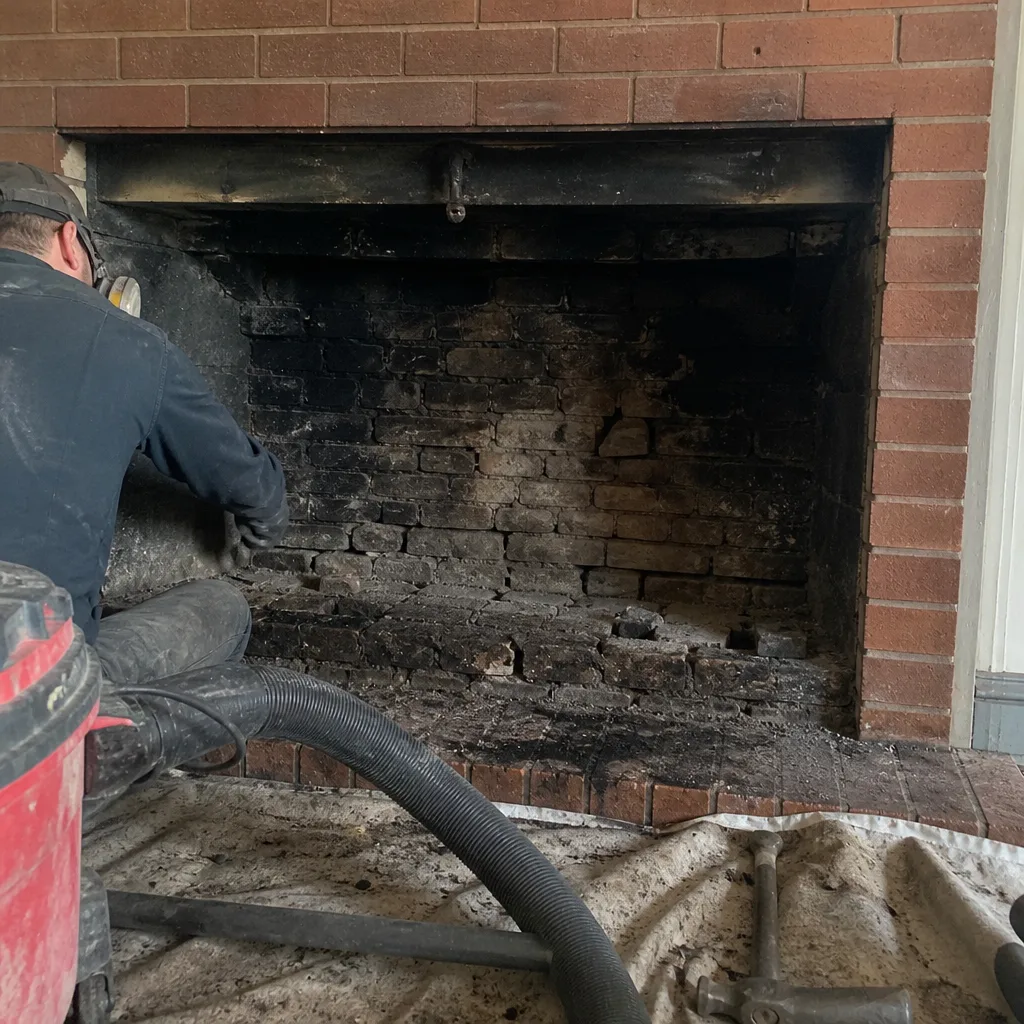 Before
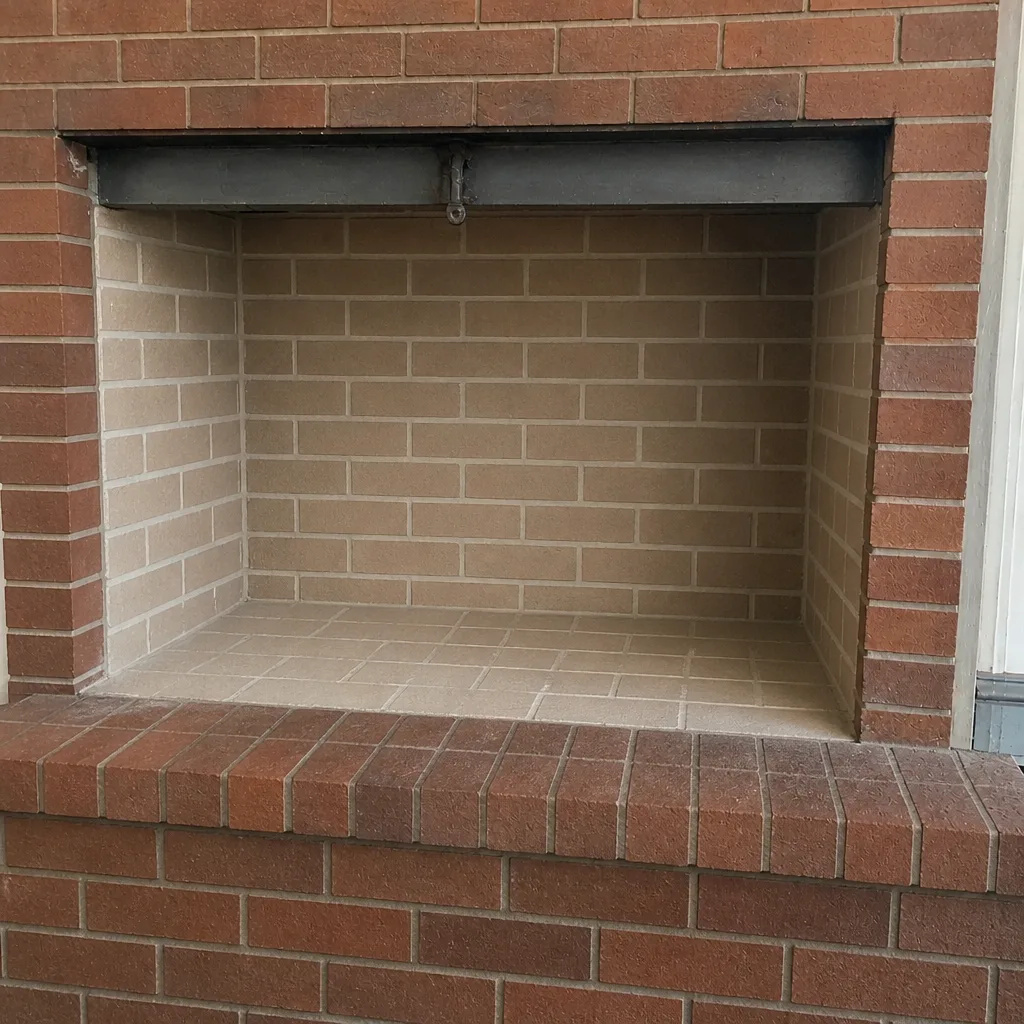 After
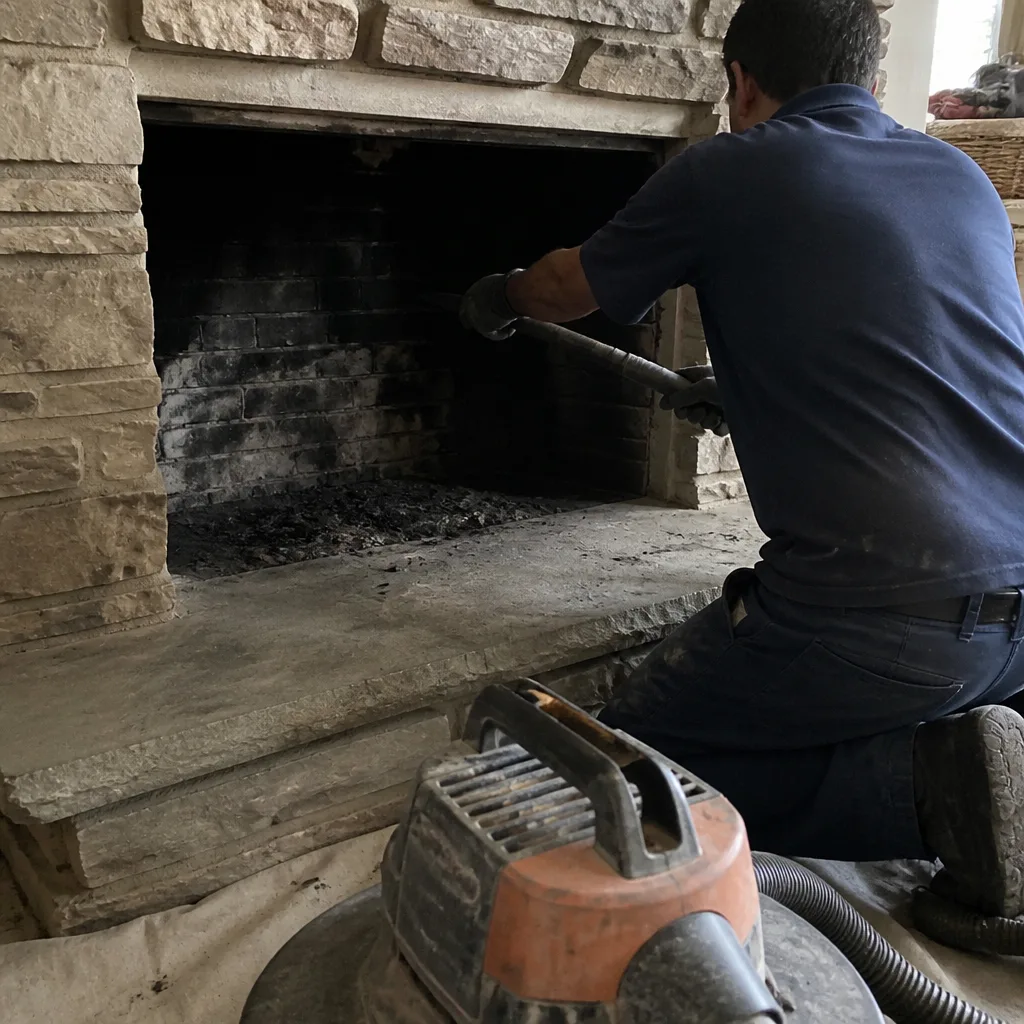 Before
 After
 Before
 After
When to Call a Professional
Some chimney problems are maintenance. Others are emergencies you should not investigate yourself. Call us immediately if you’ve seen flames, smoke, or heard roaring at the top of the chimney; if a carbon monoxide alarm has gone off; if the fireplace has suddenly started smoking back into the room after drafting well before; if you smell a hot tar odor or see warped damper components; if the chimney has visible damage after a storm; or if you’re using a fireplace you’ve never had inspected. We can also work with your insurer if you’re filing a claim after an event. Oasis Chimney Sweep offers free estimates in Lakewood – call (888) 320-6023. We answer 24/7. Fast dispatch from 7am to 7pm, Sunday through Friday.
Frequently Asked Questions
A chimney sweep in Lakewood is priced per job by a written estimate – there’s no single fixed rate, because the creosote level, the flue configuration, and whether a camera inspection is included all change the scope. The estimate is free, and the written estimate sets the final price. Call (888) 320-6023. We answer 24/7. Fast dispatch from 7am to 7pm, Sunday through Friday, for an exact quote.
If you heard roaring, popping, or a sucking sound during a fire, or saw flames or dense smoke at the chimney top, you had one. If you didn’t notice any of that but you have a lingering tar smell, warped damper parts, creosote flakes on the roof, or a change in draft, you may have had a slow-burn fire that only a camera inspection will confirm. Either way, book a Level 2 inspection with camera documentation before lighting another fire. Call (888) 320-6023. We answer 24/7. Fast dispatch from 7am to 7pm.
Not always – the answer comes from the camera. A fire can warp a stainless liner, crack tile joints, or damage a smoke chamber in ways that aren’t visible from the firebox. If the inspection shows damage that’s structural, we reline with a DuraFlex flexible liner; if the smoke chamber is the problem, we can restore it with the HeatShield ceramic resurfacing system. If the liner is intact, you don’t need either, and our written report will say so. Call (888) 320-6023 for an inspection and honest diagnosis first.
Once a year if you use the fireplace regularly, and always before the first fire of the season. Lakewood’s cold nights mean more fires per season than a mild climate, and more fires mean faster creosote buildup, so an annual sweep catches the deposit while it’s still easy to remove. Any change in draft or smell should trigger an inspection sooner. Call (888) 320-6023 to book a sweep and inspection together.
Get everyone out of the house and call 911 from outside first. After the fire department has cleared the scene, book a chimney inspection to find the source – the most common causes are a blocked flue, a damaged liner seal, or a backdrafting gas appliance sharing the chimney with the fireplace. Call (888) 320-6023. We answer 24/7. Fast dispatch from 7am to 7pm, Sunday through Friday.
No. A fireplace that smokes into the room is either blocked, blocked by creosote, or losing draft through a damaged liner – and in all three cases you’re potentially pulling combustion gases into the living space. Stop using it and get an inspection. A window crack won’t fix a warped liner or a cracked tile. Call (888) 320-6023 for a same-day inspection.
The Bottom Line
Chimney emergencies in Lakewood almost never come out of nowhere. They come from creosote that wasn’t swept, liner seals that weren’t checked, smoke chambers that weren’t restored, and draft changes that got explained away. That’s why preparedness here is not a fire extinguisher in the closet – it’s an annual sweep, a Level 2 camera inspection on the right schedule, and repairs specified with the right materials. When something does go wrong – a suspected slow-burn fire, a CO alarm, a sudden smoke-back – act fast, get everyone out, and call us. The Oasis Chimney Sweep team handles sweeping, inspection, and repair under one contractor, so you’re never handed off mid-problem. Our technicians have up to 14 years of experience and work with recognized professional-grade brands so the repair actually matches the diagnosis.
Here’s what we’d ask you to do this week: check your smoke and CO alarms, book your annual sweep and inspection before the first cold snap, and if you’ve had any of the warning signs in this guide, request a Level 2 inspection with camera documentation. It’s the single most practical thing a Lakewood household can do to lower the odds of ever needing this guide’s emergency section. Call (888) 320-6023 for a free estimate. We answer 24/7. Fast dispatch from 7am to 7pm, Sunday through Friday.
Written by the team at Oasis Chimney Sweep.