
Last updated November 15, 2026
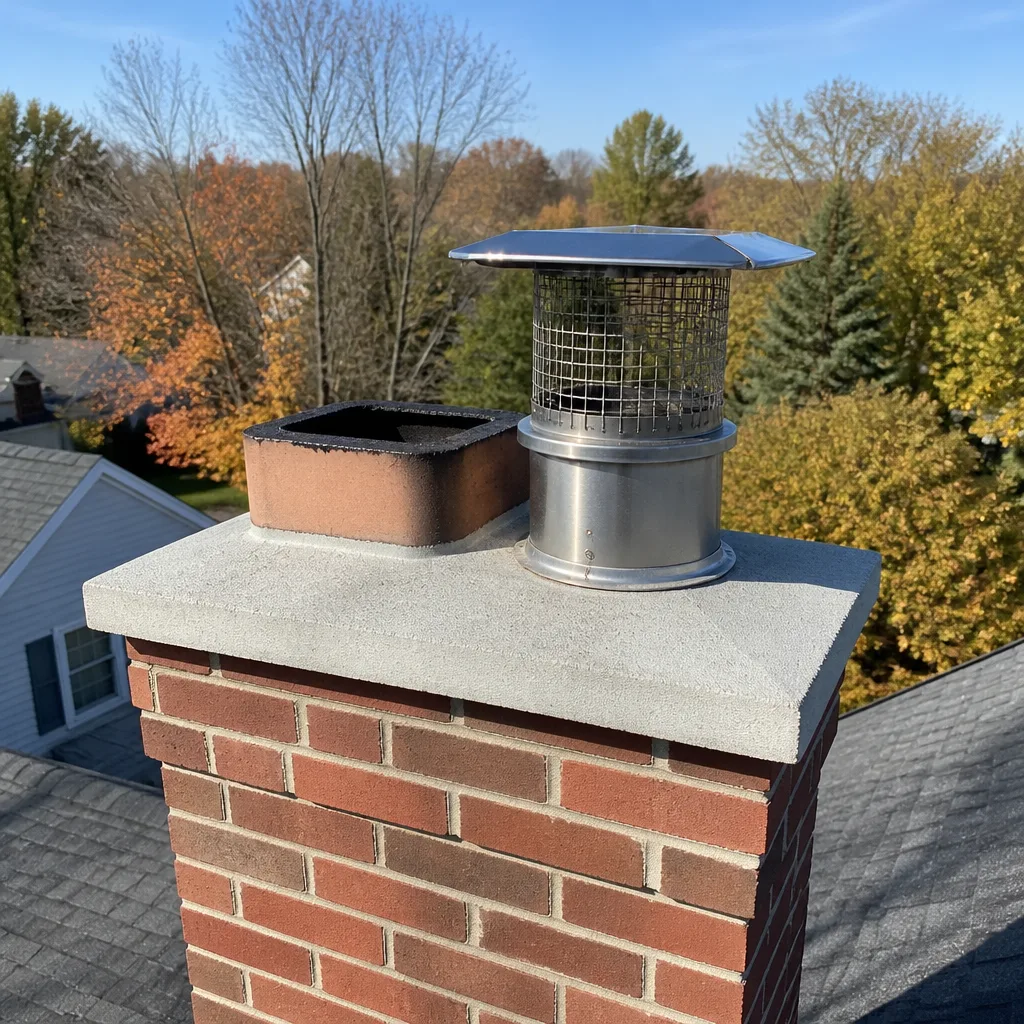 Sweep & inspection
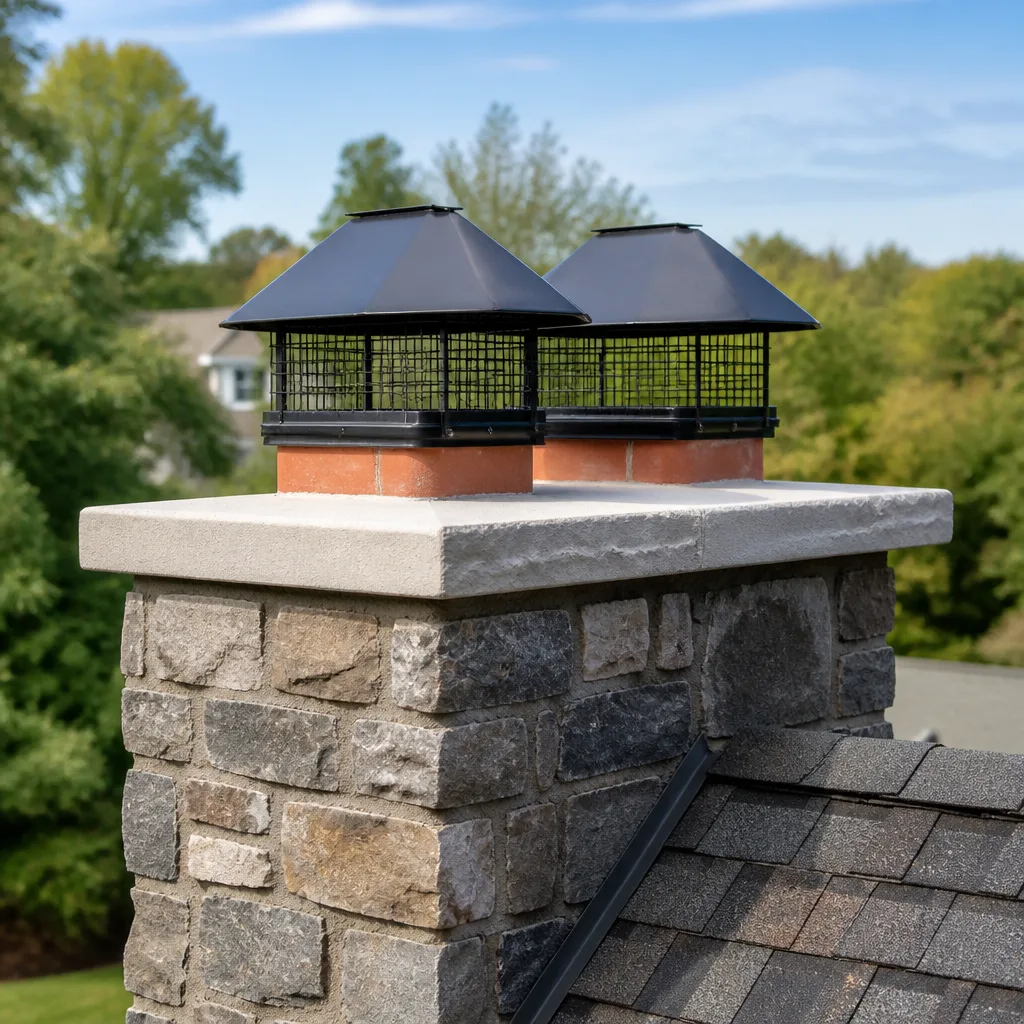 Caps & crowns
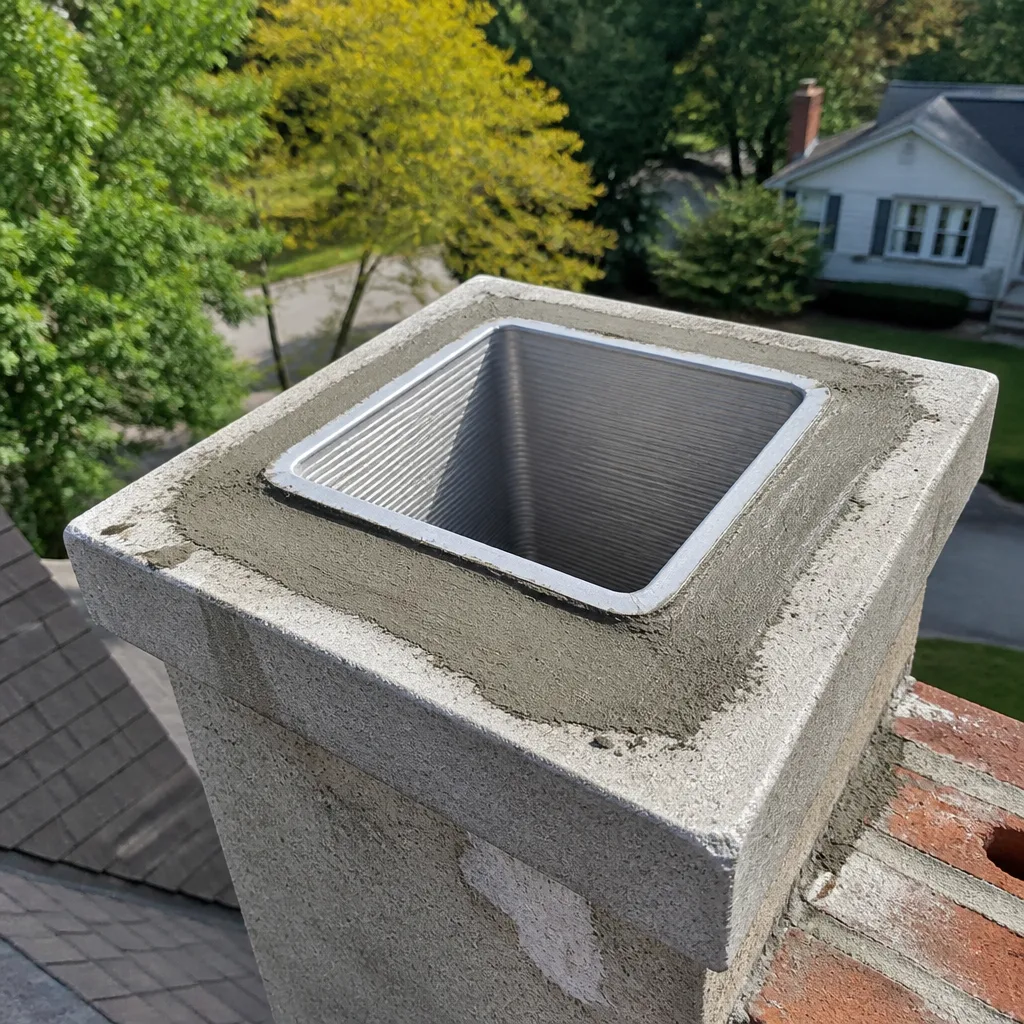 Flue relining
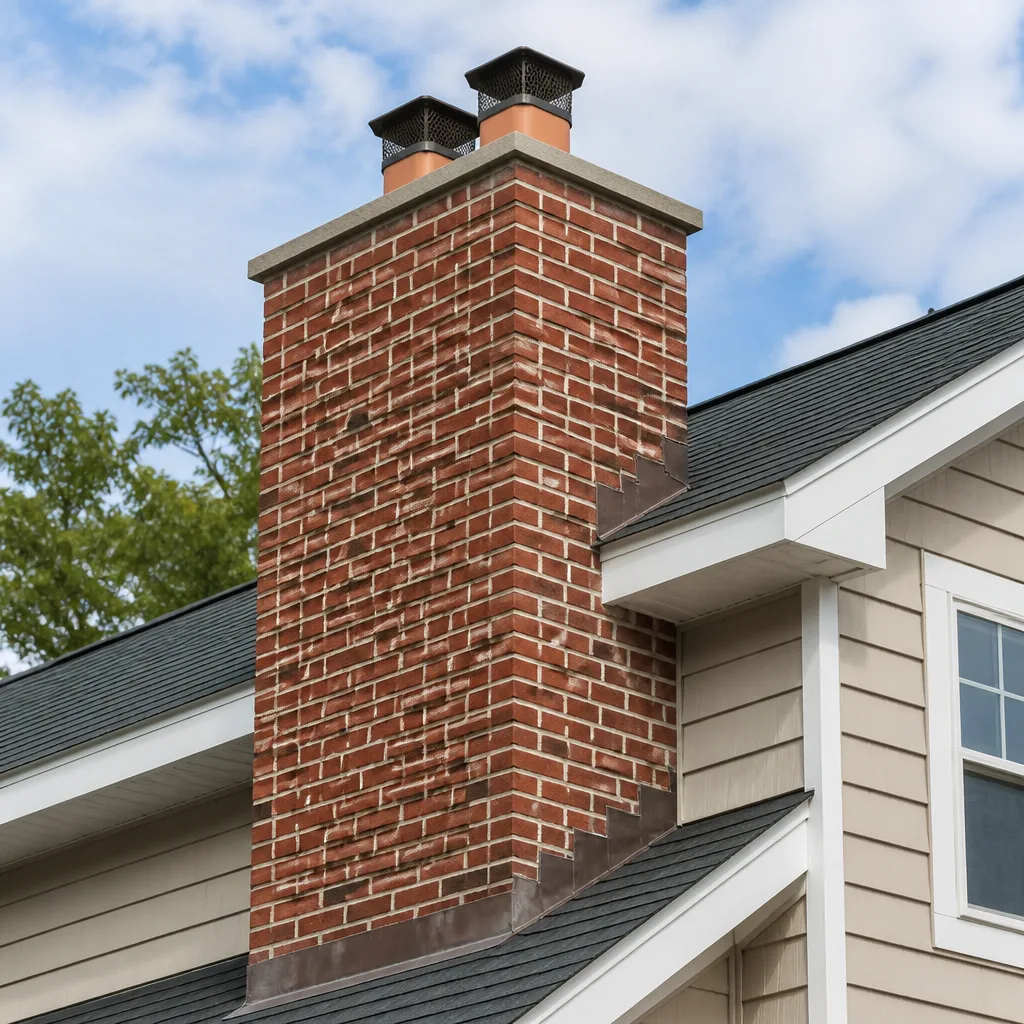 Masonry repair
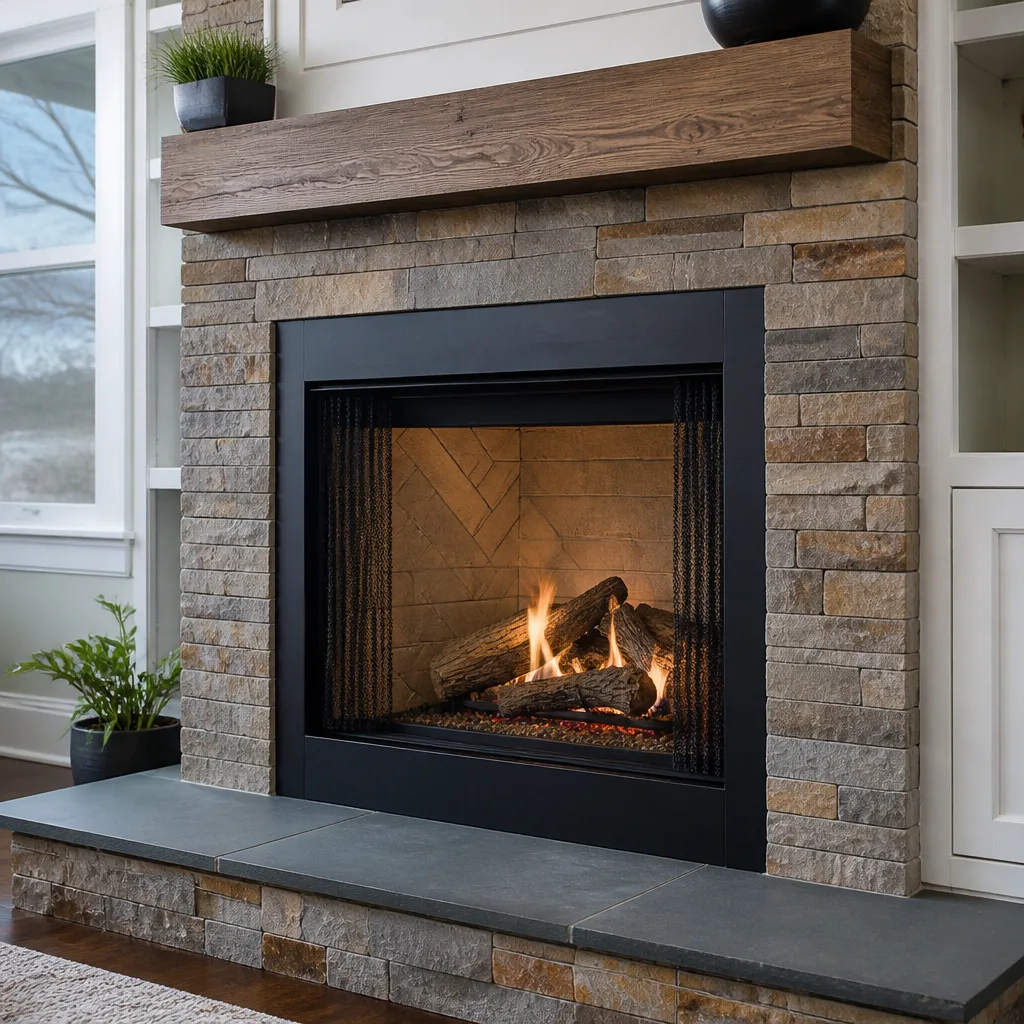 Gas fireplace service
Level 1 sweep and inspection to the NFPA 211 annual standard - flue, crown, cap, and flashing checked and photographed
Chimney sweep logs do not sweep chimneys. They loosen some creosote - which then falls where a brush and vacuum still have to collect it.
Chimney Cleaning Warning Signs: A Lakewood Homeowner’s Reference Guide
A white stain running down your fireplace’s exterior brick isn’t a cosmetic problem. It’s efflorescence, and it means water has been moving through your masonry long enough to carry dissolved salts to the surface. The cleaning is easy. What it’s pointing to is not.
Most warning-sign guides describe the obvious emergencies: flames where flames shouldn’t be, a damper that’s fallen shut. But the signals that actually cost Lakewood homeowners money are the quiet ones. The slight draft that got worse this year. The smell in July. The hairline crack in the crown that only shows after a hard freeze. This guide walks through the early-stage diagnostic signals a trained sweep catches on day one but homeowners dismiss for years, and it tells you how to read each one before it becomes a repair.
Quick Answer
The chimney warning signs that matter most in Lakewood are glazed creosote, weakened draft, summer chimney odor, efflorescence and spalling on exterior brick, and cracks in the crown or flashing – all of which point to problems a standard brush cleaning can’t fix. A Level 2 camera inspection is what separates a surface issue from a systemic one, and it’s the step most homeowners skip. If you’re seeing any of those signs, get the flue looked at before you light another fire.
Styles & brands we work with
- Sweep & inspection
- Caps & crowns
- Flue relining
- Masonry repair
- Gas fireplace service
Table of Contents
- The Three Degrees of Creosote – and Why Only One Is Brushable
- Subtle Draft Problems That Signal a Flue Obstruction
- What Summer Chimney Odor Tells You About Your Masonry
- Exterior Warning Signs in Lakewood’s Freeze-Thaw Climate
- Surface Stain or Systemic Problem? How to Tell the Difference
- Why a Camera Inspection Answers What the Eye Can’t
- A Seasonal Checklist for Lakewood Fireplace Owners
- Common Mistakes to Avoid
The Three Degrees of Creosote – and Why Only One Is Brushable
Creosote is the residue left behind when wood smoke cools against the flue walls, and it doesn’t arrive in one form. It builds up in three distinct stages, and the stage determines whether a standard brush cleaning will actually solve the problem or just skim the surface.
First-degree creosote is the light, flaky, soot-like dust you can see and brush away. It’s soft, it’s dark, and it’s what a routine chimney sweep is designed to remove. Most homeowners who clean their fireplace regularly never see much beyond this stage.
Second-degree creosote is denser. It looks like hardened tar or a crusty black layer clinging to the flue wall, and a standard brush passes right over it without breaking it loose. This is where a straightforward sweep stops being enough. A sweep may need to use specialized rotary tools to remove it, and if it’s widespread, the inspection that follows matters as much as the cleaning.
Third-degree creosote is the dangerous one. It’s glazed, shiny, and hardened into a fuel-like shell on the flue interior. It’s highly combustible, and it’s the form most associated with chimney fires because it can ignite from a single hot ember. A brush won’t touch it. Removal typically requires chemical treatment or, in severe cases, relining – which is why the type of liner you have matters. If the flue needs a new liner, we specify a DuraFlex flexible liner system because it conforms to older or irregular flue shapes rather than forcing a one-size-fits-all fit.
Here’s the part homeowners miss: creosote stage isn’t visible from the firebox. You can look up your flue with a flashlight and see nothing alarming while third-degree glazing sits higher up. That’s why a professional inspection with a camera is the only reliable way to know which stage you’re dealing with. In our experience across Lakewood, the homes that burn unseasoned wood or run their dampers too closed tend to build second- and third-degree creosote faster than the homeowner expects.
Subtle Draft Problems That Signal a Flue Obstruction
A weak draft is one of the earliest warning signs a flue has a problem, and it’s the one most often blamed on the weather. If your fireplace used to draw well and now smokes when you first light it, or if smoke rolls back into the room instead of going up, that’s a diagnostic signal worth taking seriously.
Draft problems come from a handful of underlying causes, and some are more urgent than others:
- Obstruction in the flue. A bird nest, a fallen cap fragment, or a buildup of soot can narrow the passage without blocking it entirely. The fire still burns; it just doesn’t draw cleanly.
- A breach in the liner. A cracked or deteriorated liner lets air enter where it shouldn’t, disrupting the pressure balance that makes a chimney draw. This is the quiet one – there’s often no visible damage from the firebox.
- A flue that’s too small or too short for the appliance. If a new insert or stove was added without resizing the flue, the original draft was never going to hold.
- Negative pressure in the house. A tightly sealed home in winter can starve a chimney of the makeup air it needs. This is common in newer Lakewood construction, and it’s fixable, but it needs to be diagnosed correctly.
The reason draft problems matter more than they seem to is that a fire that doesn’t draw cleanly doesn’t vent completely. Smoke that lingers in the room carries combustion byproducts into your living space. That’s not a comfort issue – it’s a health one, and it’s the reason we treat persistent draft complaints as a reason to inspect the liner rather than a reason to adjust the damper.
Winter in Lakewood brings cold, dense air and strong temperature swings, and both affect how a chimney draws. A flue that was marginal in fall can become noticeably worse once the cold sets in. If you notice the change, don’t wait for it to resolve on its own. Call (888) 320-6023 for an inspection. We answer 24/7, with fast dispatch from 7am to 7pm.
What Summer Chimney Odor Tells You About Your Masonry
If your fireplace smells like stale smoke, ash, or something sour in July, that’s not a mystery to shrug off until fall. Summer chimney odor is a specific structural signal, and it’s more urgent than most homeowners realize.
Here’s what’s actually happening. Creosote and soot deposits absorb moisture from humid summer air. As they rehydrate, they release odor compounds back into the house – and because the chimney isn’t in use, there’s no upward draft to carry them out. The smell you’re noticing is the residue talking. But the underlying cause is often the moisture itself, and moisture in a chimney means water is getting in somewhere it shouldn’t.
That’s the structural part. Chimney odor in summer usually points to one of three conditions:
- A missing or damaged rain cap. Without a cap, rain goes straight down the flue, soaking the creosote layer.
- Failed flashing at the roofline. Water migrates along the chimney chase and into the masonry from the outside, where it feeds the odor and begins to break down the brick and mortar.
- Deteriorated liner or mortar joints. A liner with cracks or gaps lets moisture reach the surrounding masonry, where the damage compounds quietly.
Left alone, summer odor becomes fall damage. The moisture that’s feeding the smell is the same moisture that causes freeze-thaw spalling once temperatures drop. And a persistent odor after a cleaning often signals that the residue is inside a failing liner, not just on its surface. When we find a liner that’s deteriorated but not fully compromised, we use the HeatShield ceramic resurfacing system to restore it rather than defaulting to a full reline – a repair-first approach that preserves the original flue where the structure allows it.
If you noticed a smell this summer, treat it as an early warning. Get it looked at before the burning season starts, not after.
Exterior Warning Signs in Lakewood’s Freeze-Thaw Climate
Lakewood sits at the edge of the Front Range, where winters alternate between warm afternoons and hard overnight freezes. That freeze-thaw cycle is the single biggest driver of exterior chimney damage in this area, and it leaves a recognizable pattern of warnings on the outside of your chimney.
Efflorescence is the white, chalky staining we mentioned at the top. It’s dissolved salts pushed to the surface as moisture moves through the masonry and evaporates. It looks cosmetic and it won’t hurt you on its own, but it’s telling you water is actively moving through the brick and mortar. Where there’s efflorescence, there’s a moisture path – and moisture paths widen with every freeze.
Spalling brick is the next stage. When water gets into a brick and freezes, it expands. The face of the brick pops off, leaving a rough, pitted surface. The pattern matters. Spalling concentrated near the roofline or around the flashing often points to a water entry point up top, while spalling across the whole chimney face usually means the masonry itself has absorbed moisture and is failing from within. A handful of spalled bricks is a repair. A face full of them is a sign the chimney has been taking on water for a long time.
Cracked crowns are the most common exterior warning we see. The concrete crown at the top of the chimney is designed to shed water away from the masonry. Hairline cracks that open up after a freeze let water in behind the crown, where it works down into the brick below. The crack gets wider each season. By the time it’s visible from the ground, water has often been entering for years.
Deteriorating flashing – the metal seal where the chimney meets the roof – is the other big one. Flashing that’s pulled loose, rusted, or caulked over instead of properly repaired is a direct path for water to enter the roof structure and the chimney chase. Roofers install flashing; chimney repair is a different trade, and the seal at the chimney itself needs to be rebuilt by someone who works on chimneys specifically.
If you can see any of these from the ground, the exterior is telling you it’s been happening for a while. Call (888) 320-6023 for an inspection. Estimates are free.
Surface Stain or Systemic Problem? How to Tell the Difference
The hardest question in chimney diagnostics is whether what you’re looking at is surface-level or the visible symptom of something structural. The answer almost never comes from the stain itself. It comes from what’s behind it.
The exterior signs we just covered – efflorescence, spalling, crown cracks, flashing failure – are visible evidence of moisture. What they don’t tell you is where the moisture is coming from or how far it’s traveled. A white stain could mean a failed cap letting rain in. It could mean the crown is cracked. It could mean the mortar joints have opened. Each of those needs a different repair, and a sweep who only looks at the surface can’t tell you which one you have.
The same is true inside the flue. A crack in the interior masonry or a deteriorated liner can be completely invisible from the firebox. The fire burns. The smoke goes up, mostly. But the structural breach underneath the surface is what creates the real risk. We’ve seen this gap between what a homeowner can see and what’s actually happening more times than any other diagnostic problem in Lakewood. That’s why a Level 2 interior camera inspection isn’t an upsell – it’s how the question gets answered.
Here’s the simplest way to think about it:
- If a stain or crack has appeared and stopped, and there’s no ongoing water intrusion, it’s often surface-level – a repair but not an emergency.
- If the stain is growing, reappearing after cleaning, or accompanied by spalling or a persistent smell, it’s pointing at a systemic moisture problem that needs a camera inspection before you can know the scope.
- If the crown or flashing is visibly cracked or pulled away, the water path is confirmed, and the repair should happen before the next freeze.
You’re the one who has to live with the decision, so you should be able to see the evidence yourself. Everything we recommend comes with what the camera shows. No liner or masonry work gets quoted on suspicion.
Why a Camera Inspection Answers What the Eye Can’t
A camera inspection is the diagnostic step that turns a list of symptoms into an actual answer. It’s the difference between knowing your chimney has a problem and knowing what the problem is, where it sits, and whether it can safely wait.
Here’s how a Level 2 inspection with camera works in practice:
- We start with a visual inspection of the accessible parts of the system – the firebox, damper, smoke chamber, and exterior structure.
- A camera is run through the flue from the top or bottom, which shows the interior condition of the liner or clay tiles, any gaps, cracks, offsets, or buildup you can’t see from the firebox.
- We document what we find with a photo report you keep. You see the same thing we see.
- We walk you through the findings – what’s a repair, what’s a maintenance item, and what can safely wait until next season.
The reason the camera matters comes back to the first section of this guide. You can’t see creosote stage without a camera. You can’t see a cracked flue tile without a camera. You can’t confirm a breach in the liner without a camera. And you can’t know the difference between a failing crown and a failing masonry structure without looking at how far the damage runs. On a Level 2 inspection we also check that the appliance and flue are sized to each other, which rules out the draft problems caused by an undersized flue.
When the inspection turns up a repair, we work with a curated roster of professional-grade brands – DuraFlex, HeatShield, Gelco, Olympia Chimney, Famco, and Copperfield – because the materials matter as much as the diagnosis. When the liner has to be restored, HeatShield’s ceramic resurfacing is a repair-first option that works from the inside. When a full reline is necessary, DuraFlex’s flexible system fits the flue that’s actually there, not an idealized one. Same team, same inspection, same repair. No handoff to a third party who never saw the original problem.
If you’ve been told your chimney needs major work and want a second opinion you can actually verify, call (888) 320-6023. We’ll show you what’s there.
A Seasonal Checklist for Lakewood Fireplace Owners
The best time to catch warning signs is before the burning season, when a small repair is a small repair and not a mid-winter emergency. Lakewood’s climate gives you a natural rhythm for this: the freeze-thaw winter does the structural damage, the dry summer accelerates the odor and creosote issues, and fall is when you want the system confirmed safe before the first fire.
Here’s a checklist we recommend running through each year:
- Before the first fire of the season: Schedule a sweep and inspection. A professional sweep will clean the flue and document the interior condition with a camera. This is the step that catches creosote stage and liner condition before they matter.
- Late summer: Check for summer chimney odor. If you smell smoke or something sour, note it and get it inspected – it’s telling you moisture is in the flue.
- Every fall: Walk the exterior of the chimney from the ground. Look for white staining, spalled brick, a visible crack in the crown, or flashing that’s pulled away from the roof line. Photograph anything that’s changed since last year.
- Before winter: Confirm the rain cap is in place and intact. A missing cap is one of the easiest water paths to overlook and one of the simplest to fix.
- After a hard winter: Recheck the exterior. Hairline cracks in the crown often appear or widen after freeze-thaw exposure, and the spring thaw is a good time to address them.
One more note on timing. The urgency in chimney work is seasonal, not hourly. You don’t need to schedule an inspection within an hour of noticing a stain, but you do need to schedule it before the next burning season, and before the next freeze for exterior issues. If you’re noticing something now, book the inspection on your schedule. Call (888) 320-6023, and we’ll find a window that works.
Common Mistakes to Avoid
These are the mistakes we see most often in Lakewood homes, and each one turns a small repair into a bigger one.
- Treating efflorescence as a cleaning problem. Scrubbing the white stain off the brick doesn’t stop the water that’s carrying the salts to the surface. The stain comes back because the moisture path wasn’t addressed. Fix the source, not the symptom.
- Assuming a brush sweep covers everything. A standard sweep handles first-degree creosote. It doesn’t remove glazed third-degree creosote, and it doesn’t diagnose the liner. Those require a camera inspection, and skipping it is how a manageable creosote stage becomes a reline.
- Blaming draft problems on the weather. Cold-weather draft changes are real, but a persistent draw problem is a diagnostic signal, not a seasonal quirk. In Lakewood’s tight, well-insulated newer homes, negative pressure can be a factor, but it’s not the first thing to assume – the flue needs to be ruled out first.
- Ignoring a summer smell until fall. The smell you notice in July is moisture in the flue. Waiting until burning season to deal with it gives the water months to work into the masonry, and repairs get bigger, not smaller.
- Caulking over failing flashing. Caulk is a patching material, not a flashing repair. Flashing that’s pulled away from the chimney needs to be rebuilt at the seal. A caulk patch lets water travel under it and into the masonry where it’s harder to find.
- Skipping the exterior inspection because the fireplace works fine. Exterior decay runs ahead of interior symptoms. Water damage appears on the outside of a chimney long before the fire shows any problem, and that’s the best time to catch it.
- Getting a repair quote without seeing the evidence. If someone tells you the chimney needs a liner without a camera inspection and photos you keep, you have no way to verify the recommendation. It’s not a matter of trusting the contractor; you deserve to see what they see.
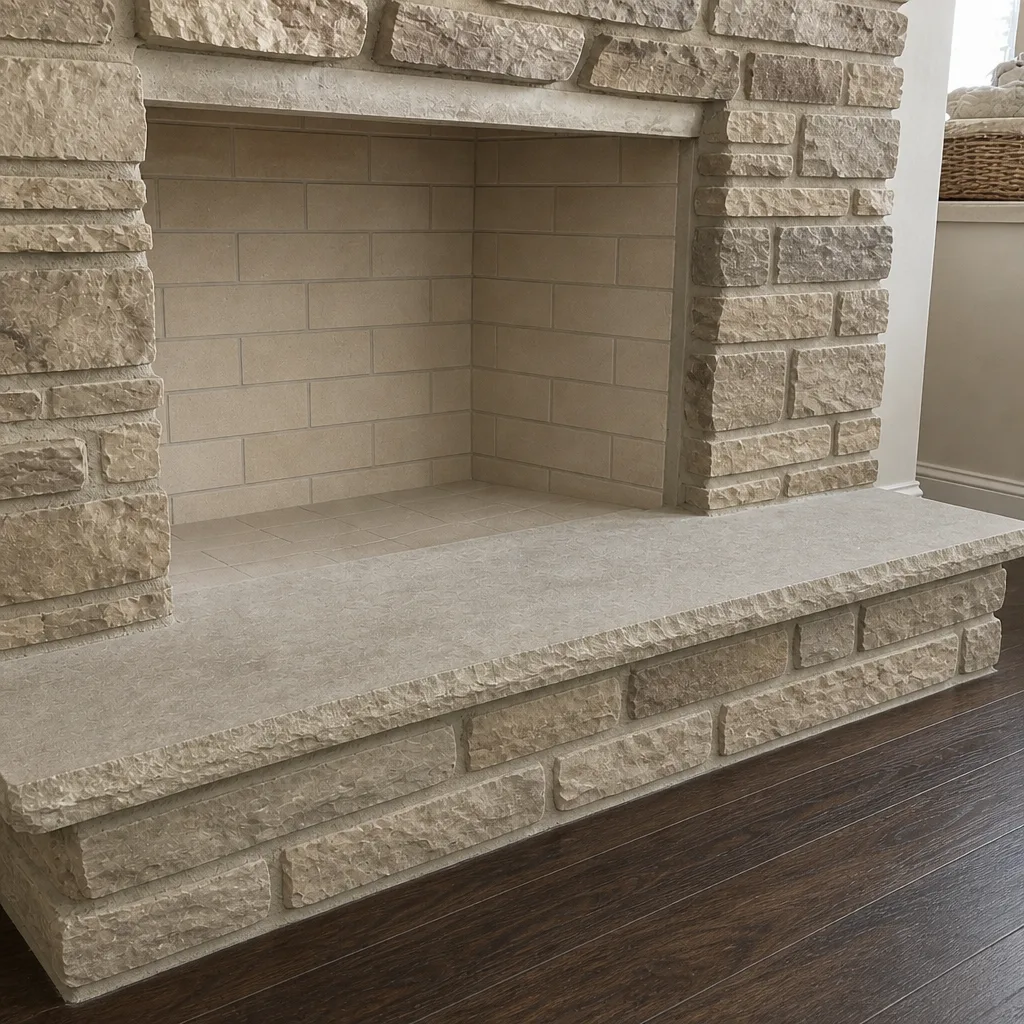
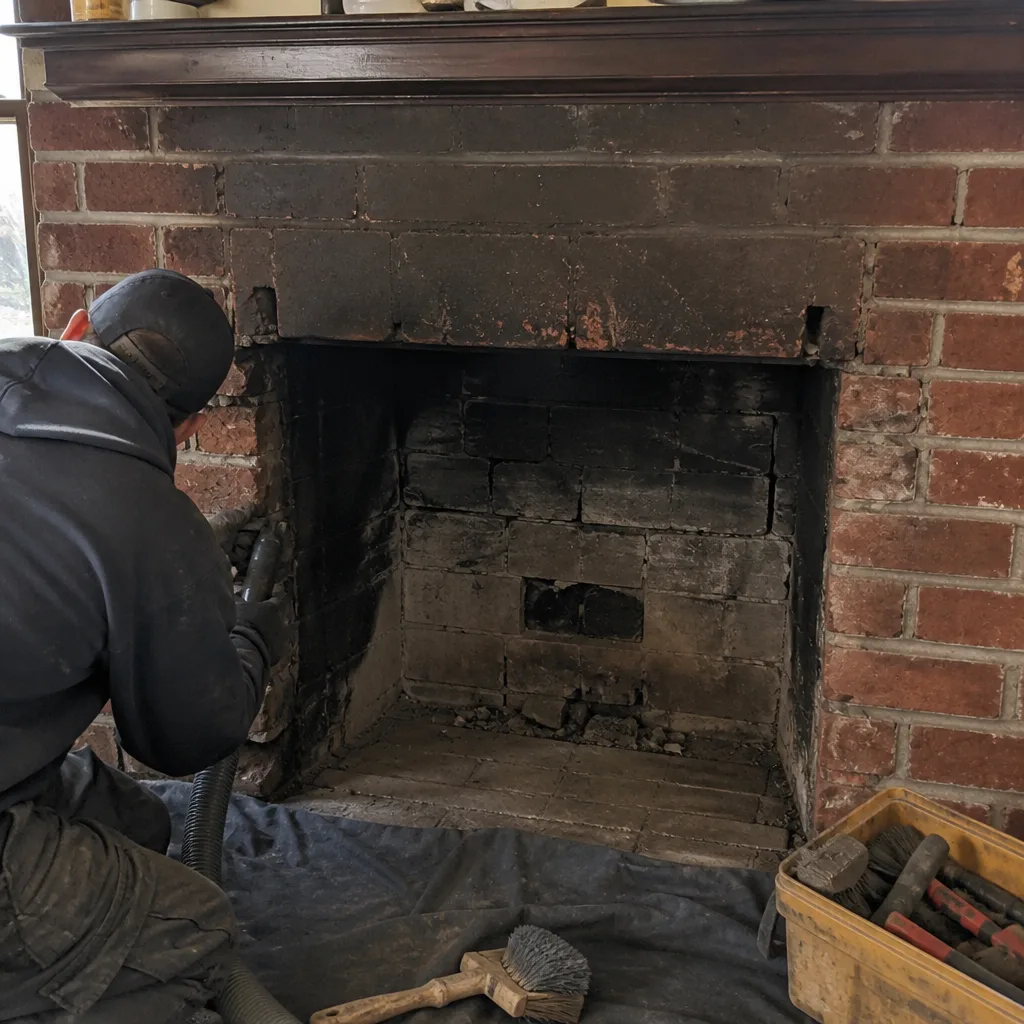
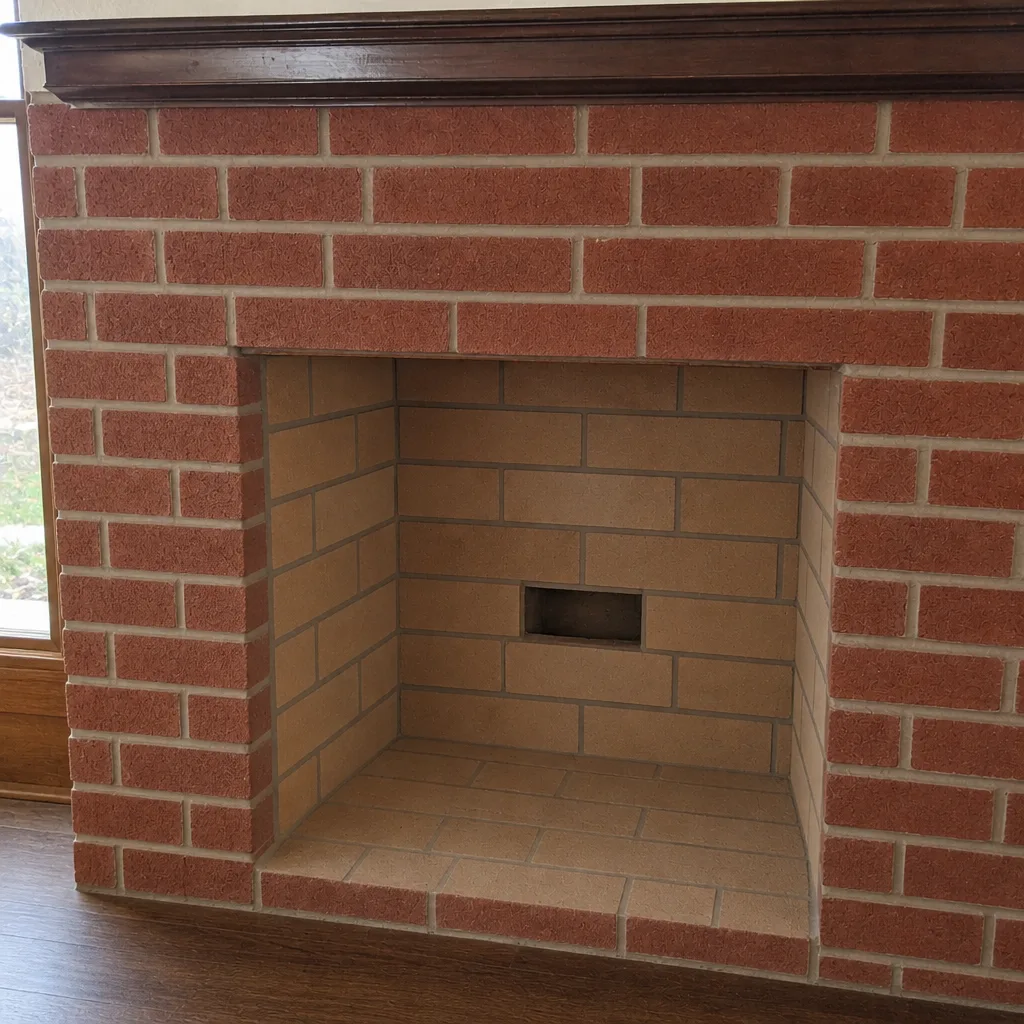
See the difference
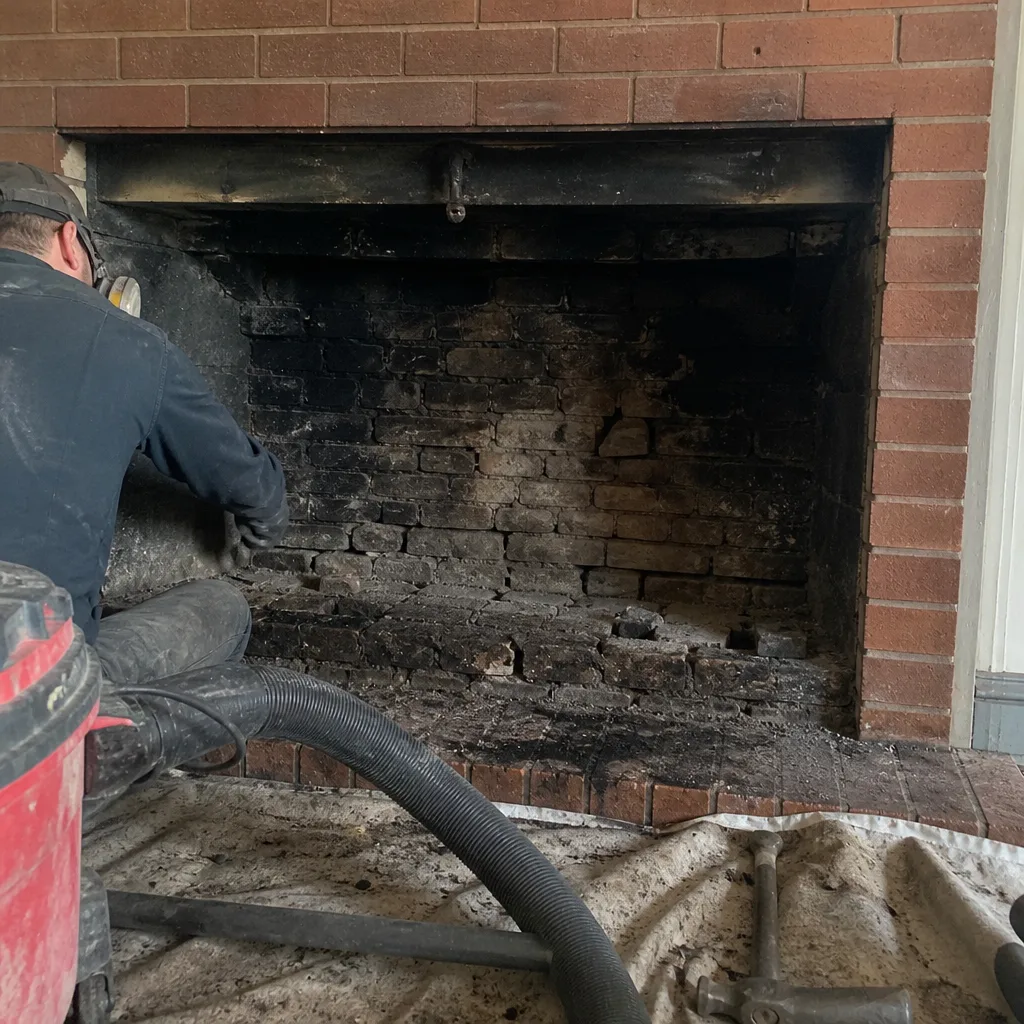 Before
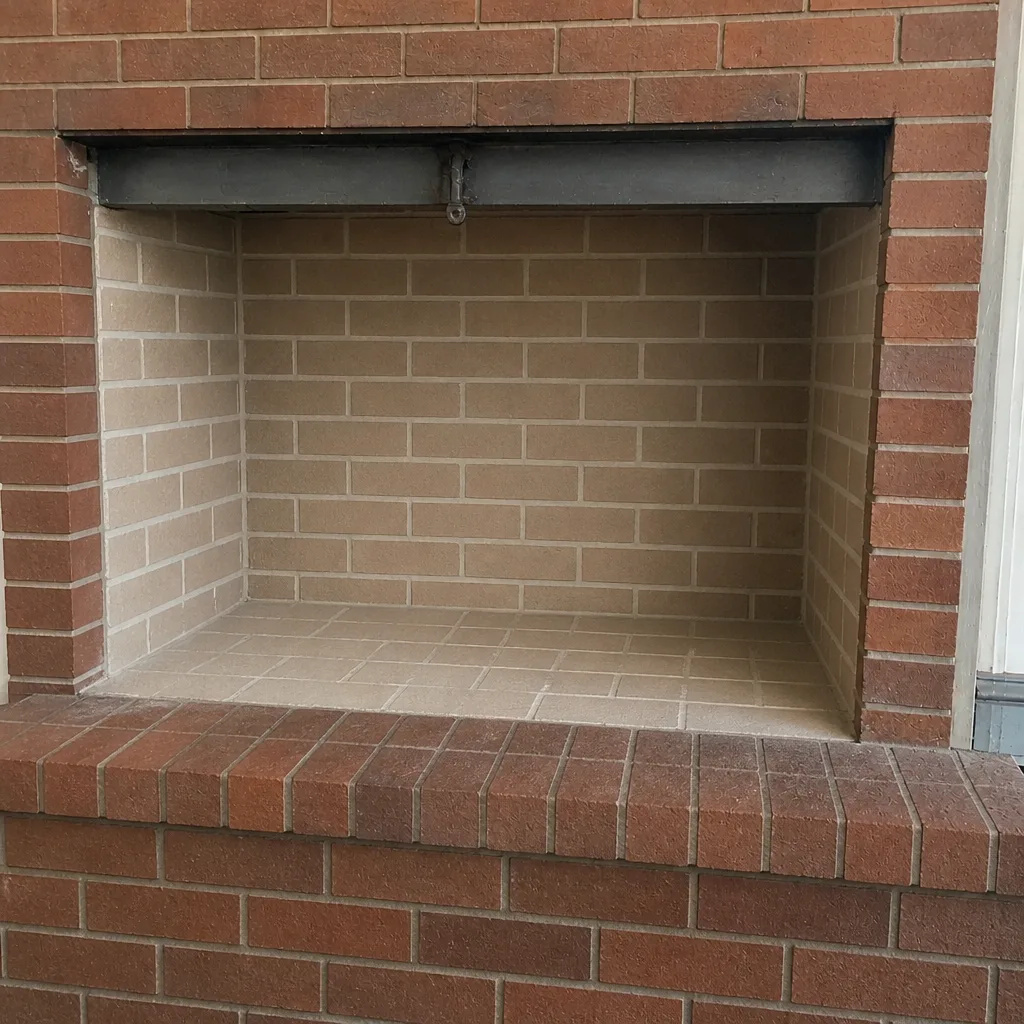 After
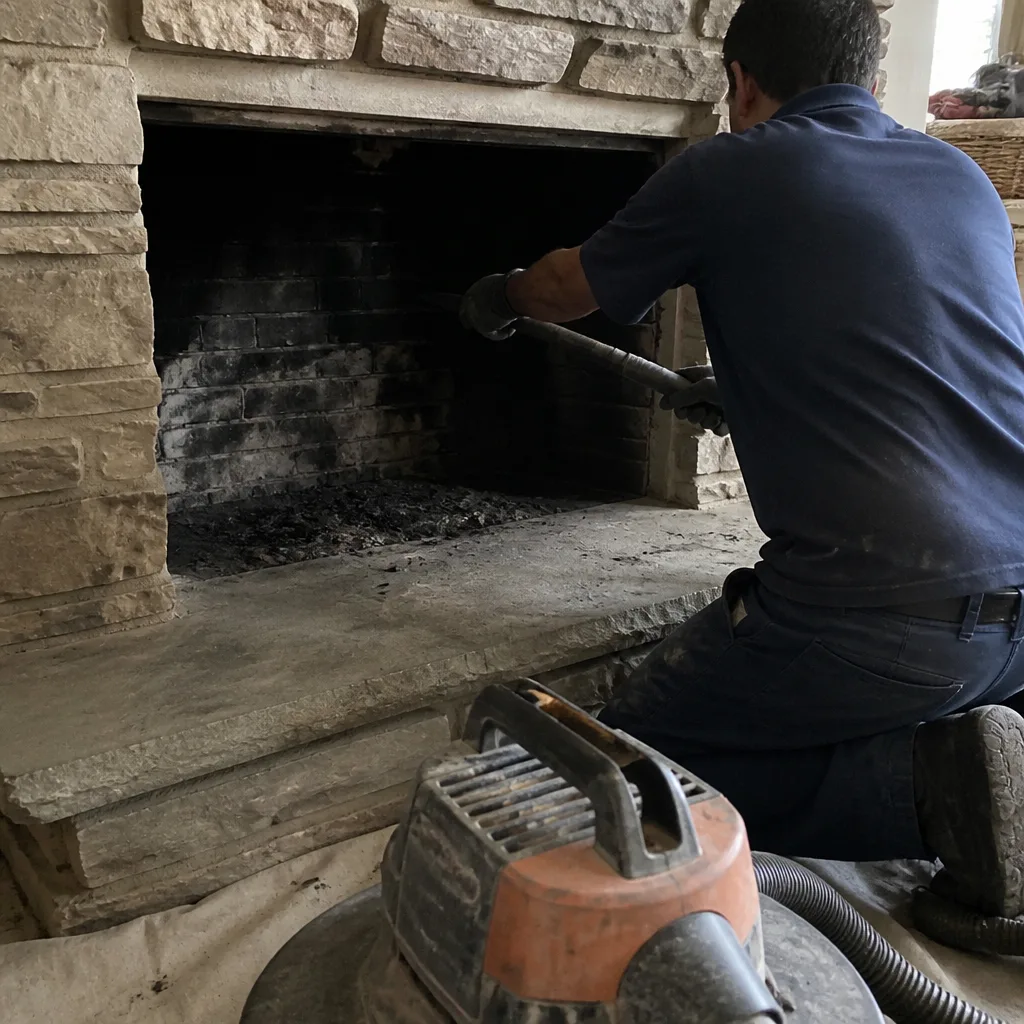 Before
 After
 Before
 After
When to Call a Professional
Some warning signs are worth watching for a season. These are the ones worth calling about now: glazed or shiny residue inside the firebox or seen in the flue, a persistent draft problem that’s changed since last season, smoke that rolls back into the room, any noticeable chimney odor in summer, white staining or spalling on exterior brick, a visible crack in the crown, or flashing that’s pulled loose from the roofline. Each one is a diagnostic signal that needs a camera inspection to answer. A standard brush sweep is worth booking either way, but if you’re seeing something from the outside, schedule an inspection along with it. Oasis Chimney Sweep offers free estimates in Lakewood. Call (888) 320-6023.
Frequently Asked Questions
Once a year during the burning season is the working rule, and more often if you burn frequently or notice any of the warning signs in this guide. The sweep itself isn’t only about cleaning; it’s the moment a trained eye and a camera get a look at creosote stage, liner condition, and the interior of the flue. If the last sweep was a few seasons ago, that’s a good reason to schedule one before the season starts. Call (888) 320-6023 for an exact quote – estimates are free.
It’s called efflorescence, and it’s a sign that water has been moving through the masonry long enough to carry dissolved salts to the surface. The stain itself is harmless, but the moisture path behind it isn’t. It can come from a missing cap, a cracked crown, failed flashing, or deteriorating mortar, and each has a different repair. A camera inspection confirms which one you’re dealing with. Call (888) 320-6023 to schedule one.
Yes. Third-degree glazed creosote is essentially hardened fuel on the flue wall, and a brush won’t remove it. It’s the form most associated with chimney fires because it can ignite from a hot ember. First-degree soot brushes off cleanly. Second-degree creosote needs rotary tools. If you suspect anything beyond first-degree, the flue needs to be inspected before the next fire, not after. Call (888) 320-6023 for an inspection.
Summer chimney odor means creosote and soot are absorbing moisture from the air and releasing it back into the house, with no draft to carry it out. Often the moisture itself is getting in from a missing cap, failed flashing, or a deteriorated liner. In Lakewood’s dry summers the smell can fade during a dry spell and return with humidity, which is why it’s easy to dismiss. It’s worth treating as a structural signal rather than a nuisance. Call (888) 320-6023 to get it looked at.
You can’t tell from the crack alone, and neither can we without a camera. A hairline crack in the crown looks the same from the outside as a crack that’s part of a larger structural issue. What separates them is the inspection: what the camera finds inside the flue, how far the moisture has traveled, and whether there’s evidence of a liner breach. Don’t decide based on what the crack looks like. Decide based on what the inspection shows. Call (888) 320-6023 – estimates are free.
A cleaning alone isn’t enough once you’re seeing warning signs. A standard brush sweep removes first-degree creosote and clears the flue, but it doesn’t tell you the stage of the creosote higher up, and it doesn’t show the condition of the liner. A camera inspection does. If you’ve seen a stain, a draft problem, or a summer smell, the inspection is the step that answers what’s actually going on. We’ll show you what the camera finds – nothing gets recommended without evidence you can see. Call (888) 320-6023 for an exact quote.
The Bottom Line
The warning signs that cost Lakewood homeowners the most are the ones that look minor: a white stain, a draft that got worse, a smell in July. Each is an early-stage signal that water is moving through the masonry, creosote has moved past first degree, or the liner is deteriorating behind the firebox. A brush sweep and a camera inspection catch each of these on day one. The exterior check catch them a season earlier. If you’ve noticed any of these, don’t spend another season wondering. Oasis Chimney Sweep handles the sweep, the inspection, and the repair with the same team, using professional-grade materials like DuraFlex and HeatShield. Call (888) 320-6023 for a free estimate. We answer 24/7, with fast dispatch from 7am to 7pm. Your fireplace should be the safest room in the house. We make sure it is.
Written by the team at Oasis Chimney Sweep.