
Last updated November 15, 2026
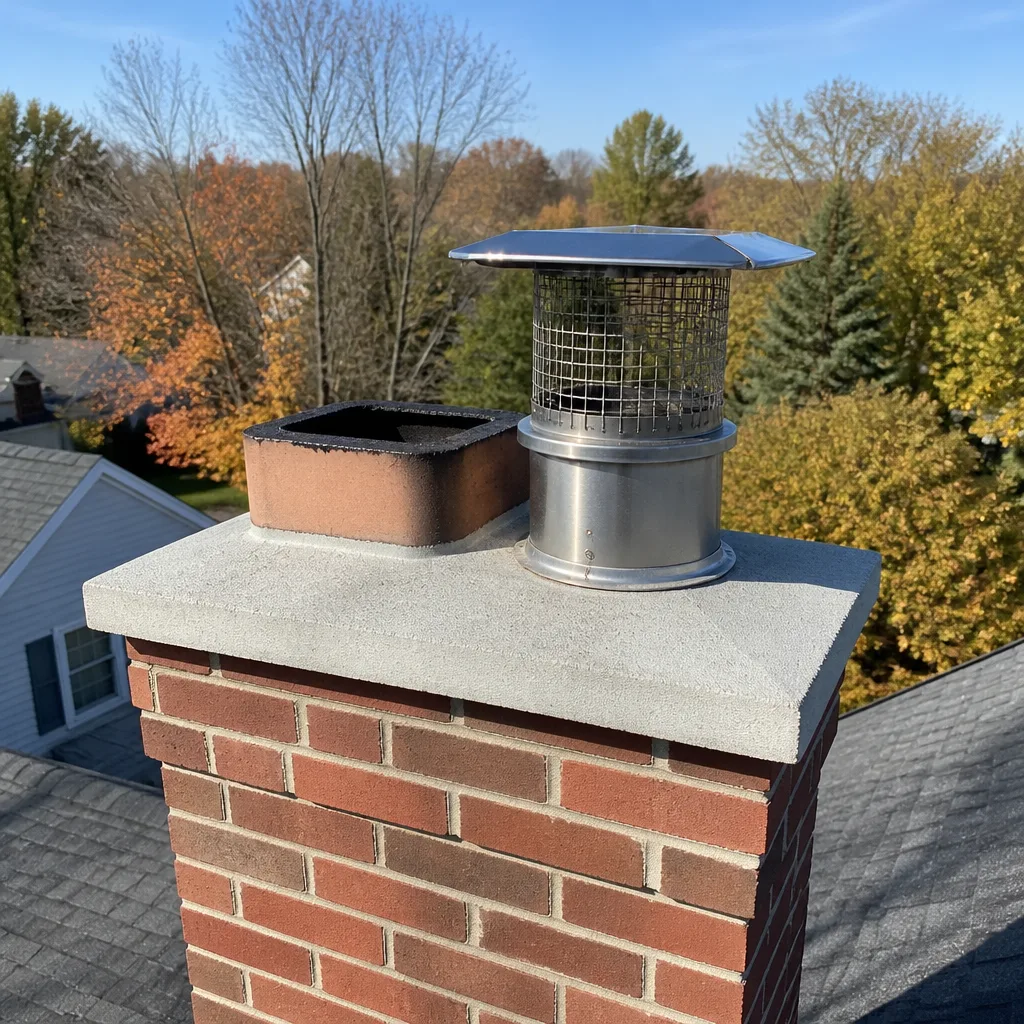 Sweep & inspection
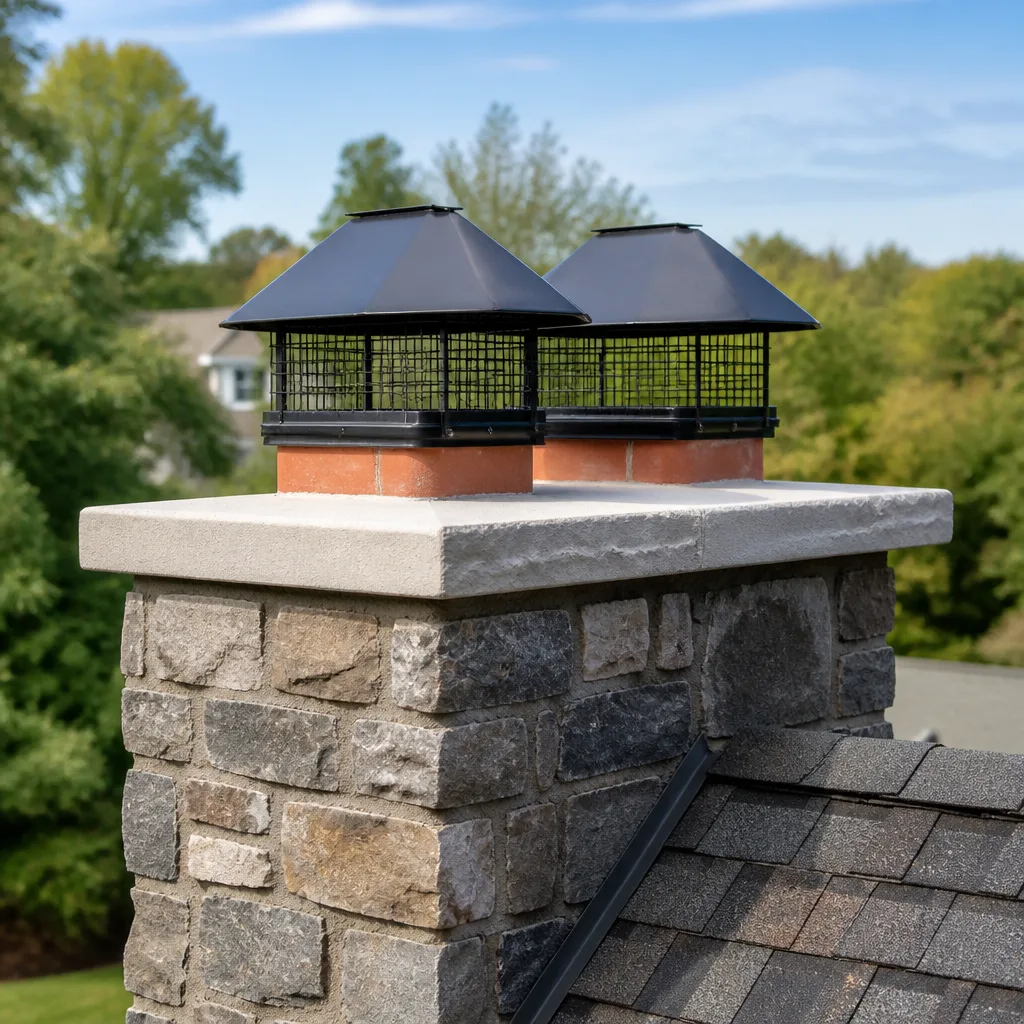 Caps & crowns
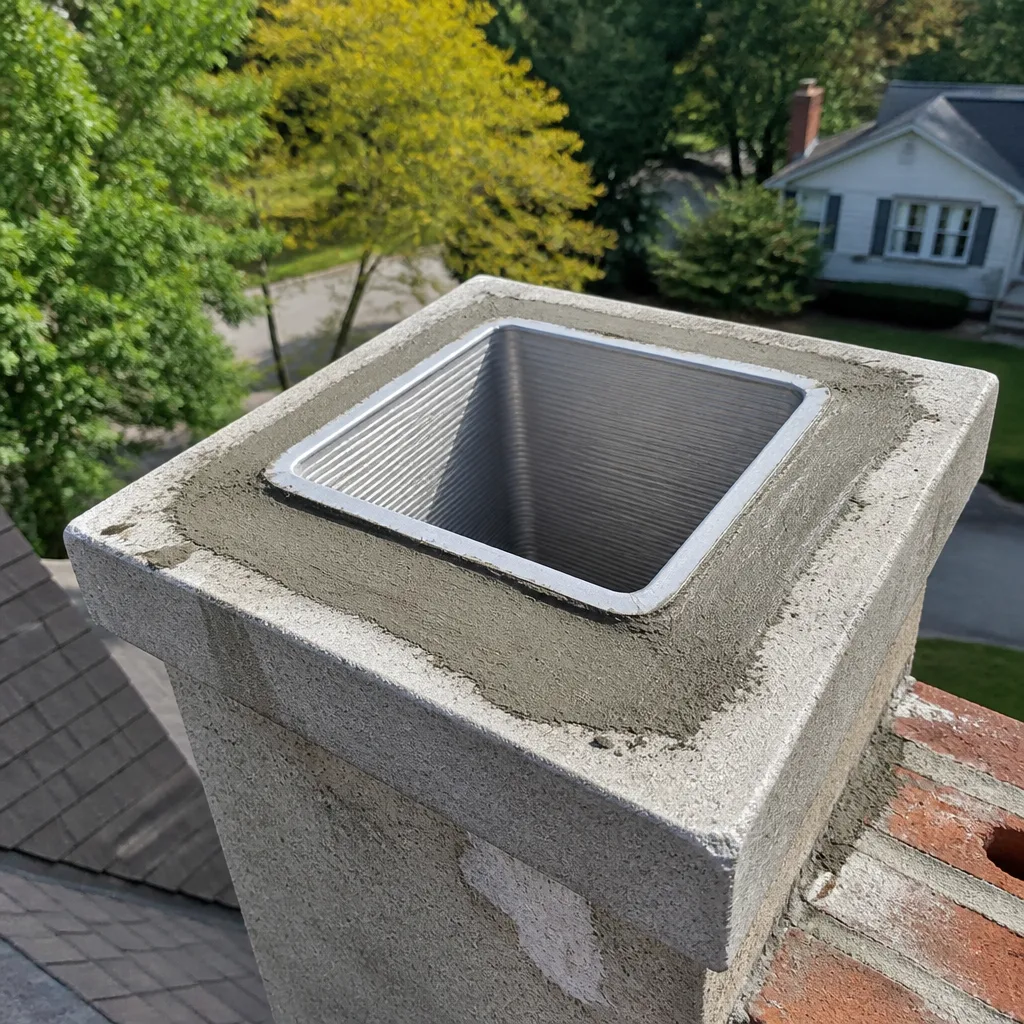 Flue relining
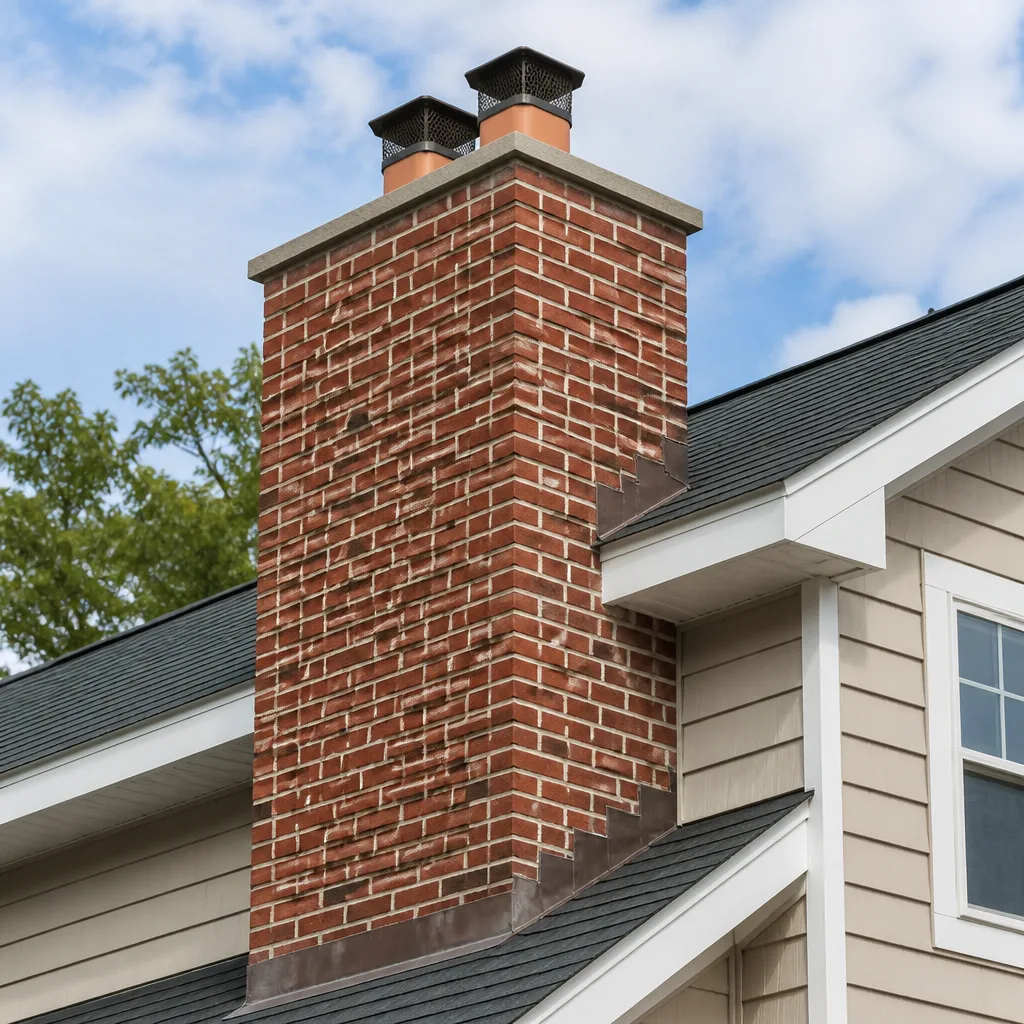 Masonry repair
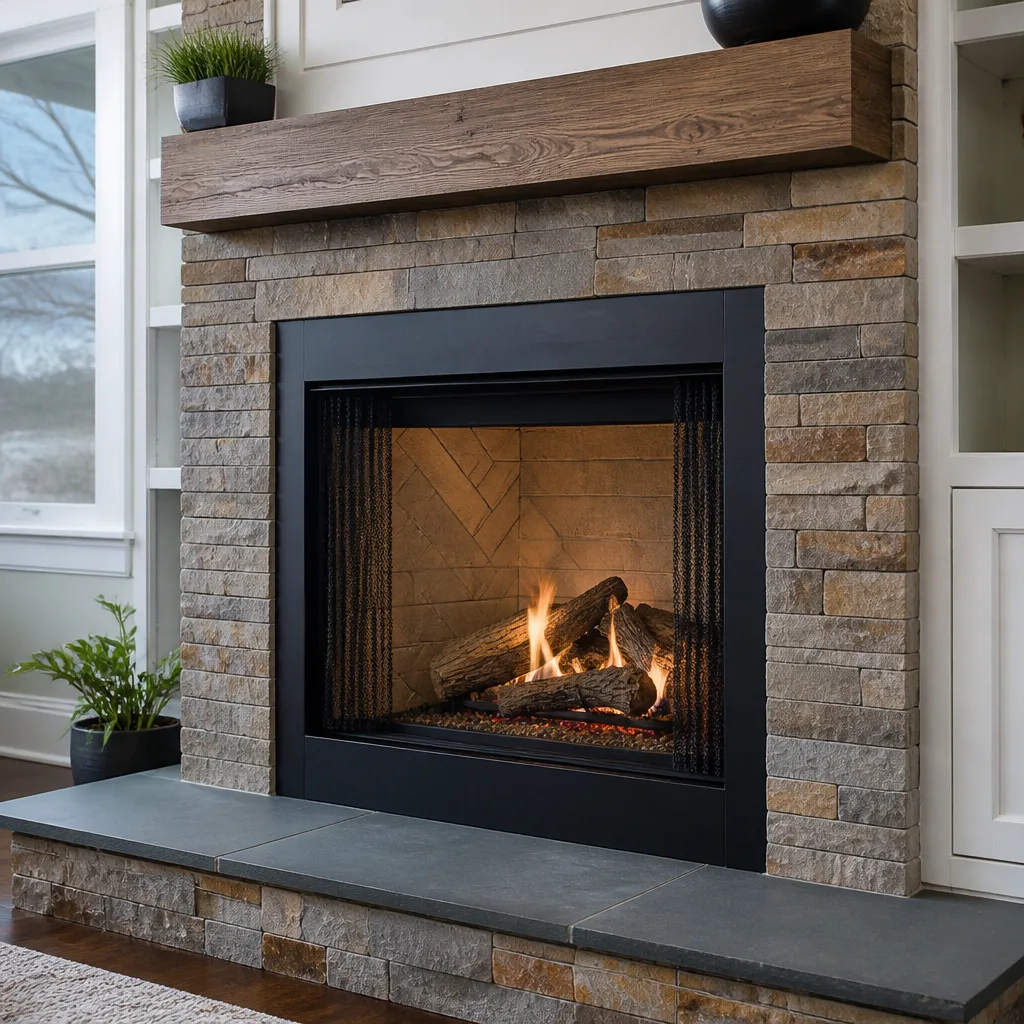 Gas fireplace service
Level 1 sweep and inspection to the NFPA 211 annual standard - flue, crown, cap, and flashing checked and photographed
Chimney sweep logs do not sweep chimneys. They loosen some creosote - which then falls where a brush and vacuum still have to collect it.
Chimney Sweep Maintenance Schedule: What to Do and When
Most homeowners treat a chimney sweep like an annual oil change: once a year, same month, done. That calendar habit feels responsible, but it’s the wrong frame. The National Fire Protection Association recommends annual inspection, and that’s a sound floor, yet the standard was written for average use. A Lakewood household burning several cords of wood through a Colorado winter is not average. A gas-log fireplace used a few evenings a month is not average either. The right schedule depends on what you burn, how often you burn it, and what kind of liner the flue contains. This guide builds a decision-tree maintenance schedule you can match to your actual fireplace, season by season, so nothing gets skipped and nothing gets done before it’s needed.
Quick Answer
Sweep and inspect your chimney once a year under normal use, and get it cleaned sooner if creosote has built up to a measurable thickness or you’ve burned more than a cord of wood since the last cleaning. In Lakewood, schedule the professional inspection for spring after the burn season ends when moisture and pest problems are easiest to catch, and do a homeowner-level visual check of the cap and damper at the start of fall before you light the first fire. Gas, wood, and manufactured logs each need different inspection priorities, and a clay tile liner needs closer watching than a newer stainless system.
Styles & brands we work with
- Sweep & inspection
- Caps & crowns
- Flue relining
- Masonry repair
- Gas fireplace service
Table of Contents
- Why “Once a Year” Is Only the Starting Point
- Usage-Based Triggers: When to Clean Before the Calendar Says So
- How Fuel Type Changes Your Inspection Priorities
- The Spring Window After Burn Season Ends
- Liner Material and Inspection Urgency
- Seasonal Checklist: Owner Tasks vs. Professional Tasks
- Creosote Grading and What It Means for Timing
- Building Your Schedule by Home Type
Why “Once a Year” Is Only the Starting Point
An annual inspection is a minimum, and treating it as a fixed calendar slot misses the reason it exists. The recommendation isn’t tied to January or October. It’s tied to what happens inside the flue between cleanings: creosote accumulation, thatch and debris from animals, water intrusion that softens masonry, and the slow degradation of a liner that no one sees. Those processes don’t move on a twelve-month clock. They move on your burn volume and the weather.
Lakewood sits at the edge of the Front Range, where winter mornings can swing forty degrees in a day and a Chinook wind can push temperatures above freezing for a stretch in January. That cycle of freeze and thaw matters for masonry chimneys. Water works into small cracks, freezes, expands, and widens them. By the time a homeowner notices a stain on the firebox ceiling, the crack has been growing for a season or two. An inspection catches it while it’s a cheap repair rather than a rebuild.
So the annual standard stays, but the smart version of it asks three questions first:
- How much fuel did you actually burn? Volume drives creosote load more than the calendar.
- What kind of fuel? Wood, gas, and manufactured logs leave different deposits and need different checks.
- What’s the liner made of? A clay tile liner from a mid-century build ages differently than a modern stainless system.
Answer those three and the schedule almost builds itself. What follows is how to translate the answers into dates and triggers. If you’d rather have a professional put eyes on the flue first, Oasis Chimney Sweep handles the sweep and the inspection in one visit so the schedule you build starts from facts about your chimney, not guesswork.
Usage-Based Triggers: When to Clean Before the Calendar Says So
Calendar reminders are useful until they aren’t. A homeowner who burns three or four cords in a cold winter will need a mid-season cleaning that a single annual appointment won’t catch. Watch for these thresholds and treat any one of them as a signal to book a cleaning regardless of what month it is:
- Cord-volume threshold. For most wood-burning fireplaces and inserts, the rule of thumb is that creosote accumulates faster after roughly a cord of seasoned hardwood has gone through the stove. Many homes in Lakewood burn more than that by February in a strong winter, which means the flue should be checked twice in a heavy-burn season.
- Burn-hour estimate. If you keep rough track, an hour of fire per evening through fall and winter adds up quickly. Once you’re into many dozens of burn hours, the creosote load deserves a look even if the flue was swept earlier in the season.
- Visible creosote buildup. A quick look up the flue before lighting a fire tells you a lot. A glazed, shiny, tar-like layer means the flue is overdue, and that layer is the one that fuels a chimney fire.
- A change in smoke behavior. If the fire smokes back into the room or the draw feels weaker than usual, the flue may be restricted by soot or a partial blockage, and a cleaning is the first step to ruling that out.
- Post-storm debris. Wind and snow knock limbs and leaves onto roofs, and a cap that’s been jarred loose lets the debris in. In a Lakewood neighborhood with mature trees, this happens more often than people expect.
None of these replace the annual inspection. They stack on top of it. The point is that a single yearly appointment is the floor of a real maintenance schedule, and a home that actually burns wood will cross a usage trigger before the next scheduled visit.
How Fuel Type Changes Your Inspection Priorities
Every flue carries combustion byproducts, but what’s in those byproducts depends on what you burn. A maintenance schedule built for a wood-burning fireplace doesn’t fit a gas-log setup, and the reverse is also true. Here’s how the priorities shift by fuel type.
Seasoned Hardwood
This is the fuel that deposits the most creosote, because wood combustion produces tars that condense on cooler flue surfaces. Seasoned hardwood burns cleaner than green wood, but it still leaves a load. Wood-fired homes need the most frequent sweeping and the closest attention to creosote grading. A wood-burning house in Lakewood that relies on the fireplace as a supplemental heat source should assume two cleanings a winter, not one.
Manufactured Logs
Manufactured logs burn more predictably and produce less creosote than raw wood, which is why some homeowners assume the maintenance burden is lower. It’s different, not absent. The binders and additives in manufactured logs produce their own residue, and the flue still needs a professional look each year. The priority here shifts toward checking for residue that can restrict airflow, and watching for product-specific buildup that only shows up under a camera inspection.
Gas Logs
A gas fireplace doesn’t produce creosote the way wood does, so a homeowner might reasonably skip the annual sweep. Don’t. Gas fireplaces have their own risks: the vent can carry moisture and corrosive byproducts that degrade a liner, and the burners and logs accumulate dust and lint that affect combustion. A gas-log inspection focuses on venting integrity, the condition of the ceramic logs, and whether the unit is venting the way it should. Carbon monoxide is the concern here, and the annual check is what keeps it in the background.
Pellet Stoves
Pellet stoves need a different schedule again. Ash accumulates quickly, and the venting has its own requirements. The annual service is as much about the mechanical side as the flue, and the sweep is a smaller part of a bigger inspection.
In our experience, the biggest mistake is applying a wood-burning calendar to a gas fireplace or assuming a gas fireplace needs nothing. The correct trigger list depends on the fuel, and a scheduled visit is where that gets sorted out accurately.
The Spring Window After Burn Season Ends
Fall is when most homeowners think about the chimney. They light the first fire, notice smoke or a smell, and call for a sweep. That instinct is backwards. Spring, right after the last burn, is the best window for a full inspection, and it’s the one most homeowners overlook.
Here’s why spring wins. During the burn season, the flue is hot and dry. Once the fires stop, several things happen at once:
- Moisture gets in. Rain, snowmelt, and morning dew work into masonry and around the cap. A spring inspection catches water damage before a summer of thunderstorms makes it worse.
- Animals find the flue. Birds, squirrels, and the occasional raccoon look for a dry place to nest. A cap that’s loose or missing invites them in, and by fall the nest has settled and the flue is blocked.
- Creosote sits and hardens. A flue that stays dirty through the off-season is a flue that has months to let deposits glaze and set. Cleaning in spring starts the next season from a clean baseline.
- Repairs can be scheduled without pressure. A cracked crown or a damaged liner found in spring can be repaired well before the first cold snap, rather than rushing work in November.
The spring visit is also when a professional can do the fullest inspection, because there’s no fire in the box and no seasonal hurry. For a Lakewood homeowner, that means the diagnosis is done calmly and the repair work can be planned around it. A spring sweep and inspection also means you go into summer knowing the cap is secure and the flue is clear.
Liner Material and Inspection Urgency
The flue liner is the most consequential piece of the system and the one most homeowners know least about. It’s the barrier between the hot flue gases and the structural masonry. When it fails, the failure is often invisible from the firebox.
Liner material determines how closely the annual inspection needs to be watched.
Clay Tile Liner
Many homes built in Lakewood in the mid-twentieth century have clay tile liners. Clay is durable but brittle. It cracks under thermal stress, and a cracked tile lets creosote and heat reach the masonry behind it. A clay tile liner needs a camera inspection every year, not a quick visual from the firebox. The failure mode is a hairline crack that a camera finds and a glance does not.
Stainless Steel Liner
A stainless steel liner, including the DuraFlex flexible systems we install, is more forgiving. It handles thermal cycling better and seals the flue in a way clay tile doesn’t. That doesn’t make it maintenance-free. The annual inspection still checks the seams, the connections, and the cap, but the urgency is lower. Older or irregular flues often get a flexible liner precisely because the shape of the flue doesn’t suit a rigid one, and that’s the fit we look at when relining is on the table.
Cast-in-Place and Resurfaced Liners
Some homes have a liner that’s been restored rather than replaced. The HeatShield ceramic resurfacing system is one avenue: it repairs a damaged liner by resurfacing it rather than pulling it out, and the correct move depends on the condition of the existing tile. That’s a repair-first option worth knowing about. The annual inspection on a resurfaced liner is still a camera inspection; the difference is what the technician is looking for.
The takeaway for scheduling: a clay tile liner earns a closer, more frequent look than a stainless system. Know your liner type, and adjust the calendar to it.
Seasonal Checklist: Owner Tasks vs. Professional Tasks
Some chimney work is safe for a homeowner to do. Most of it isn’t. This checklist separates the two so you know what to do yourself and what to schedule. It’s written to be printed and taped inside a cabinet.
Owner Tasks (Safe to Do from the Ground or the Hearth)
- Visual cap check (fall). From the ground with binoculars, look at the cap and the crown. Missing or loose parts are the first thing to flag.
- Damper operation (fall). Open and close the damper before the first fire. It should move freely and seat fully.
- Smoke and smell test (fall). Light a small fire and watch how the smoke draws. Backdraft or a strong smell means a professional needs to look.
- Ash cleanup (after each burn season). Remove the ash from the firebox, but leave the ash bed if you use the fire regularly; it helps the fire establish.
- Debris sweep (after storms). Check the roof for fallen limbs and clear anything that’s come down near the cap.
- Animal entry check (spring). Listen for birds or scratching around the flue. If you suspect a nest, stop using the fireplace and call.
Professional Tasks (Not Safe to Do Yourself)
- Flue camera inspection. The only reliable way to see the full liner, the smoke chamber, and the top of the flue.
- Smoke test. Verifies the flue draws correctly and identifies leaks that a visual inspection misses.
- Creosote grading. Determines the degree of buildup and whether a standard sweep or a more involved cleaning is required.
- Liner and crown assessment. Identifies cracks, gaps, and deterioration that only show under a camera or from the roof.
- Chimney sweep and any repair. The work itself. High heat, creosote, and the height of the work make this a professional’s job without exception.
In our experience, the homeowners who stay ahead of problems are the ones who do the owner-side checks faithfully and schedule the professional side on a predictable rhythm. The checks don’t replace the inspection. They tell you when to move the inspection up.
Creosote Grading and What It Means for Timing
Creosote is the residue of wood combustion, and it comes in degrees. The severity determines whether a standard sweep is enough or whether the flue needs more. Here’s how the grading translates into scheduling:
- Light soot. A thin, flaky layer. A standard sweep clears it, and the schedule stays on track.
- Moderate creosote. A denser, flakier buildup. Still sweepable, but the flue is due soon, and a second cleaning in the season is worth planning.
- Glazed creosote. A shiny, tar-like layer fused to the flue surface. This is the grade that fuels a chimney fire, and it isn’t cleared by a routine sweep. It needs targeted removal, and the schedule needs to move up right away.
The practical rule: if you’ve had glazed creosote before, the next inspection interval shrinks. Knowing the grade is also where a professional chimney sweep earns its keep, because grading is a judgment call that needs an unobstructed view of the flue. If you’re hearing a hard sell on a liner replacement without a camera report to back it up, ask to see what the technician sees. A grade-3 flue is a real finding; a vague one is not.
Building Your Schedule by Home Type
The generic annual calendar gets the job done somewhere around the middle. Most Lakewood homes are more specific than that. Here’s a rough schedule by home type, to adapt to your situation:
Older Home with a Clay Tile Liner
Spring inspection every year with a camera. Wood-burning homes in this category should plan a fall cleaning as well if they burn more than a cord. Watch the crown and the masonry around the flue; the freeze-thaw cycle in Lakewood is harder on these builds than the calendar suggests.
Newer Home with a Stainless Liner
Annual inspection is still the baseline, but the urgency is lower and a missed year is less likely to mean a hidden crack. Do a thorough sweep at the end of each burn season, and a visual check in fall.
Gas-Log Home
Annual inspection focused on venting and burners, plus a check before the first cold snap to make sure the unit lights and draws correctly. A gas unit that’s been idle all summer can surprise you in October.
Wood-Burning Insert or Stove
This is the highest-maintenance category. A wood-burning insert with a full firebox can burn a cord and a half in a Lakewood winter, so plan a mid-season cleaning and a spring sweep. The flue on an insert needs closer inspection because the firebox is enclosed and issues are less visible from the room.
Whatever the category, if a repair is in your future, it’s worth knowing that a chimney repair scheduled from a spring inspection gets done without the pressure of a cold snap. A Lakewood homeowner with a solid spring diagnosis has the whole summer to plan.
Common Mistakes to Avoid
- Treating the annual sweep as the whole schedule. It’s the floor. A wood-burning home crosses a usage trigger between annual visits and needs to be cleaned before the next scheduled appointment, not after.
- Skipping the spring inspection. Fall is the default for most homeowners, but spring is when moisture damage and animal entry are caught earliest. Miss it and the problem has a whole summer to get worse.
- Assuming a gas fireplace needs no professional check. Gas introduces its own venting and combustion concerns, and the annual inspection is the check that keeps them from becoming a real problem.
- Ignoring the liner type. A clay tile liner and a stainless liner age differently. Apply the wrong calendar to a clay liner and a hairline crack can go unnoticed for a season or two.
- Burning green or unseasoned wood. The creosote load from wet wood is higher than from seasoned hardwood, and it can push a flue past the threshold between annual cleanings.
- Cleaning and not inspecting. A sweep clears the soot. An inspection finds the crack behind the sweep. The two need to happen together, or the flue looks clean and still has a problem.
- Putting off a repair found in spring. Summer is the cheapest and calmest time to schedule repair work. Wait until the fall and the work is being done in a hurry.
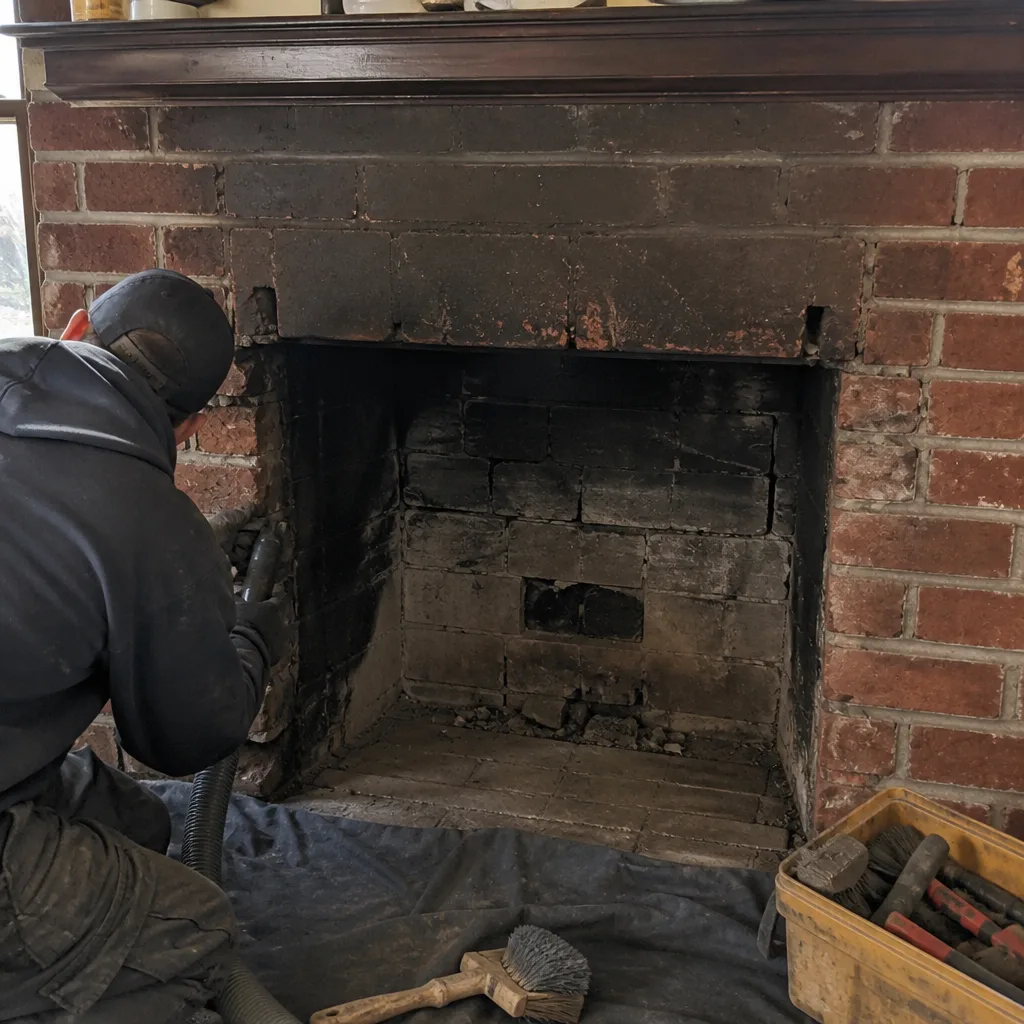
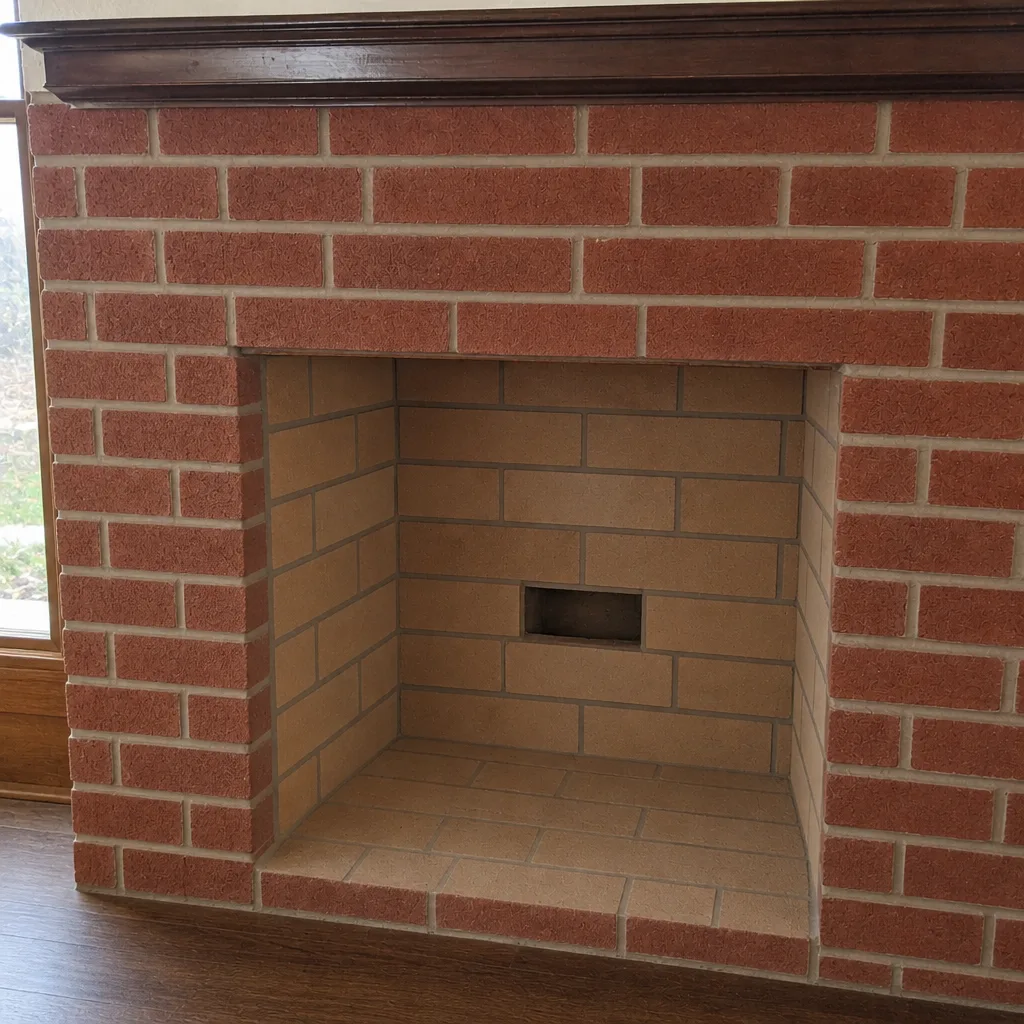
See the difference
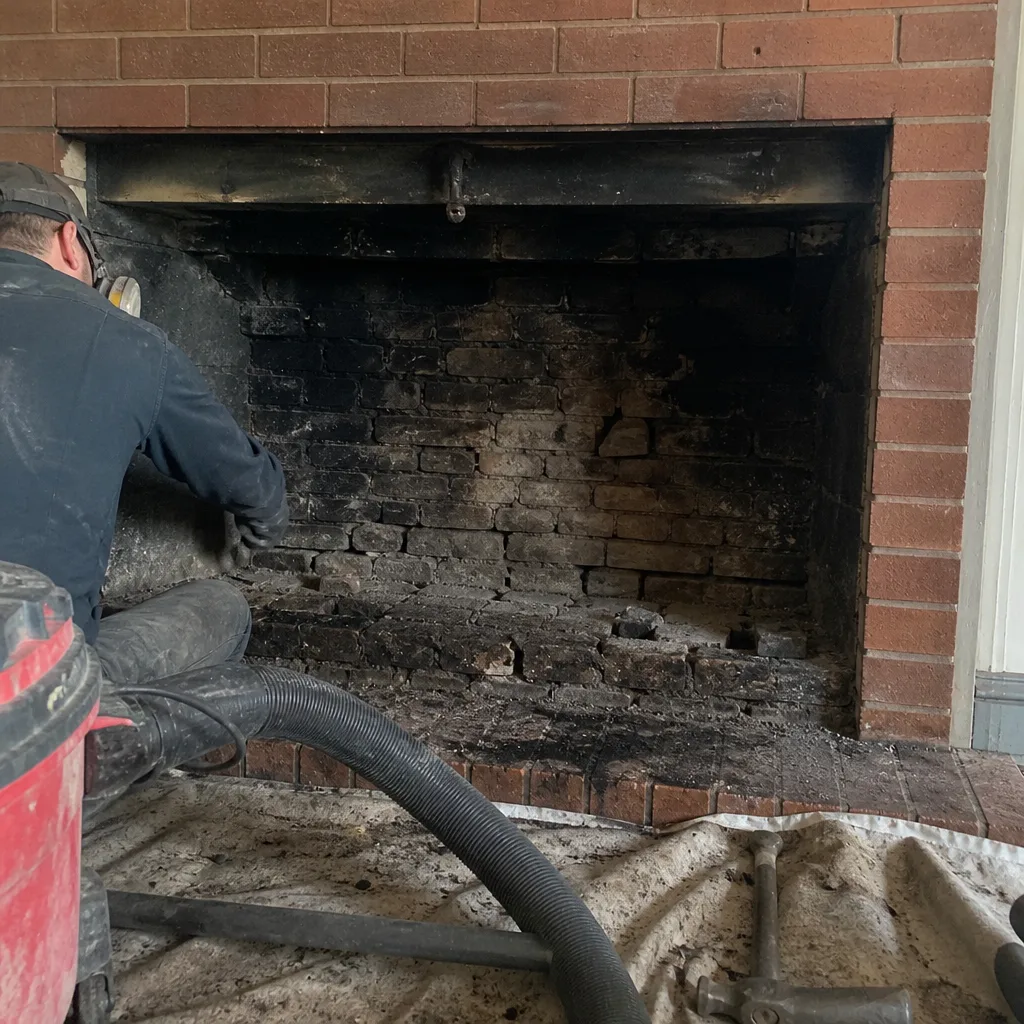 Before
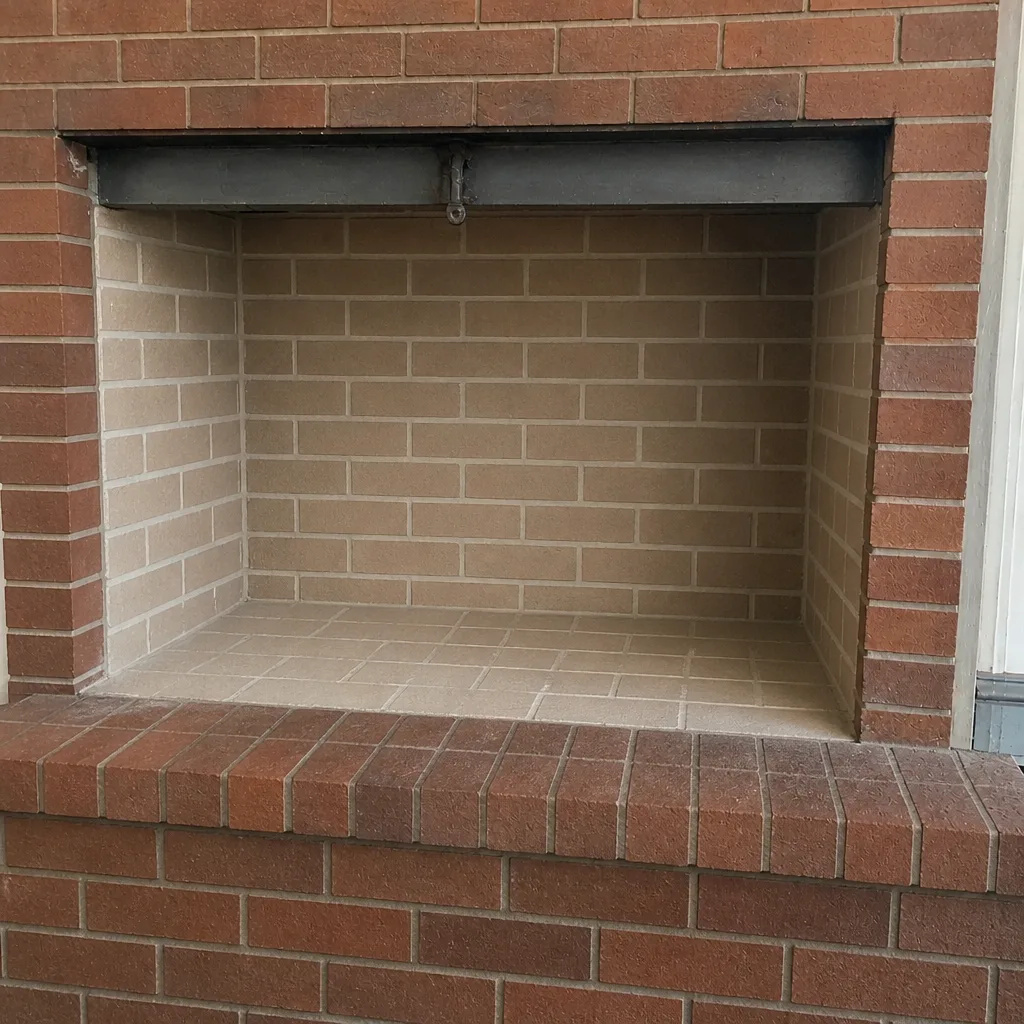 After
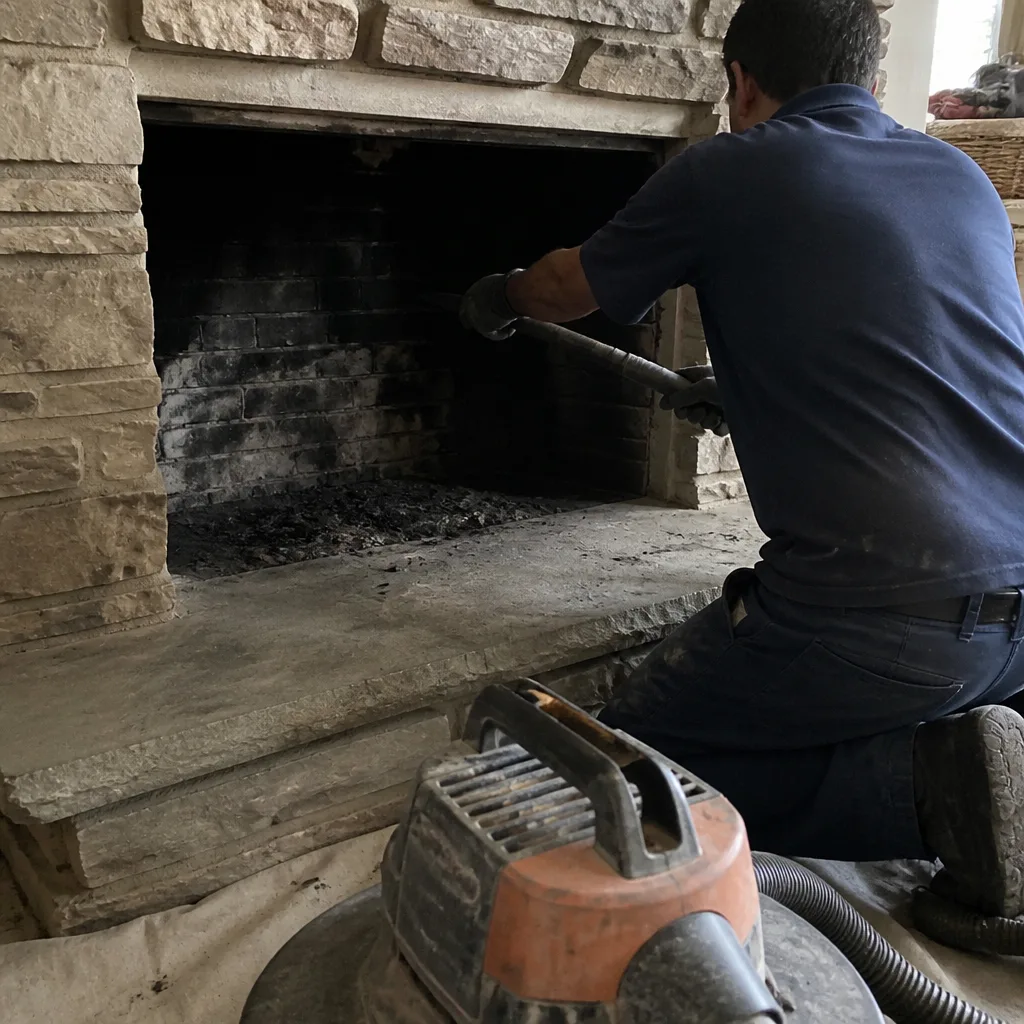 Before
 After
 Before
 After
When to Call a Professional
Some situations call for scheduling without waiting. Call a professional if you smell creosote when the fire is lit, if smoke backs into the room, if you see a glaze on the flue walls, if a bird or animal has been in the chimney, or if you’ve had a chimney fire, even a small one. Call if you’re moving into a home with no maintenance records, and call if the fireplace is new to you. In Lakewood, homes change hands with existing chimneys that deserve a look before the first fire. Oasis Chimney Sweep offers free estimates in Lakewood. Call (888) 320-6023. We answer 24/7. Fast dispatch from 7am to 7pm, Sunday through Friday.
Frequently Asked Questions
Once a year under normal use, and sooner if creosote has built up to a measurable thickness or you’ve burned more than a cord since the last cleaning. For a wood-burning home in Lakewood that heats with the fireplace through a Colorado winter, two cleanings a season is the more realistic number. Call (888) 320-6023 for an exact quote. Estimates are free.
Yes, the annual inspection is the minimum standard, and it’s the only reliable way to catch liner cracks, creosote grades, and masonry damage that a visual check from the firebox won’t show. The inspection is the part that keeps the fire safe before you light it. Call (888) 320-6023 to book one.
Spring, right after the burn season ends, is the best time for a full inspection because moisture damage and animal entry are caught earliest. Fall is the better time for a quick pre-season check before the first fire. The two together cover a full year. Call (888) 320-6023 for a free estimate on either.
A gas fireplace doesn’t produce creosote the way wood does, but it still needs an annual professional inspection of the venting and the burners. The inspection catches venting problems and contamination that a homeowner can’t see from the room. Call (888) 320-6023 to talk through what your gas unit needs.
A clay tile liner needs a camera inspection every year because the failure mode is a hairline crack that only shows under a camera. A stainless steel liner, including the DuraFlex systems we install, is more forgiving, and the annual check is still standard but the urgency is lower. The right answer depends on your liner. Call (888) 320-6023 for an inspection and a straight assessment.
Creosote builds up and glazes, which is the condition that fuels a chimney fire. Water gets into cracks and widens them through the freeze-thaw cycle, and animal nests can block the flue. None of that is visible from the room. The good news is that most of it is found before it turns into a rebuild. Call (888) 320-6023 for an inspection that tells you where you actually stand.
The Bottom Line
The annual sweep and inspection is the floor of a real maintenance schedule, not the whole thing. Build the schedule around what you actually burn and what your liner is made of. Wood-burning homes in Lakewood should plan for more than one cleaning a season, while a gas-log setup needs a focused annual check on venting and burners. Spring is the window that catches moisture damage and animal entry, and fall is the pre-season check that confirms the cap and damper are ready. Creosote grading and liner type determine whether a standard sweep is enough. Do the owner-side checks, book the professional inspection on a predictable rhythm, and you’ll know your fire is safe before you light it. Oasis Chimney Sweep handles the sweep, the inspection, and the repair under one contractor with professional-grade product lines, including DuraFlex, HeatShield, Gelco, Olympia Chimney, Famco, and Copperfield, so there are no handoffs mid-problem. Call (888) 320-6023 for a free estimate. We answer 24/7. Fast dispatch from 7am to 7pm, Sunday through Friday.
Written by the team at Oasis Chimney Sweep.